By Jeffery Sejour | Board Member
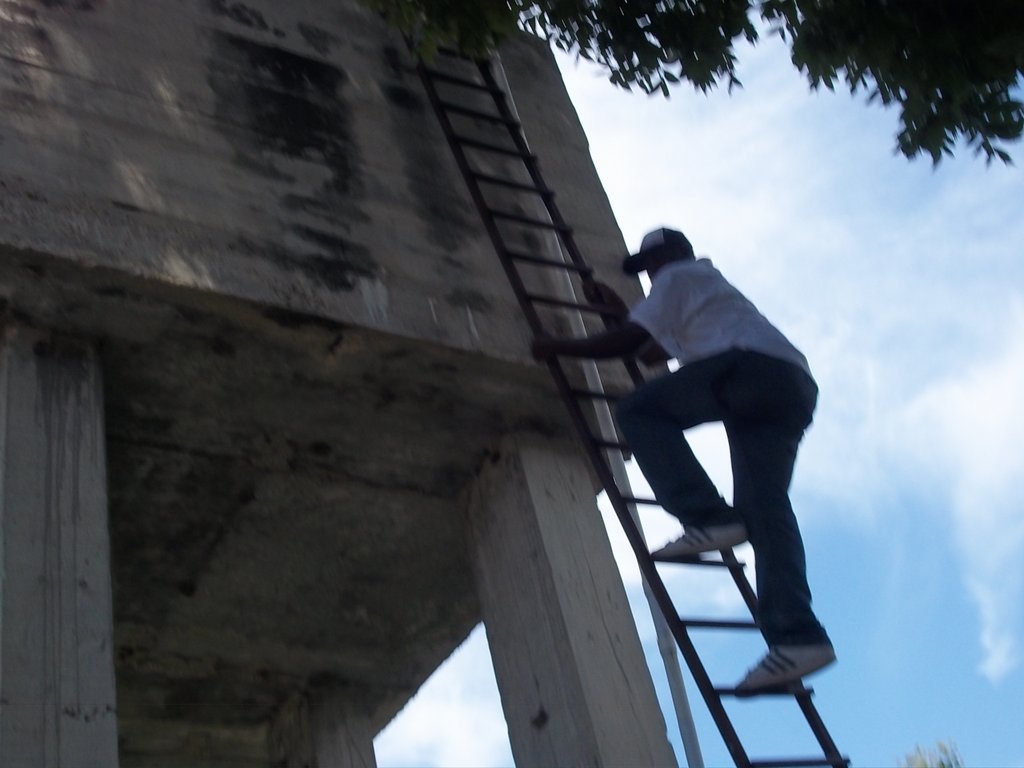
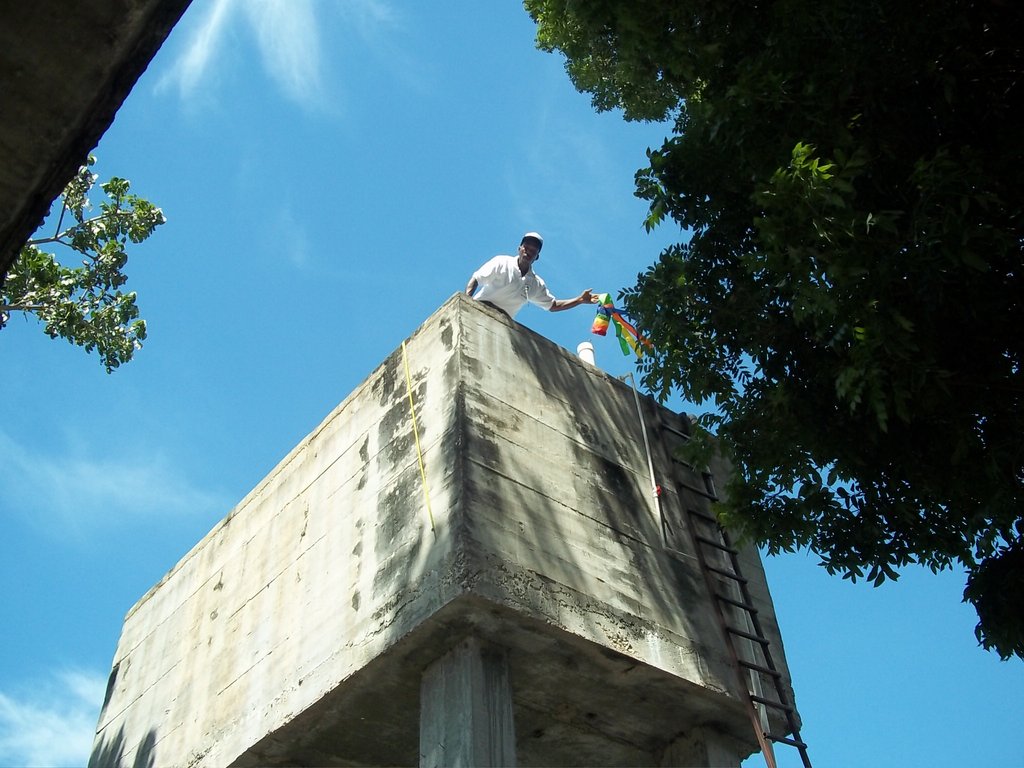
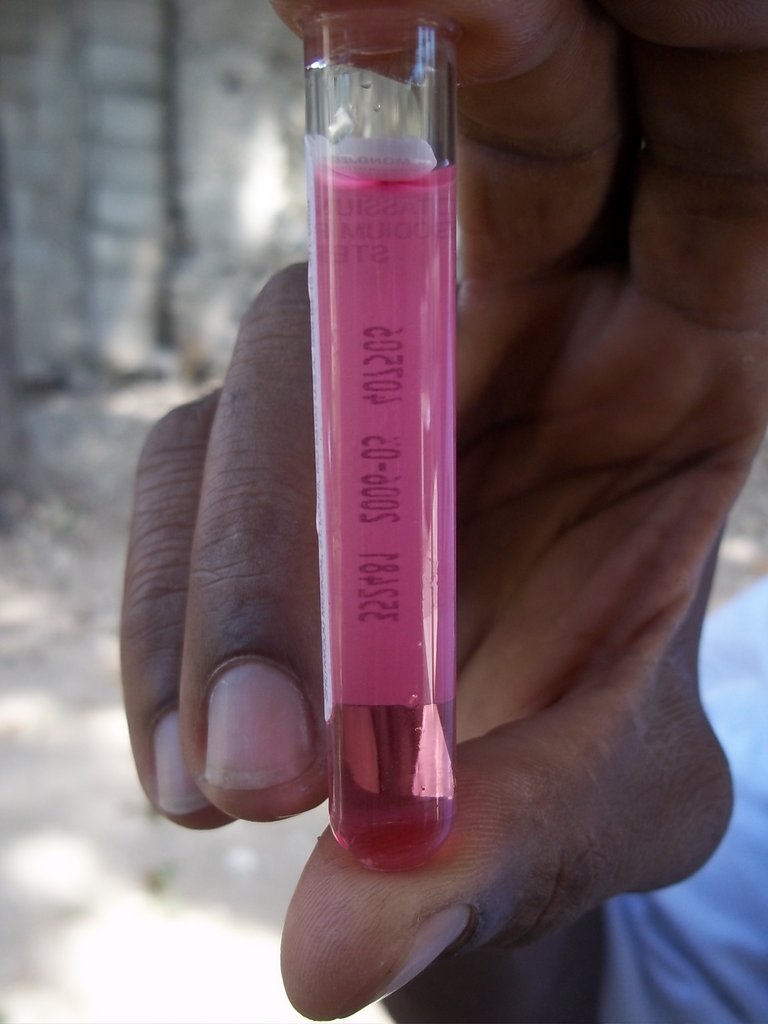
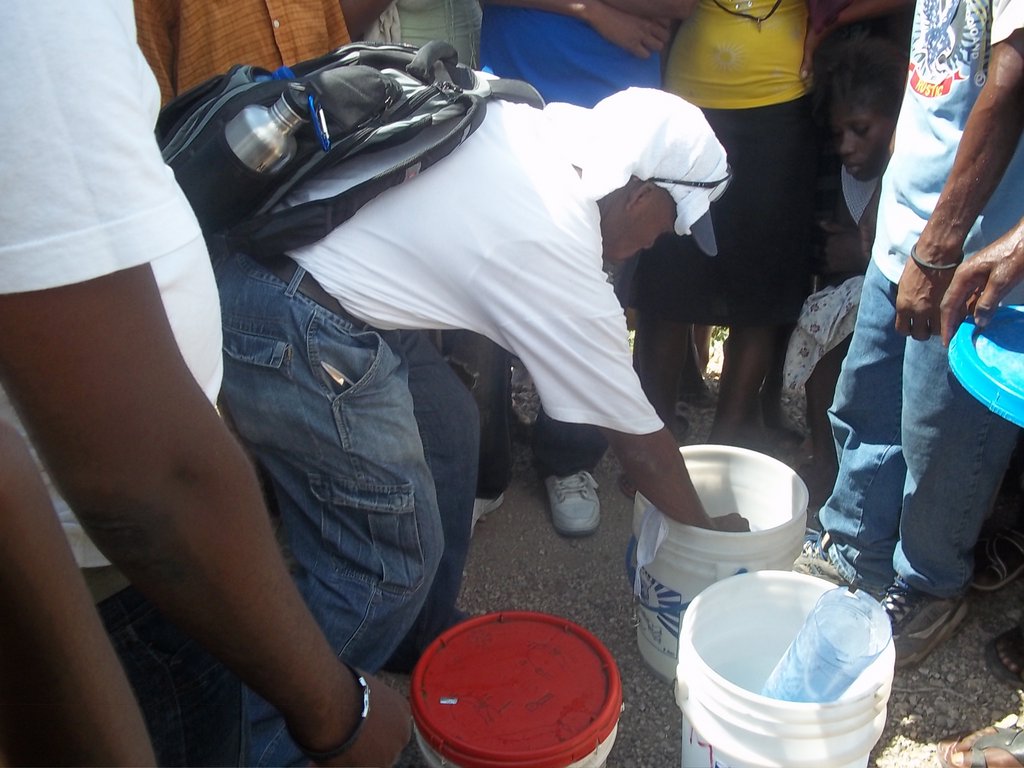
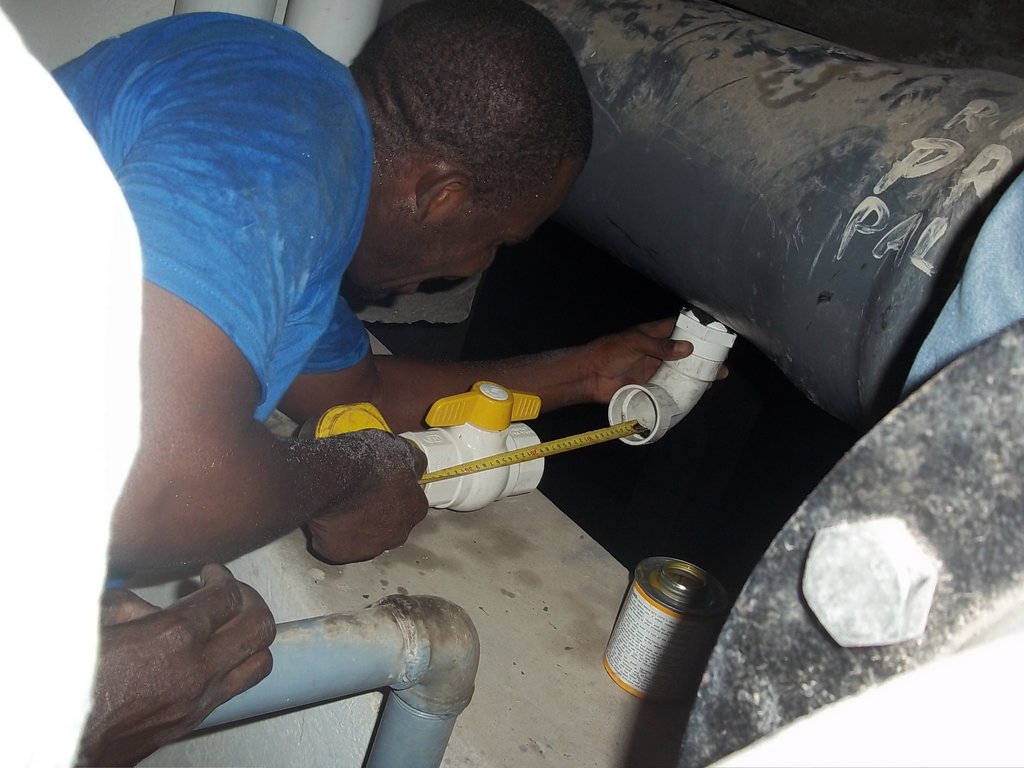
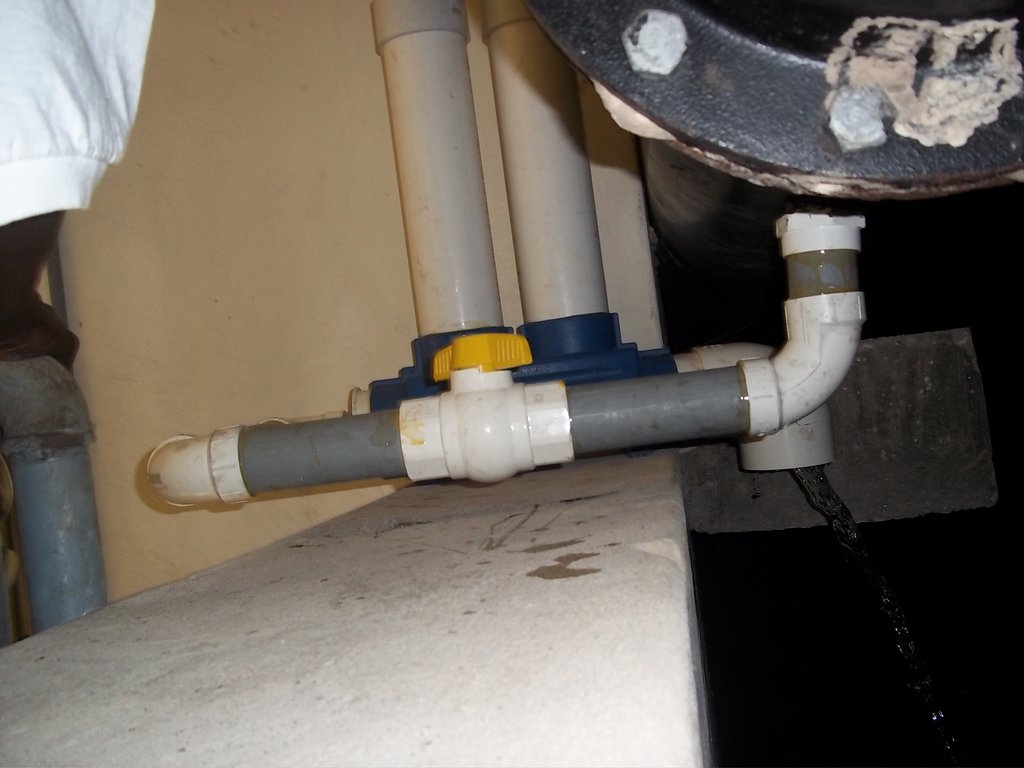
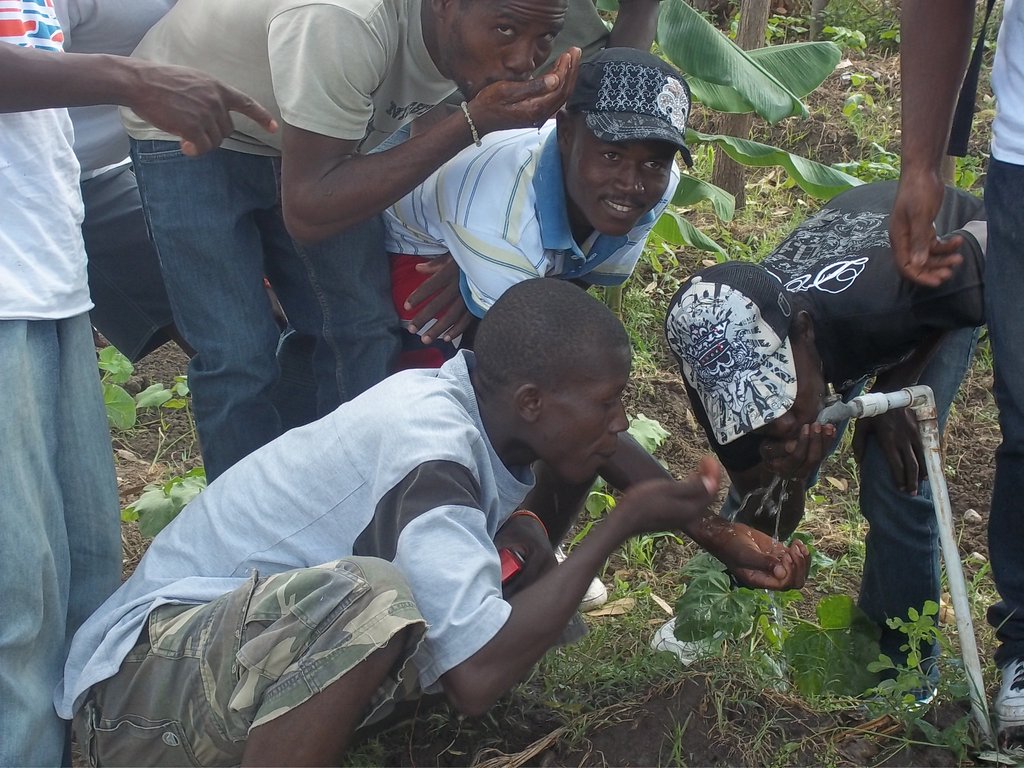
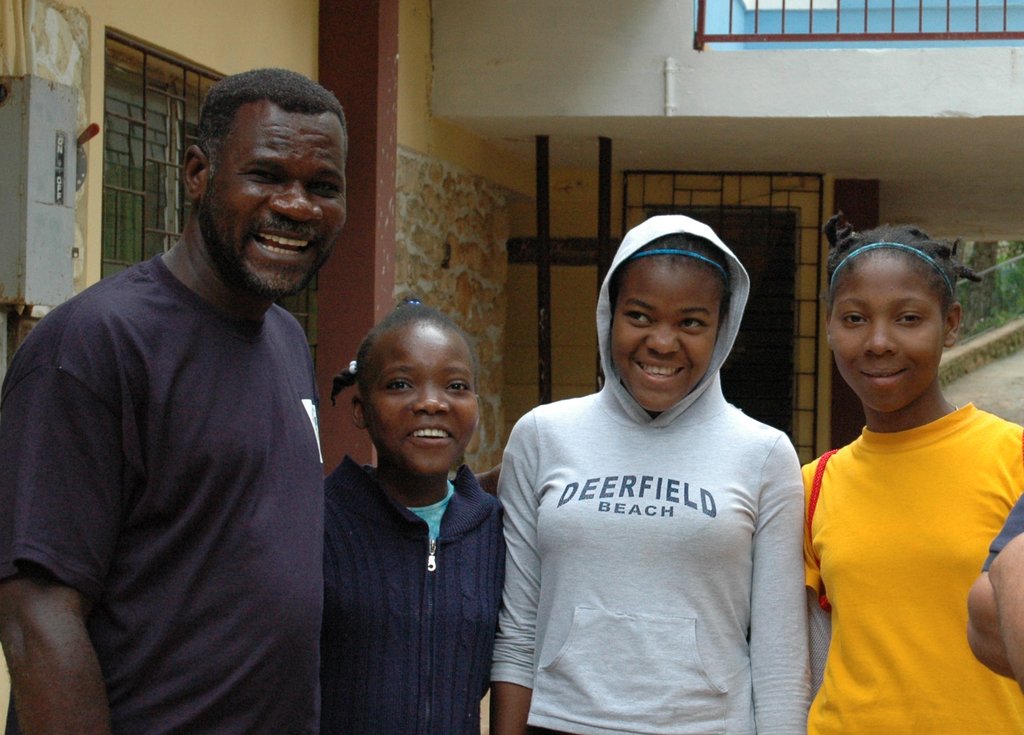
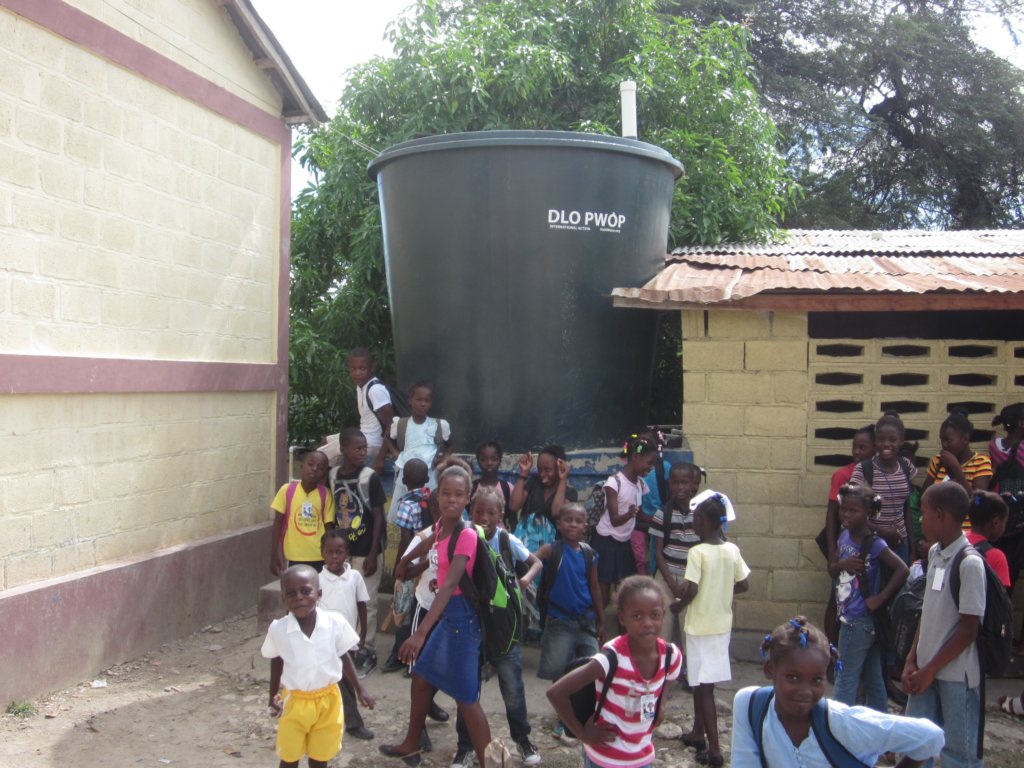
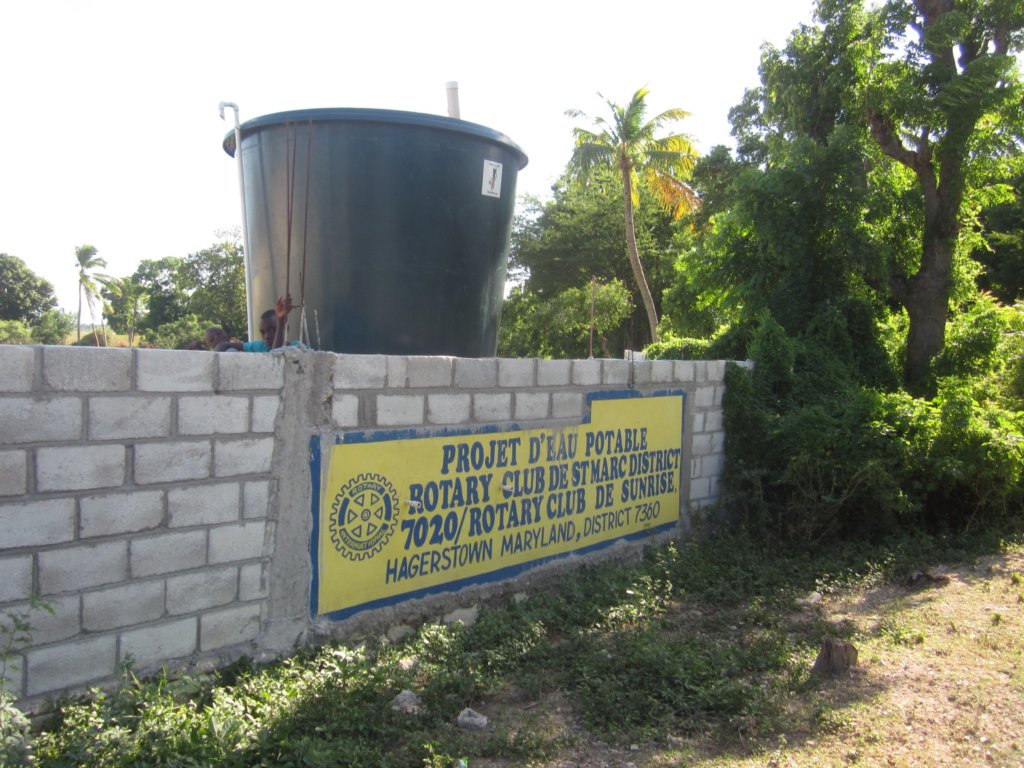
2016 has been a year of transition for International Action (IA). We were able to able to make two trips to Haiti last year. Our first visit was in March with the second in November. Our November mission was to review the progress and sustainability of our water supply projects, continue to develop local relationships and plan the expansion of our future efforts in Haiti.
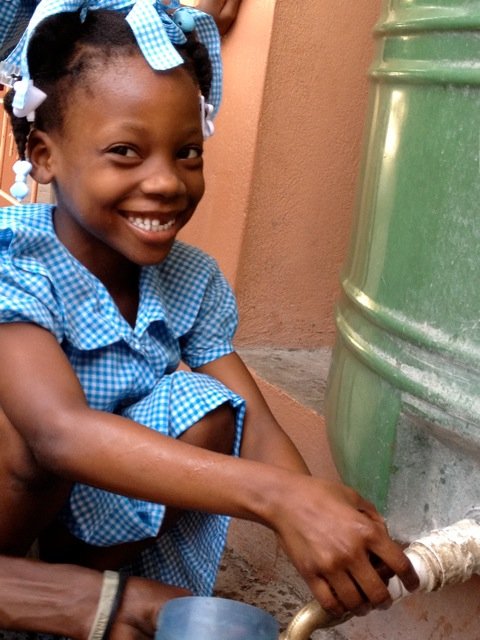
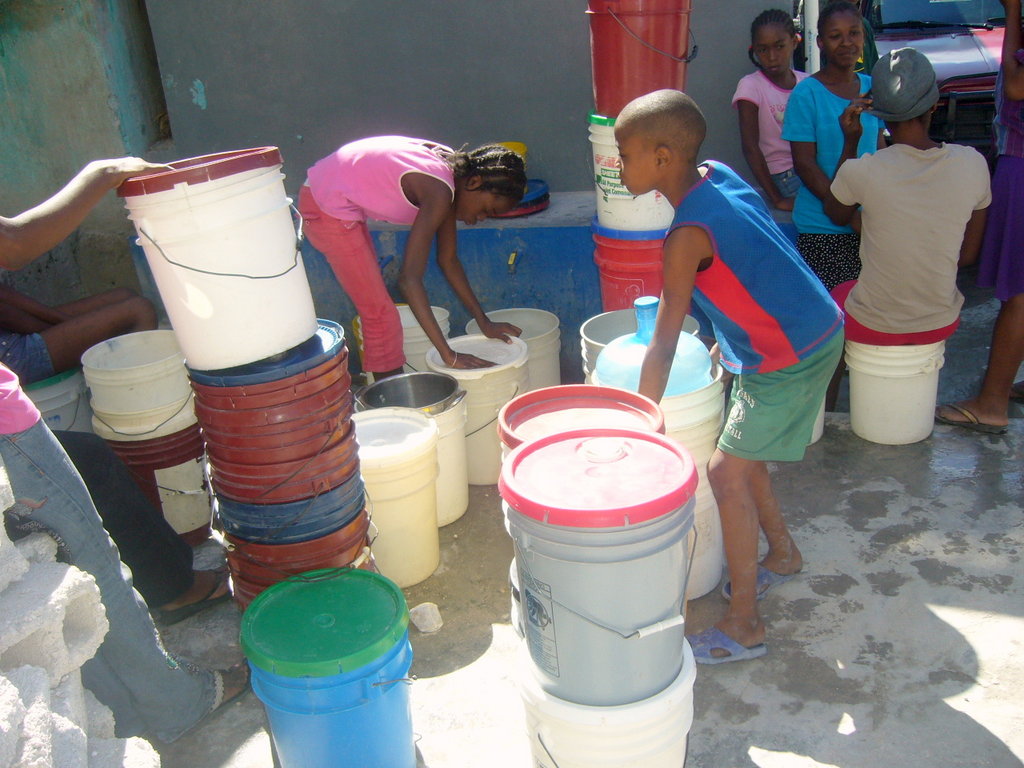
We have made great strides in the Artibonite region we are currently helping an estimated 51,000 people to gain every day access to clean, safe water.
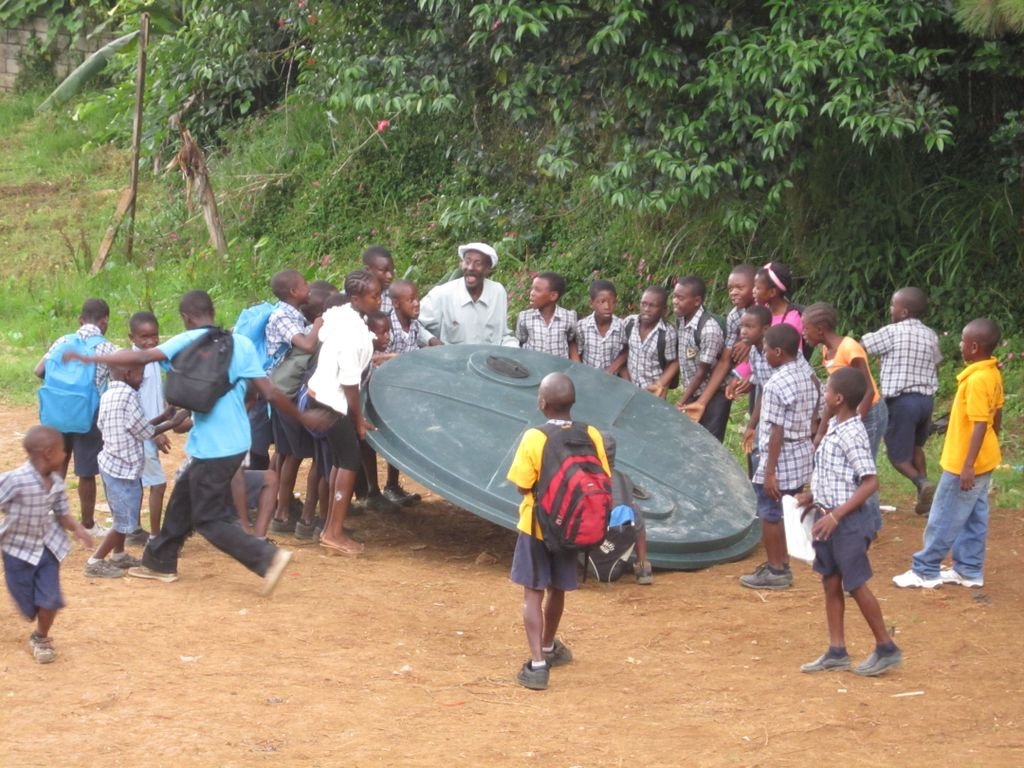
We discovered that the best way to continue to help the people of the Artibonite, was to build on the work we had begun with communities with the chlorinator and water tank systems. Diseases caused by protozoa – micro-organisms – are now the most common waterborne diseases in Haiti, causing 65% of infections.
A protozoa called Crypto is the main culprit. Chlorine is very effective against cholera (what our water treatment systems use), but is not effective against Crypto. In the Dessalines commune, this means we need to create new water sources that use water from protected aquifers -- usually devoid of bacterial, protozoan or virus-based infections as natural filtration processes (when water seeps through the Earth’s crust) acts as a one of the most effective, water purification systems, even against Crypto.
Furthermore, the Artibonite Region is one of the most fertile areas in Haiti, but the farming families here have produced very little food over the past two years because there has been severe drought. This has crippled the peoples' ability to grow and sell food throughout the area. They need access to clean, safe underground water.
IA’s focus on water and envisions a future for Haitians that allows the population to be self-sustaining rather than continuing to rely on international assistance. The combination of clean water and sanitation and the establishment of reliable jobs within a community will help the people become more self-sufficient.
Project reports on GlobalGiving are posted directly to globalgiving.org by Project Leaders as they are completed, generally every 3-4 months. To protect the integrity of these documents, GlobalGiving does not alter them; therefore you may find some language or formatting issues.
If you donate to this project or have donated to this project, you can receive an email when this project posts a report. You can also subscribe for reports without donating.