By Elizabeth Sellers | U.S. Director of Development
For families living in areas affected by conflict, the danger does not always end when the fighting stops. Landmines, unexploded ordnance, and other explosive remnants of war can remain hidden in fields, roads, and neighborhoods for years, preventing people from returning home, earning a living, or allowing their children to play safely. Through your support, Humanity & Inclusion helps communities reduce these risks through mine action, explosive ordnance disposal, and lifesaving risk education.
A family turns a frightening accident into a lesson for others
In communities affected by explosive hazards, awareness can save lives. One recent story highlights how quickly an ordinary day can become dangerous when explosive remnants of war are present.
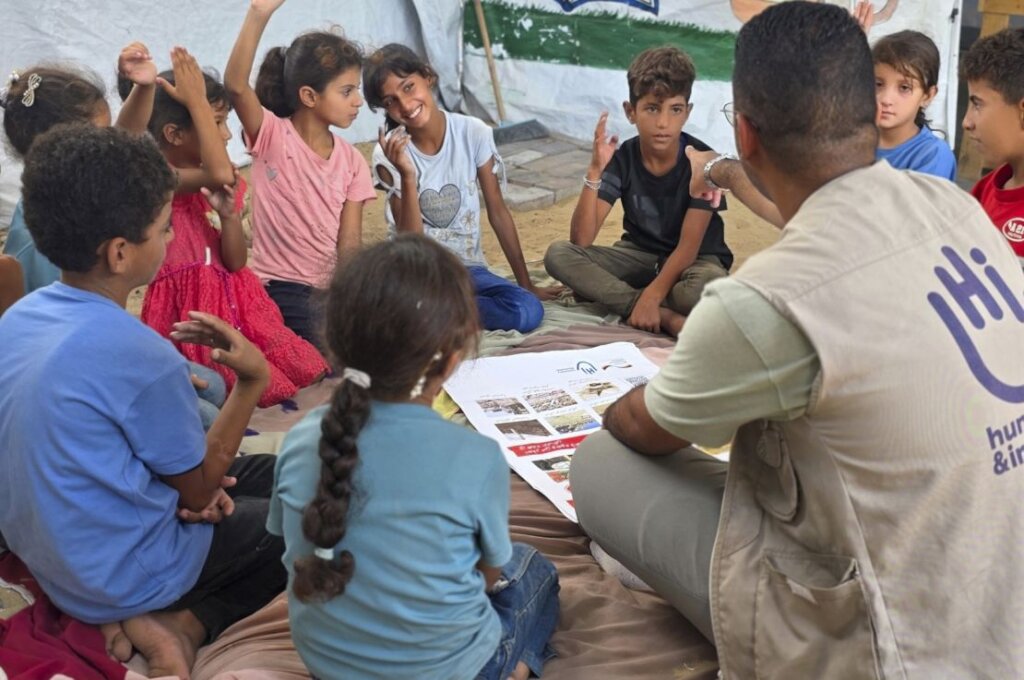
After an accident involving unexploded ordnance near his home, Kareem and his family learned firsthand how important risk education can be. What could have remained a private tragedy instead became an opportunity to raise awareness throughout the community. With support from HI teams, safety messages reached others who might encounter similar dangers, helping families recognize suspicious objects and understand how to respond safely. The experience reinforced a simple but critical message: no one should touch, move, or approach an unknown object that could be explosive.
Stories like Kareem's remind us that mine action is about more than removing explosives. It is also about ensuring that people have the knowledge they need to protect themselves and their loved ones.
Making land safe again
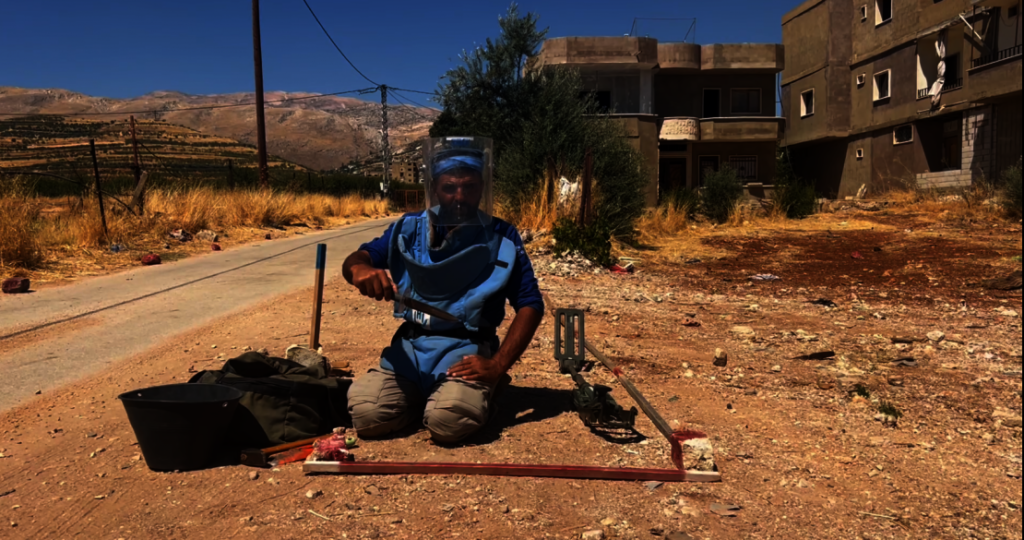
In Lebanon's Bekaa Valley, HI teams continue working to identify and clear explosive hazards that threaten civilians and restrict access to land. Every item safely located and removed represents a reduction in risk for nearby communities. It can mean a farmer returning to cultivate a field, children walking to school with greater confidence, or families feeling safer in their daily lives.
This work is painstaking and often invisible, but its impact is profound. Communities can only rebuild when the land beneath their feet is safe.
The people behind the work
Mine action depends on highly trained professionals who take extraordinary precautions every day. Among them is Mayra, a deminer committed to protecting both people and the environment through her work. Her story reflects the dedication of HI's mine action teams around the world, who carefully survey, identify, and remove explosive threats so communities can recover and move forward.
Behind every cleared area are skilled individuals whose expertise helps prevent future injuries and deaths.
Why this work matters
In countries such as Yemen and elsewhere, explosive ordnance continues to restrict movement, limit access to services, and place civilians at risk long after conflicts have faded from international headlines. Families may be unable to reach farmland, water sources, schools, or health services because of contamination and fear. HI's mine action programs help address these challenges through clearance operations, risk education, and support for affected communities.
Thank you for supporting this work. Your generosity helps remove deadly threats, educate communities about risk, and create safer environments where children can learn, families can thrive, and communities can rebuild. Every cleared area and every person reached with safety information is another step toward a future free from the dangers of landmines and explosive remnants of war.
Links:
Project reports on GlobalGiving are posted directly to globalgiving.org by Project Leaders as they are completed, generally every 3-4 months. To protect the integrity of these documents, GlobalGiving does not alter them; therefore you may find some language or formatting issues.
If you donate to this project or have donated to this project, you can receive an email when this project posts a report. You can also subscribe for reports without donating.


Support this important cause by creating a personalized fundraising page.
Start a Fundraiser