By SUZAN YUMBE | EXECUTIVE DIRECTOR
Imagine a school where there is no water available within the school compound. Every single day begins with a silent struggle that most people rarely think about. Students arrive at school not only ready to learn but immediately confronted with a basic survival challenge: where to find water for drinking, cleaning, and sanitation needs. At Mapogoro B Primary School in Mbarali District, Mbeya Region, this was once the reality.
In this school, children and teachers were previously forced to walk approximately three kilometers every day just to fetch water in nearby river for school use and the water is not clean and safe. This was not a short or occasional inconvenience; it was a daily routine that shaped the rhythm of the entire school day. The journey to collect water would consume nearly two and a half hours of learning time. Instead of sitting in classrooms learning mathematics, reading, and science, students were walking long distances, carrying heavy buckets, waiting in queues, and trying to bring back enough water to meet the school’s basic needs.
The impact of this challenge extended far beyond time loss. The lack of water within the school compound meant that essential hygiene practices such as handwashing after using toilets or before eating meals were extremely limited or in some cases impossible. This exposed children to preventable diseases and created an environment where sanitation and hygiene were constant concerns. Teachers also faced difficulties maintaining cleanliness in classrooms and supporting healthy school routines. Over time, this situation affected attendance, reduced concentration in class, and undermined the overall quality of education.
For many children, the idea of simply washing hands after using the toilet was not something that could be taken for granted. It was a daily struggle that required time, effort, and in many cases, sacrifice of learning hours. The school environment, which should have been a place of opportunity and growth, was instead constrained by the absence of one of the most basic human necessities: clean water.
It is within this context that the Clean Water, Healthy Futures: School WASH Project was designed and implemented by Afyaplus Organization, with the generous support of donors and partners. The goal of this project is to ensure that children have access to safe water, proper sanitation, and hygiene facilities within their school environment, enabling them to learn in dignity, safety, and good health.
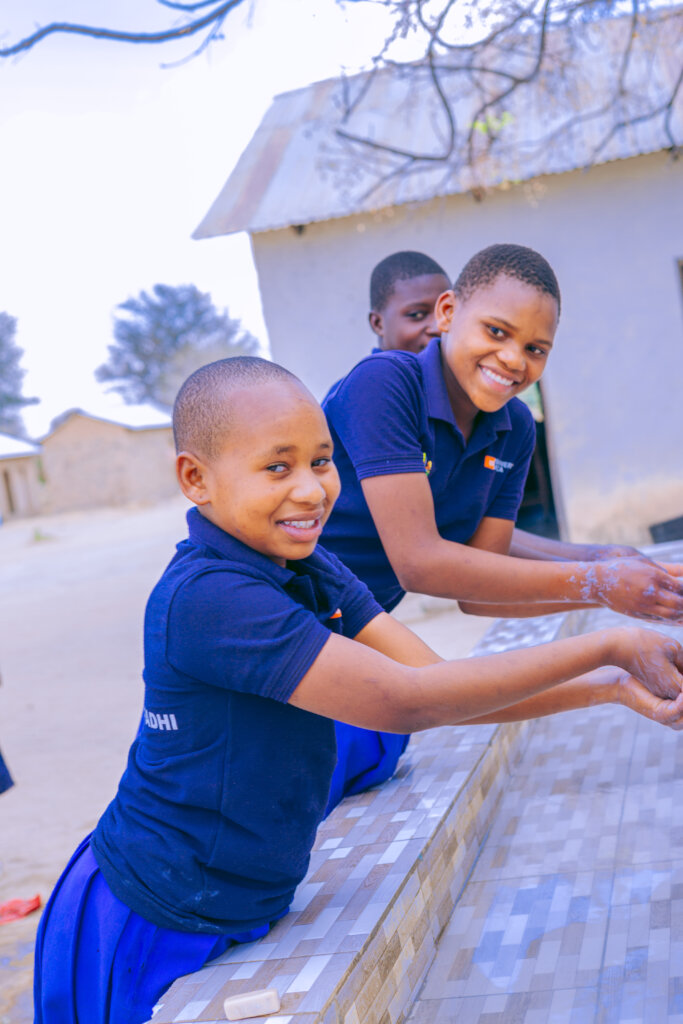
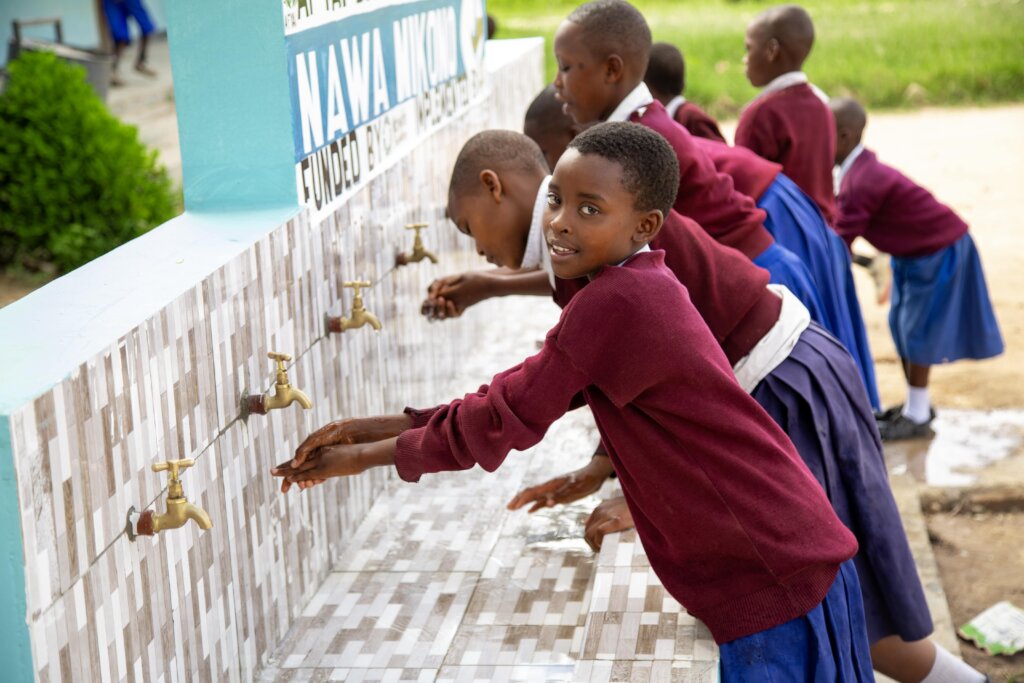
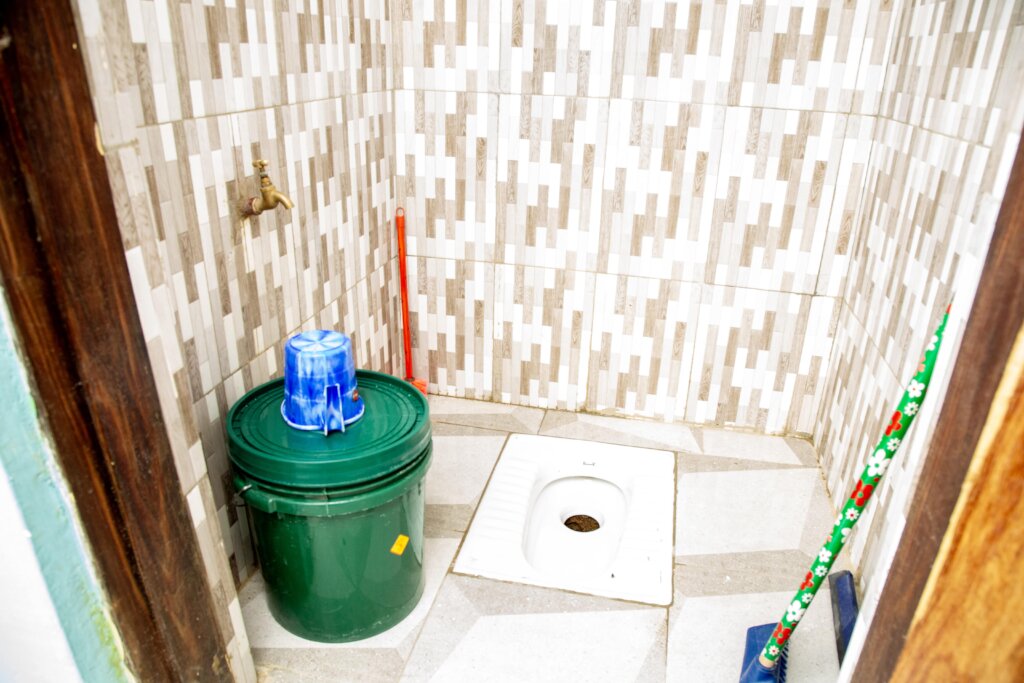
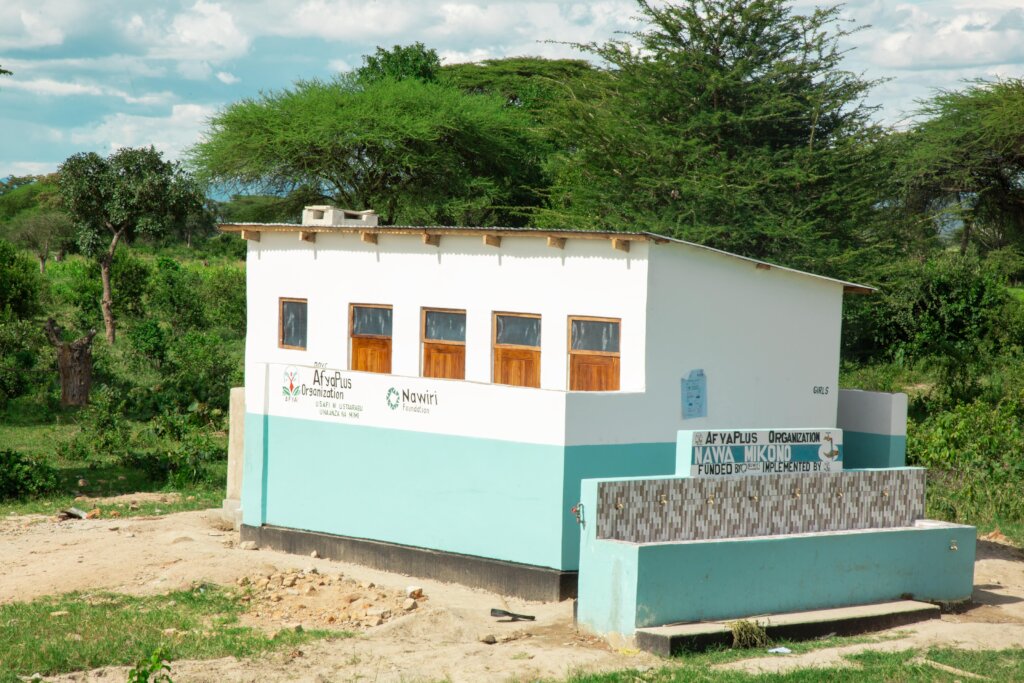
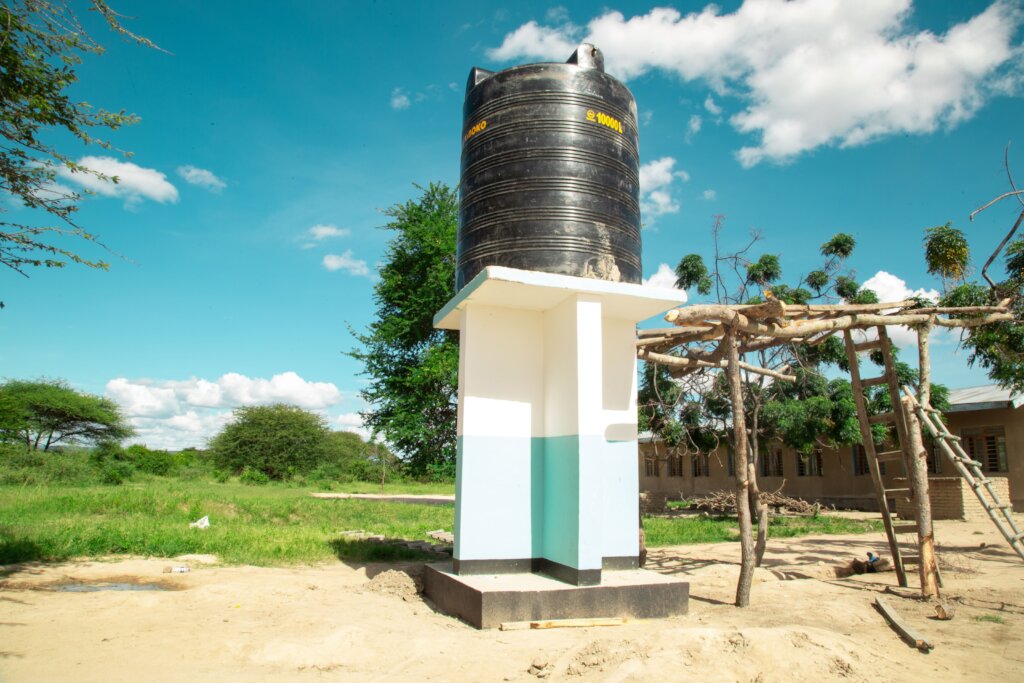
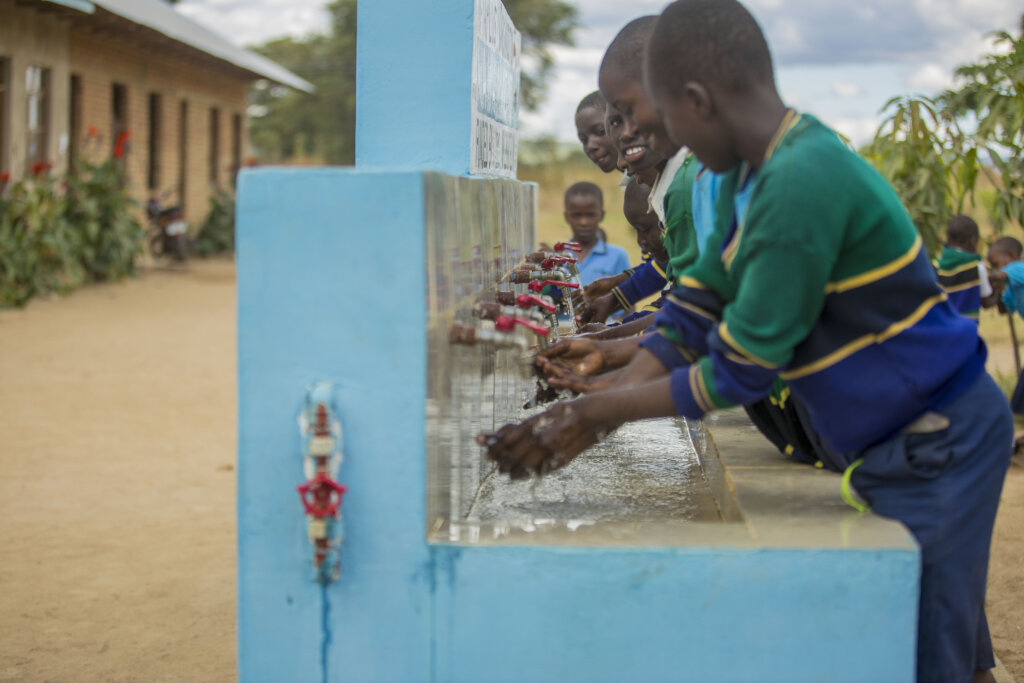
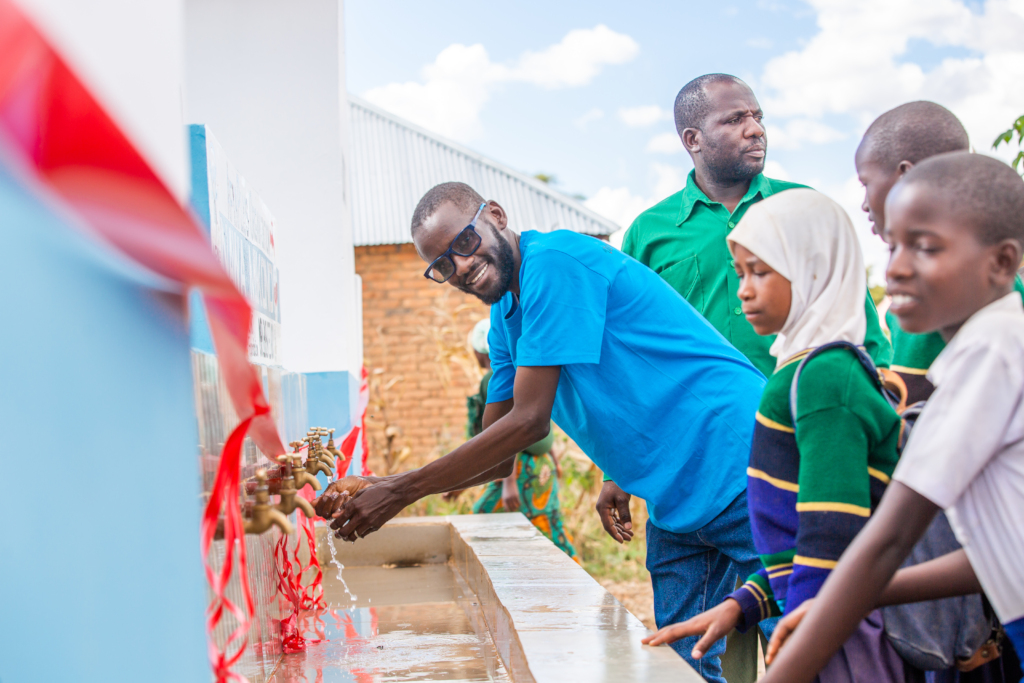
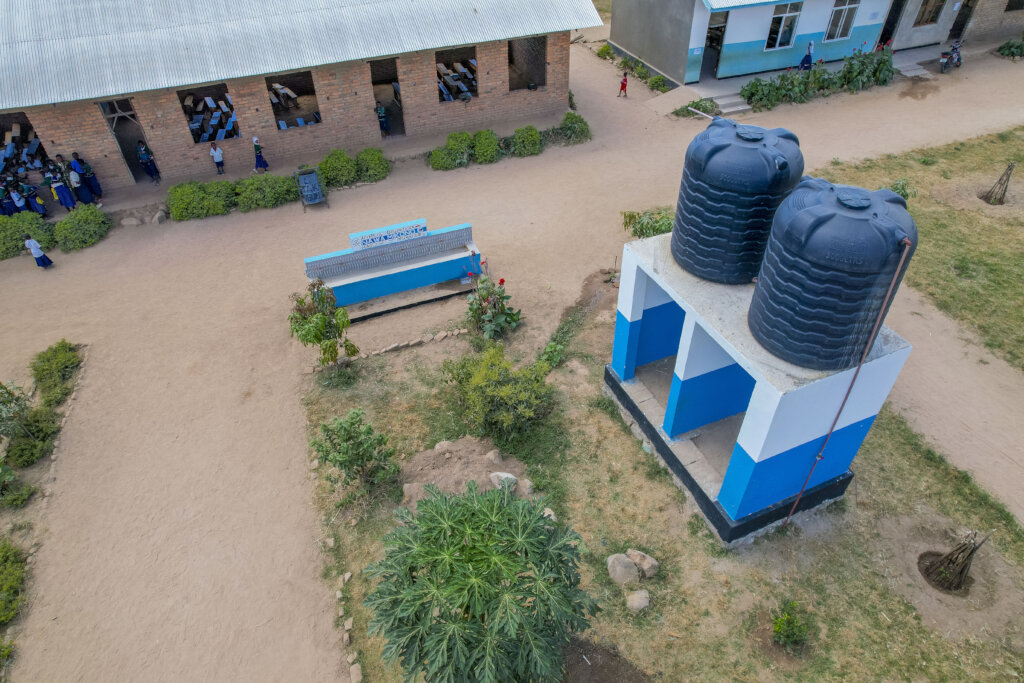
During this Quarter, significant progress was made at Mapogoro B Primary School. This quarter marked a turning point in the school’s WASH situation as physical infrastructure began to take shape, bringing hope and practical solutions to long-standing challenges. Afyaplus successfully initiated and completed the construction of two handwashing stations within the school compound. In addition, a reliable water distribution system was installed, ensuring that water could be accessed within the school environment rather than requiring long-distance travel.
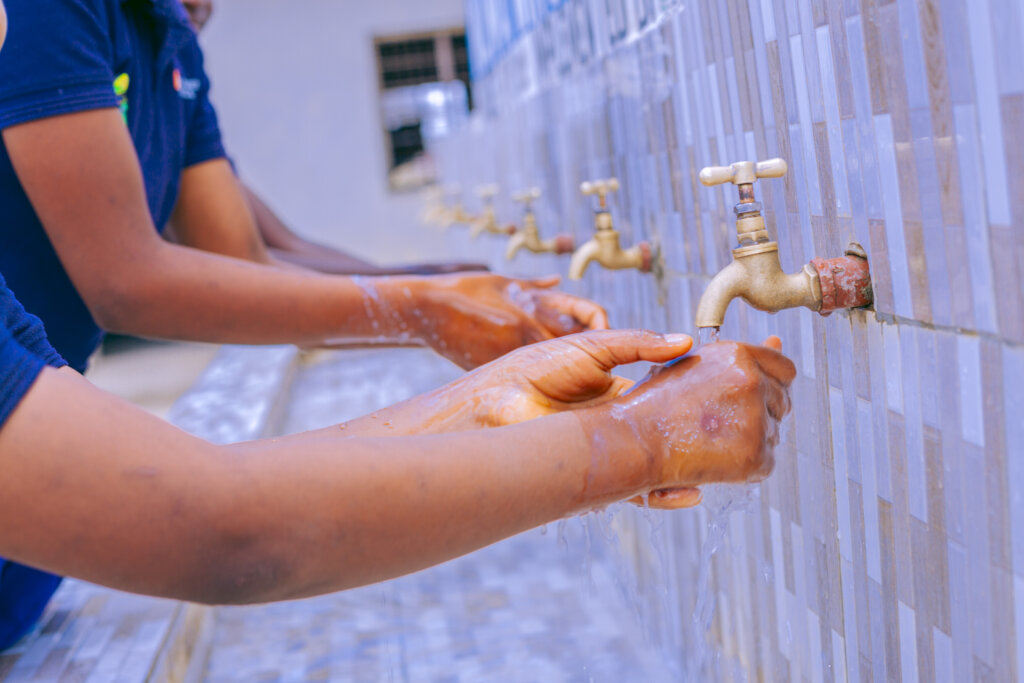
These developments represent more than infrastructure alone; they represent time regained, dignity restored, and learning conditions improved. The newly constructed handwashing stations are strategically placed to serve students efficiently, enabling them to wash their hands conveniently before and after meals as well as after using sanitation facilities. The installation of a water system across the school campus has significantly reduced the burden of water collection and improved accessibility for all school users.
As a result of these interventions, the project directly benefits 478 students, including 223 boys and 254 girls. These learners now experience a transformed school environment where access to water is no longer a barrier to hygiene or learning. The availability of handwashing facilities has encouraged improved hygiene behavior among students, while also supporting broader efforts to reduce hygiene-related illnesses within the school community.
However, infrastructure alone does not create lasting change. Recognizing this, Afyaplus continues to implement the software component of the School WASH (SWASH) approach, which focuses on behavior change, hygiene education, and student engagement. Through this approach, Community-Based Trainers play a central role in ensuring that students not only have access to facilities but also understand how and why to use them effectively.
During this reporting period, Community-Based Trainers continued delivering hygiene and sanitation awareness sessions within the school. These sessions are designed to educate students on the importance of handwashing, safe sanitation practices, menstrual hygiene management, and general environmental cleanliness. In addition, the trainers have been actively supporting the establishment and strengthening of SWASH Clubs within the school. These clubs are student-led platforms that promote hygiene awareness and encourage peer-to-peer learning, ensuring that behavior change is sustained beyond formal training sessions.
The SWASH Clubs have become an important mechanism for fostering leadership among students. Children are now actively participating in hygiene promotion activities, sharing knowledge with their peers, and taking responsibility for maintaining cleanliness within their school environment. This participatory approach strengthens sustainability because it builds ownership among learners themselves, rather than relying solely on external intervention.
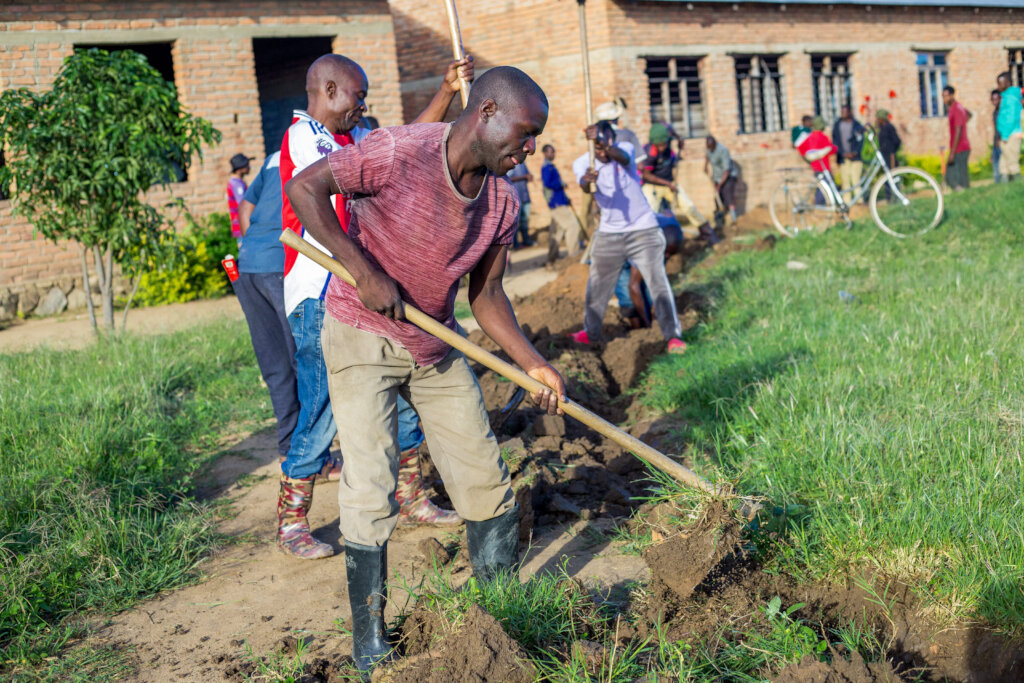
Community involvement has also been a key pillar of this project. Afyaplus strongly believes that sustainable development can only be achieved when communities are actively engaged in every stage of implementation. For this reason, community members were involved from planning through to execution and monitoring of project activities. Their contribution has been both financial and practical. The community contributed approximately five percent of the total project implementation costs and also provided labor and manpower support during construction activities. This level of participation has strengthened ownership of the project within the local community. When people contribute their own resources, whether financial or physical, they develop a stronger sense of responsibility for the maintenance and protection of the infrastructure. This ensures that the facilities installed are not only used but also preserved for long-term benefit. The involvement of local stakeholders, including school leadership and community members, has also improved coordination and accountability throughout the implementation process.
The impact of the project during this quarter is already visible and significant. Students now spend less time fetching water and more time learning in classrooms. The availability of handwashing facilities has improved hygiene practices and reduced the risk of disease transmission. Teachers are able to manage classrooms more effectively without the disruption of water shortages. The overall school environment has become more conducive to learning, health, and dignity.
Beyond immediate outcomes, the project is also contributing to long-term behavioral change. Students are increasingly adopting regular handwashing habits and demonstrating greater awareness of hygiene practices. Through SWASH Clubs, these behaviors are being reinforced continuously, ensuring that knowledge translates into consistent action. This combination of infrastructure and education is essential for achieving sustainable impact.
Despite these achievements, the implementation process has not been without challenges. Transportation of construction materials and coordination of logistics required careful planning due to the school’s location and resource constraints. However, through strong collaboration between Afyaplus, the school administration, community members, and local stakeholders, these challenges were effectively managed. This experience has reinforced the importance of partnership and local engagement in development projects.
Looking ahead, Afyaplus will continue to strengthen the software component of the project by expanding hygiene education sessions and supporting the growth of SWASH Clubs. Regular monitoring of infrastructure usage will also be conducted to ensure sustainability and functionality. The organization remains committed to ensuring that every child not only has access to clean water and sanitation facilities but also benefits from a learning environment that supports health, dignity, and academic success.
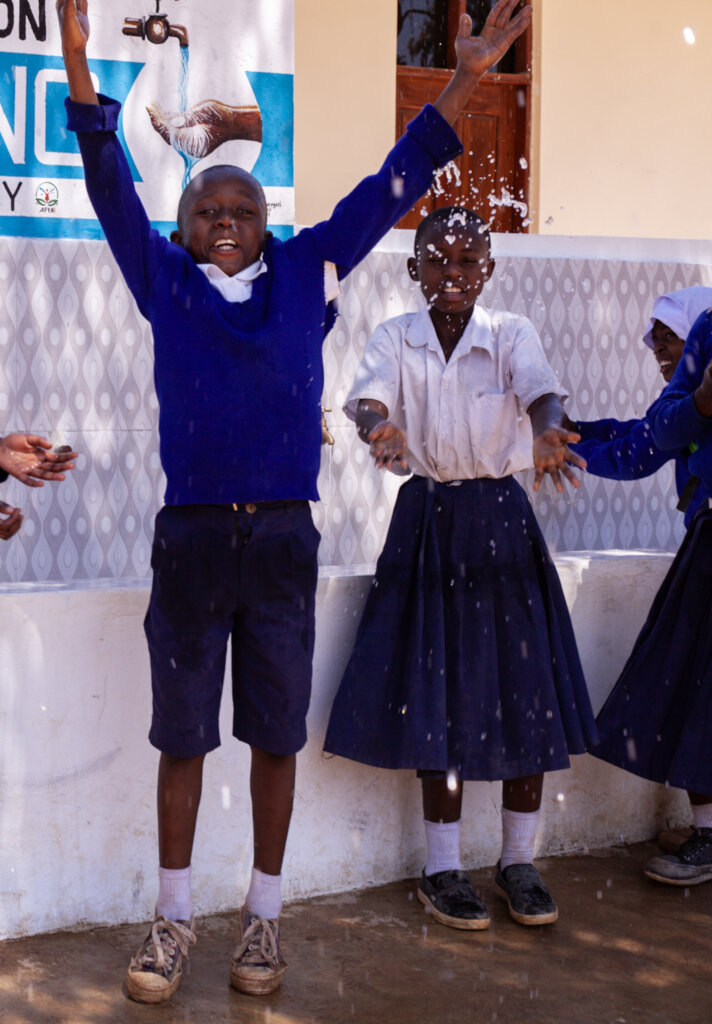
From the bottom of our hearts, we extend our deepest gratitude to all donors, partners, and supporters who have made this progress possible. Your contributions have directly transformed the daily experiences of children at Mapogoro B Primary School. What was once a daily struggle for water has now become a story of progress and hope. Children are now washing their hands with confidence, learning in a healthier environment, and looking forward to a brighter future filled with opportunity.
This impact is not only about infrastructure; it is about restoring time, improving health, and creating conditions where children can thrive. Every contribution has played a vital role in bringing this vision closer to reality. Together, we are demonstrating that access to clean water and hygiene is not a privilege but a necessity that every child deserves.
We remain committed to expanding this work to more schools and reaching more children who continue to face similar challenges. With continued support, we believe that sustainable change is not only possible but achievable at scale.
Thank you for believing in this mission and for standing with us in building Clean Water, Healthy Futures for all children.
Links:
Project reports on GlobalGiving are posted directly to globalgiving.org by Project Leaders as they are completed, generally every 3-4 months. To protect the integrity of these documents, GlobalGiving does not alter them; therefore you may find some language or formatting issues.
If you donate to this project or have donated to this project, you can receive an email when this project posts a report. You can also subscribe for reports without donating.



Support this important cause by creating a personalized fundraising page.
Start a Fundraiser