Project Report
| Jun 12, 2026
Clean water access for Rural communities in Tororo
By Henry Okumu | Project Leader
Clean Water Creating Better Futures for Children
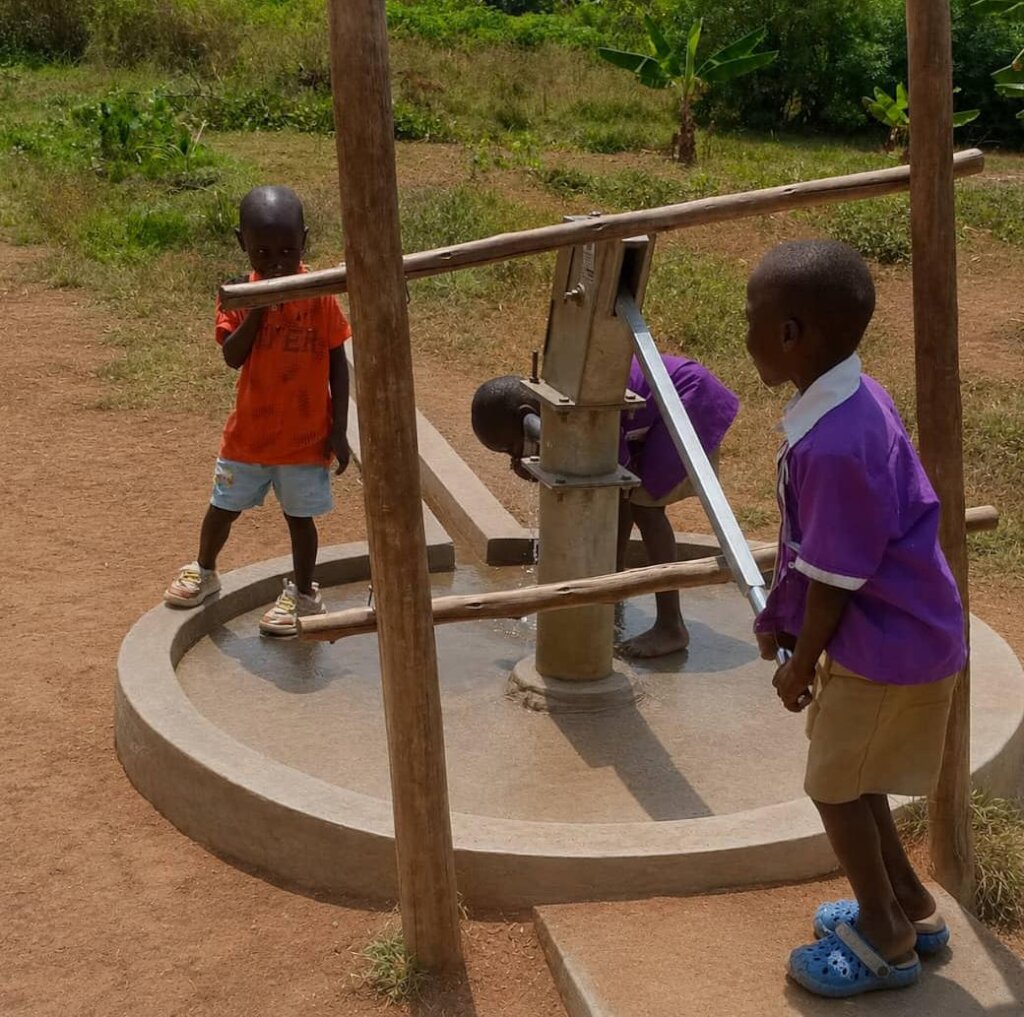
Children continue to experience some of the greatest benefits from improved access to clean and safe water in Tororo District. Before project interventions, many children spent significant portions of their day helping collect water from distant and unsafe sources.
Today, more children are attending school regularly because water is available closer to home. Parents report that students have more time for studying, homework, and participation in extracurricular activities. Teachers have also observed improved attendance and concentration among learners.
Health improvements are another major benefit. Access to safe drinking water and improved hygiene practices has contributed to fewer cases of diarrhea and other water-related illnesses. Healthy children are better able to learn, grow, and reach their full potential.
School-based hygiene education programs continue teaching students the importance of handwashing, sanitation, and environmental cleanliness. These young learners often share their knowledge with family members, helping spread positive practices throughout their communities.
The impact of clean water extends far beyond the classroom. It provides children with opportunities for better health, education, and personal development. Every child deserves the chance to grow up in a safe and healthy environment, and your support is helping make that vision a reality.
Jun 12, 2026
Clean water access for Rural communities in Tororo
By Henry Okumu | Project Leader
Community Participation Driving Sustainable Water Solutions
Community participation continues to be one of the strongest foundations of our clean water initiative in Tororo District. Sustainable development is most effective when local residents actively contribute to planning, implementation, and management efforts.
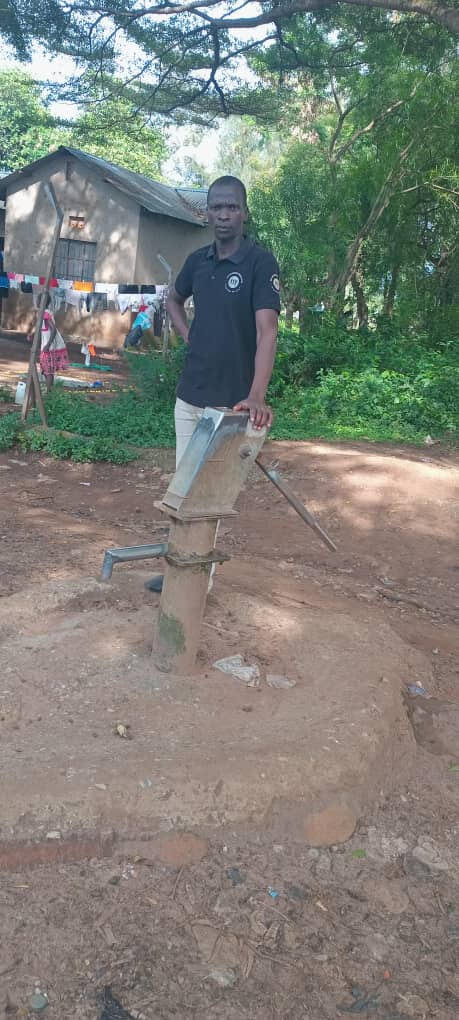
During this quarter, community members participated in meetings, awareness campaigns, and water management activities designed to strengthen ownership of local water resources. Water user committees continued receiving guidance on leadership, accountability, and maintenance planning.
Residents have embraced their role in protecting water sources from contamination and ensuring that facilities remain functional. Community volunteers organized clean-up activities around water points and encouraged households to maintain high standards of hygiene and sanitation.
Local leaders report increased community cooperation and stronger commitment to safeguarding shared resources. These efforts have contributed to improved sustainability and greater confidence in the long-term success of the project.
The involvement of beneficiaries at every stage of implementation helps ensure that water facilities address local needs and remain effective over time. Communities recognize that clean water is a shared responsibility and are committed to preserving these resources for future generations.
We thank all supporters who continue to empower rural communities through investments in sustainable water solutions.
Jun 12, 2026
Clean water access for Rural communities in Tororo
By Henry Okumu | Project Leader
Expanding Access to Safe Water for Remote Villages
Access to clean and safe water remains a challenge for many remote villages in Tororo District. During this reporting period, our project continued reaching underserved communities where families have historically depended on unsafe water sources such as ponds, seasonal streams, and unprotected wells. These sources often expose households to waterborne diseases and require long journeys to access.
With the continued support of generous donors, communities are benefiting from improved access to reliable water sources closer to their homes. Families report spending less time collecting water and more time focusing on productive activities such as farming, education, and childcare. The reduction in travel time has been particularly beneficial for women and children, who traditionally bear the responsibility of water collection.
Community leaders have worked closely with residents to promote responsible water use and encourage local ownership of water facilities. Water management committees continue to monitor the condition of water points and coordinate routine maintenance activities.
Health workers have observed improved hygiene practices among households that now have access to safe water. Families are using clean water for drinking, cooking, and handwashing, contributing to healthier living conditions.
While challenges remain, the progress achieved demonstrates the importance of continued investment in rural water infrastructure. Together, we are helping ensure that even the most remote communities can enjoy the dignity, health, and opportunities that come with access to clean and safe water.