By Jangwoo Lee | Program unit
Support Required for Child Quake Victims
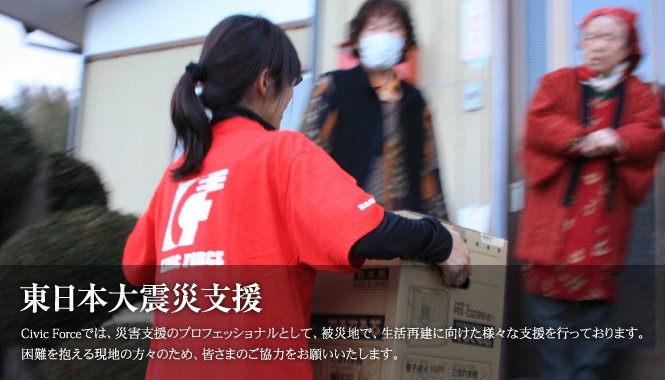
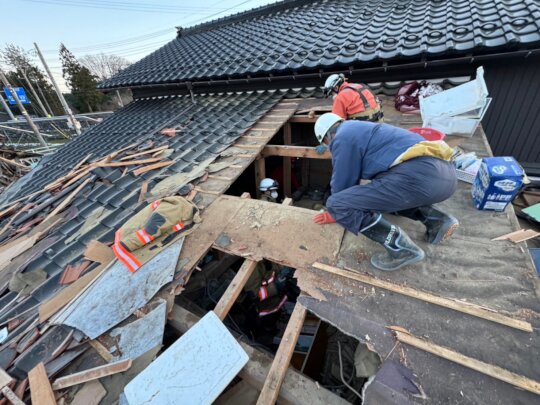
Two years and five months have passed since the March 11 GreatEast Japan Earthquake. The damage by this unprecedented disasterwas enormous. More than 15,000 people were killed and an estimated290,000 or more are still unable to return to their homes and are put up in temporary housing set up by the government, existing private and public housing, evacuation centres or are living with friends orrelatives. (Source: Reconstruction Agency website)
One of the biggest concerns in the affected areas is the impact ofprolonged life in refuge on children, our bearers of hope for thefuture. Due to the earthquake, many children find it difficult to continue their studies as the finances of their families came understrain: The breadwinners of their families may have died, gonemissing, become injured or ill, or lost their jobs from the disaster.Many families also suffered financial losses from the destruction oftheir homes – Some houses collapsed, were burnt down, or were damaged by the floods. Aside from the decline in their academic achievements, children also suffer from mental and emotional stress.
On the other hand, those children’ s parents are always on edge– Some are overwhelmed with worries about the future, some became sensitive to noises while some are depressed. These problems inevitably affect the children.
According to the 2012 data released by the Ministry of Health,Labour and Welfare, cases of child abuse were on the rise in the disaster areas. To stop the vicious cycle of suffering, more deliberate support is necessary to help tackle the individual problems faced by each victim.
As part of the Mid- to Long-Term Reconstruction Project ofCivic Force, the Dream Support Project was set up in March 2013to provide scholarships and educational programs for high schooland university students affected by the earthquake. As of July2013, 895 scholarships have been given out.
In the summer holiday season of July and August this year, an experiential learning program was organised for scholarship holders in cooperation with local NPOs which have been working with Civic Force in the north-eastern region of Japan. Through discussions with the local NPOs and youths of similar age, the program hopes to broaden the views of the participants and give them strength tolive life to the fullest.
This monthly Report features the three-day exchange program organised by the Japan Forest Biomass Network at the Tenohira niTaiyo no Ie, or House of Sunshine in Your Hand (in short House of Sunshine), a facility that supports children living the Fukushima area.
If you need further information, please find attachment and our homepage(www.civic-force.org).
Project reports on GlobalGiving are posted directly to globalgiving.org by Project Leaders as they are completed, generally every 3-4 months. To protect the integrity of these documents, GlobalGiving does not alter them; therefore you may find some language or formatting issues.
If you donate to this project or have donated to this project, you can receive an email when this project posts a report. You can also subscribe for reports without donating.