By Constance Hunt | Executive Director
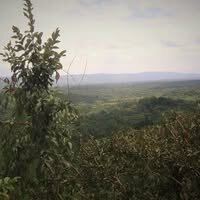
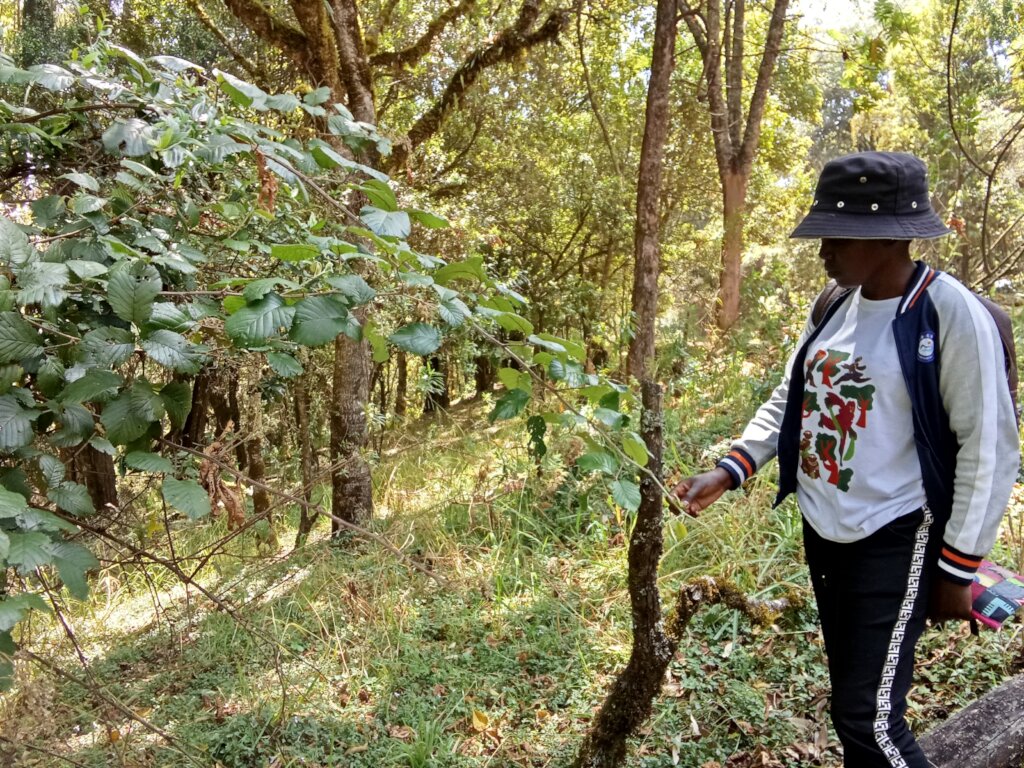
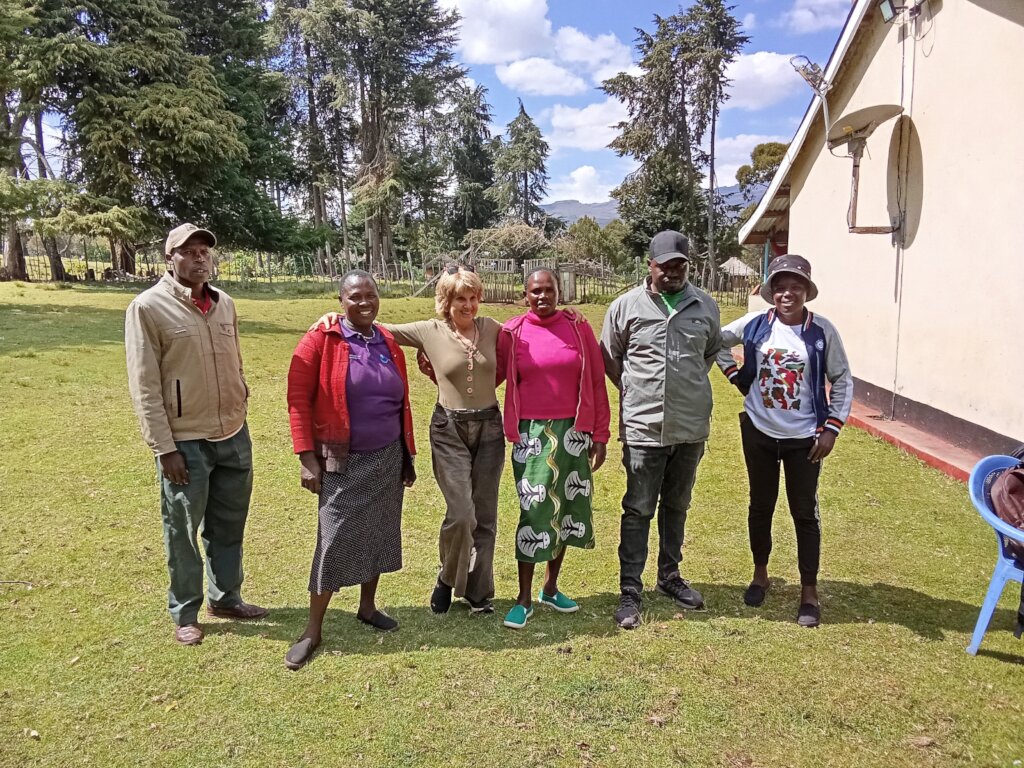
KWENCH welcomed the New Year with a scoping mission to 2 of our target ecoregions - Mt. Elgon and Lake Victoria. Starting in Kitale, at the foot of Mt. Elgon, I met a member of the Cheptikale Indigenous People Development Project (CIPDP), the Ogiek group that won a landmark court case defending indigenous land rights in 2022. I spent the weekend of 3-4 January 2026 at the Ogiek Laboot spiritual and cultural center in the high altitude (3,300m), Chepkitale moorlands of Mt. Elgon, learning about indigenous medicinal plants, many of which are effective in treating cancer and HIV/AIDS.
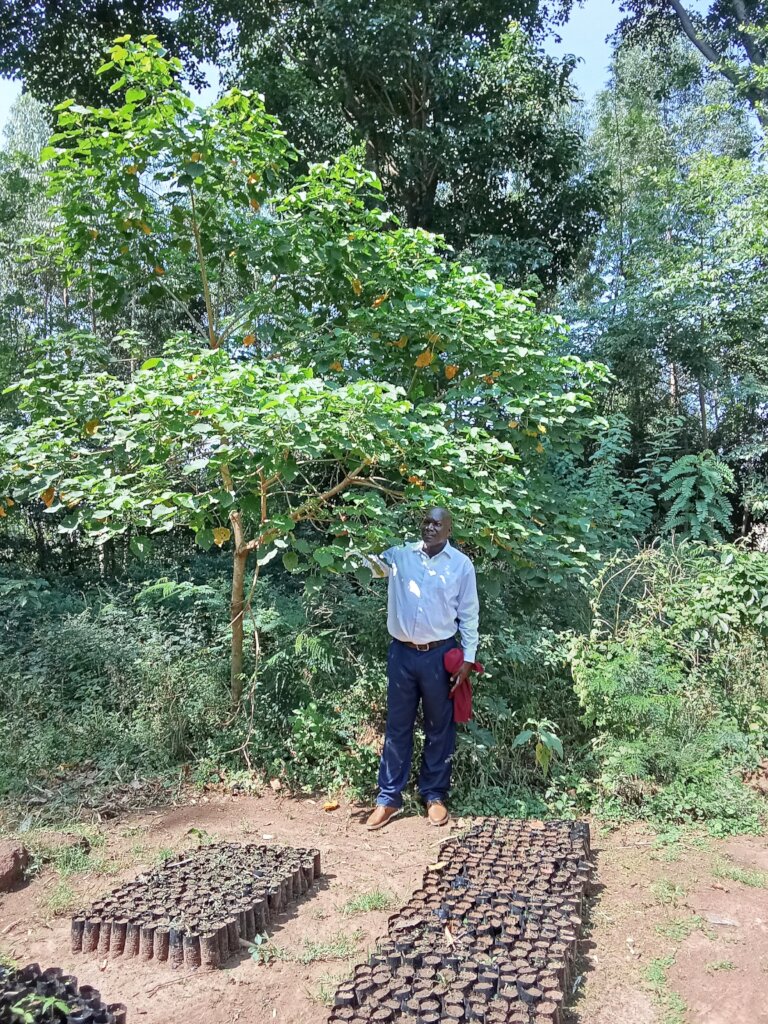
On January 5, I met Kenya Forest Service (KFS) Forester Eric Abunga at the KFS Bungoma station. We discussed reproduction of Mt. Elgon medicinal plants in nurseries at several elevations on the mountain, including Laboot and the KFS nurseries at Kapsokwony (1,971-2,044m) and Sangalo (~1,500m), which he took me to visit. The astounding mosaic of Mt. Elgon plants sprung from a wide variety of soils and climates; successfully reproducing them will require growing seedlings in their natural soils at appropriate elevations/climatic conditions.
My friends, senior board operations officer for the World Bank, Morrison Muleri and his lovely wife, Melissah, met us at KFS Bungoma that afternoon. Victor Samuel Okello, the preeminent expert on Mt. Elgon indigenous medicinal plants, joined us for a strategy sesson about developing medicinal, plant-based value chains rooted in the Ogiek community to strengthen their incentives for ecosystem conservation. Through CIPDP, we will also be working with the Benet indigenous community on the Uganda side of the mountain. The regulatory framework governing the use of traditional and alternative medicines is being established in Kenya under the Health Act No. 21 of 2017 and draft regulations governing traditional and alternative medicines.
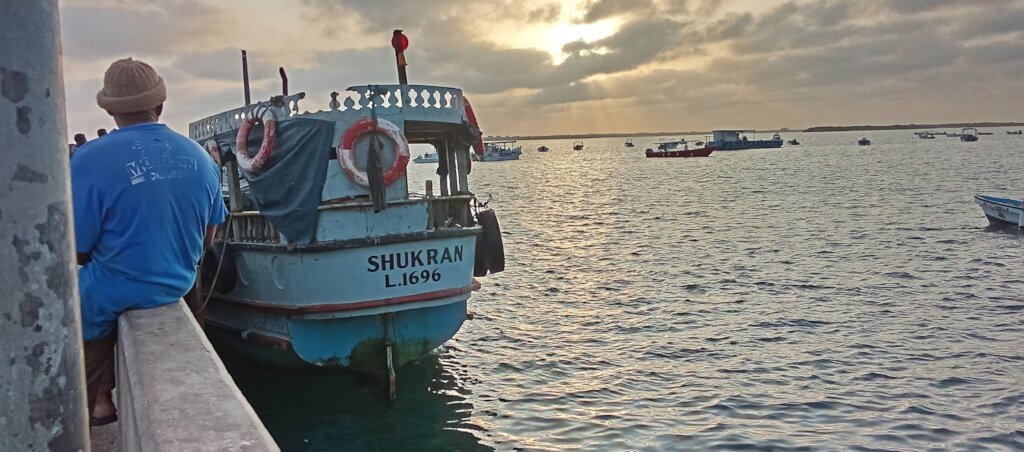
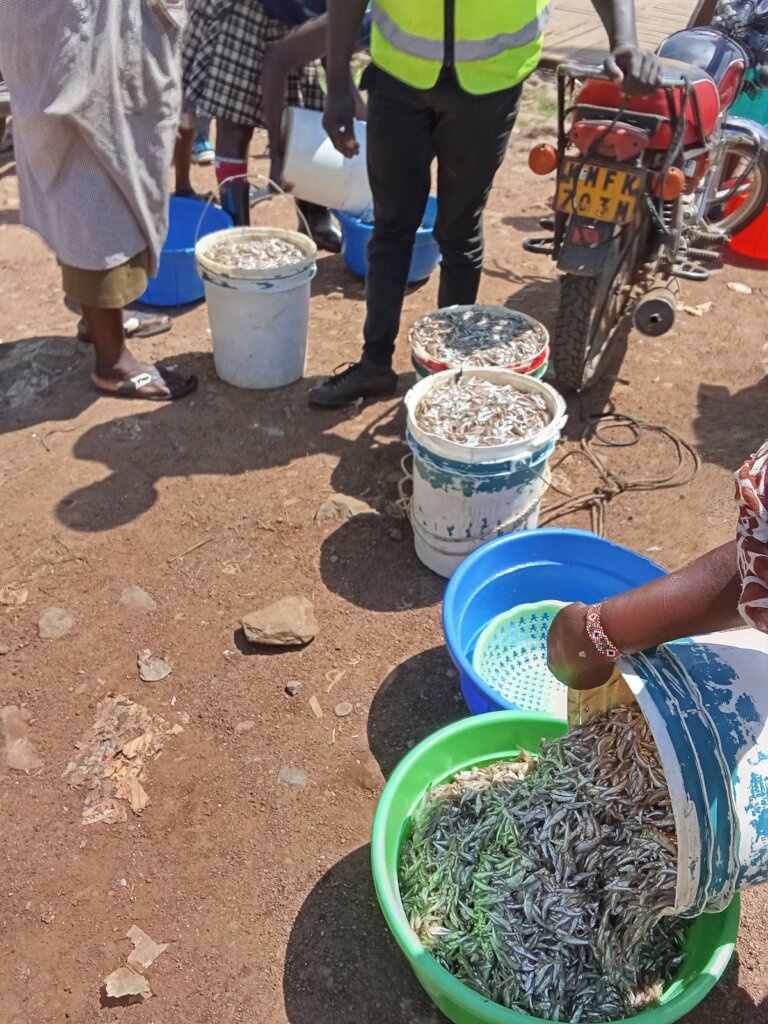
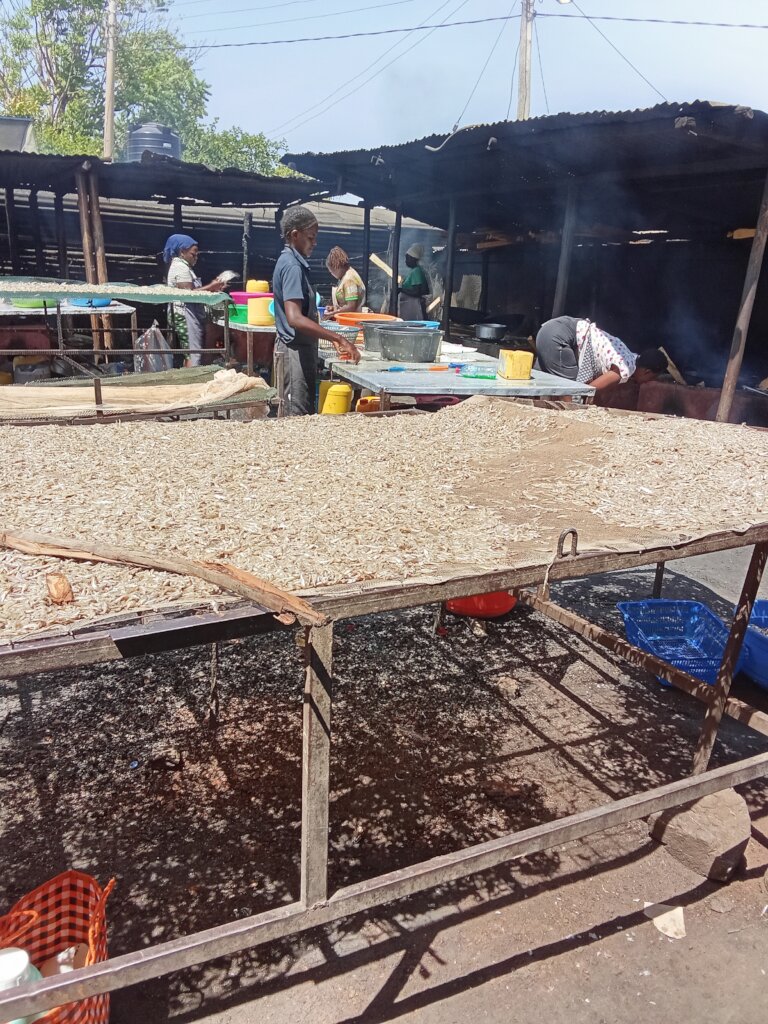
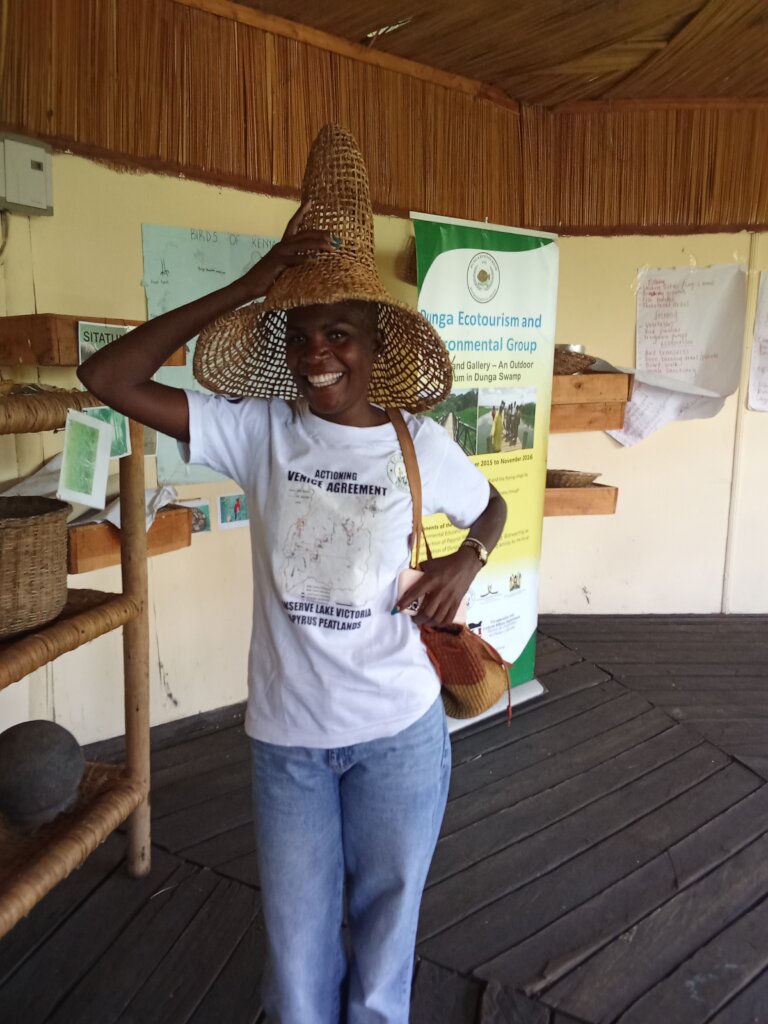
Morrison, Melissah and I then drove to Kisumu to scope Lake Victoria value chains, which will include omena (Rastrineobola argentea) and haplochromine cichlids. The omena value chain will be fairly simple to develop as the Dunga Beach Beach Management Unit (BMU) is operating a large processing center where members dry and package the small, sardine-like fish for local sale and export. We intend to collaborate on production and sales of a nutritional flour composed of dried, ground omena mixed with millet and sorghum flours. The compound flour, known as "Uji Power," is highly nutritious, flavourful and widely used in East Africa to make porridge, particularly for children. "Lake Victoria Uji Power" has high potential for export to African diaspora and African-descended communities, as well as health-conscious consumers around the world.
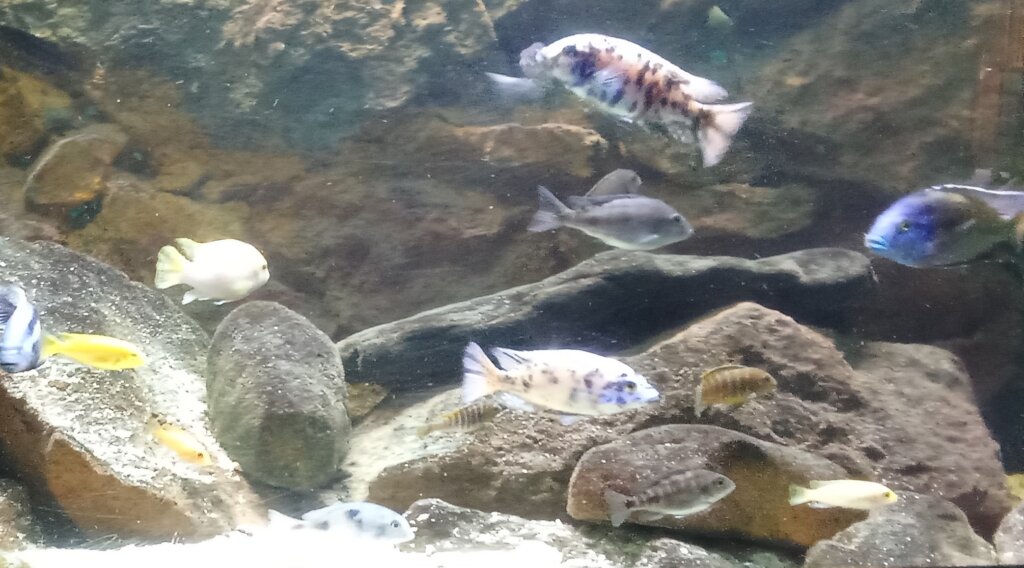
Haplochromine cichlids are colorful, freshwater fish appropriate for the freshwater aquarium hobby sector. As more people around the world move to small apartments in urban centers, the demand for petite pets is increasing. Representives of Conservation International and the NGO, Ecofinder Kenya, which is restoring vital wetlands around the lake, introduced us to officers of the Kenya Fisheries Service (KeFS) and Kenya Marine and Fisheries Research Institute (KeMFRI) to learn about the regulatory requirements and available facilities for breeding them in captivity.
Haplochromine cichlids surpass Darwin's finches in their adaptive radiation; hundreds of species have evolved in Lake Victoria. They are specific to various lake environments: some hover over sand, others over mud or boulder fields; some species hide out amidst aquatic vegetation or in underwater caves and rock crevices. Their habitat "preferences" are driven by their breeding, feeding and predator avoidance strategies. They are so highly specialized that one species feeds from the right side of a larger fish while another species feeds from the left. KeMFRI's Kisumu facility is outfitted with set of aquariums, where we plan to replicate a variety of breeding habitats for the widest possible variety of haplochromine cichlid species.
There is potential synergy between KWENCH's circular economy approaches in the two, very different ecosystems. Declines in Lake Victoria fisheries caused by overexploitation and habitat degradation have forced many women formally employed in fish processing & sales to resort to prostitution. Rates of HIV/AIDS infections have skyrocketed as a result. High HIV rates increase the incidence of cancer by supressing the immune system. "AIDS-Defining Cancer," including cervical cancer, non-Hodgkin lymphoma and Kaposi saricoma, are increasing in Kenya, with high rates of HIV-associated Kaposi saricoma recorded in western Kenya.The recent closing of USAID facilities across Africa has increased the difficulty of obtaining treatment for both HIV/AIDS and cancer. We hope that our project can demonstrate the value of indigenous plants for offering affordable and ecologically sustainable health solutions to the artisanal fishing community, to cash-strapped Kenyans generally, to communities beyond Kenyan borders and across oceans.
We have only just begun our work on the Circular Economy Pilots, with three more ecoregions (Eastern Arc Mountains, Karamoja Cluster and Kenya Tanzania Transboundary Conservation Area) left to scope out. Please support our efforts to create a counter-current of sustainable, ecosystem-compatible production in this increasingly transactional world.
Project reports on GlobalGiving are posted directly to globalgiving.org by Project Leaders as they are completed, generally every 3-4 months. To protect the integrity of these documents, GlobalGiving does not alter them; therefore you may find some language or formatting issues.
If you donate to this project or have donated to this project, you can receive an email when this project posts a report. You can also subscribe for reports without donating.



Support this important cause by creating a personalized fundraising page.
Start a Fundraiser