By Maria Witjaksono | IAHPC Member, VP Indonesian PCA
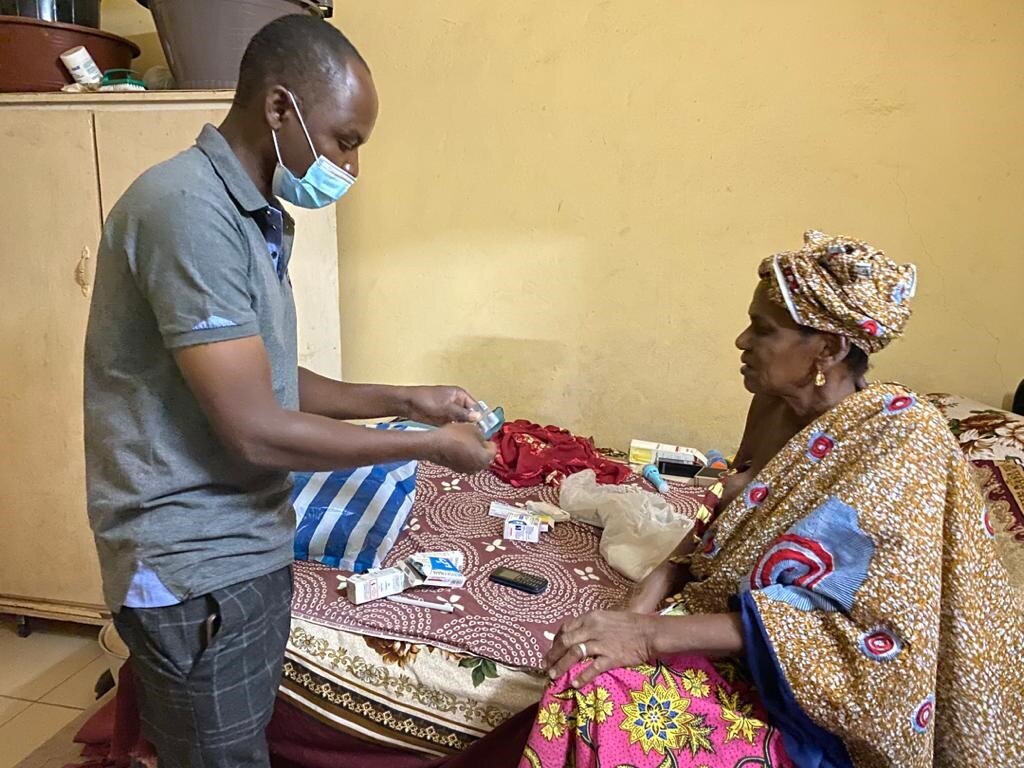
An intensive basic palliative care training program in Indonesia the past few years has educated 1,500 healthcare professionals. Observation and informal interviews with many trainees revealed significant barriers to initiate palliative care exist in all levels of healthcare services. In March 2025 the Dharmais National Cancer Center (NCC) launched Project ECHO, a yearlong program to formally monitor and evaluate the development of palliative care in the trainees’ institution and to support clinical practice. The results are now being assessed.
Project ECHO (Extension for Community Health Care Outcomes) is a collaborative medical education model that aims to build workforce capacity in rural and underserved areas; it addresses managerial levels of response and support, availability of opioids, response from the community, and clinical challenges in delivering palliative care.
Project ECHO is a crucial step to ensure that Indonesia’s program of palliative care integration in national health services can be delivered in accordance with a 2023 amendment to the health law. The law now states the government’s commitment to providing high-quality palliative care throughout the country—including identifying sources of funding—but lacks an implementation plan or timeline to provide it.
Although palliative care is included in the national insurance program, reimbursement rates fall short of actual care costs and excludes home care, impeding institutions from setting up palliative care services.
As a national cancer center under the wing of the Ministry of Health, Dharmais NCC has a responsibility to develop and to improve the country’s coverage and quality of palliative services. It has aided in development of training modules coordinated by the Ministry of Health and Balai Pelatihan Kesehatan/Bapelkes health training centers. Indonesia’s 2024 ImPACT study noted that Dharmais Cancer Hospital had the country’s only fully operational palliative care unit.
The imPACT study outlined a significant need for capacity building, calculating that over 20,000 doctors and an equal number of nurses providing primary healthcare require basic training, and palliative care teams in over 2,500 hospitals need at least intermediate-level training.
Indonesia was one of the founders of the Asia Pacific and Palliative Care Network, and the Indonesian Palliative Society was established in 1999 but only two of its 17 branches are active and palliative care here remains scarce, disproportionally distributed, and of an uncertain quality.
Indonesians have historically rejected palliative care because of misconceptions about its purpose, as well as a fear of opioids and the perception that palliative care severs a patient’s access to hospitals. Until recently, a significant barrier has been attitudes by oncologists that impede referrals due to the dilemma of palliative care being negatively viewed.
Pressure from peers, patients and their families make doctors hesitant to refer their patients to palliative care. Referrals are gradually improving, but remain a challenge. Educating religion leaders and family members, who are essential to decision making (Martina, 2023), could improve the implementation of palliative care.
Education and training are essential pillars of palliative care development. Despite recent intensive training, palliative care in Indonesia is still underdeveloped. Robust data about the barriers and a post-training monitoring system can help support a concrete plan for future development. The ECHO program is expected to facilitate the needed supports to ensure faster development of palliative care.
Project reports on GlobalGiving are posted directly to globalgiving.org by Project Leaders as they are completed, generally every 3-4 months. To protect the integrity of these documents, GlobalGiving does not alter them; therefore you may find some language or formatting issues.
If you donate to this project or have donated to this project, you can receive an email when this project posts a report. You can also subscribe for reports without donating.



Support this important cause by creating a personalized fundraising page.
Start a Fundraiser