By Mark McGuinness | Programme Manager
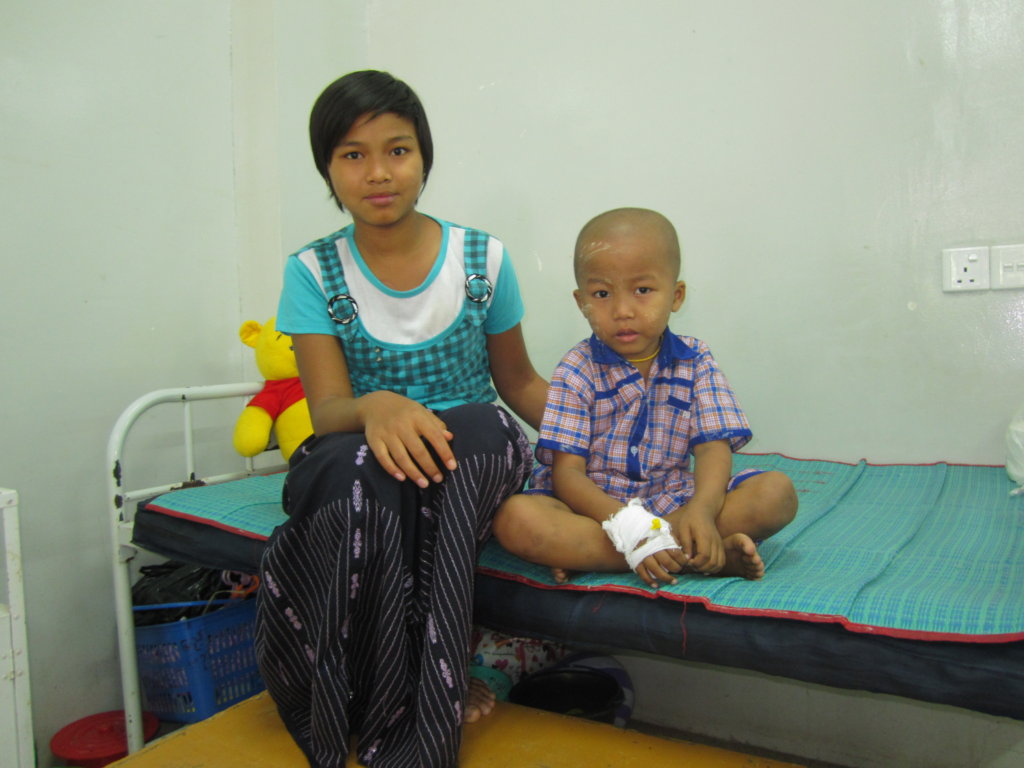
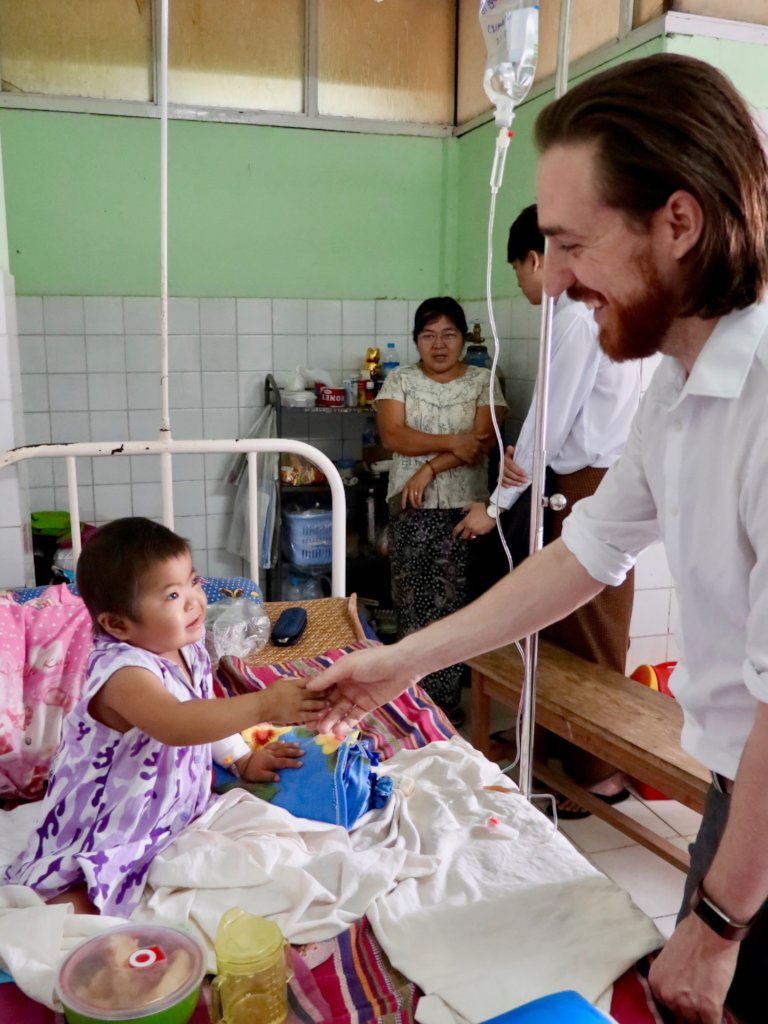
It was last month, on my first programme visit to Yangon Children’s Hospital in Myanmar, when I met plucky, 11-year-old Yaza. As a relatively new member of staff at World Child Cancer, it was also my first visit to a paediatric oncology unit. It was nerve-wracking. I wondered how I would react to seeing children and families going through some of the most difficult times of their lives.
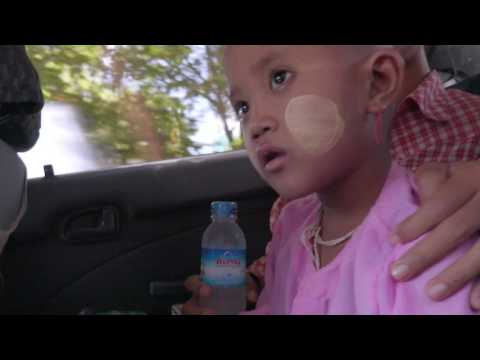
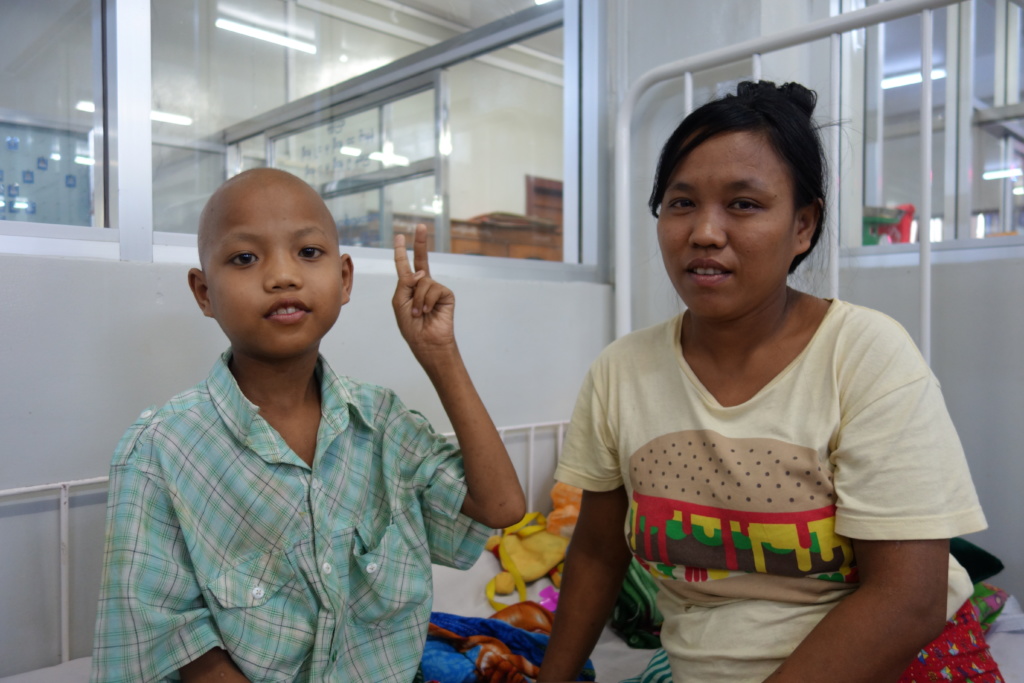
It was hard, but also inspiring. I was privileged to meet brave kids like Yaza who show amazing strength while going through the most gruelling treatment. Yaza lives in the small city of Bogalay in Southwest Myanmar with his parents and elder brother. It’s a three-hour drive from Yangon Children’s Hospital where he is receiving chemotherapy. Before his diagnosis, Yaza was just like the millions of other young boys across the world; a long, exciting future ahead of him. Then he started to suffer from breathing difficulties.
With Yaza’s father working in the rice fields, Chewa, Yaza’s mother, was left to travel to the nearest healthcare centre to help her son who was, by then, also developing high fevers. After several referrals, Chewa and her son finally reached Yangon Children’s Hospital.
“They told me my son had cancer, I never even knew that children could develop cancer. I felt so worried and cried all day.” Yaza had been diagnosed with acute lymphoblastic leukaemia – an aggressive cancer that affects the white blood cells.
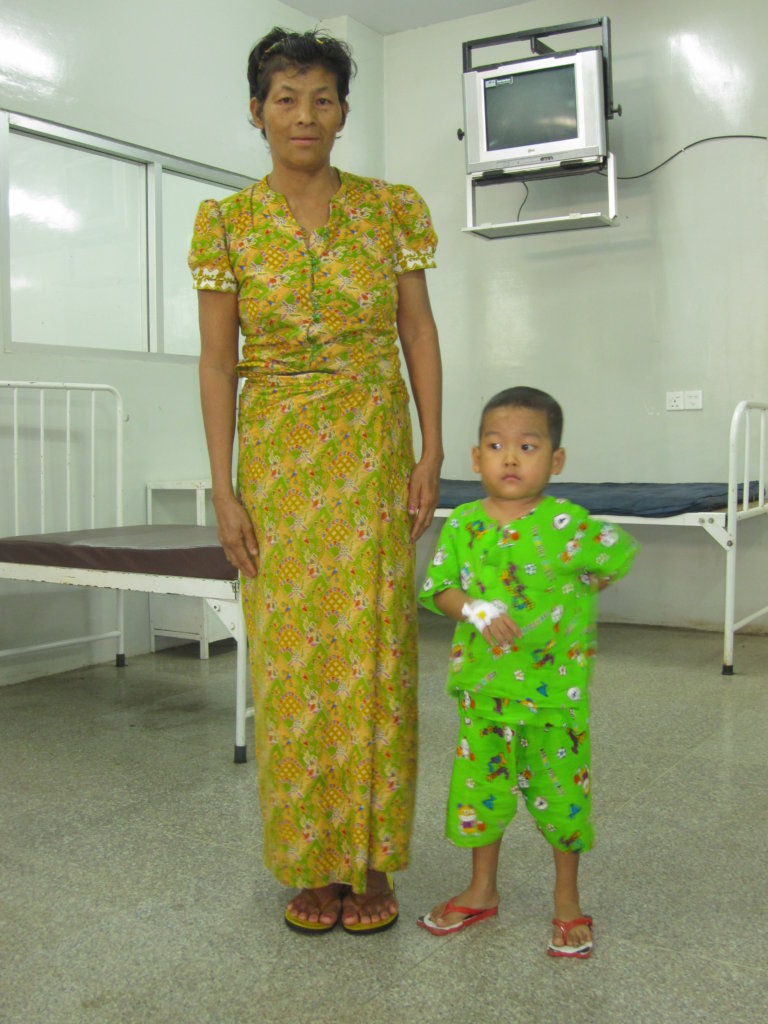
A determined mother, Chewa has stayed with her son at hospital for over two months now whilst Yaza receives chemotherapy. Yaza’s father continues to work and care for his other son, but spending so much time apart is a considerable hardship for the family; both emotionally and financially. With Chewa unable to work the rice fields, they are losing out on vital income.
Sadly, Yaza’s cancer has affected his memory; a blood clot in his brain has meant he forgets simple things like his favourite subject at school and even who his mother is.
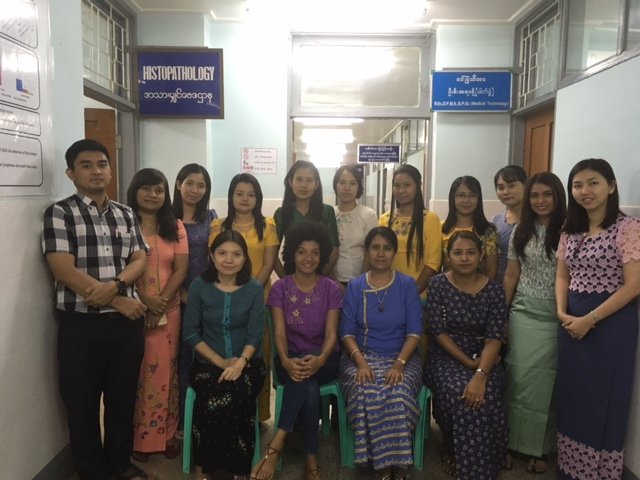
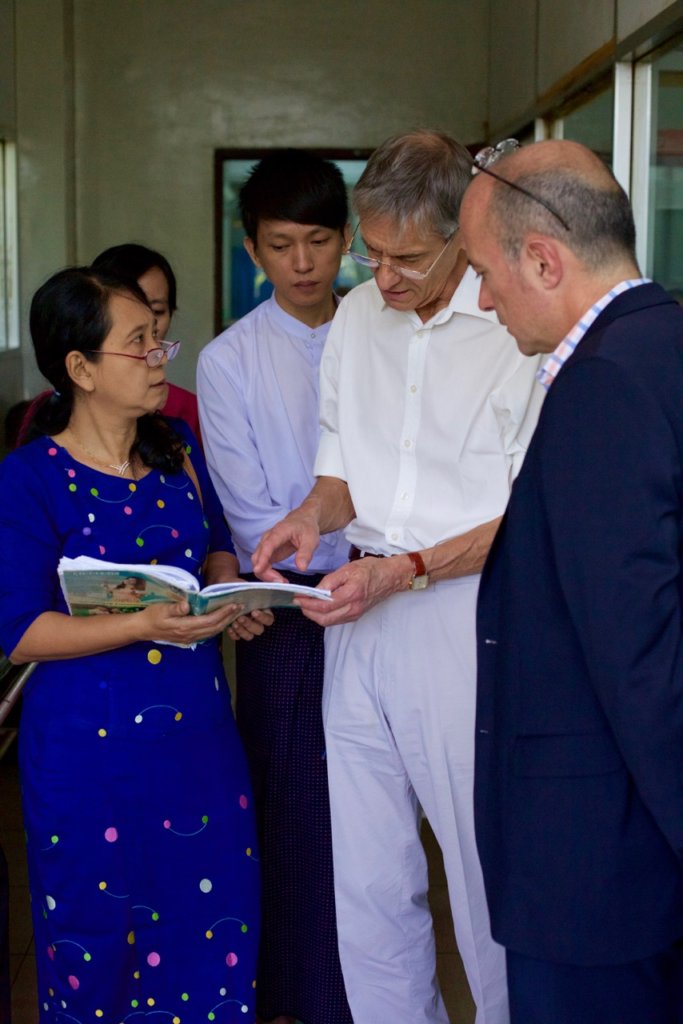
But there is hope for Yaza, and he is in capable hands at Yangon Children’s Hospital, which World Child Cancer has been supporting for four years now with notable impact. The quality of treatment being provided is high. I met with Dr Aye Aye Khaing whose work ethic and dedication to the paediatric oncology unit is admirable. It’s clear to see the team and hospital as a whole benefit greatly from her guidance; she is affectionately known as the mother of the unit.
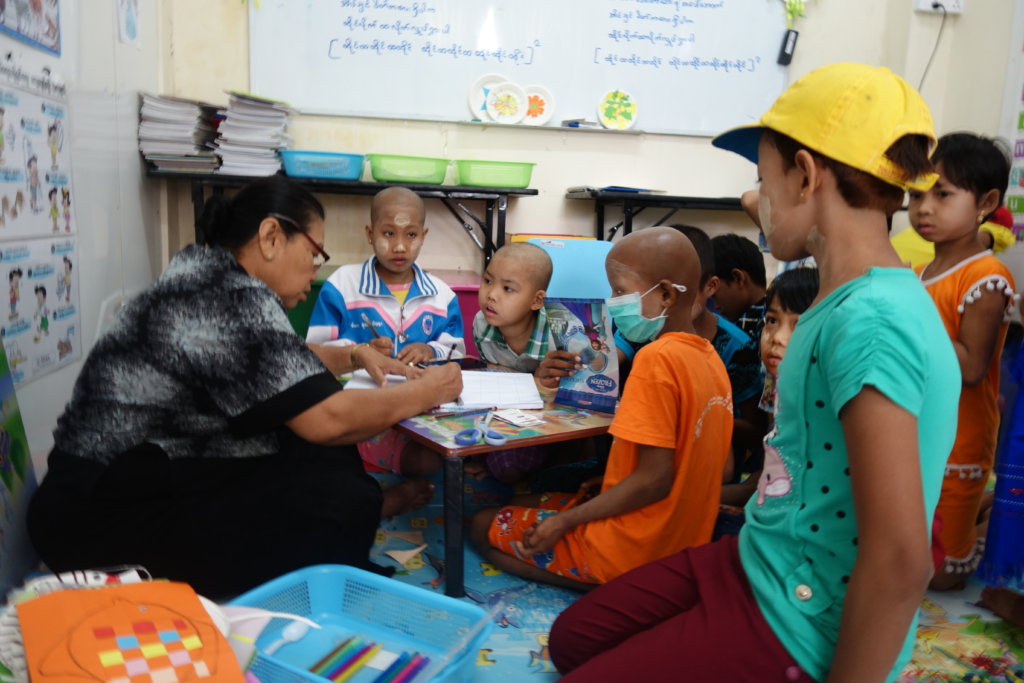
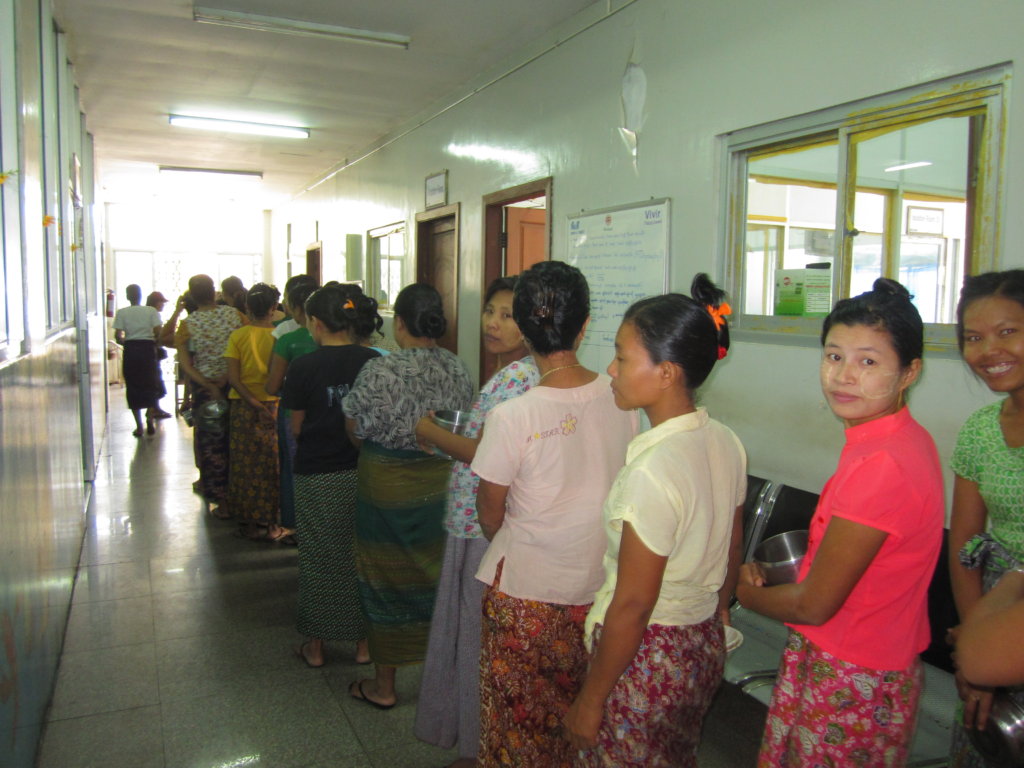
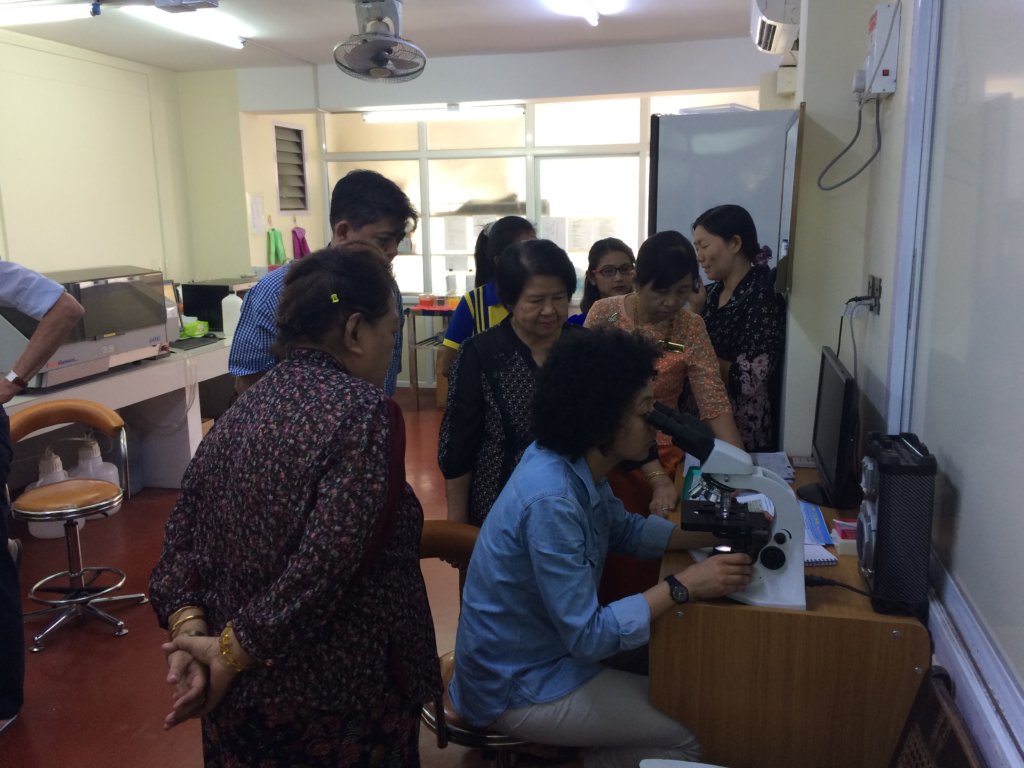
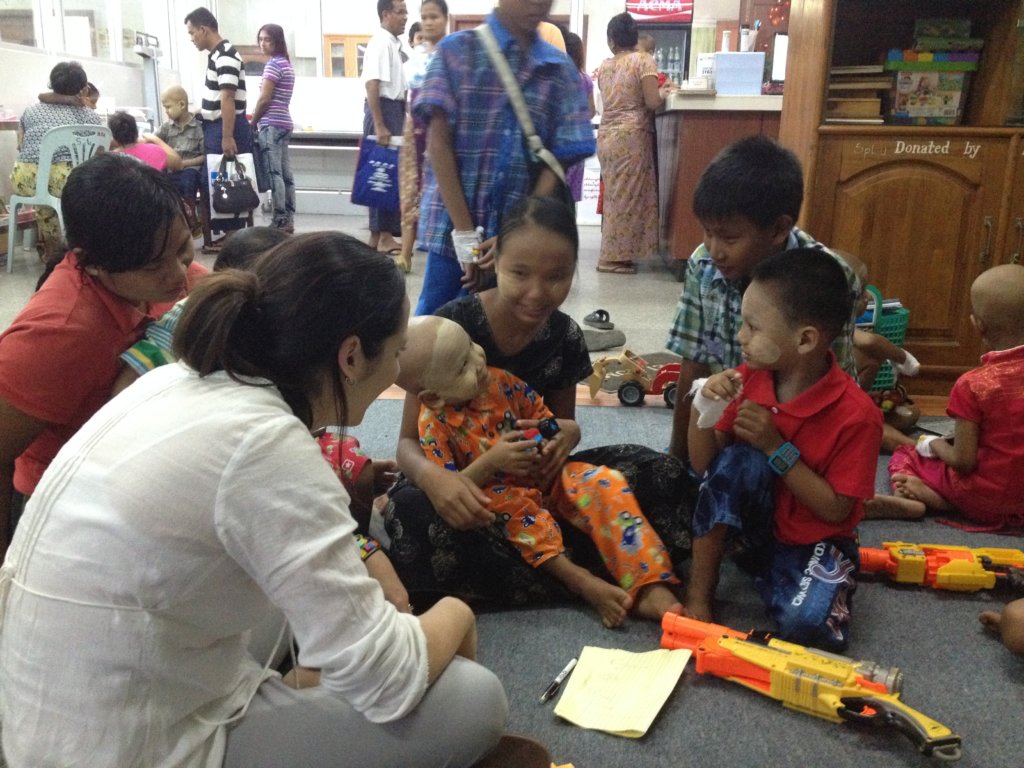
There are also challenges at the hospital. I was struck by the families’ reluctance to show and share their emotions with one another or with the staff who were on hand. Bearing the burden of having a child with cancer is daunting enough; worse that parents are dealing with it alone. WCC is supporting a volunteer Counsellor with extensive experience from Clic Sergeant, to spend the next three months in Myanmar to train hospital staff at Yangon and to help lift some of that burden. Her work aims to allow families and healthcare workers to learn to support each other through such hard times.
Speaking to the team at Yangon Hospital, it was clear that treatment abandonment is also a major issue and is disheartening for the staff on the ward. When a child begins to look or feel better, parents will often return home with their child without completing treatment. This is usually due to a lack of finances, with families unable to afford the cost of treatment, or losing income, whilst others simply do not understand how vital it is to complete treatment.
I came away from my first programme visit with a strong awareness for the challenges ahead but also with optimism for what we can achieve. Our future aims for Myanmar will involve improving services and supporting families further at Yangon Children’s Hospital, as well as extending our work to further paediatric oncology treatment centres in Myanmar, developing a new set of treatment guidelines and supporting the training of GPs across the country. With help from our supporters, we can give children in Myanmar the treatment and care that they need to battle cancer.
Links:
Project reports on GlobalGiving are posted directly to globalgiving.org by Project Leaders as they are completed, generally every 3-4 months. To protect the integrity of these documents, GlobalGiving does not alter them; therefore you may find some language or formatting issues.
If you donate to this project or have donated to this project, you can receive an email when this project posts a report. You can also subscribe for reports without donating.