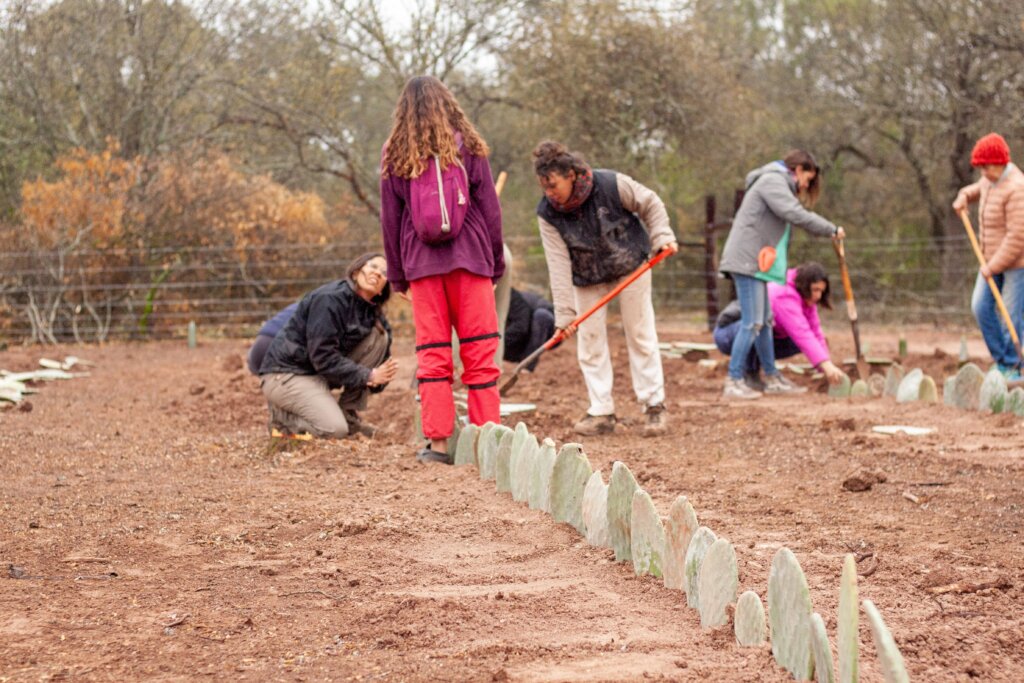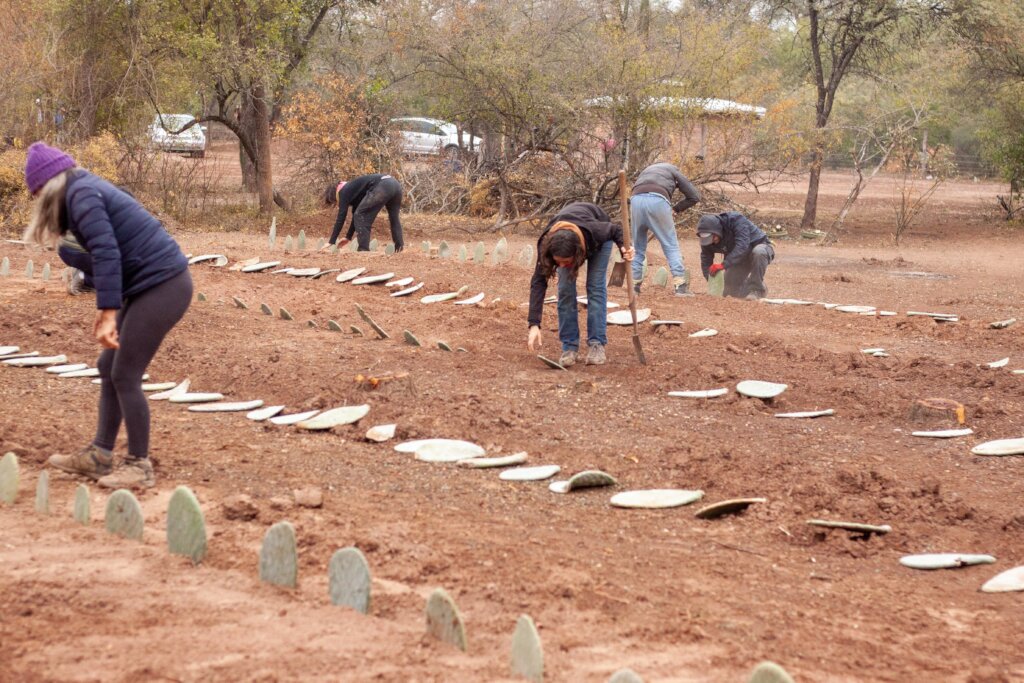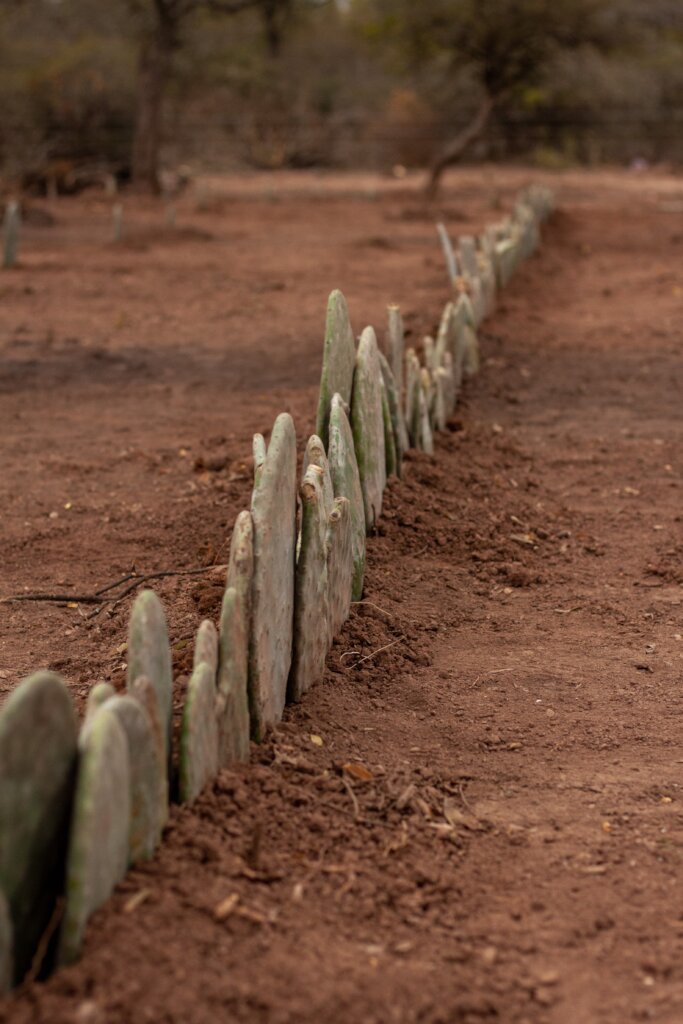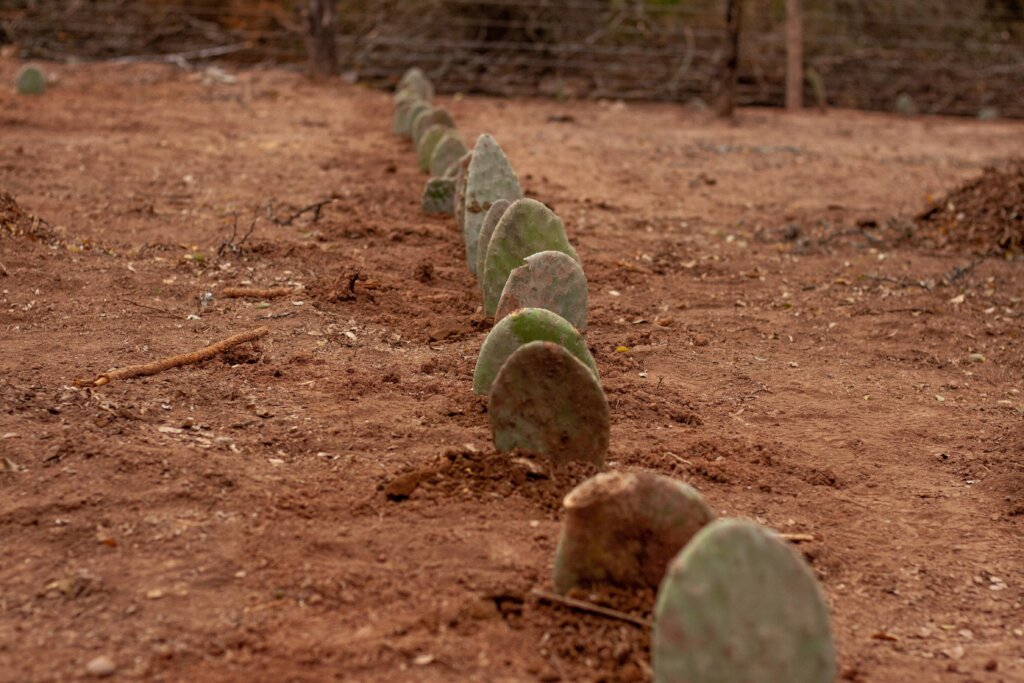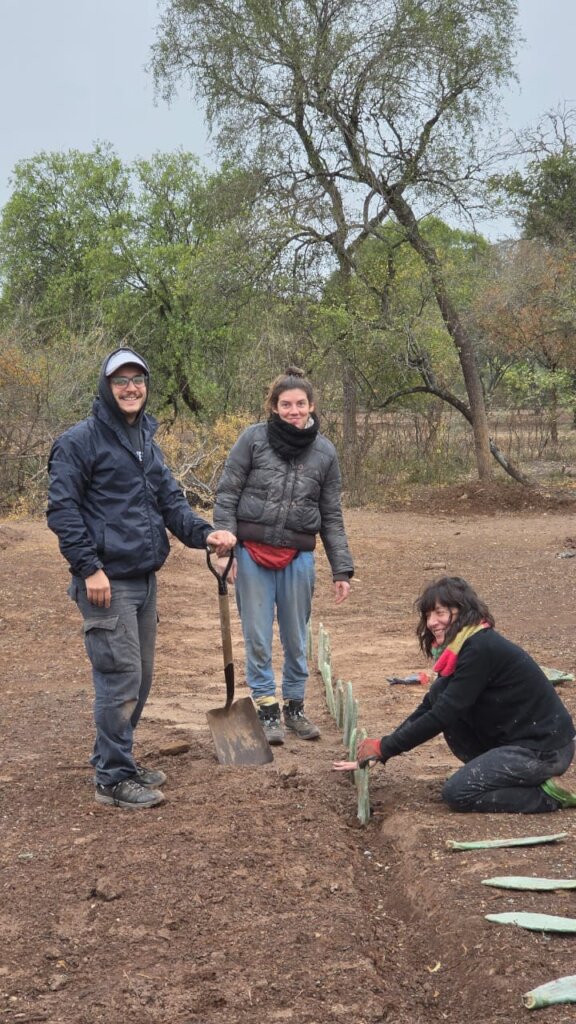
In Piruaj Bajo, (Northern Argentina), families depend on cutting the fragile Chaco forest to survive, and women lack real income options. By creating ten fenced Opuntia cactus plots, the project offers year-round fodder, abundant fruit for sale, make jams, jellies, and arrope, restored soil, feed animals, and providing safe work near home. This native crop strengthens livelihoods, empowers women, reduces deforestation, and supports long-term ecological recovery for families.
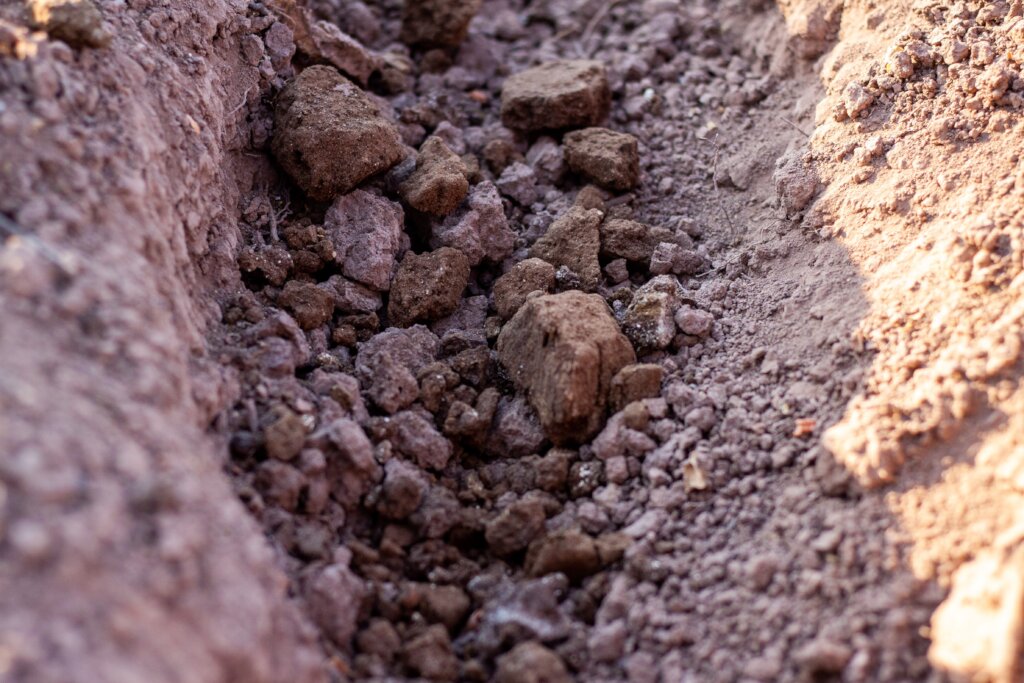
In Piruaj Bajo, 107 families live in a degraded part of the Gran Chaco, relying on timber sales as their only income while the forest fails to recover. Cultural norms restrict land work to men, leaving women with no real livelihood options. Although Opuntia ficus grows naturally and has high ecological and economic value, families lack training and protection, so the plants are cut despite their potential to restore soil and feed animals.
We will create ten fenced Opuntia plots to provide fodder, fruit, soil recovery, and income. Each plantation feeds livestock, yields about 2,000 kg of fruit after three years, and restores degraded land. Women can work near home and gain new livelihoods. Families receive training in planting, maintenance, and food processing. This native cactus boosts resilience and supports long-term environmental and economic recovery for the community.
This project launches the region's first large-scale use of native tunas as a sustainable livelihood. It will reduce deforestation, restore degraded soils, diversify food and income, and create real economic opportunities for women. By building community knowledge and opening future cactus-based industries, it strengthens both families and the forest, supporting a long-term, dignified future for Piruaj Bajo.



Support this important cause by creating a personalized fundraising page.
Start a Fundraiser