By OGWAL JIMMY ODONGO DEAN | PROJECT LEADER
1. Executive Summary
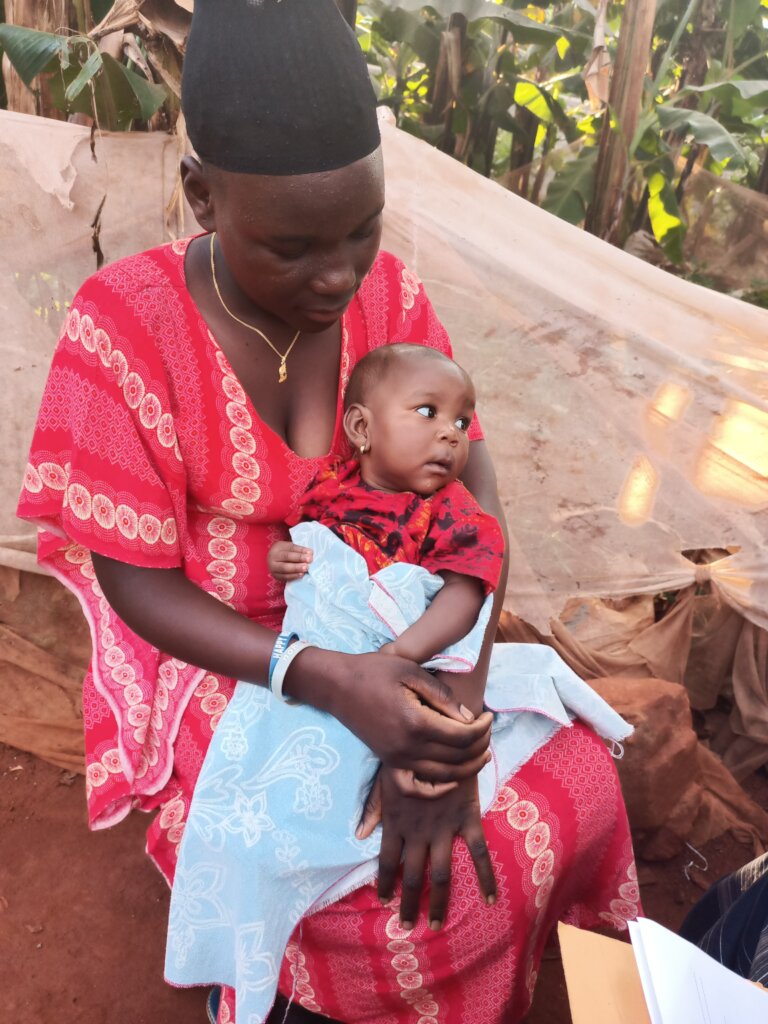
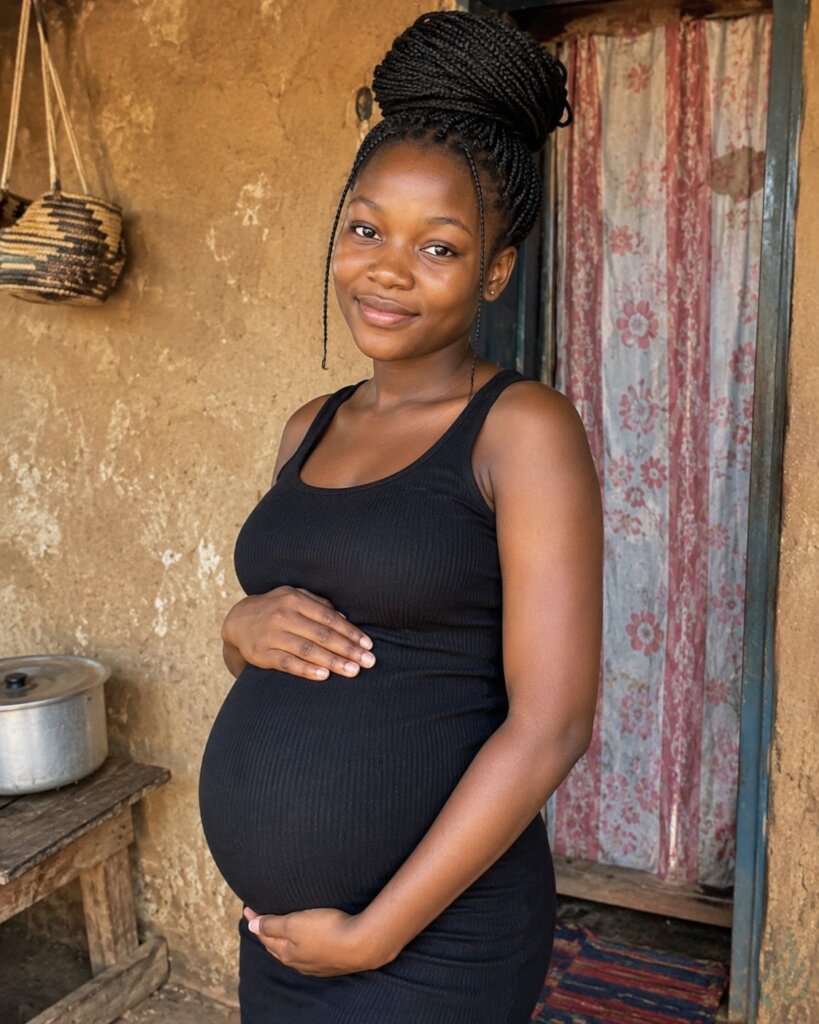
Teenage pregnancy and early motherhood remain among the most pressing barriers to girls' education, economic independence, and wellbeing in Jinja City and the surrounding sub-counties. Adolescent mothers are frequently pushed out of school, isolated from family and community support, and left with few pathways to earn a stable income while caring for a child. Amazing Life Foundation (ALF) has designed this livelihood support and skills training initiative to respond directly to that gap, combining vocational skills training, business start-up support, psychosocial care, and reproductive health education for teenage mothers in ALF's operational areas.
This report presents the rationale, target group, programme design, activities, expected outcomes, monitoring approach, and resource considerations for the initiative, and is intended both as an internal planning document and as a basis for donor and partner engagement.
2. Background and Rationale
Uganda continues to record one of the highest adolescent pregnancy rates in East Africa, with teenage mothers disproportionately concentrated in peri-urban and rural communities such as those ALF serves in Jinja City. Many of these young mothers drop out of school before completing basic education, face stigma and rejection from family members, and have limited access to formal employment or capital to start income-generating activities. Without deliberate intervention, this cycle of poverty, dependency, and repeat pregnancy tends to continue across generations.
ALF has worked since its founding in January 2018 on sexual and reproductive health and rights (SRHR), gender-based violence (GBV) prevention, maternal and child health, and youth and women's economic empowerment. Livelihood support for teenage mothers sits at the intersection of these four thematic areas: it addresses the economic consequences of early motherhood while reinforcing health-seeking behaviour, protection from further exploitation, and reintegration into community life.
3. Programme Goal and Objectives3.1 Goal
To improve the economic self-reliance, health, and social wellbeing of teenage mothers in ALF's operational communities through skills training, livelihood support, and complementary reproductive health and psychosocial services.
3.2 Specific Objectives
4. Target Group and Selection Criteria
The programme targets teenage mothers aged 14–19 residing within ALF's operational areas in Jinja City and neighbouring communities, with priority given to those who are out of school, from low-income households, or facing heightened vulnerability such as GBV survivors or those without family support. Selection is conducted in partnership with local council leaders, health facility staff, and community volunteers who identify and refer eligible participants, followed by a household verification visit by ALF staff to confirm eligibility and assess individual needs.
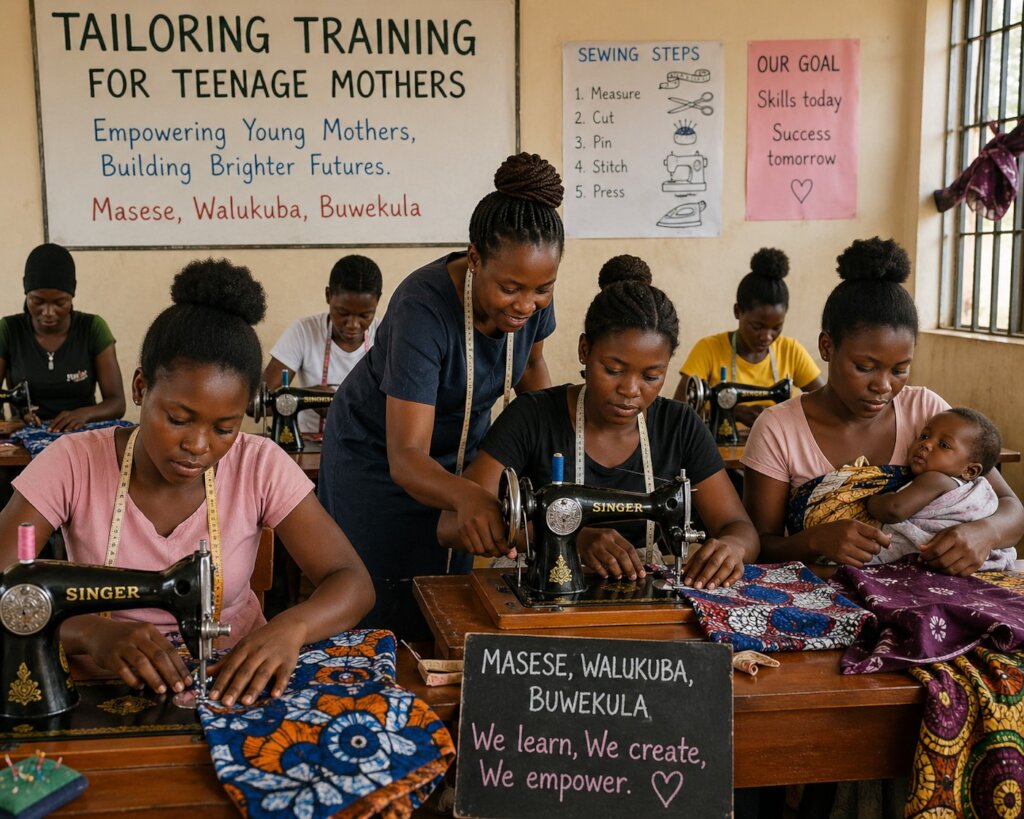
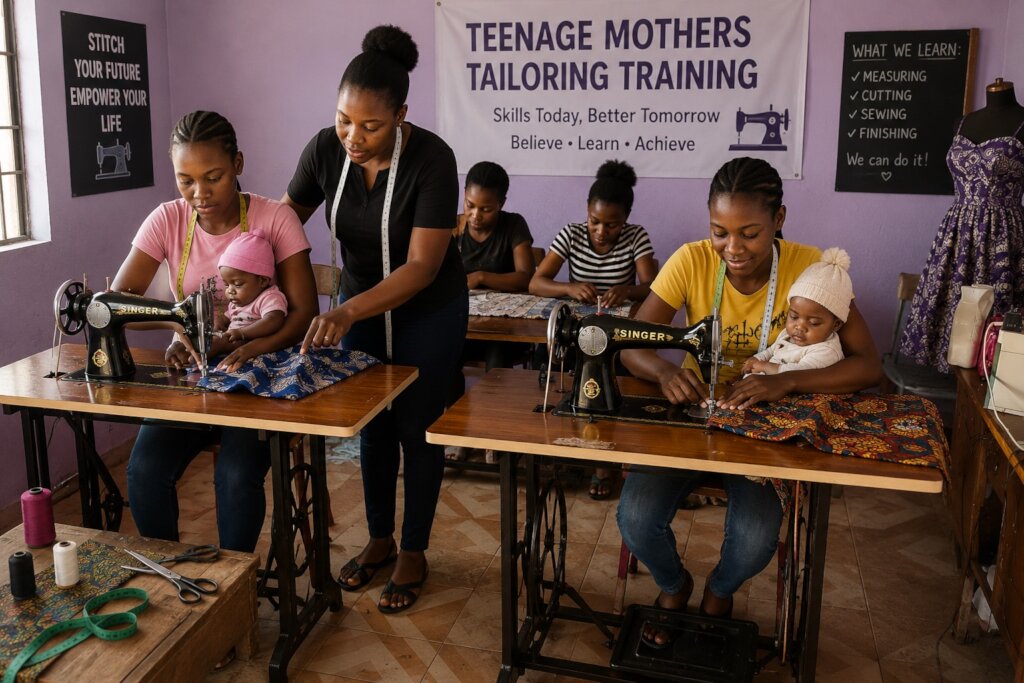
5. Programme Components and Activities5.1 Vocational and Entrepreneurial Skills Training
Participants are grouped into cohorts and trained in practical, market-relevant skills selected based on local demand and each participant's interest. Core training tracks include:
5.2 Start-up and Livelihood Support
On completion of training, participants receive a start-up package appropriate to their chosen trade — for example sewing machines, hairdressing kits, or raw materials for production — along with continued mentorship during their first months of business operation. Where feasible, participants are linked to Village Savings and Loans Associations (VSLAs) or ALF-facilitated savings groups to build a savings culture and access small working-capital loans.
5.3 SRHR, Maternal and Child Health Integration
Each cohort receives structured sessions on family planning, prevention of repeat adolescent pregnancy, antenatal and postnatal care, child nutrition, and GBV prevention and response, delivered alongside the vocational training so that health knowledge is reinforced at the same pace as economic skills.
5.4 Psychosocial Support and Mentorship
Recognising the stigma and isolation many teenage mothers face, the programme includes peer support groups, individual mentorship from older women entrepreneurs, and structured dialogue sessions with parents and guardians to rebuild family support systems and reduce rejection.
5.5 Referral and Linkage Services
ALF maintains referral pathways to nearby health facilities for maternal and child health services, to local council and protection actors for GBV case management, and to market actors and cooperatives that can absorb participants' products or services.
6. Implementation Approach
The programme is implemented in cohorts of 20–30 teenage mothers per cycle, with training delivered over a period of approximately three to six months depending on the trade. ALF partners with qualified local vocational trainers, health workers, and community volunteers, and works closely with local council leadership to ensure community ownership and smooth reintegration of participants. Training venues are selected within reasonable walking distance of participants' homes, and childcare support during training sessions is factored into planning to reduce dropout.
7. Expected Outcomes
8. Monitoring, Evaluation and Learning
Programme progress is tracked using a simple results framework covering enrolment, training completion, start-up kit distribution, business survival at 3 and 6 months, and health service uptake. Data is collected through attendance registers, pre/post training assessments, household follow-up visits, and periodic participant surveys, and is consolidated by ALF staff for internal review and for reporting to funding partners.
9. Indicative Resource Requirements
The table below summarises the broad cost categories associated with running one full cohort cycle. Detailed line-item budgets are maintained separately in ALF's project budget workbook and can be shared on request.
Cost Category
Description
Trainer fees
Vocational trainers and health/psychosocial facilitators
Training materials
Fabrics, tools, hairdressing supplies, soap-making inputs, etc.
Start-up kits
Sewing machines, hairdressing kits, raw materials per trade
Venue and logistics
Training space, transport, and refreshments
Health and psychosocial sessions
SRHR education, mentorship, and dialogue sessions
Monitoring and follow-up
Household visits, surveys, and reporting
Programme staff and administration
ALF staff time, coordination, and oversight
10. Sustainability
Sustainability is built into the programme design through savings-group linkage, peer mentorship that continues after formal training ends, and engagement of local council and community structures who continue to support graduates after ALF's direct involvement tapers off. ALF also encourages successful graduates to serve as peer trainers or mentors in subsequent cohorts, creating a self-reinforcing cycle of skills transfer within the community.
11. Conclusion
Livelihood support and skills training for teenage mothers addresses one of the most consequential gaps facing adolescent girls in ALF's operational communities: the absence of a viable economic pathway after early motherhood. By combining vocational training, start-up support, health education, and psychosocial care, this programme aims to help participants move from vulnerability toward self-reliance, while contributing to ALF's broader mission of improving SRHR, GBV prevention, and maternal and child health outcomes in Jinja City.
Project reports on GlobalGiving are posted directly to globalgiving.org by Project Leaders as they are completed, generally every 3-4 months. To protect the integrity of these documents, GlobalGiving does not alter them; therefore you may find some language or formatting issues.
If you donate to this project or have donated to this project, you can receive an email when this project posts a report. You can also subscribe for reports without donating.



Support this important cause by creating a personalized fundraising page.
Start a Fundraiser