Project Report
| Apr 29, 2012
Project Update - Apr 2012
By Nilam Sunchuri | Planning, Monitoring, and Evaluation Officer
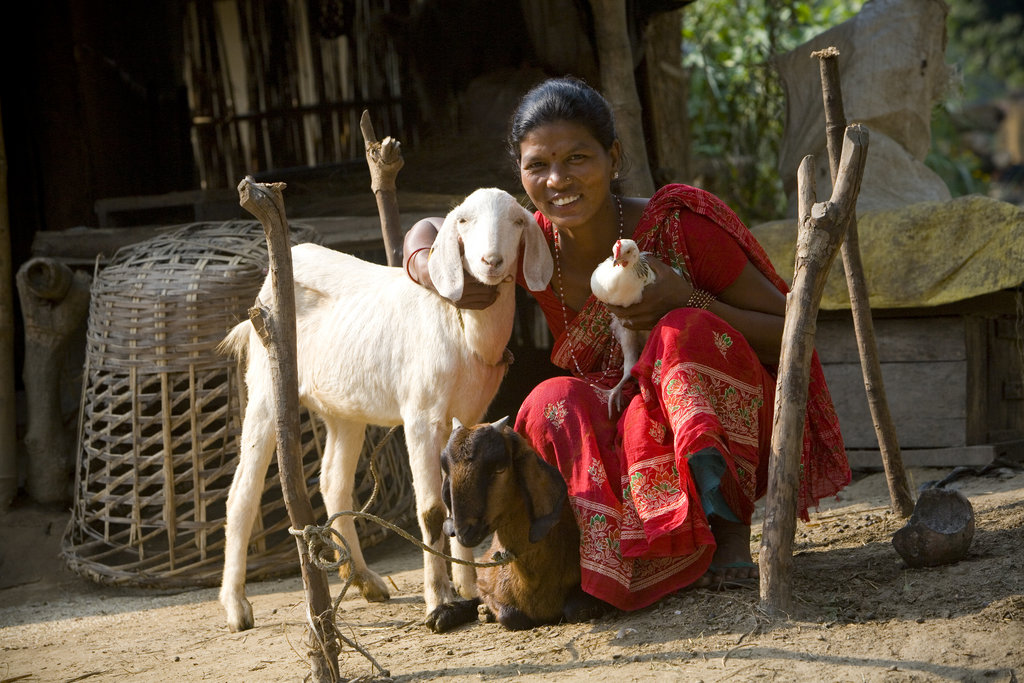
![Laxmi Group formed mostly of Danuwar]()
Laxmi Group formed mostly of Danuwar
Marginalized ethnicities participate in development
Danuwars are amongst the most marginalized ethnicities in Nepal. The census shows that only 68,000 are present in Nepal. Historically they were rice farmers but in recent days, due to lack of education and failure to change with the times, they have been reduced to farm labors and are virtually non-existent in the country’s social and political dialogue.
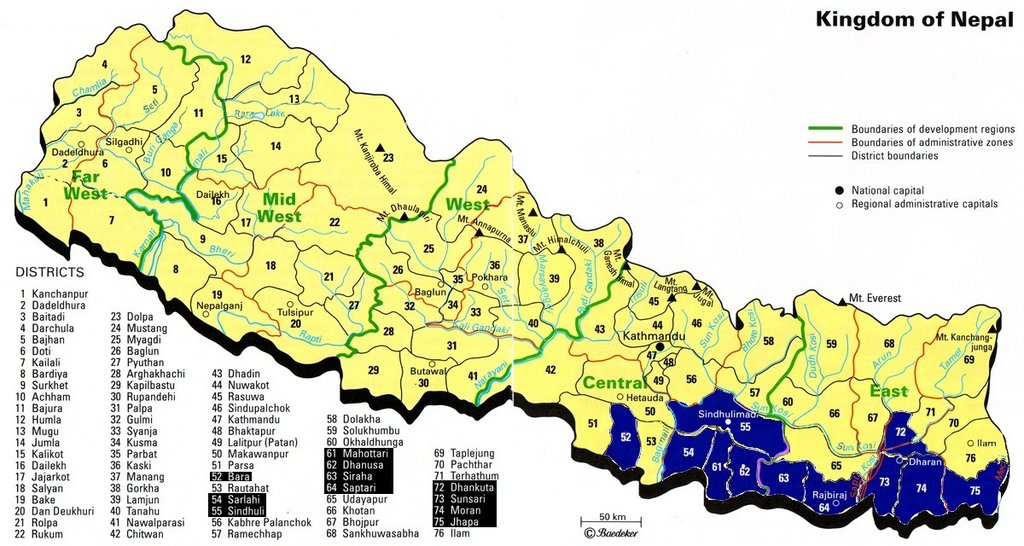
Heifer’s project with HANDS in Dudhauli of Sindhuli incorporates the Danuwar community. They were initially very shy and predisposed to not expressing their opinion. As the second generation pass on group they received livestock and trainings on Heifer’s cornerstones, group management, vegetable production, gender equality, reproductive health and HIV awareness trainings.
With progressive participation in group activities and group meetings, the Danuwar women participating in the project have now found their voice. Recently three Danuwar women have become members of a road construction committee. Such a social position is usually reserved for men of the elite caste and class. With Heifer’s support, the Danuwar women have been able to stand up and take part in their community’s progress.
![Share on Twitter]()
![Share on Facebook]()
Jan 31, 2012
Project Update Jan 2012
By Marc Bunn | Project Leader
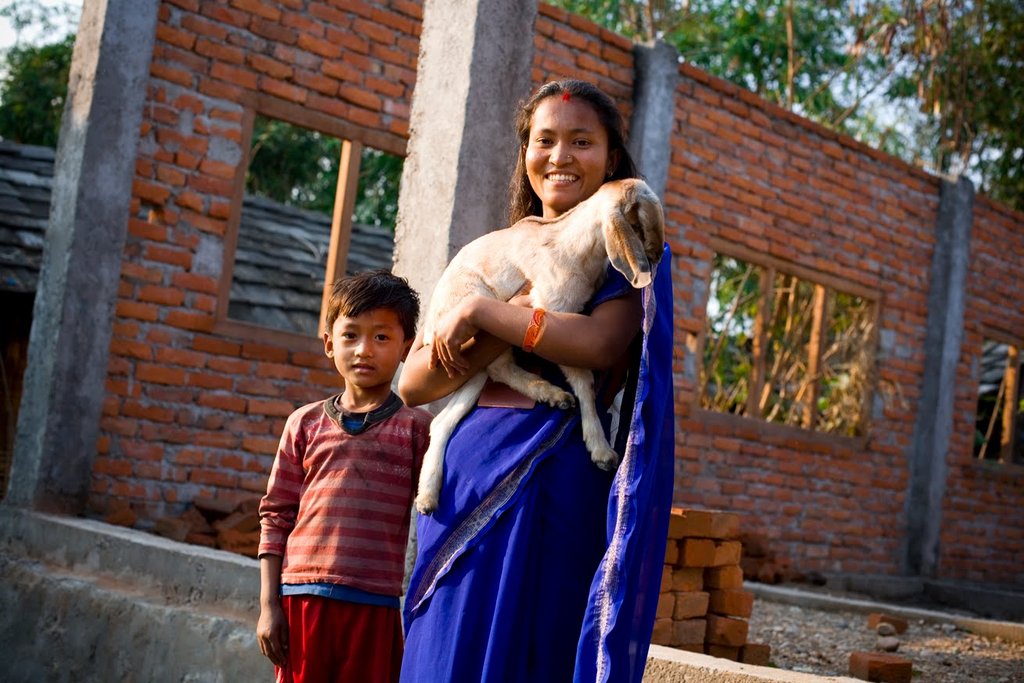
![Mandira Bote of Sarlahi, Nepal]()
Mandira Bote of Sarlahi, Nepal
Families have earned substantial income through livestock farming, approximately Rs. 30,000 to Rs. 100,000 ($350 to $1,200). The participants have begun vegetable farming for additional earnings as well as for their own family’s consumption of fresh groceries. They have become concerned about animal well-being, which has led to the use of appropriate shelters and animal supplies that have improved the productivity of their animals.
The SHGs have initiated a monthly cleaning campaign. Eighty-five more families have built toilets in their home. Awareness of health issues has helped to control the outbreak of communicable diseases and healthy sanitary practices have been adopted by project families. Increase in fodder/forage plantation has protected the environment and added lushness to the community.
Families have realized the value of education, leading to a higher number of student enrollment at schools. There is a positive change in attitude of participants regarding educating their daughters. Most of the participants can now write their name and read simple words essential in their everyday life through VBLP program. Women have developed leadership skills that have enabled them to obtain memberships in various committees.
Links:
![Share on Twitter]()
![Share on Facebook]()
Nov 1, 2011
Project Update - Nov 2011
By Birendra Yadav | Regional Manager
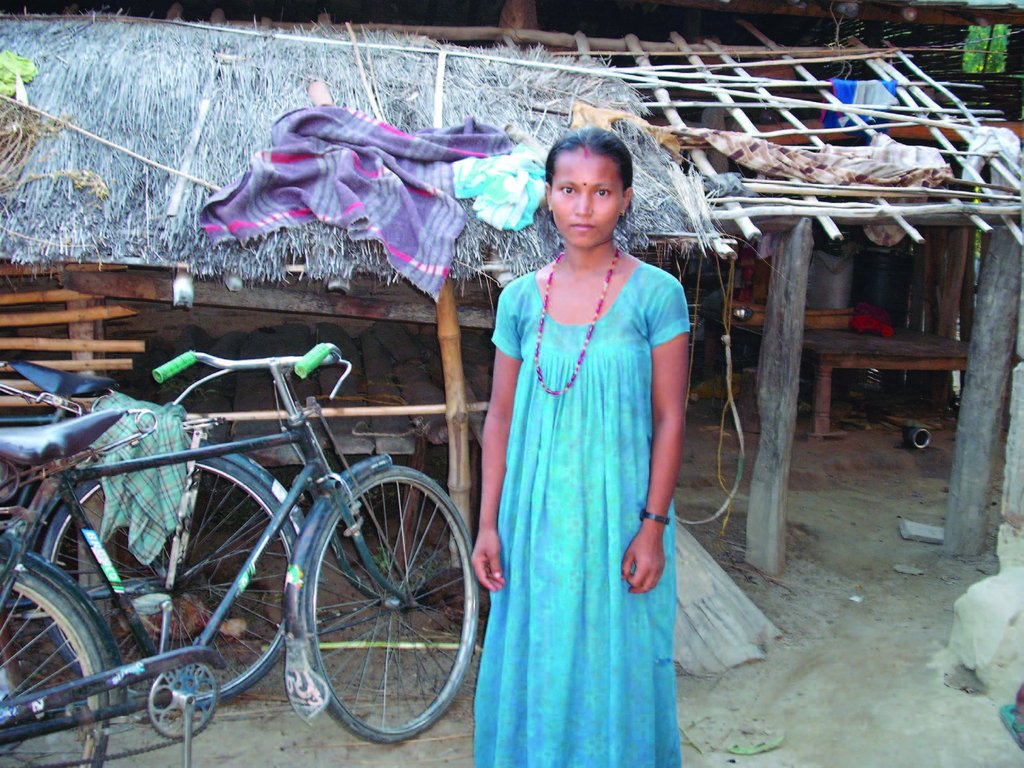
![Madira Bote in Sarlahi District]()
Madira Bote in Sarlahi District
Self Help Groups are stepping ahead towards building a community which is empowered irrespective of class, gender and caste, where capacities of each and every deserving native are built and holistic approach of community is approached. Their participation in community development work has increased significantly. Discriminatory practices have minimized significantly evident from the fact that only fewer social and family disputes occur. Access of women to available resources for its effective and efficient use has increased. They have been able to leverage resources from various stakeholders and employ it for the overall community development activities. 40 women have learned fundamental reading and writing skills by means of VBLP classes.
Families have established fodder/forage nursery which has led to abundant supply of improved feed for animals eventually improving their health and productivity. The families have become financially self-reliant by involving in various income generating activities. 50 families have build compost pit and 35 more families have started vermiculture. This has helped them in proper waste management and in achieving improvements in cash crops and vegetable production. The families have now advanced to practicing organic farming. They have maintained kitchen garden, which has facilitated them to grow sufficient vegetables and put together some earning. 270 families have made Rs. 197,700 by selling vegetables. 40 families have made revenue of Rs. 1,200,000 by selling milk and milk products. 130 families have earned Rs. 335,000 from meat goats. In addition, their group fund too is increasing significantly by means of carrying out various collective activities and programs.
![Share on Twitter]()
![Share on Facebook]()