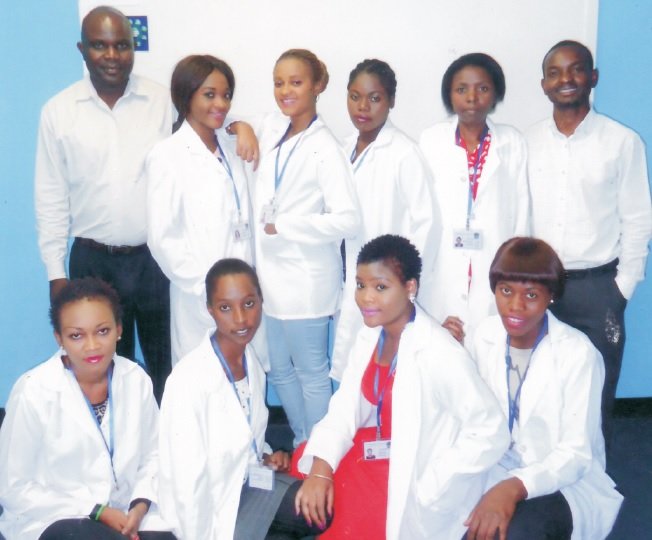
Since 2007 ZINARE has established a naturopathic medical course with the support from the World Health Organisation (WHO), which provided a grant to establish a curriculum in naturopathic medical education in Africa, and to develop training to help bridge traditional and conventional medicine. ZINARE has also conducted research in traditional medicines, as well as training in biodiversity in health. However, reduction in government funding has led to challenges in continuing ZINARE's work.
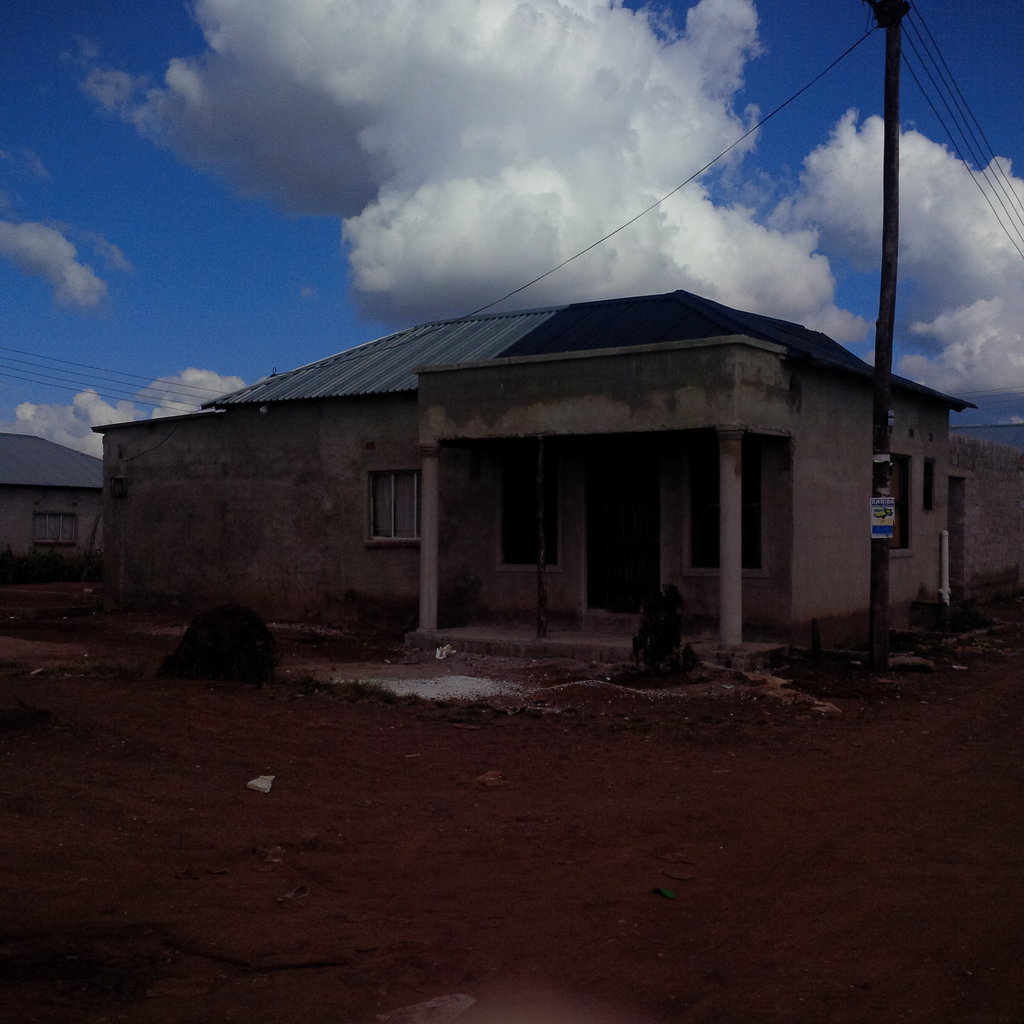
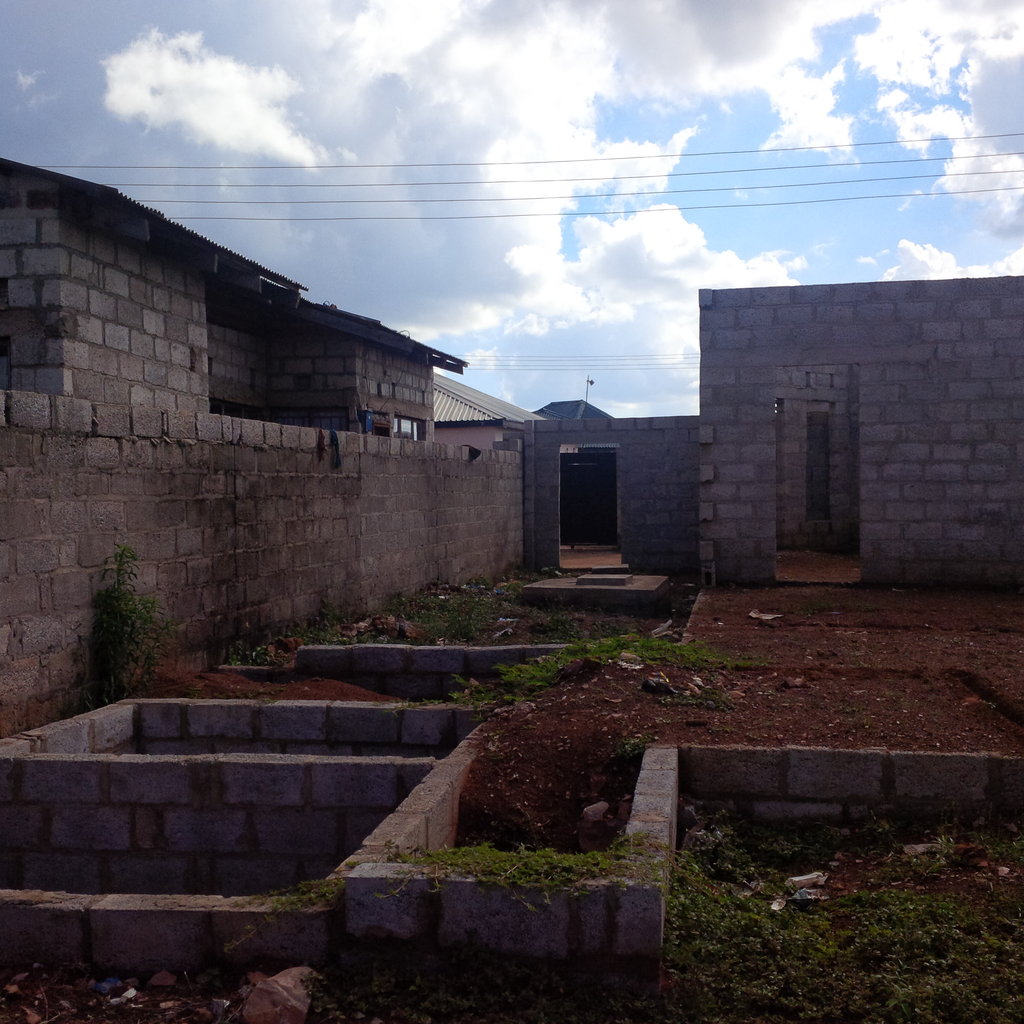
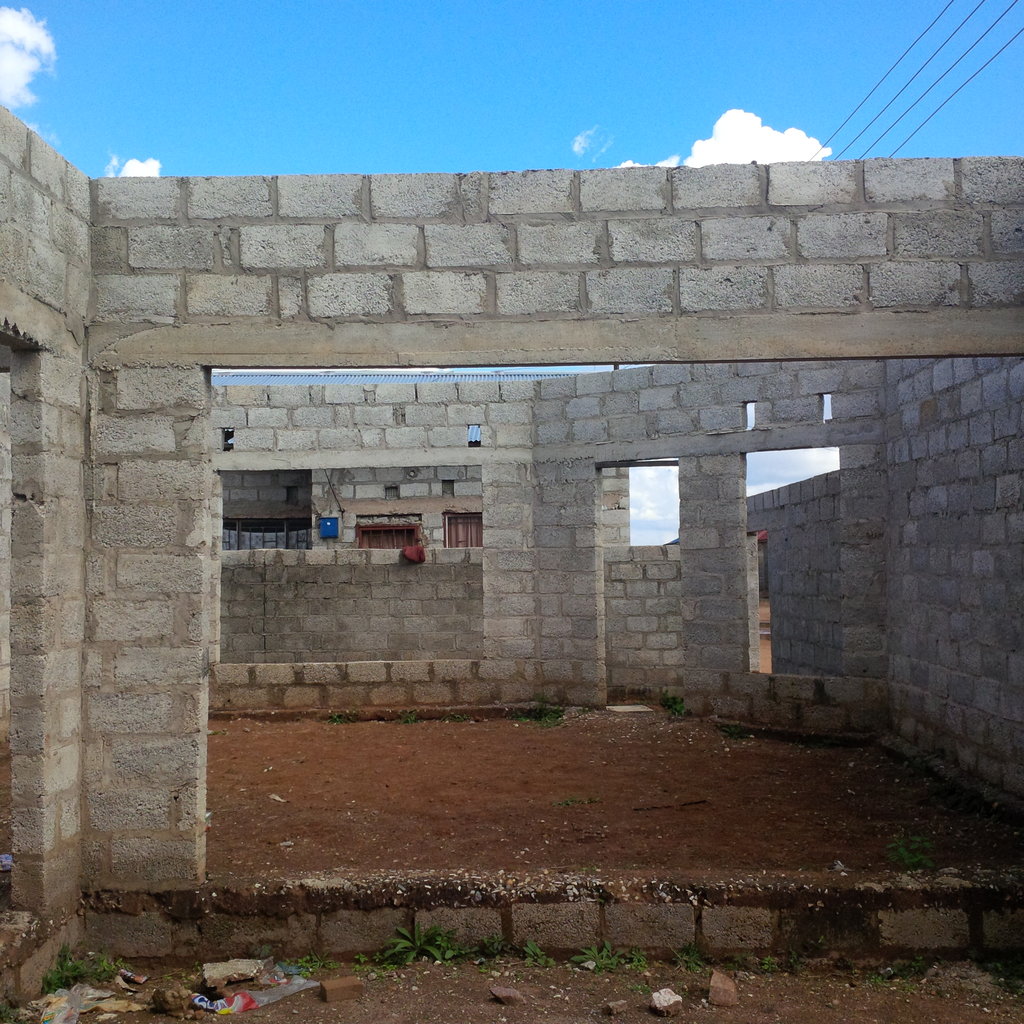
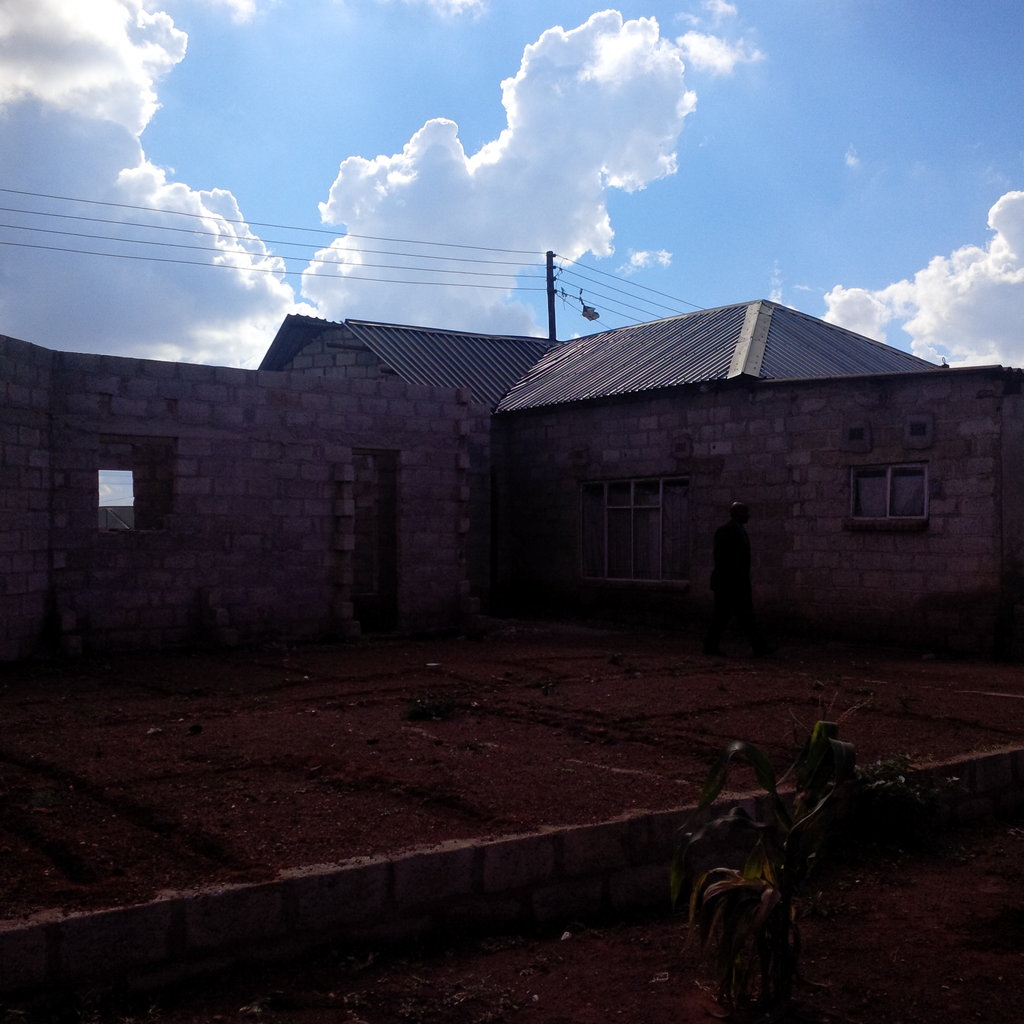
Although recommended by the World Health Organization that ZINARE be fully funded by the Zambian government, ZINARE currently receives no external funding. As a result, many of its programs in natural medicine research and education suffer from lack of adequate infrastructure. ZINARE also currently operates out of rented facilities, whilst constructing its own facilities over time. However, these costs have also required diversion of funds from ZINARE's community, research and education projects
Completion of permanent buildings will allow costs currently being spent on rent and construction to be reinvested in core ZINARE projects. Adequate infrastructure will also make these projects more sustainable, and allow for further work to be undertaken. Permanent facilities is also the final barrier to allow ZINARE to achieve university status for its education programs, the first accredited university-level natural medicine programs in the region.
Finishing these facilities will allow ZINARE's work to continue to benefit the Zambian community. This work includes: training naturopathic physicians, providing clinical services in urban and rural Zambia, documenting and researching the potential of Zambian natural medicines, running short courses on traditional medicine for doctors and nurses, providing nutritional education and better access to nutrition.
This project has provided additional documentation in a PDF file (projdoc.pdf).