By Fiona Beckerlegge | Clinical Director
Schools in Uganda have been closed for the past 20 months, since the beginning of the COVID-19 pandemic in March 2020 and students living in rural western Uganda, along with other regions of the country, have not received online tuition or home schooling during this time due to a lack of teaching resources and digital poverty. There are concerns that many young people will not return to the classroom for a number of reasons, including joining the workforce, teenage pregnancy and early marriage, financial insecurity and changing family priorities.
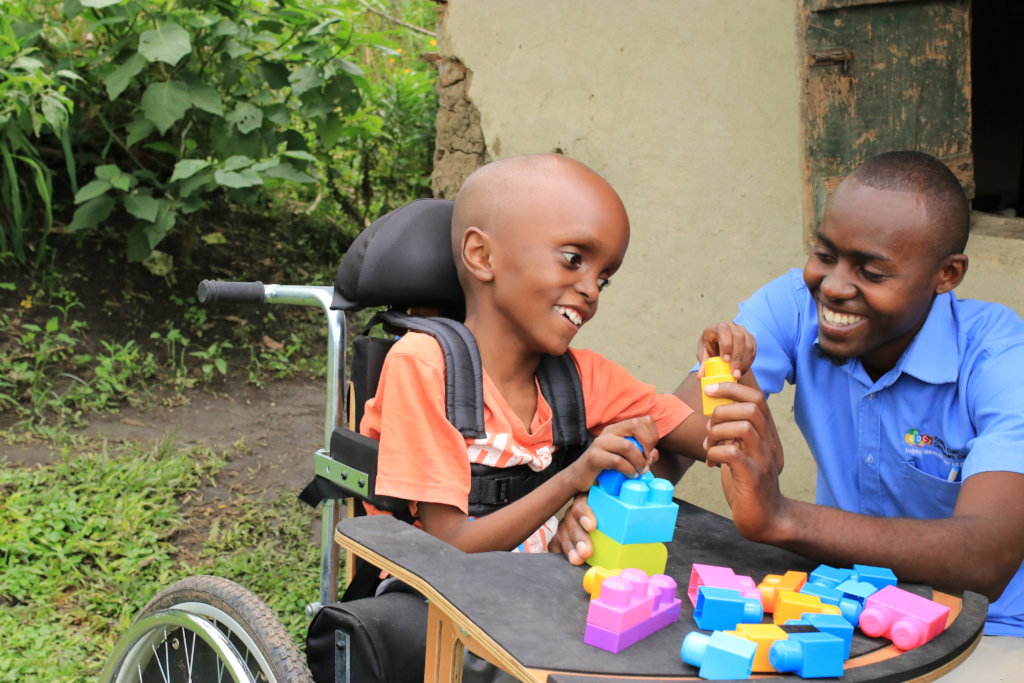
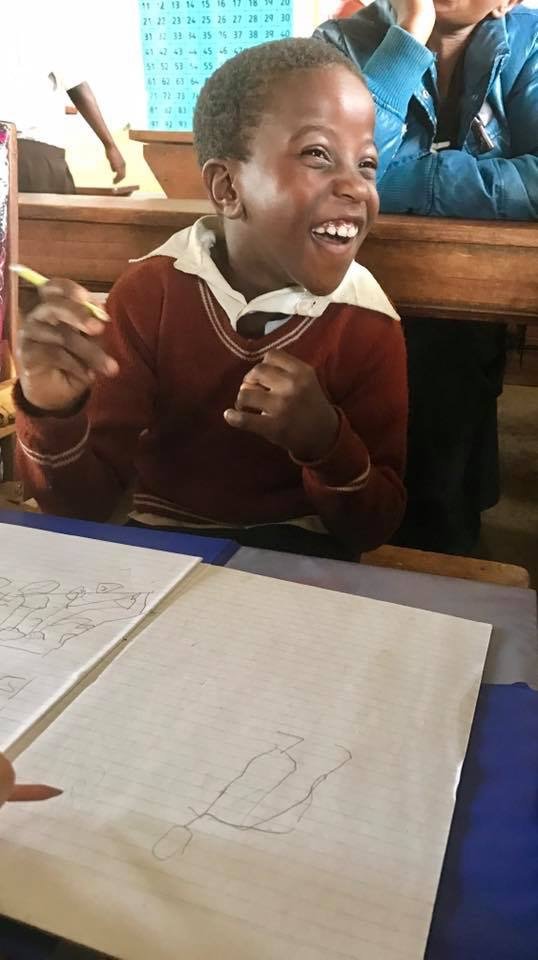
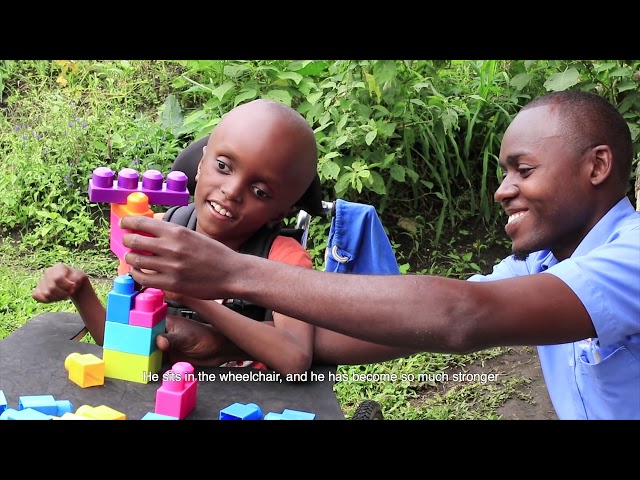
Kyaninga Child Development Centre’s special needs education team has used this time to strengthen home-based learning through individual home visits to students with disabilities to reduce the learning gap and to encourage students to return to the classroom. These visits have focused on individual learning needs, including reading, writing, numeracy and literacy.
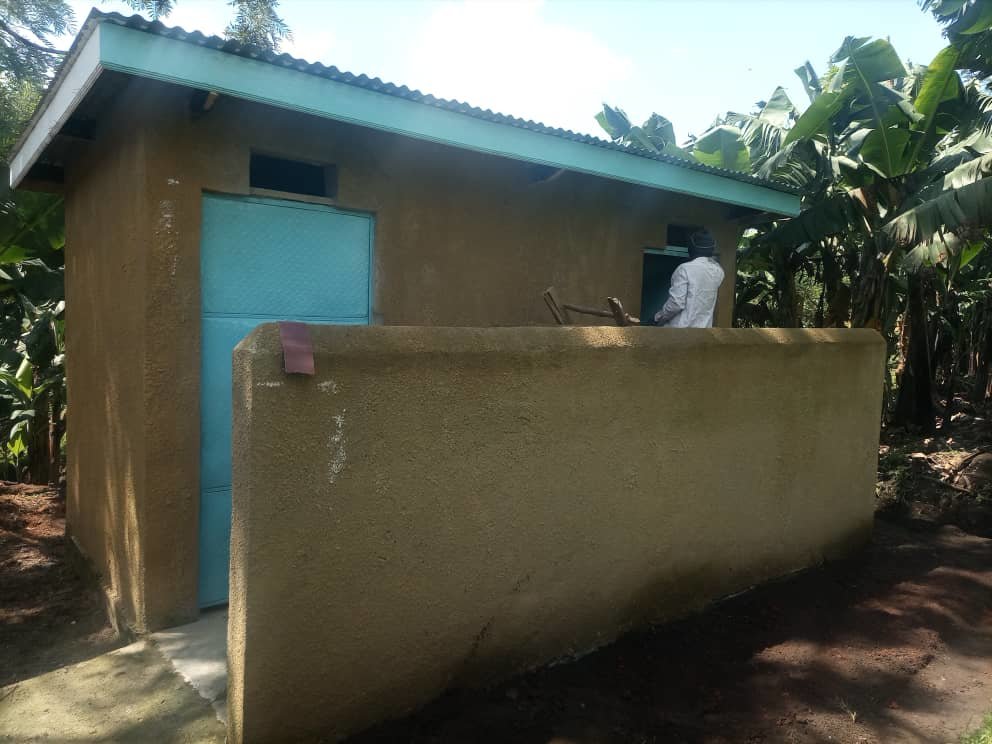
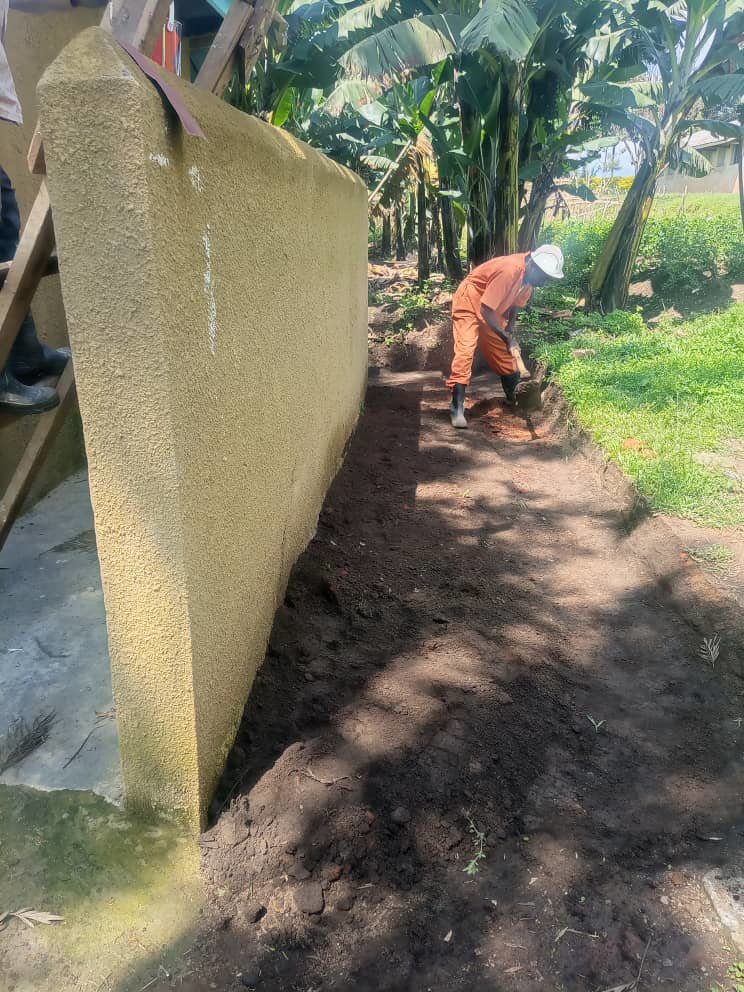
We haven’t neglected the schools either during this time and have constructed wheelchair accessible pit latrines in 10 partner schools.
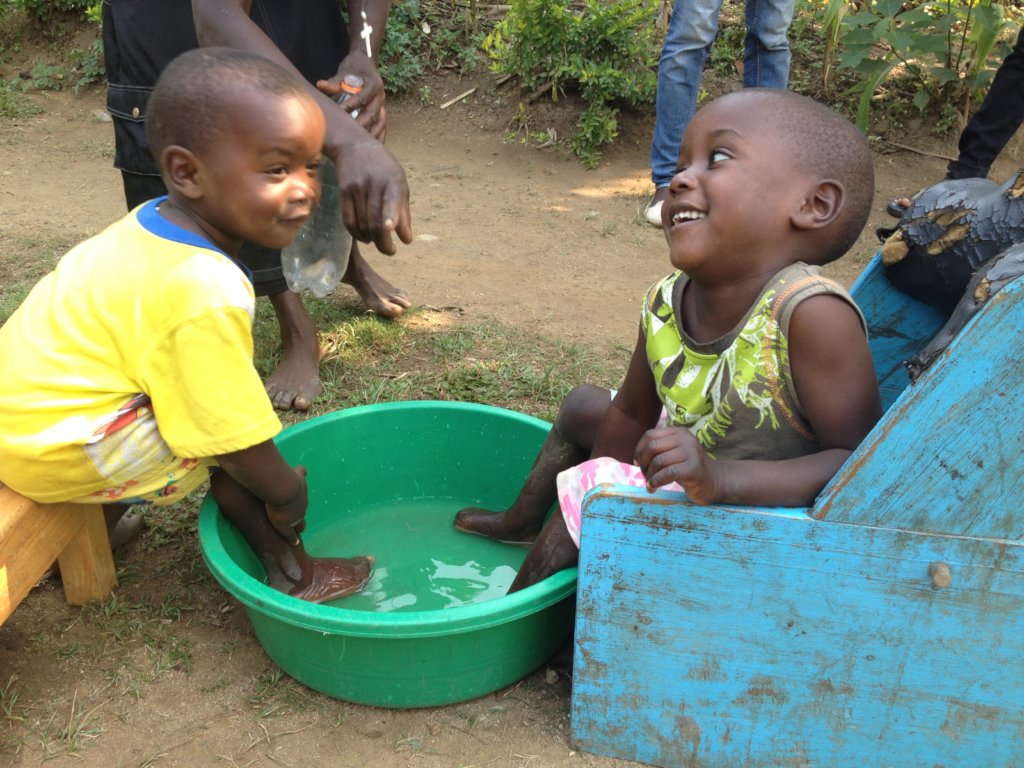
Disability accessible hygiene facilities for Children with Disabilities
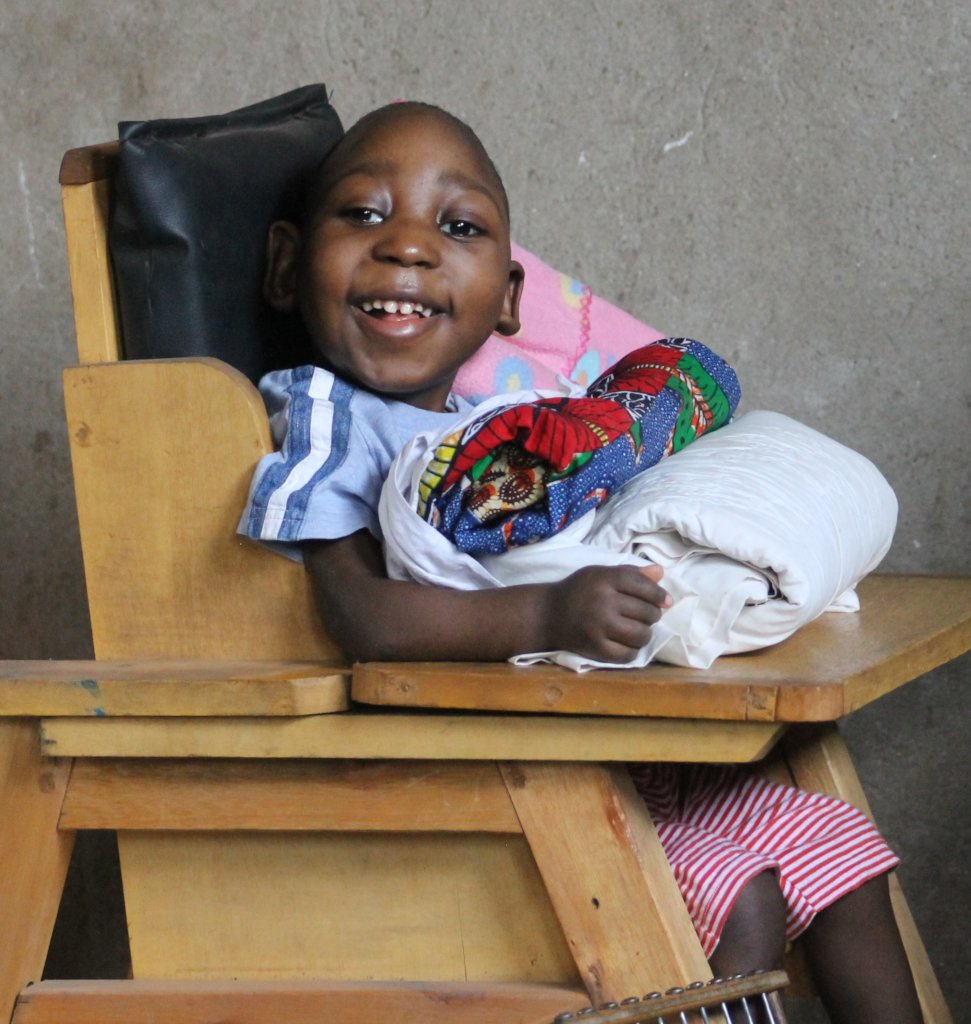
Children with disabilities (CwDs) remain one of the principal groups excluded from education globally. In Uganda, an estimated 9% of CwDs enrol in primary school. Furthermore, those who do attend are more likely to be excluded within the classroom, fail to progress, and consequently drop out (UNESCO 2015). There are several factors that prevent CwDs from attending school, including lack of accessible classrooms and toilets, as well as non-inclusive attitudes and teaching strategies. According to the DFID report, Education for Children with Disabilities - Improving Access and Quality, school planning and construction rarely consider issues of accessibility and barrier-free design. A simple lack of accessible toilets will prevent CwDs from going to school and potentially expose them to increased health risks. Although many governments and agencies have policies about the inclusion of CwDs in school, these rarely consider water, sanitation, and hygiene (WASH) issues.
Children with disabilities, especially girls, are often not able to attend schools because they do not have access to a toilet. Many do not eat or drink water while at school to avoid having to use the bathroom which additionally has adverse effects on their ability to concentrate and learn. A full day of school without access to WASH facilities is not only unsafe to a child’s health, but for a girl who is menstruating, it is impossible.
According to World Vision Disability Inclusive WASH report 2014, the effects of disability inclusive WASH cascade into other areas of life, including, for example, stronger self-esteem, better access to education, improved participation in social life, and greater livelihood opportunities. Most importantly, it is about recognising the value and dignity of each person and taking actions to express this concretely.
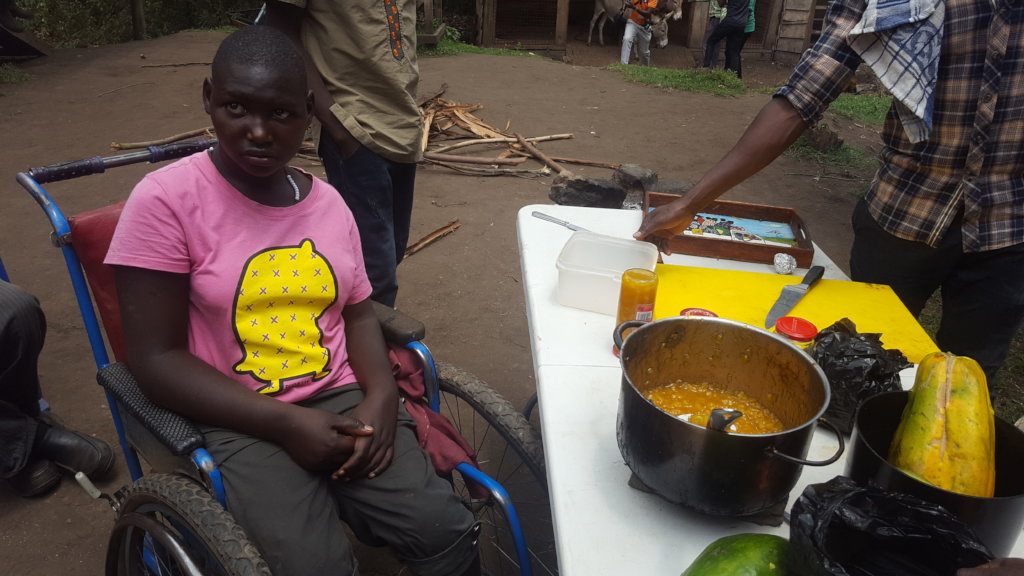
We are thrilled that students like Veronica will have access to better facilities when they return to school, enhancing their ability to participate in class without worrying about sanitation and hygiene and not having to miss days of school because of their menstruation hygiene.
Links:
Project reports on GlobalGiving are posted directly to globalgiving.org by Project Leaders as they are completed, generally every 3-4 months. To protect the integrity of these documents, GlobalGiving does not alter them; therefore you may find some language or formatting issues.
If you donate to this project or have donated to this project, you can receive an email when this project posts a report. You can also subscribe for reports without donating.



Support this important cause by creating a personalized fundraising page.
Start a Fundraiser