By Fiona Beckerlegge | Clinical Director
What a year it has been for all of us. Though we are all affected by the global COVID-19 pandemic, we are experiencing it in very different ways. For some, there are high numbers of cases, thousands of people unwell and a strain on the healthcare systems with devasting loss of life. Ongoing lockdowns and school closures continue to disrupt our way of life.
In Uganda, we have been fortunate to avoid the predicted high number of cases and loss of life related to the virus, and with the vaccine programme beginning its roll-out in the last week, the cases should remain low, currently 40,687 and 334 deaths. But the socio-economic impact of the past year will be felt for many years to come. Although we have not been in ‘lockdown’ since July 2020, there are still many businesses that are unable to open, and with a 9pm curfew in place, bars and restaurants have limited opening hours. Tourism, the country’s largest source of income, has effectively shut down as the world stops travelling.
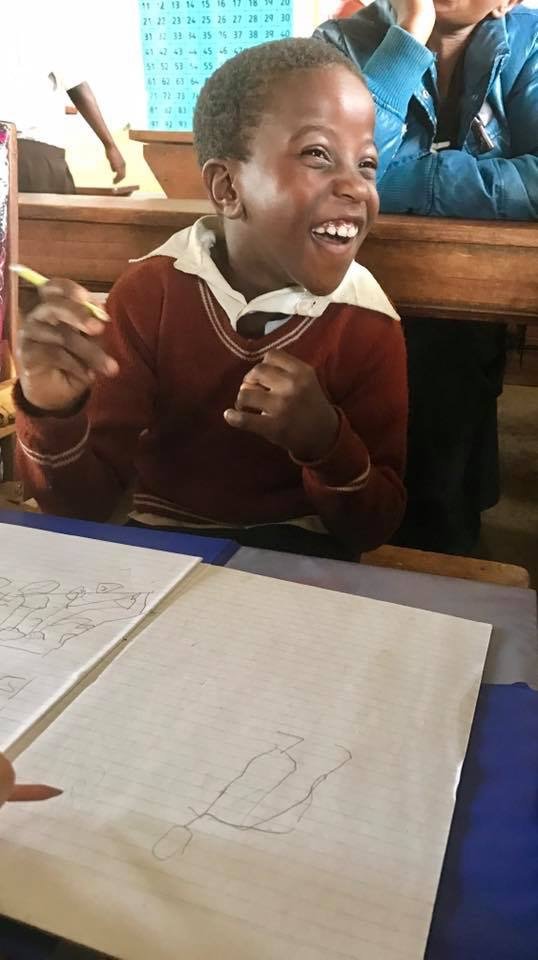
All schools were closed in March 2020 and reopened for candidate classes – final year students in primary and secondary school and university – in October 2020 to prepare for their transition exams. The pre-candidate classes returned to school at the beginning of this month, one full year since their last class and in the rural schools, there has been no online learning, no work sent home or activity books to ensure ongoing learning. Many of these children have been at home, working in the fields and at the markets, and the early reports from schools that we work with is that many of these students will not return to complete their education, even at primary level. Early years classes are not expected to return to school until June 2021.
A further limitation to children returning to school is their parent’s ability to pay the school fees. With many people out of work or making a smaller income, this becomes a challenge, and families will often have to choose who gets an education, and culturally, boys are more likely to be prioritised than girls. It is even harder for those who survive on subsistence farming, without a regular income.
In 2017, we began our first Street Business School programme, a 6-month entrepreneurial business training programme for parents and caregivers of children with disabilities to empower them to lift themselves out of poverty. The training includes starting small, market analysis, bookkeeping, savings and investments and does not require large capital to start, in fact, participants are taught how they can start a business with only a $2 or $3.
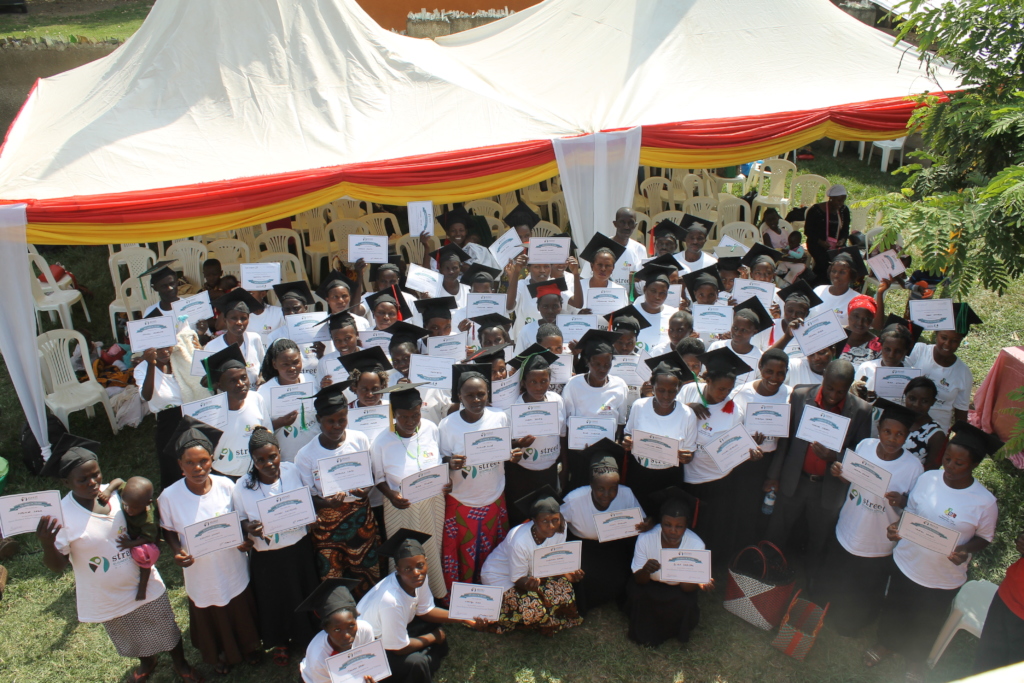
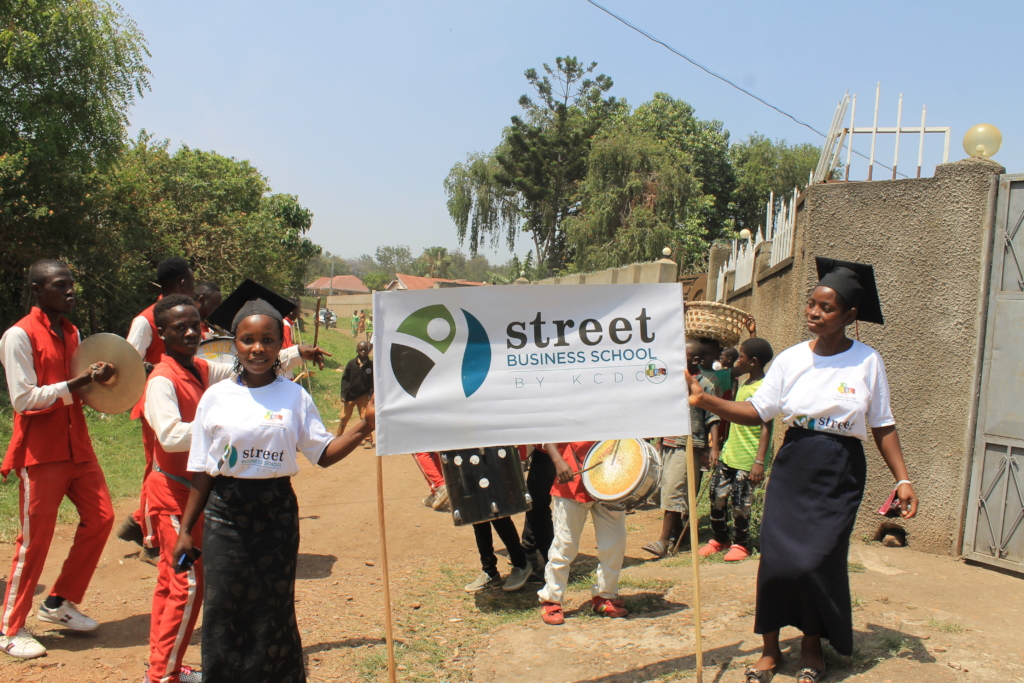
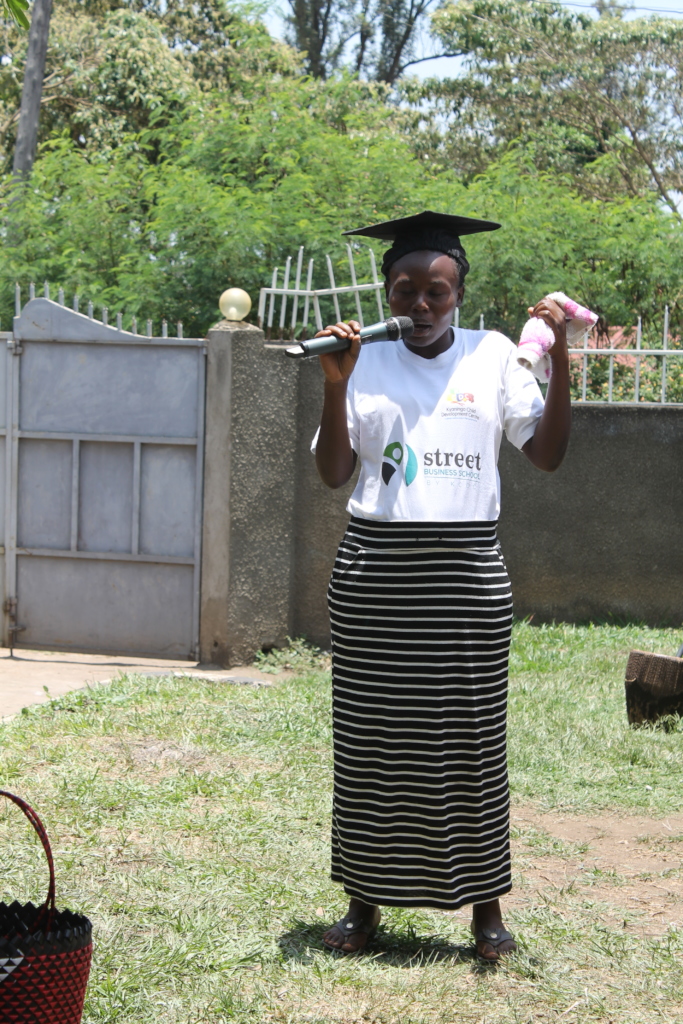
Last week, our first group of 67 parents and caregivers in Kasese District graduated from the programme. These were from 4 rural communities who have extremely limited access to education or employment and the excitement was palpable. Many of these new business owners had never even graduated from primary school and they were so proud as they marched through the streets behind the brass band, wearing mortarboards.
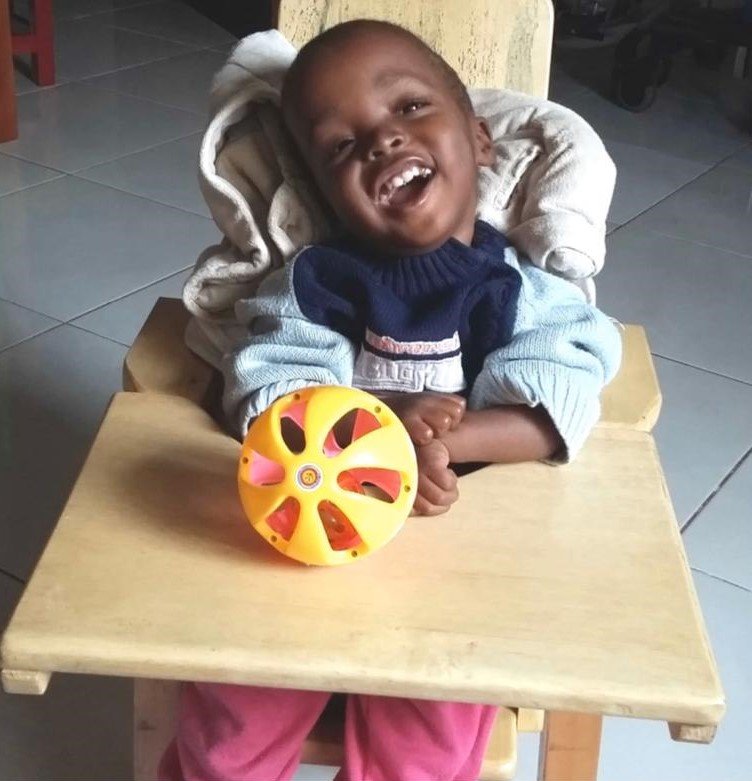
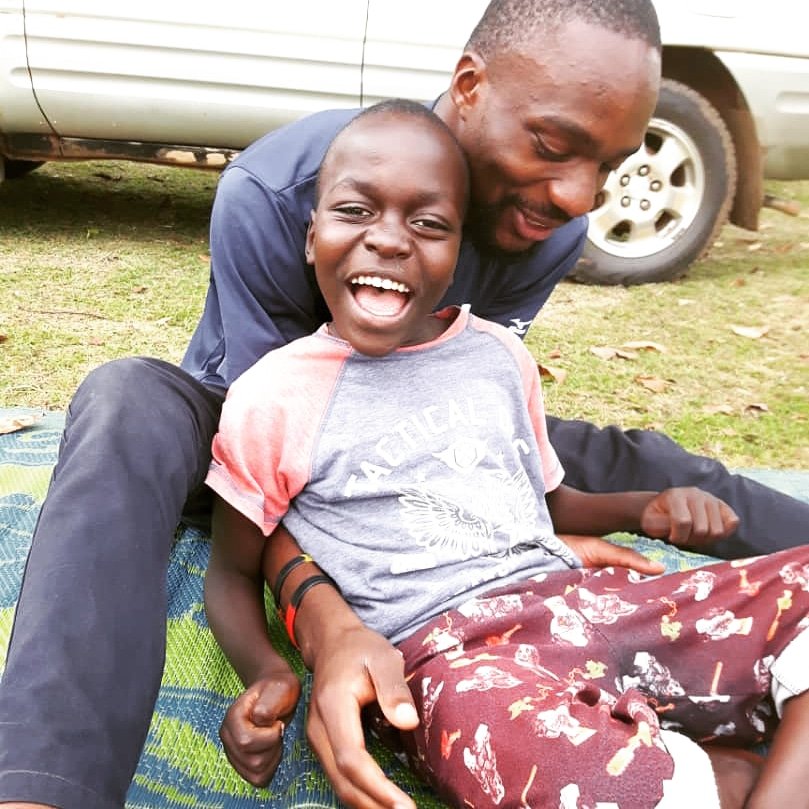
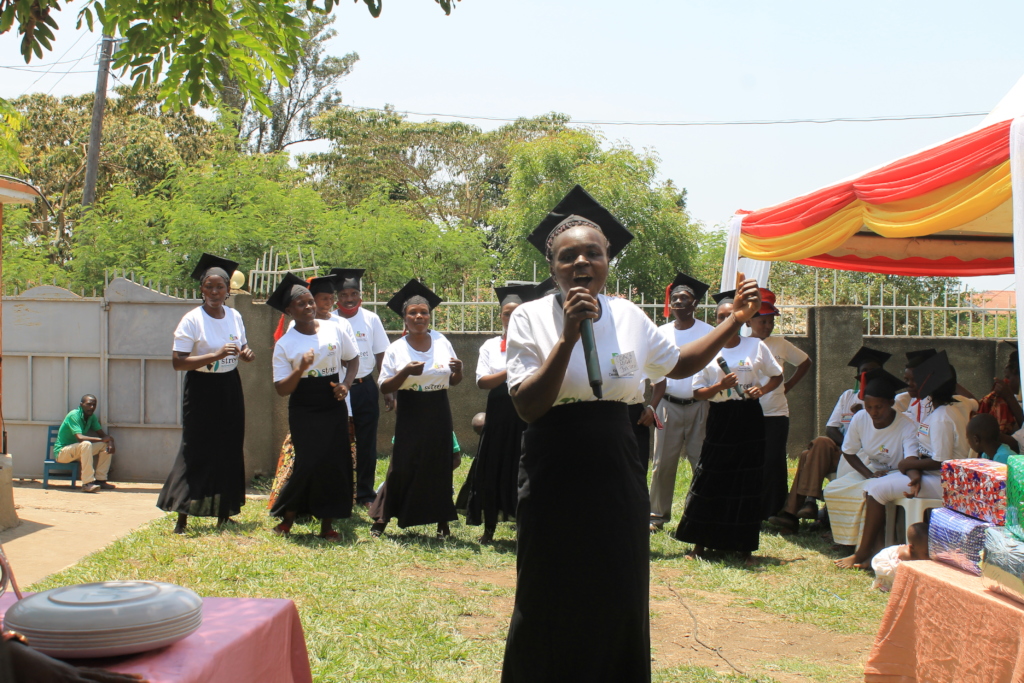
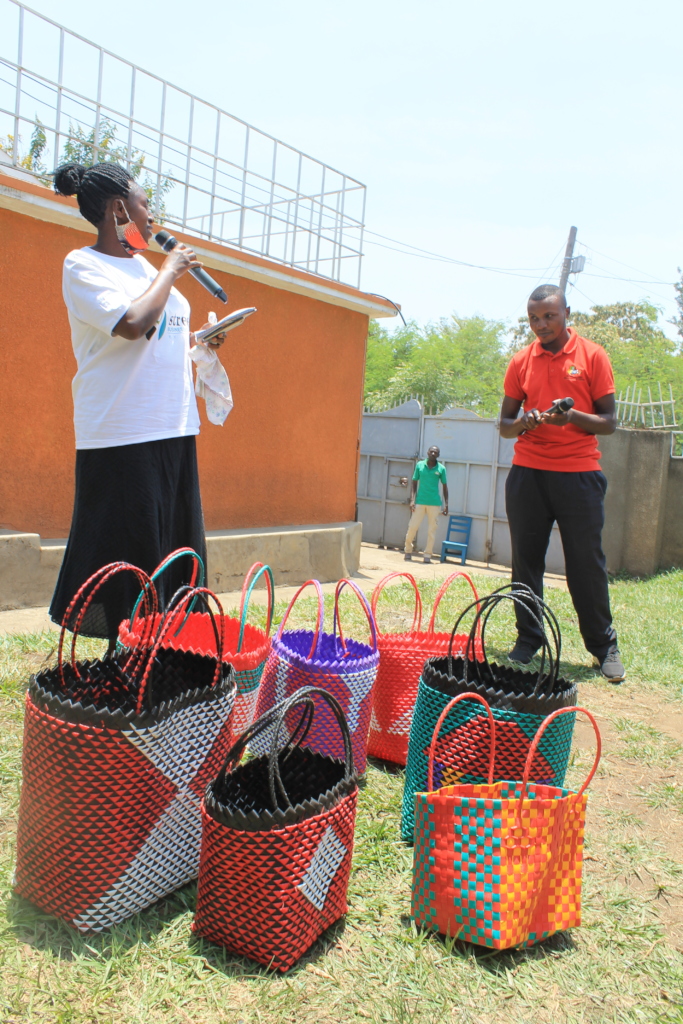
During the graduation party, many shared their experiences and how the programme has changed their family’s life. Neckson, a father of 4, told us his story that he would always worry about money, how to make sure there was enough to eat, pay for school fees and healthcare for his son, who has cerebral palsy and epilepsy. He was thrilled to be able to participate in the training and found the information useful and relatable. He was able to sell some matooke (plantains) that grows in his garden for 80,000 shillings ($21) and he bought some dried beans (common staple meal) to sell to his village, reducing the need for them to travel to the market. By selling the beans and reinvesting the profits into more produce, he now has a regular income of 200,000 shillings ($54) each month, giving him more security for his family. He plans to continue reinvesting his profits to build his business, and to be able to rent a small shop rather than the wooden stall he currently uses.
Mama Juliet told us how she sold a chicken for 10,000 shillings ($2.70) to start her business, using this money to buy mukene (small silver fish) and selling them for 12,000 shillings. Again, she reinvested this money into her business and continued selling for a small profit, now she has 100,000 ($27) to spend when she goes to market and is able to diversify her business to meet customer needs. She is proud to call herself a businesswoman and is looking forward to being able to do repairs on her house before the rainy season.
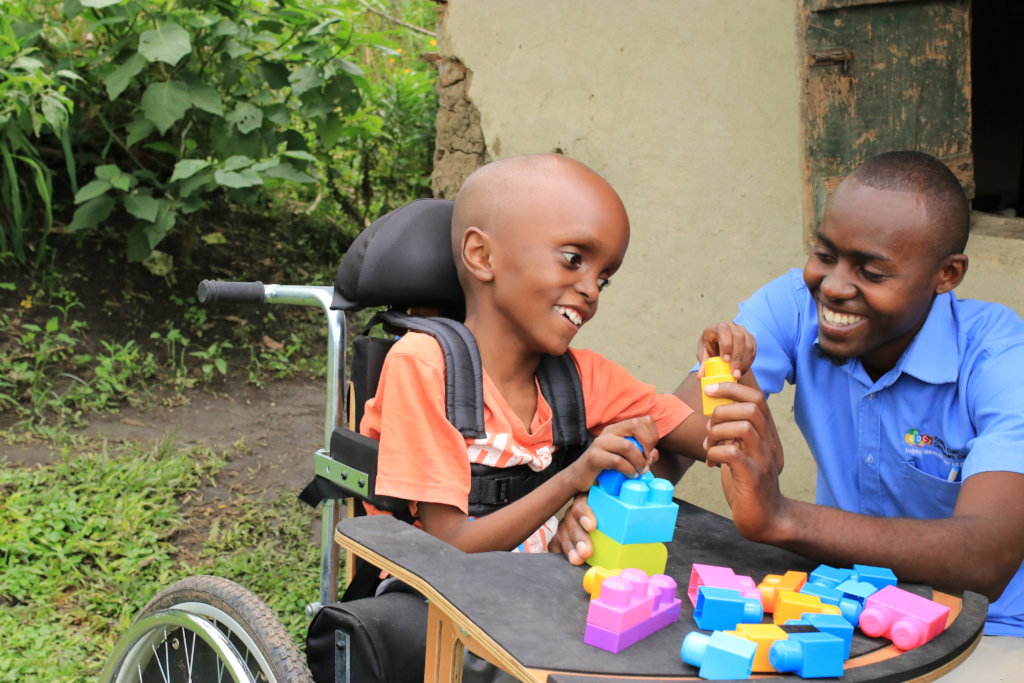
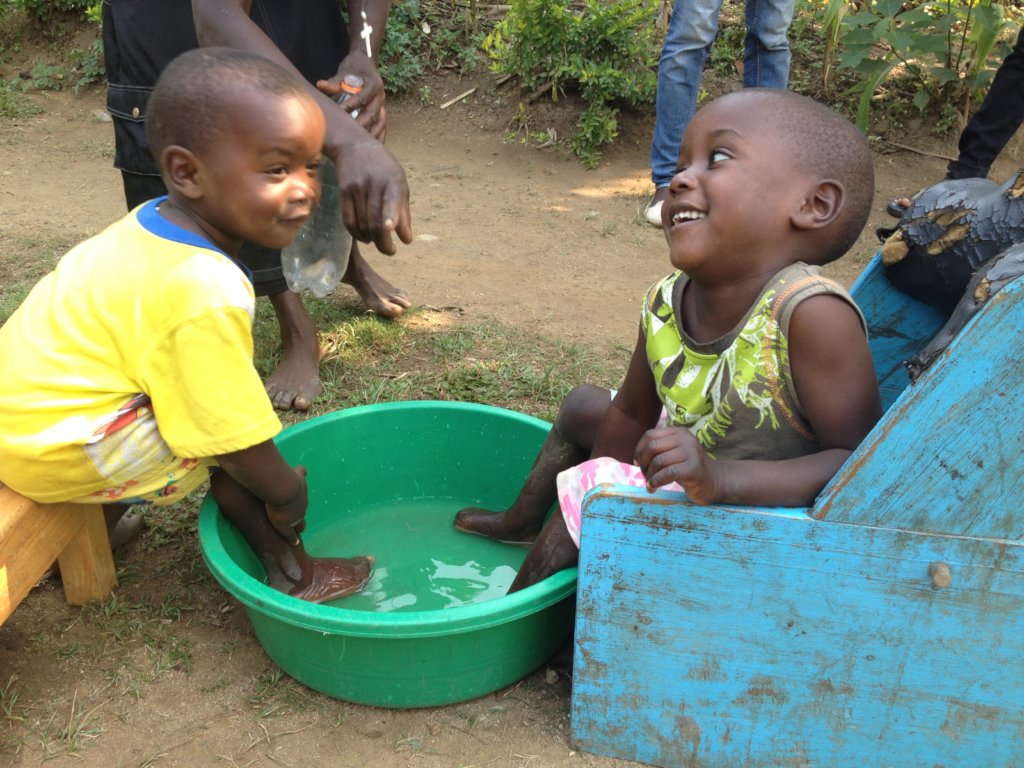
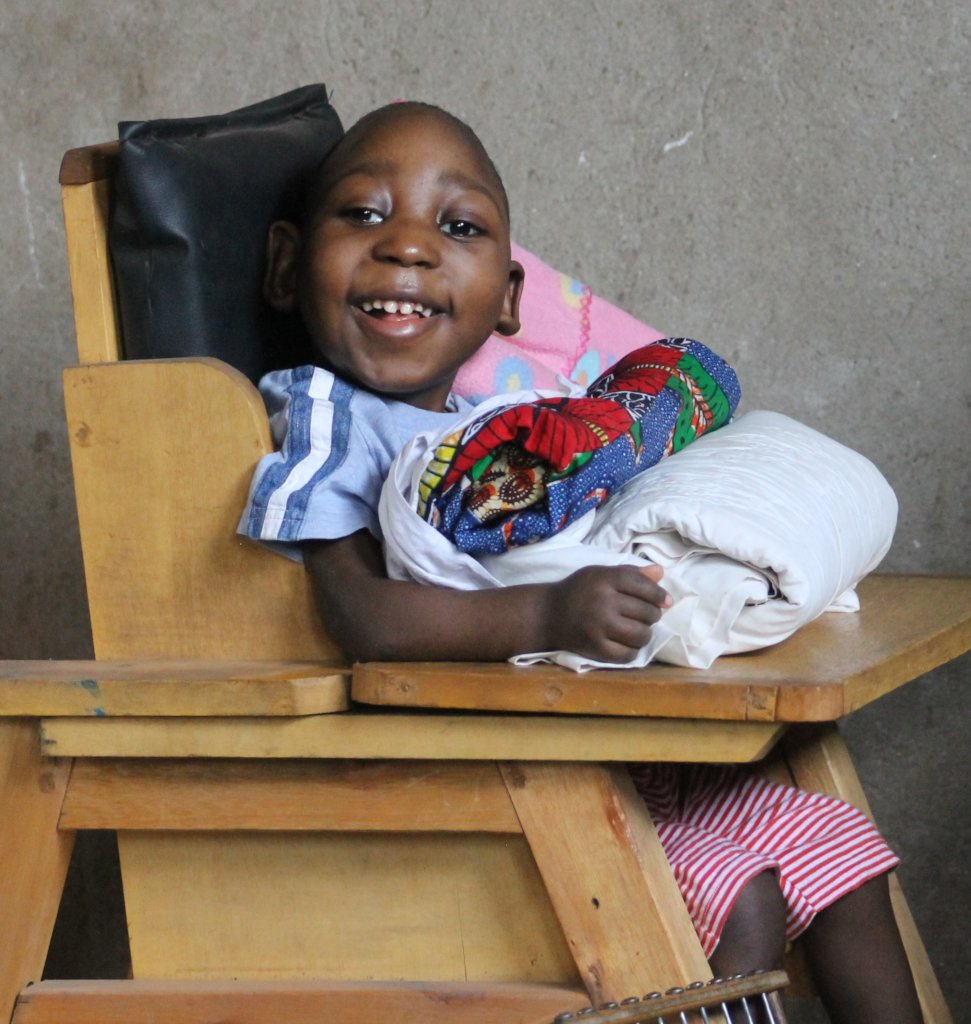
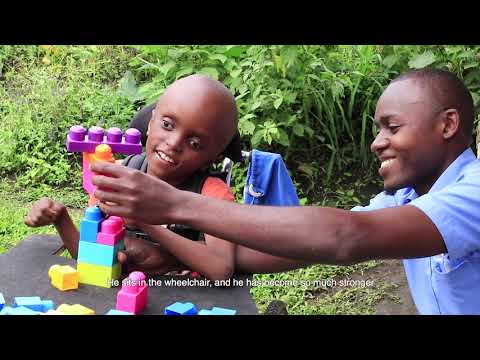
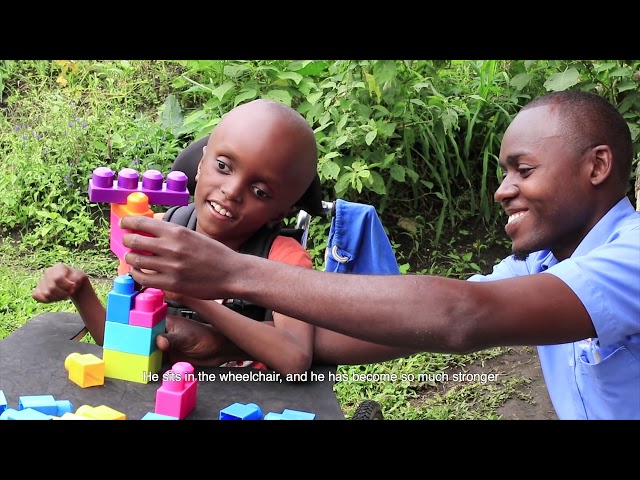
The Street Business School programme is just one of the ways that Kyaninga Child Development Centre works to support children with disabilities and their families in rural western Uganda. Our proposed centre of excellence, which we hope to start building in the next few months will ensure that more caregivers, like Neckson and Mama Juliet, will be able to find rehabilitation and medical services for their children, parent education and peer support groups to support their own understanding of disability, special education to enable their child to learn in an inclusive environment and economic empowerment to provide a secure future for their family.
Links:
Project reports on GlobalGiving are posted directly to globalgiving.org by Project Leaders as they are completed, generally every 3-4 months. To protect the integrity of these documents, GlobalGiving does not alter them; therefore you may find some language or formatting issues.
If you donate to this project or have donated to this project, you can receive an email when this project posts a report. You can also subscribe for reports without donating.



Support this important cause by creating a personalized fundraising page.
Start a Fundraiser