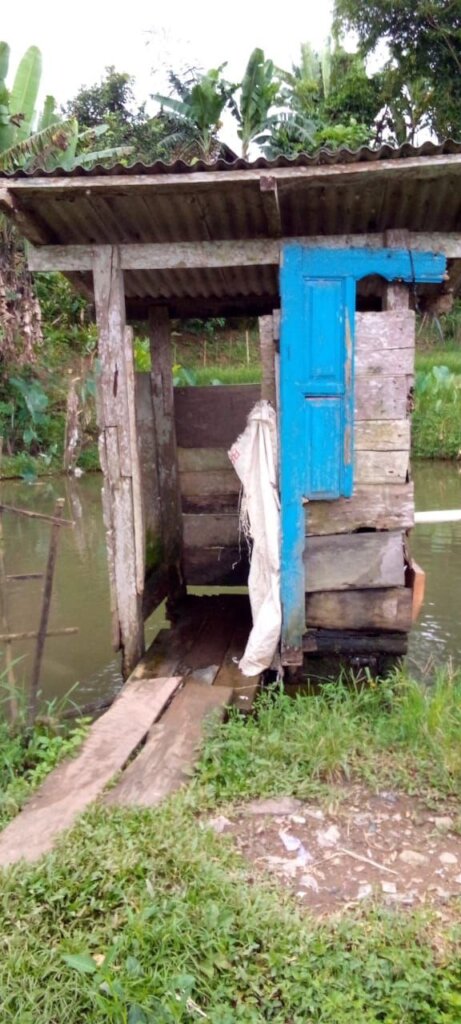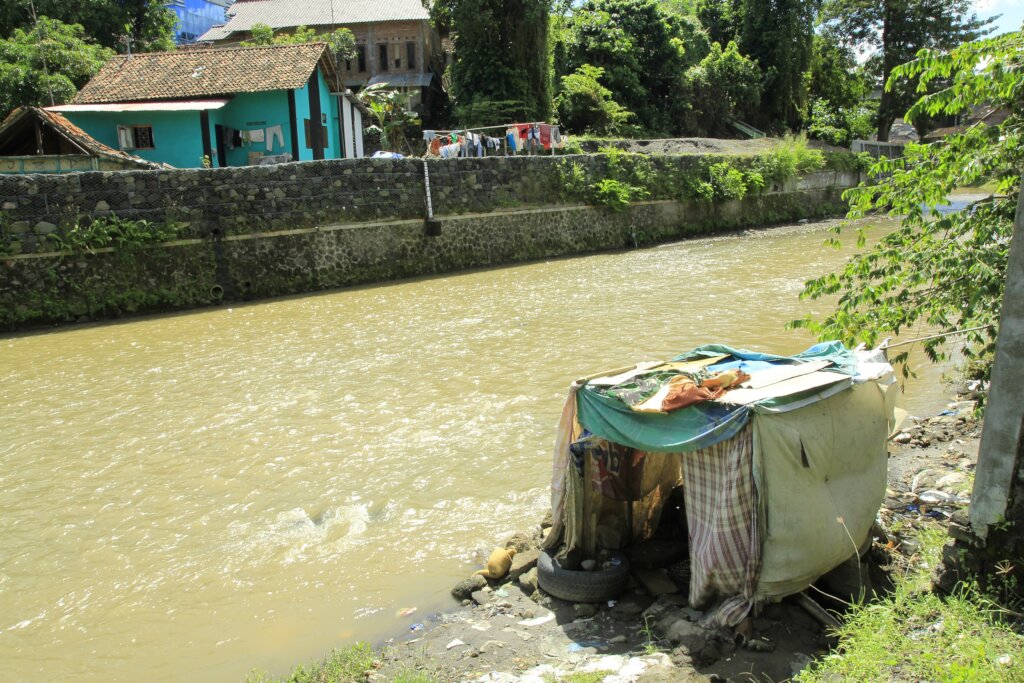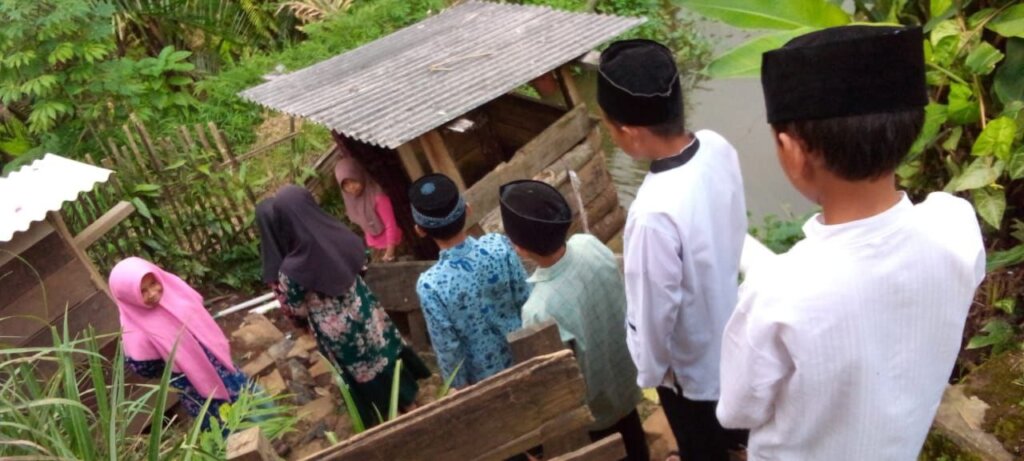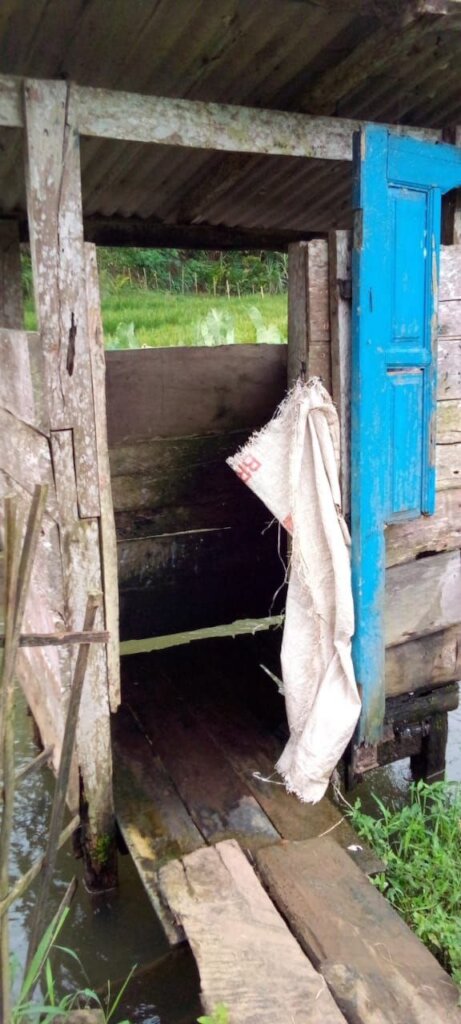
It may seem trivial, but their availability is actually vital! Sanitation facilities (bathrooms, washing areas, and toilets) and water sanitation must be considered alongside their availability and adequacy. They are not merely supplementary but also play a significant role in determining the condition of the surrounding environment.
1. Approximately 17.64% ( 50 million people out of a population of 270 million) still lack access to adequate sanitation. 2. Nearly 70% of household drinking water sources were contaminated with fecal waste in 2020, increasing the risk of infectious diseases such as diarrhea, cholera, and typhoid.
It may seem trivial, but their availability is actually vital! Sanitation facilities (bathrooms, washing areas, and toilets) and water sanitation must be considered alongside their availability and adequacy. They are not merely supplementary but also play a significant role in determining the condition of the surrounding environment. Pollution and prolonged health risks can stem from the same issue: inadequate MCK and water sanitation.
1. Reducing the risk of transmission of environment-based diseases (diarrhea, cholera, typhoid, parasitic infections, hepatitis A). 2. Breaking the chain of bacterial and viral transmission through contaminated water and soil. 3. Promoting hygienic behavior among the community. 4. Preventing contamination of drinking water sources by domestic waste. 5. Improving work and school productivity (as the community becomes healthier).



Support this important cause by creating a personalized fundraising page.
Start a Fundraiser