By Hope Okeny | Project Leader
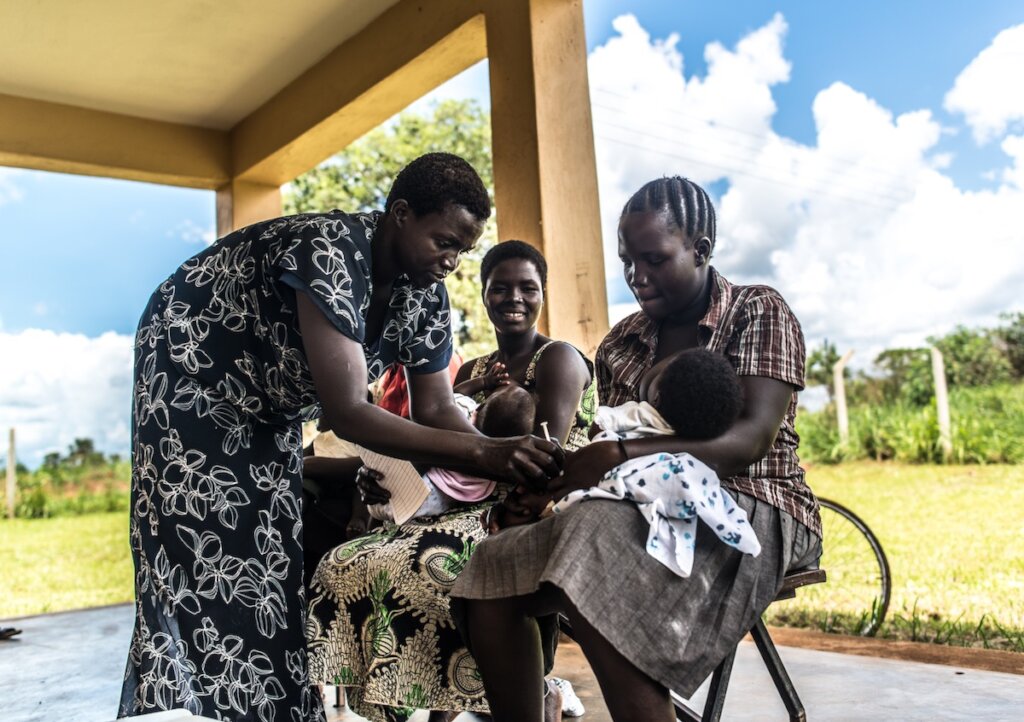
“Carefully slide her in the weighing bag. Be careful as she might cry thinking you are leaving her alone. Babies cry when their mothers leave them, ” Scovia explains to a mother who brought her child for regular immunization and check up.
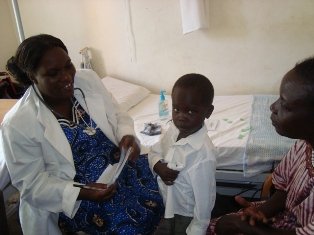
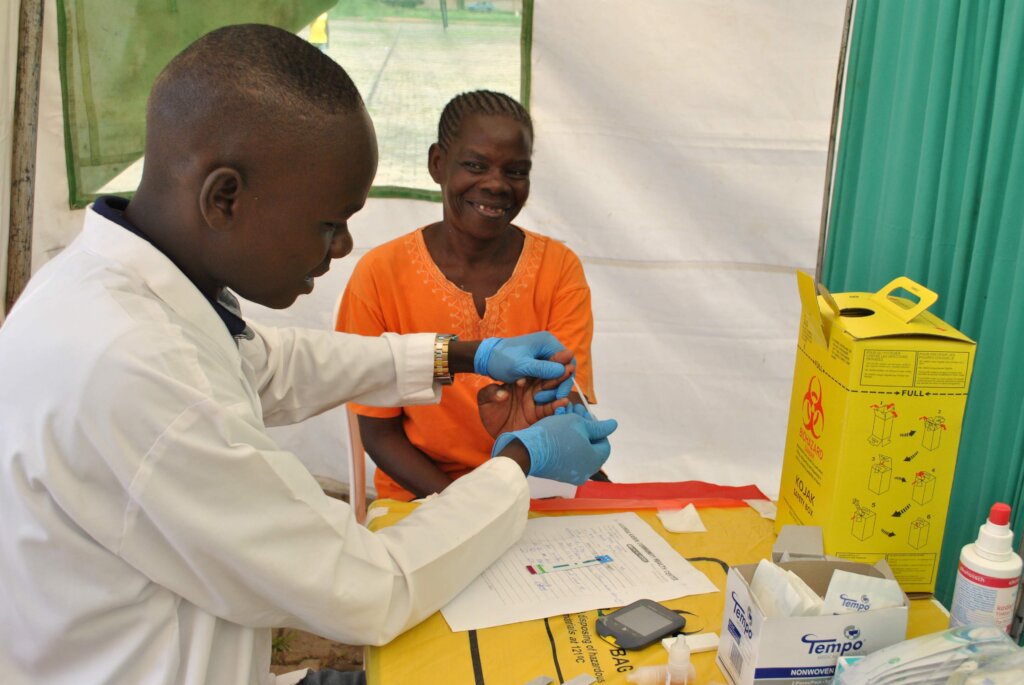
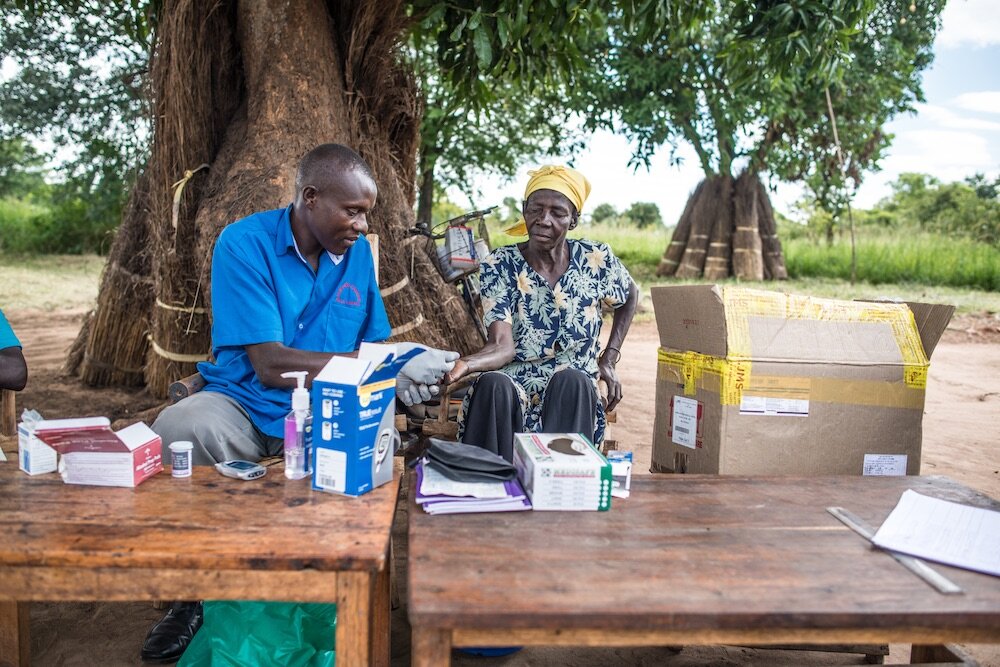
Scovia is a comprehensive nurse at the Karin Medical Centre, where she does many things including clerking, health education, family planning care to antenatal care.
Scovia is the kind of person who is constantly looking out for others. She frequently asks me how I’m doing and reminds me to change my gloves whenever I’m working in the antenatal clinic. And if I forget to follow through on something, I can always count on Scovia to remind me. She’s kind of like a nagging—albeit compassionate person.
Scovia has been blessed to work in a health centre, as a mother she has not had the challenges that many mothers in this community go through. When she learnt that she was going to be a mother, she sought out the best care for her herself and her baby. She received regular check-ups, made sure all of the necessary preparations were in place weeks before her delivery. She ensured that her baby received all the vaccines needed.
Although I think it’s safe to say most mothers, regardless of their circumstances, desire the best for their children, Scovia and her baby underscore the value of a thorough education and proper resources when it comes to maternal and newborn health. She made proper research. And between Karin’s assistance and her own awareness, she has had access to optimal care.
But Scovia’s story is not the typical narrative for most people, especially women in Uganda. As Nicholas Christoff writes in his book, Half the Sky, “The equivalent of five jumbo jets’ worth of women die in labor each day……. Overall in sub-Saharan Africa, the lifetime risk of dying in childbirth is 1 in 22. In contrast, in the United States, the lifetime risk is 1 in 4,800.”
And these aren’t just abstract statistics. These are staggering and unacceptable realities for women here, in Uganda, and, more specifically, Gulu.
When I ask Scovia what she views as the biggest obstacles to healthcare in Uganda, she offers a few short and direct explanations:
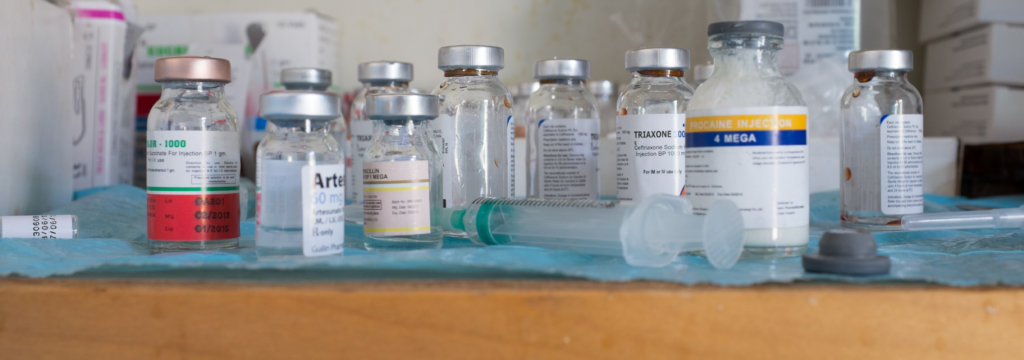
“Money. It is expensive to deliver babies and expensive to treat for many illnesses” she says. For example delivery alone costs about 90,000 USH (the equivalent of $27, a considerable price for most Ugandans), and up to 1,500,000 USH ($421) or more for Caesarean deliveries. Although government hospitals in Uganda are—in theory—free, nurses or doctors will typically charge their own prices for any services. Many women seek out Traditional Birth Attendants (TBAs)—women with no professional training, who employ herbs and other traditional forms of medicine—simply because they’re cheaper.
Another big issue is distance. Many people just don’t have access to proper medical facilities. Or they live extremely far away from the nearest hospital or clinic. As Scovia says, “For expectant mothers they will just go to a TBA because they can’t get transportation or something easy. Some women even deliver right on the road while they are waiting for a motorcycle or taxi ride.” Some will seek the help of a herbalist to treat malaria.
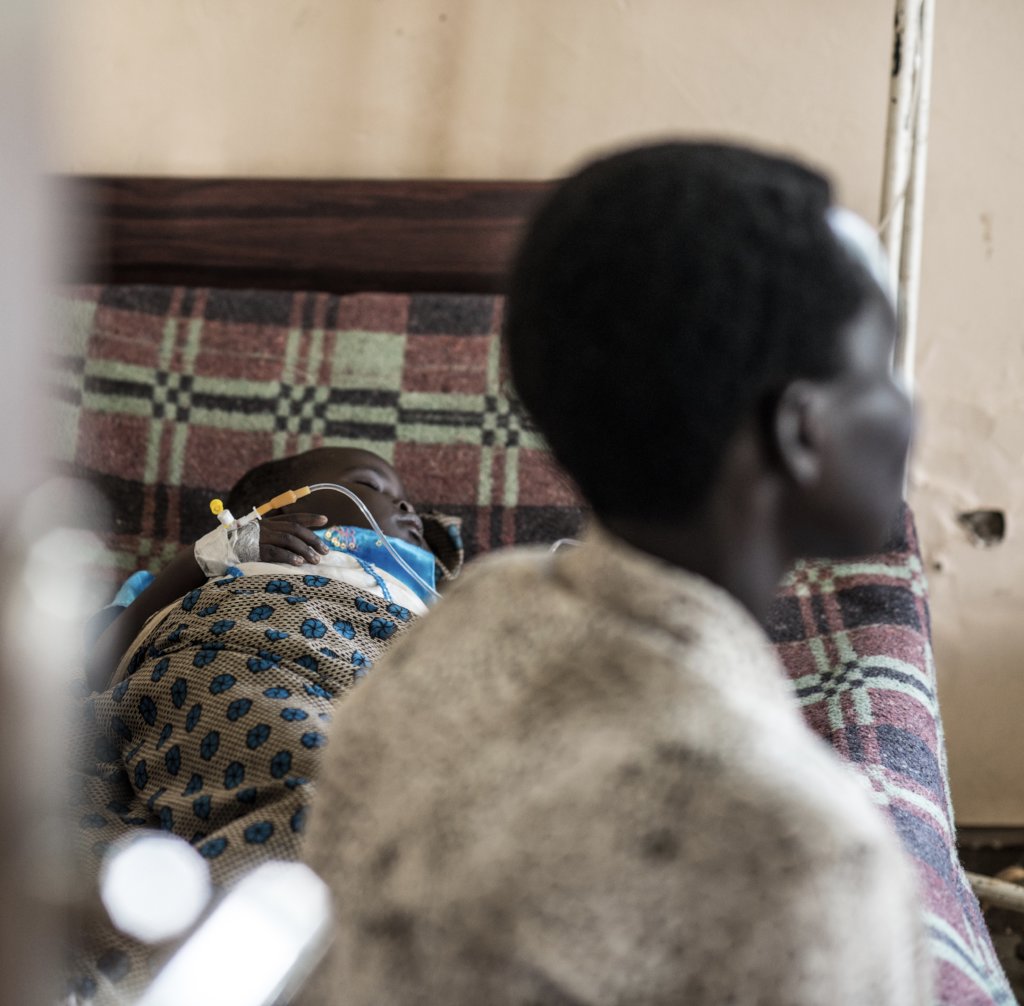
In addition, the medical personnel at government facilities or hospitals are often unfriendly and rude to patients (that is if they even show up—many staff at these places aren’t required to clock in or out and get paid regardless). And, to some extent, their attitudes are understandable. The hospitals are typically overworked and understaffed. “There are many women in the same room and the hospital doesn’t have the right medications available or clean materials,” Scovia notes, “Sometimes there are 3 midwives for twenty patients.”
All of these discourages women from going to hospitals or clinics for maternal care. But it’s also why the Karin Medical Centres were such crucial developments for Gulu and the surrounding community; the health centers will give the community especially women and children affordable, easily accessible place to deliver their babies and receive treatment. Not to mention, the personalized care, and friendly staff.
In the words of Scovia, “There are no better facilities…they know we will help them.”
Scovia plots the records of the baby weights on the child health card and tells the mother when to return for the next appointment.
To ensure the continuity of our work we appeal to you to share our global page with your contacts and tell them about us. Even more we ask you to consider signing up for a monthly recurring donation.
Thank you for your support!
Links:
By Hope Okeny | Project Leader
Project reports on GlobalGiving are posted directly to globalgiving.org by Project Leaders as they are completed, generally every 3-4 months. To protect the integrity of these documents, GlobalGiving does not alter them; therefore you may find some language or formatting issues.
If you donate to this project or have donated to this project, you can receive an email when this project posts a report. You can also subscribe for reports without donating.
Support this important cause by creating a personalized fundraising page.
Start a Fundraiser