By Hope Okeny | Project Leader
A community-focused approach
According to the 2015 Malaria Indicator Survey, Malaria is endemic in approximately 95% of the country, affecting over 90% of the population. The remaining 5% of the country consists of unstable and epidemic-prone transmission. The central north in particular suffered a serious outbreak of malaria in the period for the last one and a half years and this has destabilised the response.
For the last five years, the country has intensified actions to bring malaria under control. At the health centre we are ensuring that we are on track in carrying out interventions to control Malaria as we move towards the pre-elimination phase. One of this interventions is the Case Management – Application of the Test, Treat and Track principle, Integrated Community Case Management
Though cases of malaria incidences have reduced in the last few months, the Ministry of Health have intensified its bid to eventually eliminate malaria in the region. Long lasting Insecticide Nets (LLIN) that have been provided to our health facilities and through a mass distribution campaign
The campaign, dubbed “Areymo Malaria – Sleep under a Mosquito net” is coined because of the one year epidemic in Northern Uganda . The campaign is intended to reduce the Malaria morbidity and mortality through achieving universal coverage with LLINs. The campaign aims to ensure that 85% of targeted populations have access to a LLIN and 85% of all nets distributed are utilised.
“Most households do not use treated mosquito nets,” said George a long time serving community health worker.
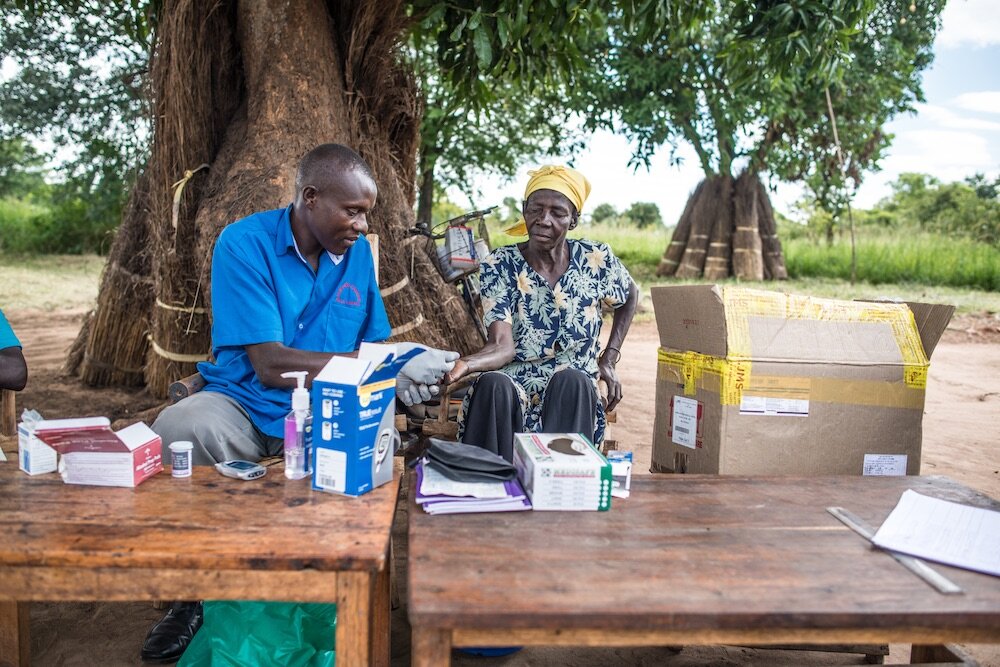
When he began as a volunteer in 2008, George saw many cases of malaria, but there was little he could do. With no support for diagnosis or treatment, he could only educate community members about the dangers of malaria and urge those with a fever to seek out care in the nearest health centres many miles away.
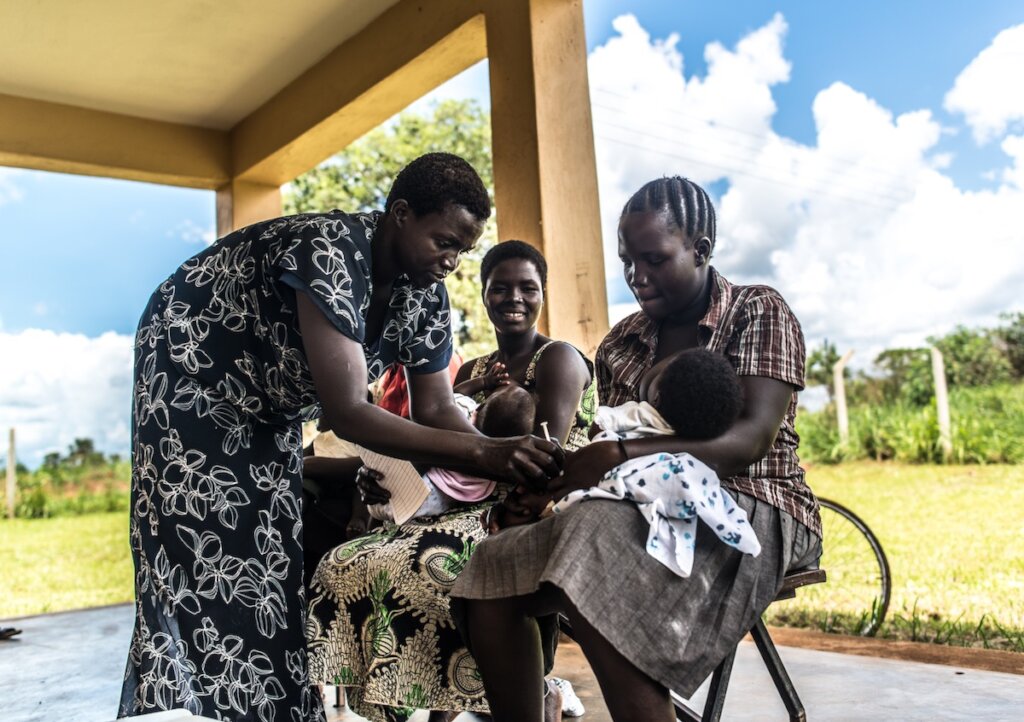
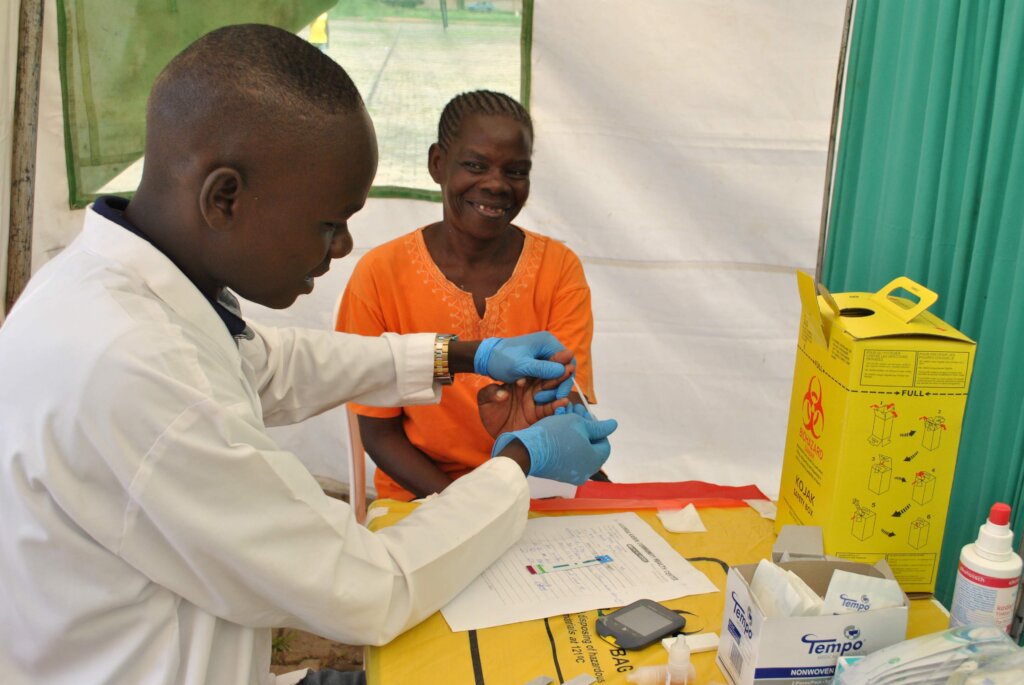
That afternoon, George administered a rapid diagnostic test to a young man with fever and explained how to avoid infection. He then gave the family a treated mosquito net. With 21 children of his own, he could speak from experience. Sweat beading on his brow, he focused intently on the process, and then paused for a question from Gloria.
“Am I tired?” he said with a laugh. “Oh no. I will be doing this for many more years. I’m happy because I’m helping my community.”
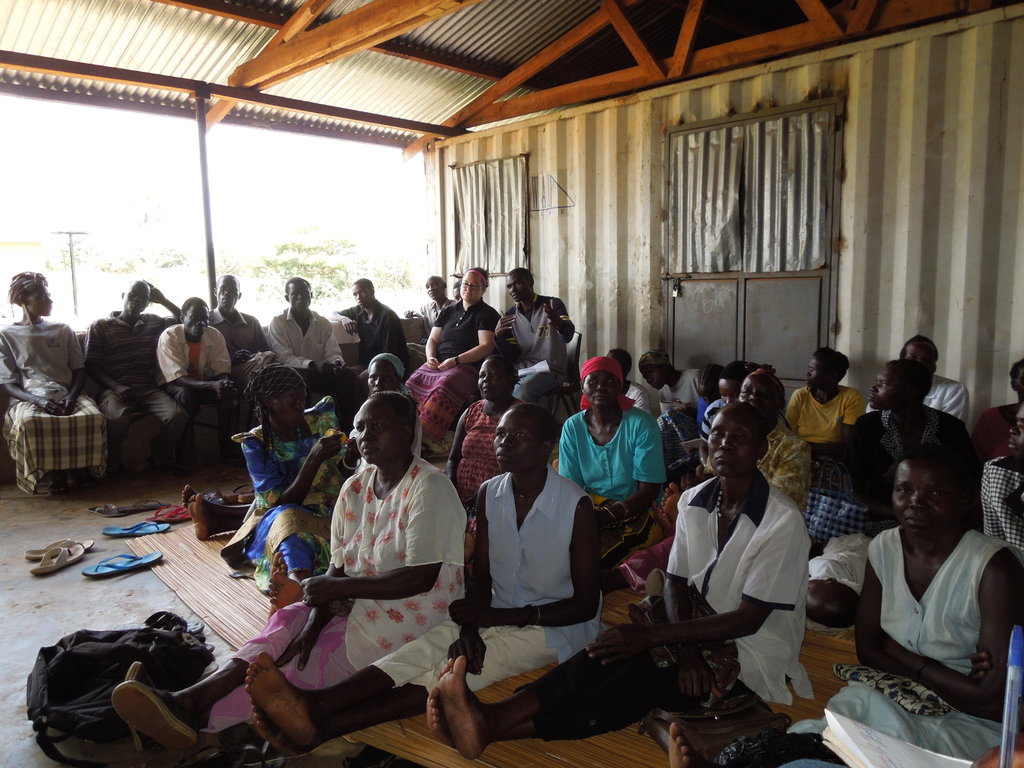
George and other community health workers are trained, but they’re supervised by local health facility. Close collaboration with these groups has been a key to “Aryemo Malaria’s” success, particularly in faraway places like Cetkana village.
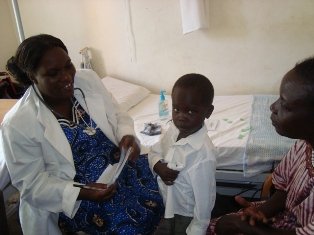
“Many of the communities we serve are very hard to reach,” said Clinical Officer Gloria, the incharge of Karin Medical Centre, Unyama. “And if you aren’t well known, it can be difficult to mobilize the people.”
This in itself, she says, may be the health centre’s greatest achievement of all.
“As soon as you say Karin, people come. They know us, and they know how we work—that the health centre belongs to them.”—Gloria
We thank you for the continued support.
Friends have you considered signing up for a monthly recurring donation today.
Thank you for your support!
Links:
Project reports on GlobalGiving are posted directly to globalgiving.org by Project Leaders as they are completed, generally every 3-4 months. To protect the integrity of these documents, GlobalGiving does not alter them; therefore you may find some language or formatting issues.
If you donate to this project or have donated to this project, you can receive an email when this project posts a report. You can also subscribe for reports without donating.



Support this important cause by creating a personalized fundraising page.
Start a Fundraiser