By Mark Ashby | Country Director, Raleigh India
Dear Friends of Raleigh,
Thank you very much for supporting our work with tribal communities in India.
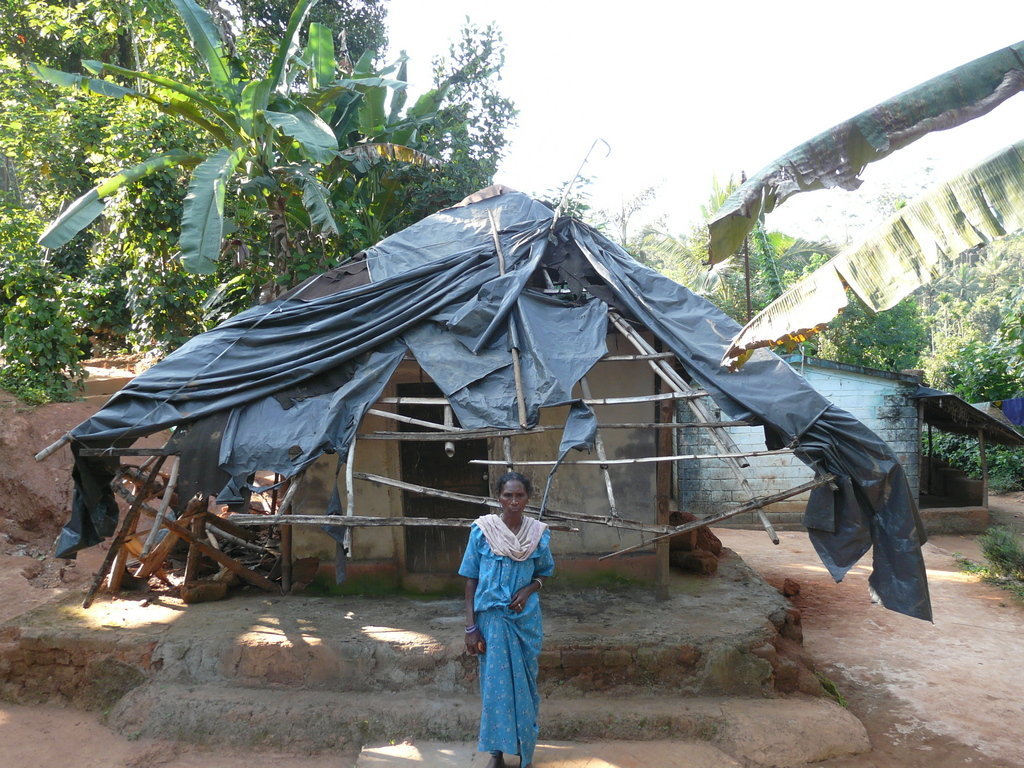
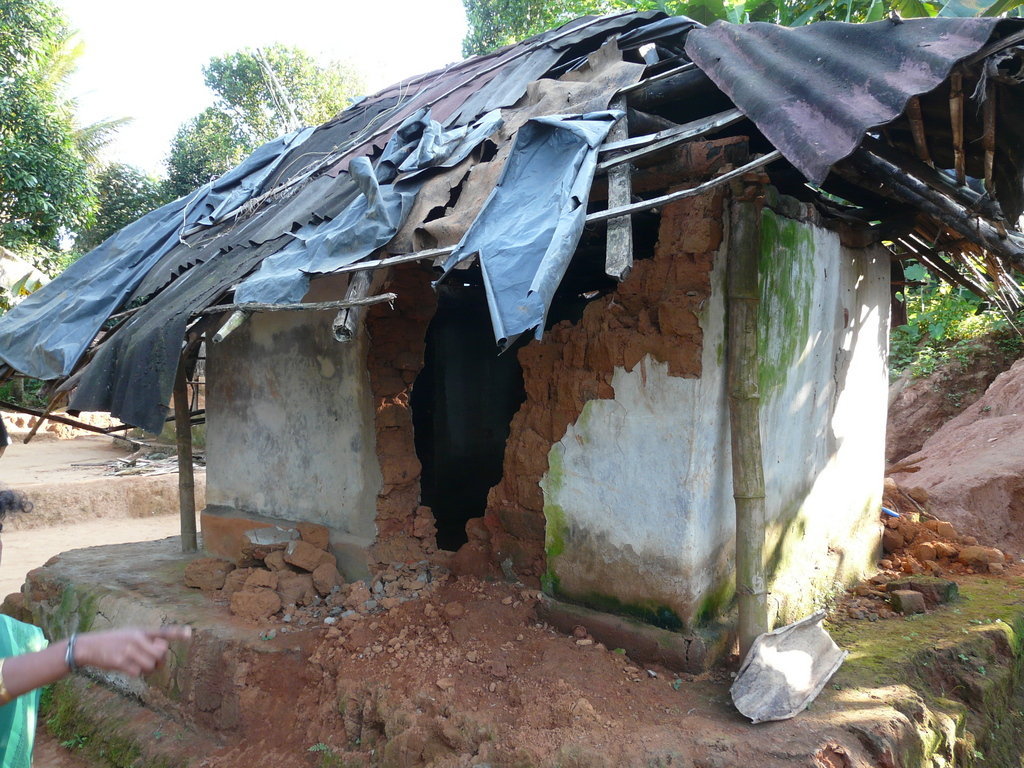
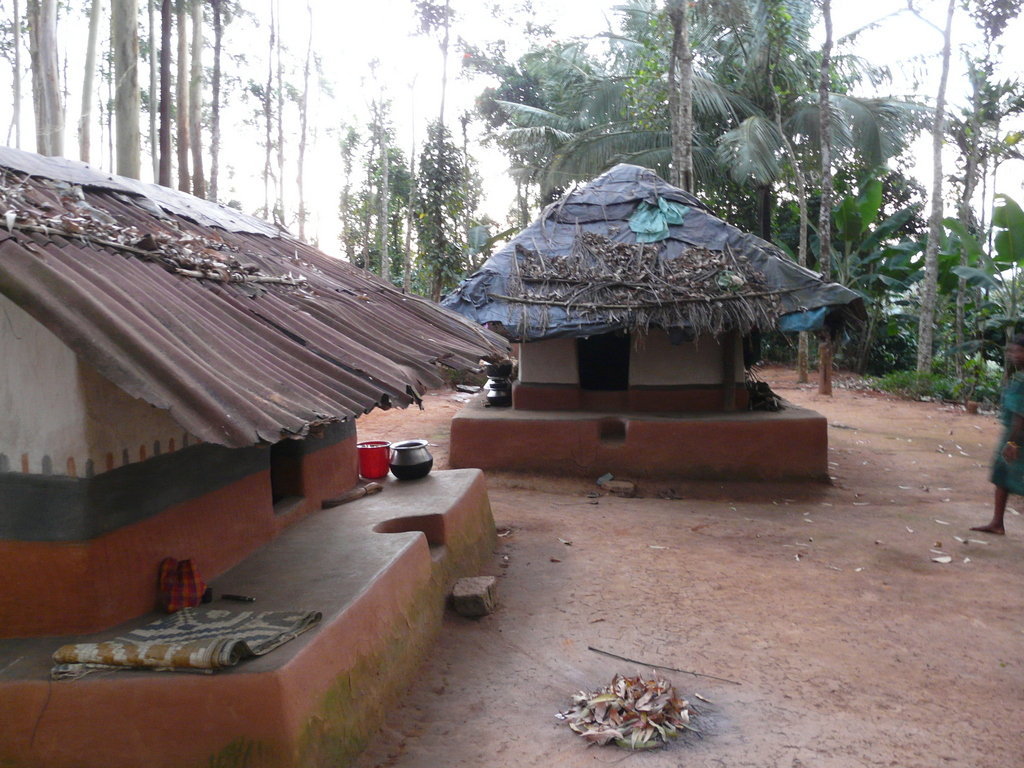
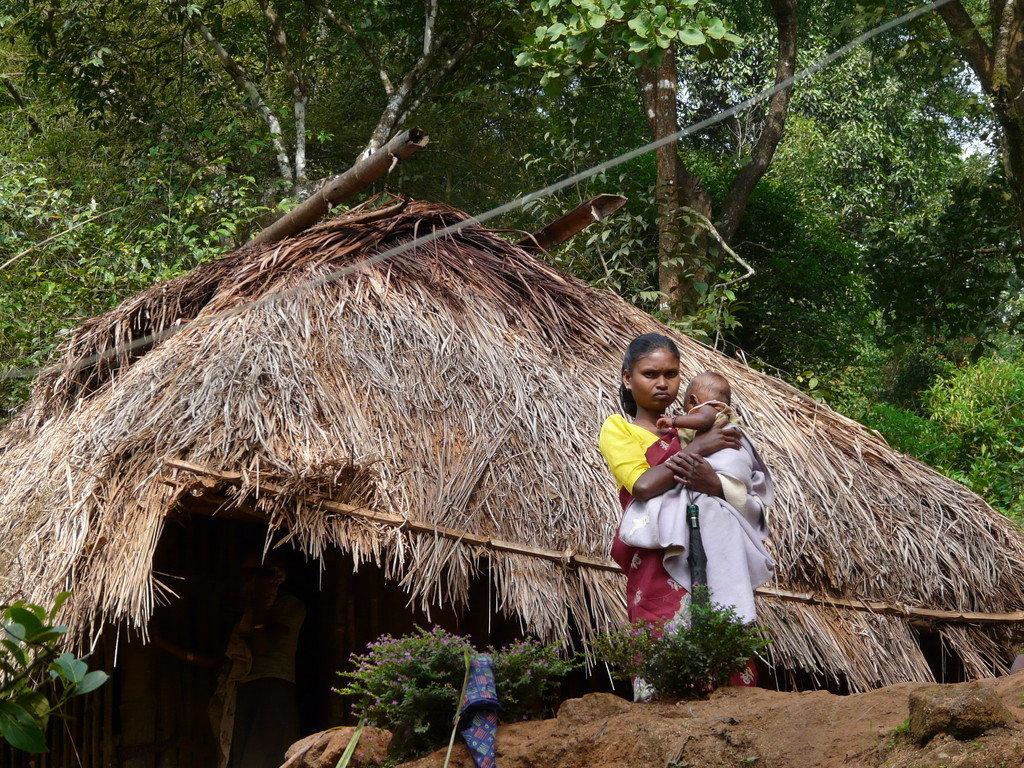
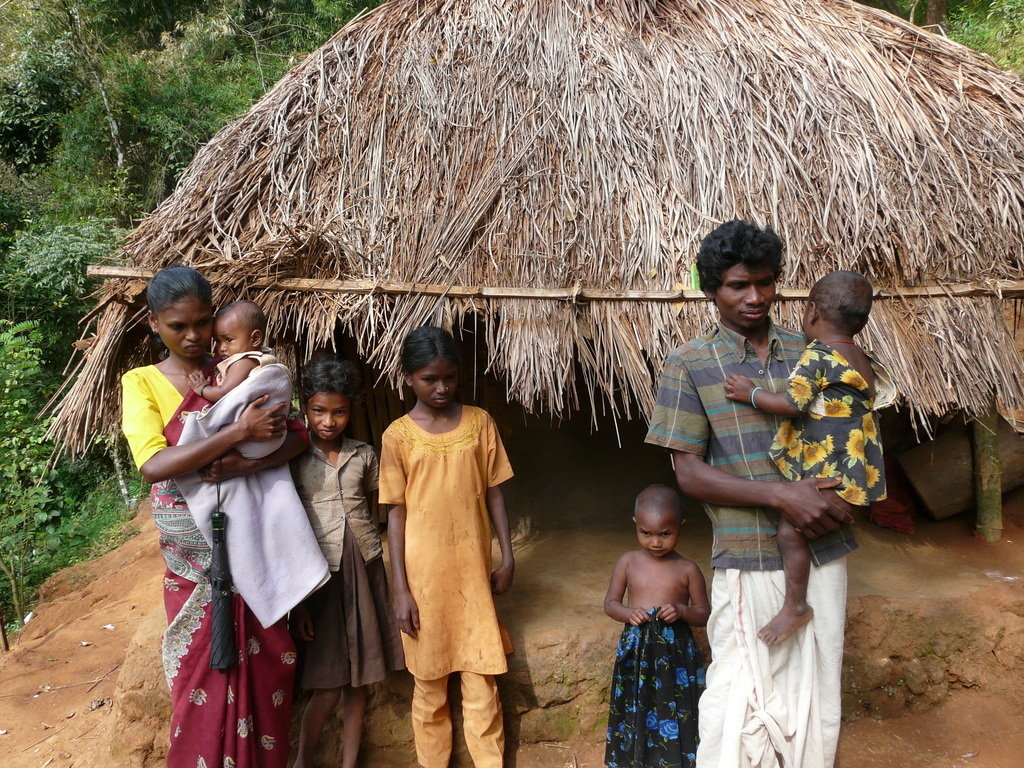
Last year we reported that seven of the 14 tribal houses had been completed for the Kattunayakan people during July and August 2009. I am now delighted to report that the final seven houses for the Paniyan people were completed during October and November 2009.
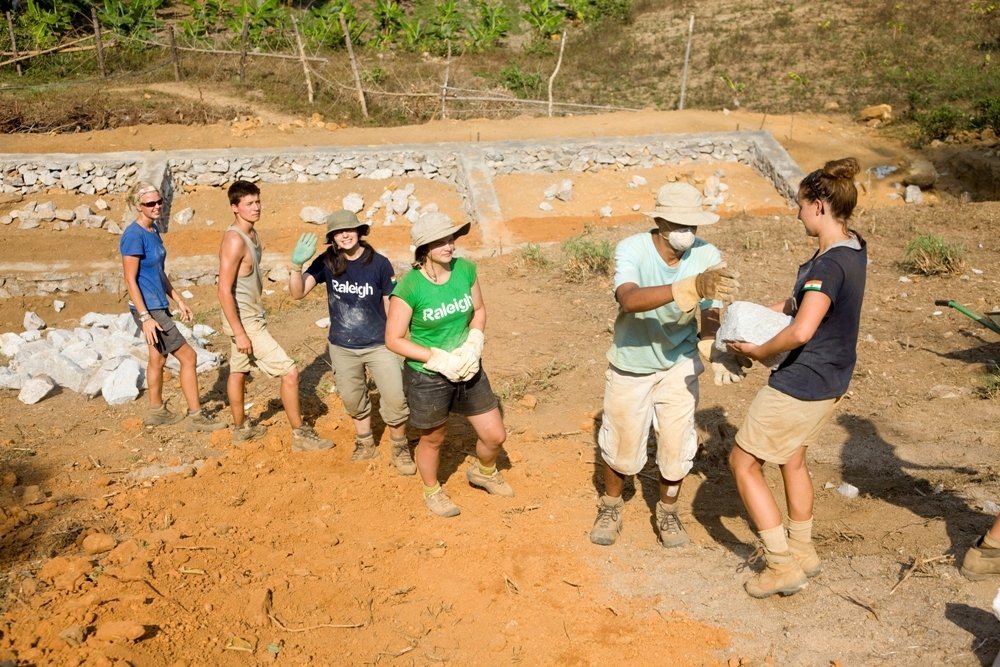
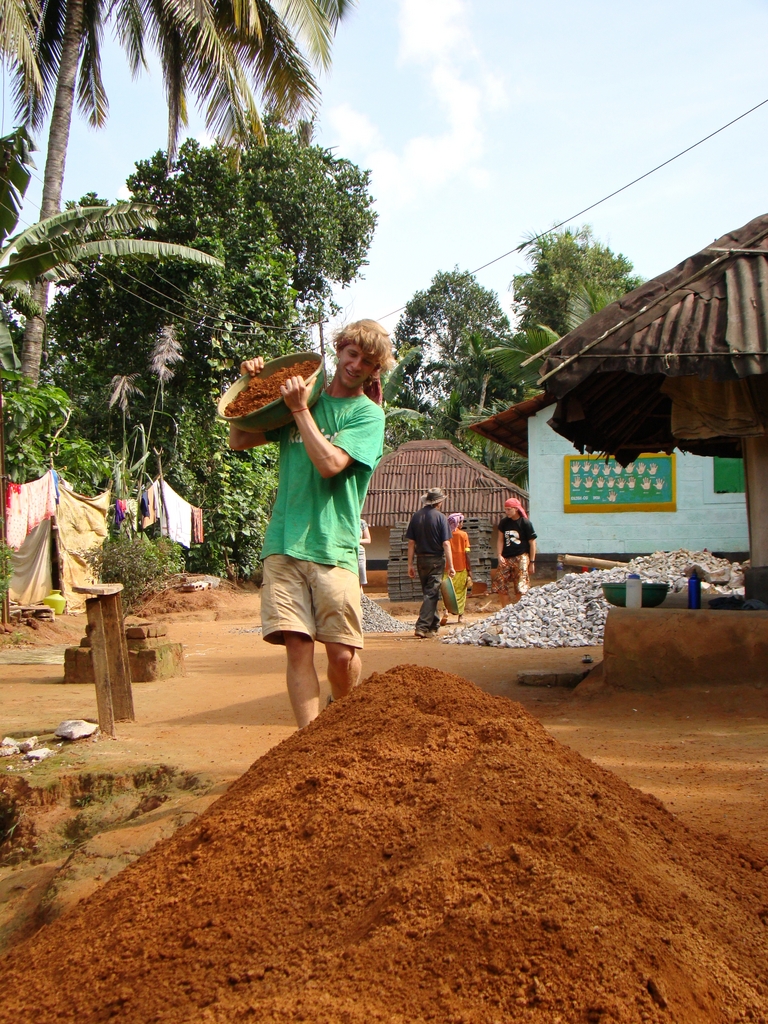
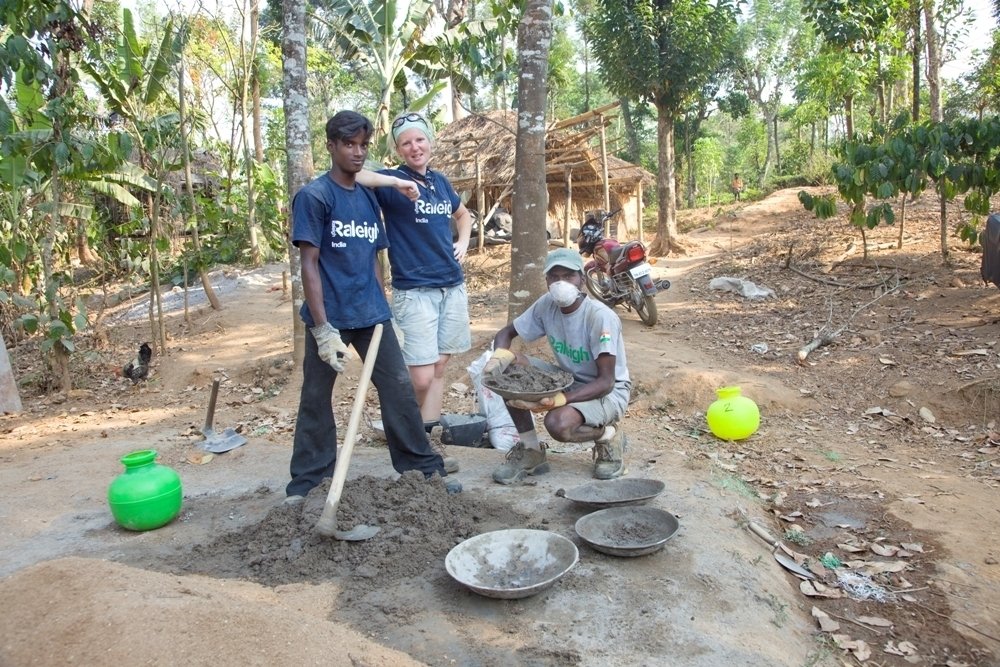
This was a huge achievement as the houses were completely built by hand in an exposed and therefore hot environment.
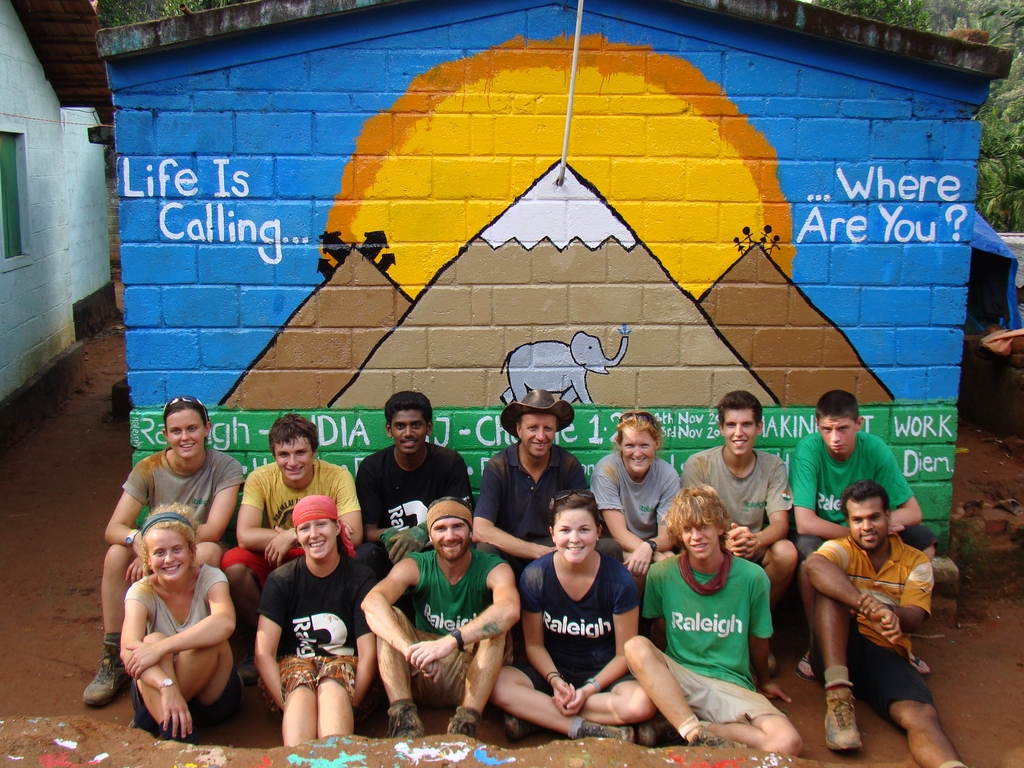
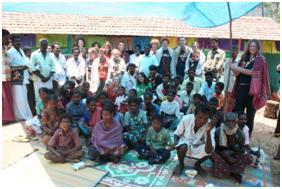
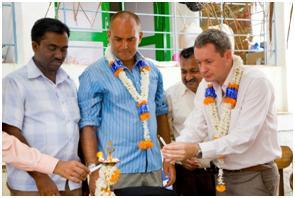
We continued to build our strong relationship with our project partner, the Centre for Tribal and Rural Development (CTRD) and also developed a good relationship with the community. CTRD have been working within this village for many years which was important for us as the tribal people were particularly shy and wary of visitors. The village had a community group who liaised between the whole village and CTRD and as an extension Raleigh. The community fully contributed to the building of their homes working alongside expedition participants.
The real cultural experience and challenge to the venturers was through living in remote basic conditions. Located in a small tented camp the venturers were required to collect water from a stream 1km up at the top of the village, this water was used for washing, cooking and drinking. Another challenge was the digging and use of a long drop. Food was prepared by the villagers providing an opportunity to see and experience the basic supplies on which the communities survive.
Living and working in a remote area with very basic amenities is the real challenge to many of our participants who often have never before camped let alone used a long-drop. The stripping away of worldly possessions and surviving on a few basic items, washing their own clothes and cooking for the group in addition to hard physical work required the venturers to not only work hard but also work as a team. The environment provided an opportunity for the participants to develop their leadership and teambuilding skills, gaining confidence and a real sense of team and individual achievement. There was also a shared understanding of cultures between the community and the venturers.
Outcomes for the community
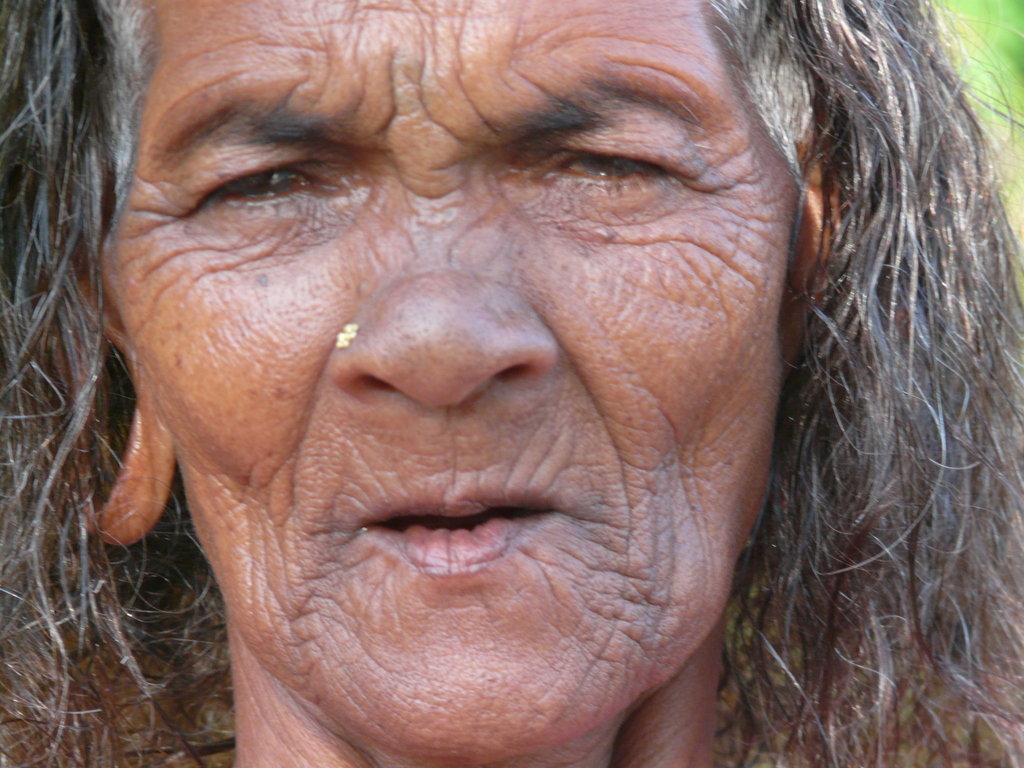
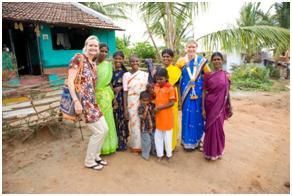
Whist working in the village we have witnessed first-hand so much enthusiasm and gratitude as the community are clearly delighted with their new homes that they have all settled into.
Although it is too early to clearly recognise statistical trends, the verbal feedback received in discussions with the families who benefited from this phase of the project included:
- All seven families (35 people) in the village are clearly benefiting from improved drier warmer living conditions and were extremely positive about our involvement in their community
- Health problems amongst the young children were mentioned as being specifically decreased even during this wet monsoon month
- Women say that the houses are cleaner and less dusty easier to manage and keep clean. The women were also very proud of their new homes
- The families feel safer inside the stronger housing that is not vulnerable to elephant damage This project has dramatically increased the quality of life and given a positive outlook for the Paniyan people. They are also so pleased that we are continuing to be involved with the village and supporting them further in their aspirations for a better future in particular for their children.
We will be in touch in the future with updates on our work in India.
Thank you very much for your support. You have made a real difference to the lives of the Kattunayakan and Paniyan tribal peoples of India.
Best wishes,
Mark Ashby, Country Director Raleigh India
Links:
By Mark Ashby | Country Director, Raleigh India
Project reports on GlobalGiving are posted directly to globalgiving.org by Project Leaders as they are completed, generally every 3-4 months. To protect the integrity of these documents, GlobalGiving does not alter them; therefore you may find some language or formatting issues.
If you donate to this project or have donated to this project, you can receive an email when this project posts a report. You can also subscribe for reports without donating.