By Craig Grant | Senior Operations Manager
Behind everything this project does is a simple conviction: that every life lost to war should be accounted for, and every grieving family's search for answers respected. Tens of thousands of people are killed in conflict each year, yet most are never properly identified or documented. Over recent months, this project has moved from the energy of coming together in person to the quieter, and no less important, work of helping to close that gap.
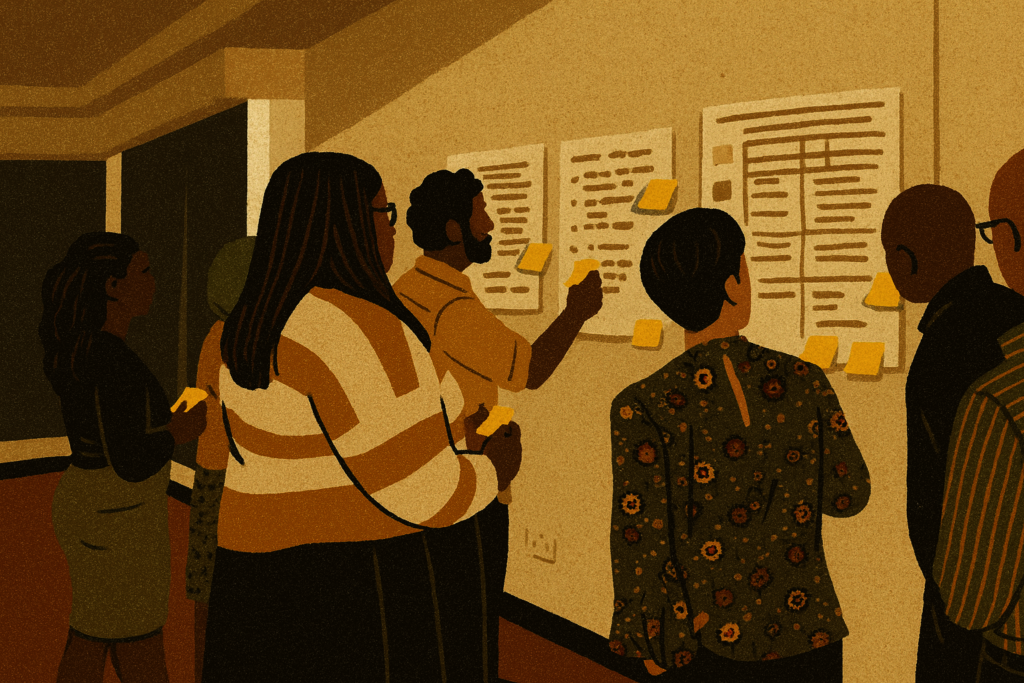
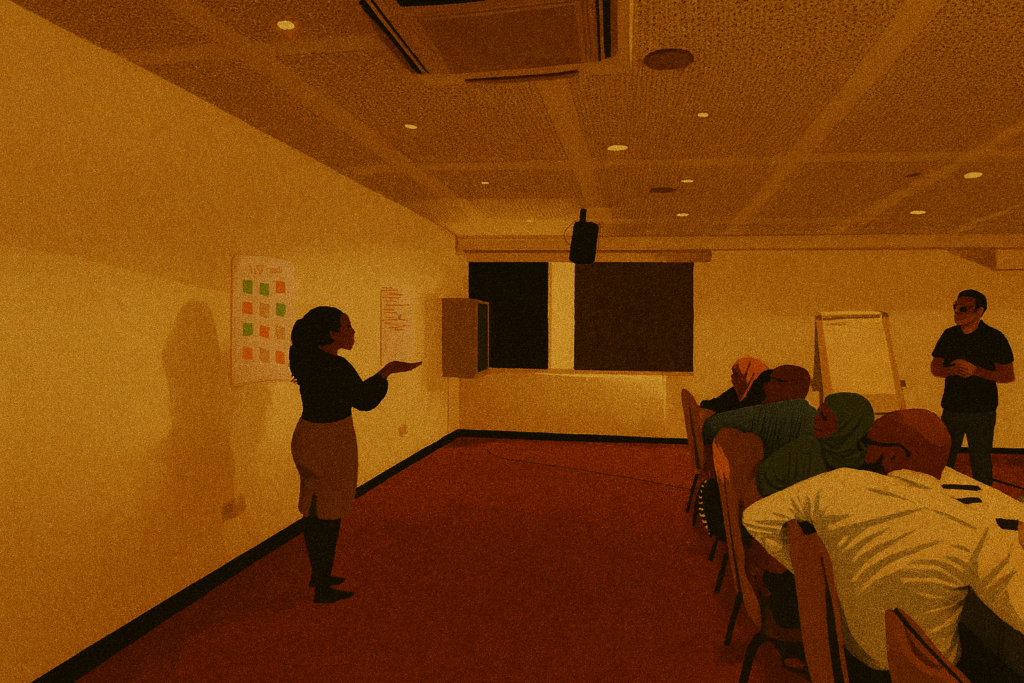
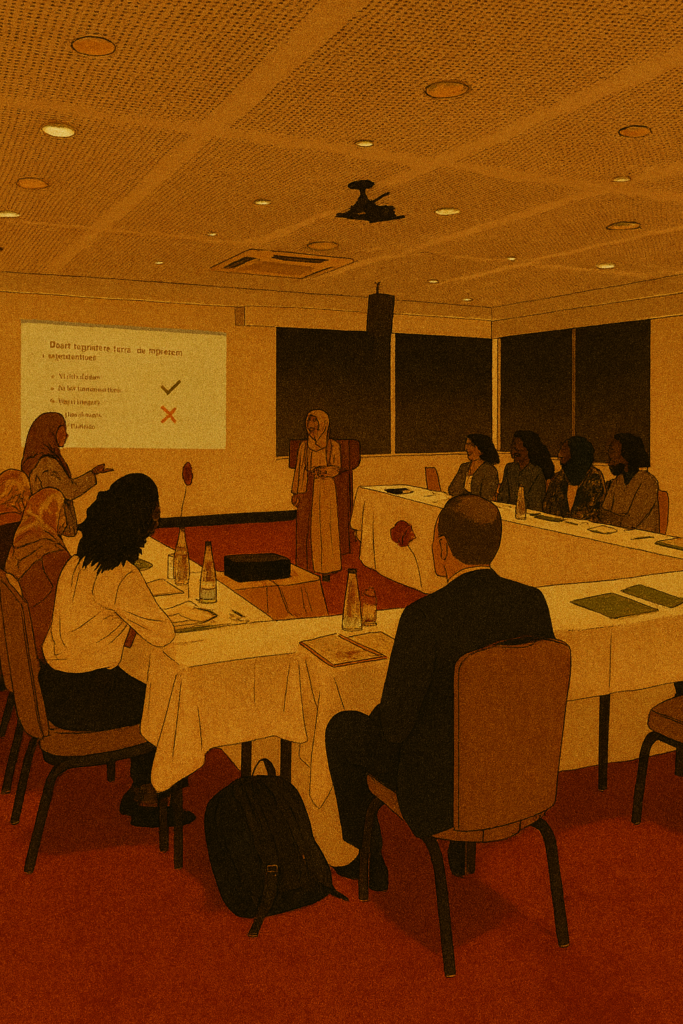
Following the in-person training, participants have continued to develop and refine their own approaches to documenting casualties in conflict. With ongoing one-to-one support, they have been strengthening their work in the areas that matter most: the methods they use to gather and check records, the safety of the people carrying out this work, and the security of the sensitive data they hold.
A group of experienced practitioners from across the wider network has been offering technical guidance and helping participants align their methods with shared standards for casualty recording. The aim is not to impose a single way of working, but to make sure records are accurate, consistent and credible wherever they are gathered, and that local knowledge stays at the heart of the work.
Alongside this, many participants have been completing an online training course and related assignments, building on what was first shared in person. This blend of hands-on learning, peer exchange and continued mentoring is helping to ensure that casualty recording is not only high quality, but also sustainable and locally led, so that it can continue for as long as it is needed.
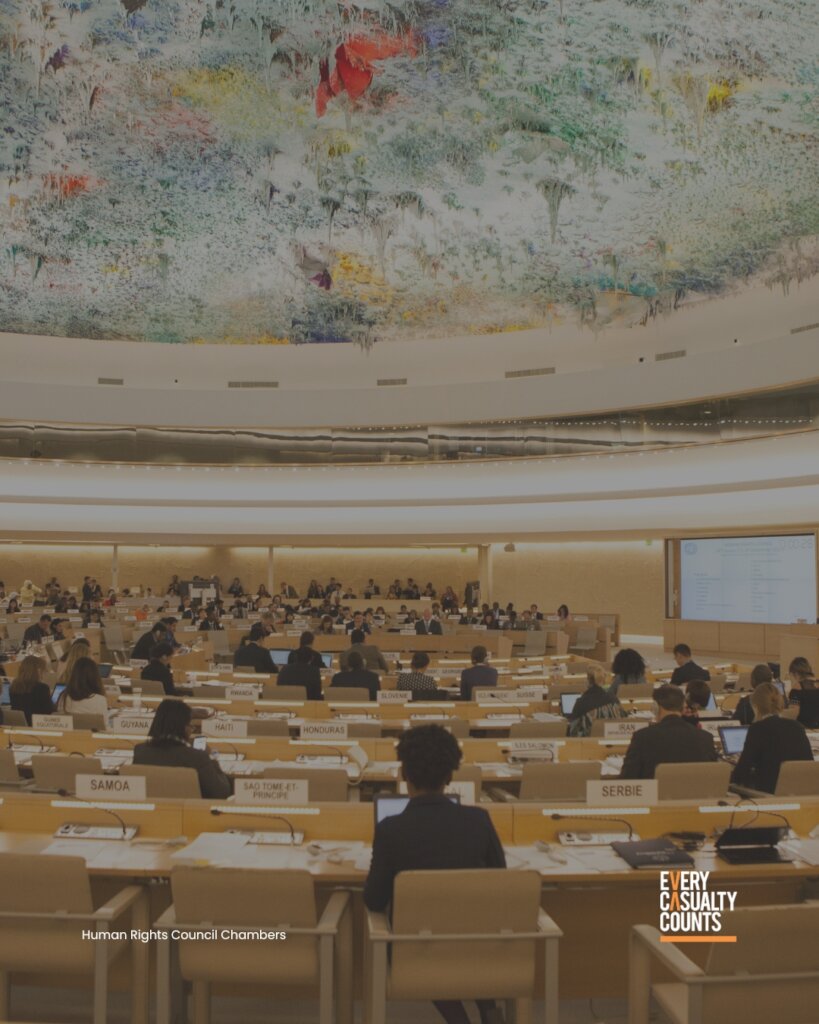
As the last update anticipated, the project is now placing a growing emphasis on how these records are used, and recent months have shown what that looks like in practice. At the most recent session of the UN Human Rights Council, Every Casualty Counts helped bring the voices of network members directly into the Council chamber. Joint statements were built on years of patient local documentation: one, with a member organisation in the Democratic Republic of the Congo, drew on more than 5,000 deaths recorded in the country's eastern regions since 2019, including over a thousand children; another, with a member in Yemen, set out the toll of landmines on civilians over the past decade, hundreds killed and injured, many of them children. Each statement rested on evidence of verified, individually identified victims, and each carried a purpose beyond the record itself: to help prevent others from sharing the same fate. The records are built by local organisations long before any international mechanism arrives, and they remain long after international attention moves on. This is what casualty recording is for.
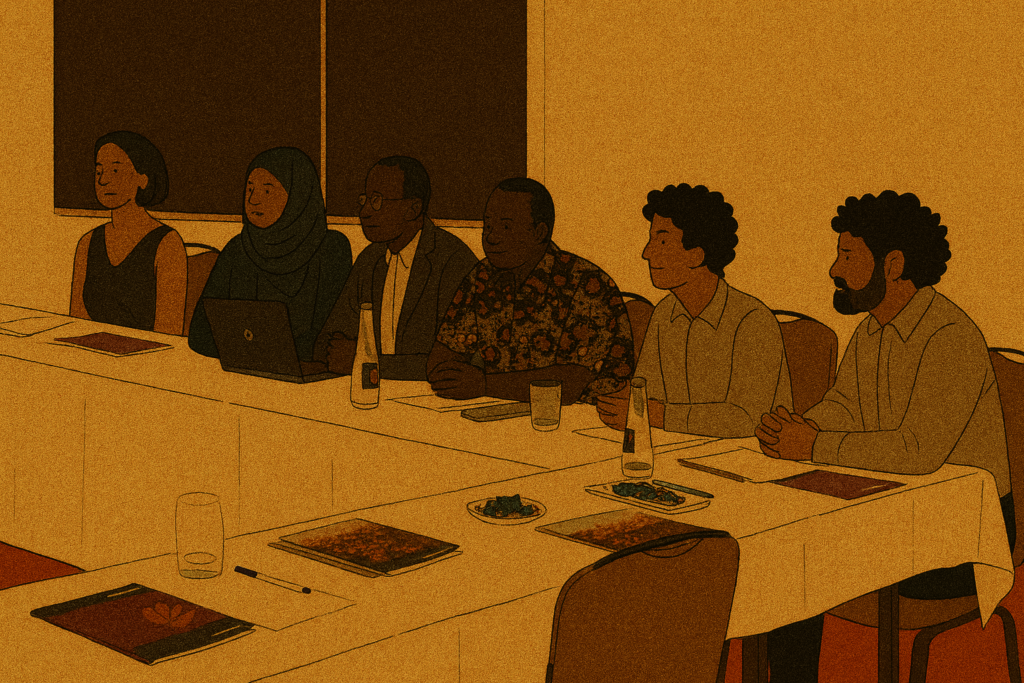
Underpinning all of this is a network of relationships that continues to deepen. Participants stay in close contact with one another and with the wider community of recorders, sharing challenges and solutions as they arise. That trust, built face to face and sustained in the months since, is what allows this work to be done with the care and dignity it demands.
As the project looks ahead to its next phase, the focus will remain on two things at once: supporting participants to keep strengthening their own work, and ensuring that the records they build lead to answers for families, recognition for those who have been lost, and a firmer basis for accountability. Every life lost deserves to be documented, and every family's grief deserves to be respected - and that remains the purpose behind every part of this work.
(Please note that this report is purposely anonymised to protect the identities of some organisations and participants.)
Links:
By Craig Grant | Operations Manager
Project reports on GlobalGiving are posted directly to globalgiving.org by Project Leaders as they are completed, generally every 3-4 months. To protect the integrity of these documents, GlobalGiving does not alter them; therefore you may find some language or formatting issues.
If you donate to this project or have donated to this project, you can receive an email when this project posts a report. You can also subscribe for reports without donating.



Support this important cause by creating a personalized fundraising page.
Start a Fundraiser