By Zoe So | Program Manager, BRAC USA
Investing in girls so that they would complete the next level of education would lead to a lifetime earnings of today’s cohort of girls that is equivalent to up to 68 percent of annual gross domestic product. When adjusting for ability bias and labor demand elasticities, this figure falls to 54 percent, or 1.5 percent per year. Closing the inactivity rate between girls and boys would increase gross domestic product by up to 5.4 percent, but when accounting for students, male-female wage gaps and labor demand elasticities, the joblessness gap between girls and their male counterparts yields an increase in gross domestic product of up to 1.2 percent in a single year. The cost of adolescent pregnancy as a share of gross domestic product could be as high as 30 percent or as low as 1 percent over a girl’s lifetime.
The World Bank study demonstrates how investing in girls will lead to significant economic growth and points to the need for policymakers to create more robust programs that engage girls in the mainstream economy.
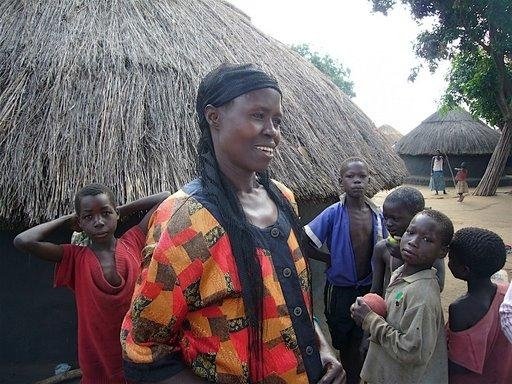
Since inception, BRAC has made girls central to its approach toward poverty alleviation. Our Empowerment and Livelihood for Adolescents (ELA) and Social and Financial Empowerment for Adolescents (SoFEA)
Programs seek to make girls productive and self-supporting members of society by providing livelihood and life-skills training, combined with credit facilities. To date, ELA has reached over 800,000 girls between the ages of 14 and 25 in Bangladesh, Afghanistan, South Sudan, Tanzania, and Uganda.
Project reports on GlobalGiving are posted directly to globalgiving.org by Project Leaders as they are completed, generally every 3-4 months. To protect the integrity of these documents, GlobalGiving does not alter them; therefore you may find some language or formatting issues.
If you donate to this project or have donated to this project, you can receive an email when this project posts a report. You can also subscribe for reports without donating.