By Shehroze Ameen | Director Administration
Report 3
Network for Human and Social Development has been involved in the region since September 2023. The sanctuary was begun as a project focusing towards providing the Indian peafowl population with a safe enclosed space in which they may be secure against poachers as well as other wildlife native to the area of Mithro Charan and Mithrio Suttar, Chachro, Tharparkar.
At the same time, it provides an opportunity for awareness regarding the cultural and social plights of the Hindu population for whom the peacock play an important role - Lakshmi, the goddess of fertility and wealth, manifested herself in the mortal realm as an Indian peafowl.
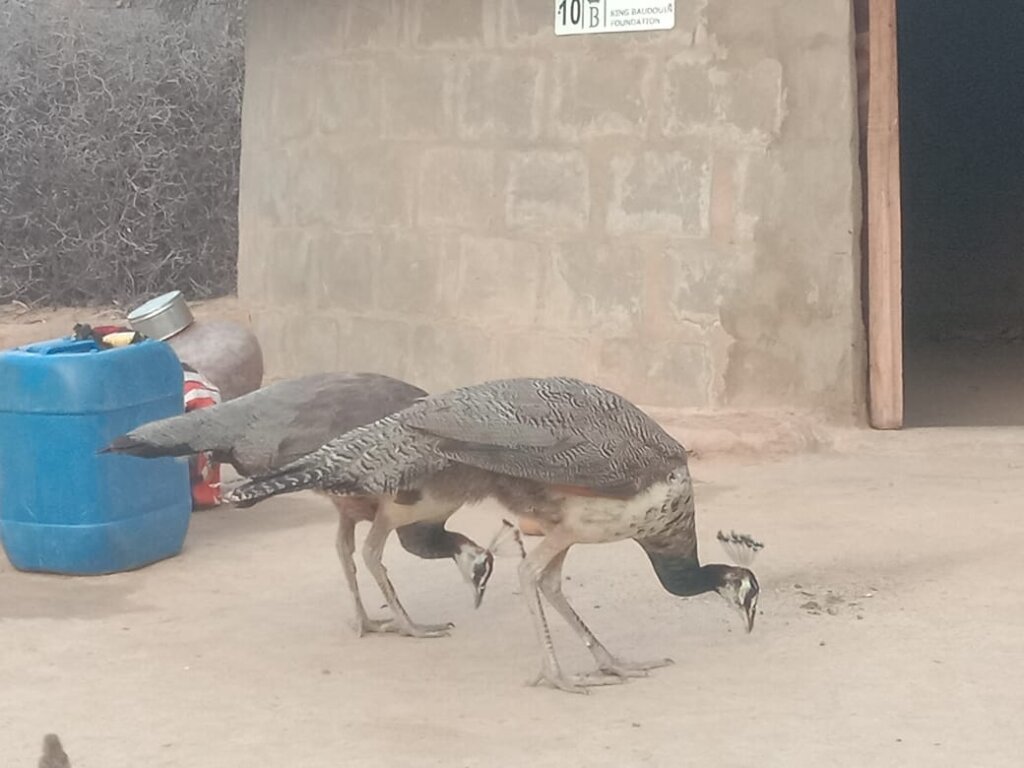
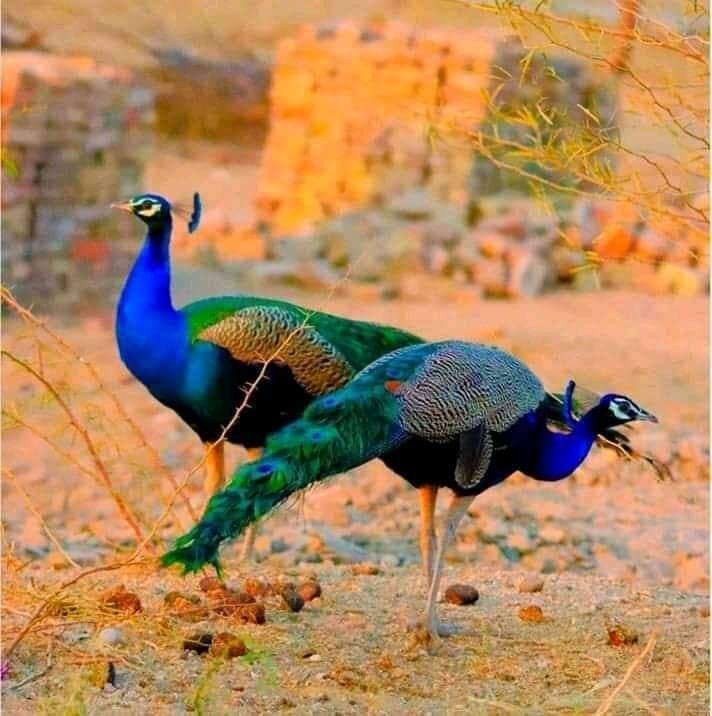
However, due to decreased medical coverage by veterinarians, significant changes in weather due to climate change (especially important to mention the impact of the 2023 floods which devastated Sindh and Balochistan, especially Tharparkar), and the rampant spread of socioeconomically crippling poverty, the peacock population has diminished drastically in the region. Shannan and Amert were amongst the handful few peacocks which have survived against all odds.
NHSD was first introduced to Shannan and Amert through the community of Mithrio Charan and Mithrio Suttar in Tharparkar, during our project focusing on reconstruction of 27 houses and construction of a vocational training center, dispensary, and school in Mithrio Charan, Chachro, Tharparkar. This project further, expanded and successfully resulted in a grant by GlobalGiving whereby these constructed buildings were then provided electricity via solar panels that were installed on them.
Shannan and Amert, during this whole duration, had first been afraid. Their home had been devastated by the floods - there were no stable structures on which they could perch themselves and stay safe from predators. They witnessed their brothers and sisters caught by the floods, killed by the increased virulence of the Newcastle disease virus, and they witnessed their population almost eradicated: peacocks lay their eggs in the bush, away from predators and in locations that are remote and isolated, and these eggs are fragile - because of the floods, they did not survive.
Shannan and Amert however, found hope in these projects. with the presence of stable structures built from concrete that was locally sourced,these buildings consisted sustainable materials that could withstand the pressures of floods (and proved to be significantly capable of doing so as during October 2023 there had occurred in Sindh a number of devastating monsoon rains). The houses had roofs made from bamboo, thatch, and bark which was conducive to the indian peafowl. Shannan and Amert, alongside their surviving fraternity, found themselves safe and with some stability restored.
With the slow increase in their populations due to successful hatchlings, NHSD took it upon themselves to ensure they had a safe and secure locations where they may reside without the risk of poachers and native predators. This becomes especially important because in Chachro, Tharparkar, the biggest threat facing the Indian peafowl is an increasingly violent non-Hindu population who are solely concerned with encroachment and illegal poaching of peacocks to sell to affluent elites residing in Islamabad and Lahore.
NHSD has, so far, marked the location on which the walls will be converted from mud to locally sourced concrete. The location now has tree saplings which were donated to this location. This becomes especially beneficial for Shannan and Amert, who have been able to raise their brood in the safety and security of the sanctuary. The local population has been signfiicantly appreciative of these efforts and have strongly supported them.
The attached PDF contains photos of the local sanctuary, the saplings planted in the region, and photos of Shannan, Amert and their ostentations (a group of peacocks).
NHSD is grateful to the constant endorsement, patronage and support of our donors and to GlobalGiving - without them this endeavour would have been futile and would not have succeeded, and Shannan and Amert, like the grains of sand in the deserts of Thar, would have been forgotten in the annals of time.
Project reports on GlobalGiving are posted directly to globalgiving.org by Project Leaders as they are completed, generally every 3-4 months. To protect the integrity of these documents, GlobalGiving does not alter them; therefore you may find some language or formatting issues.
If you donate to this project or have donated to this project, you can receive an email when this project posts a report. You can also subscribe for reports without donating.