By Jessica Hutting | Project Manager
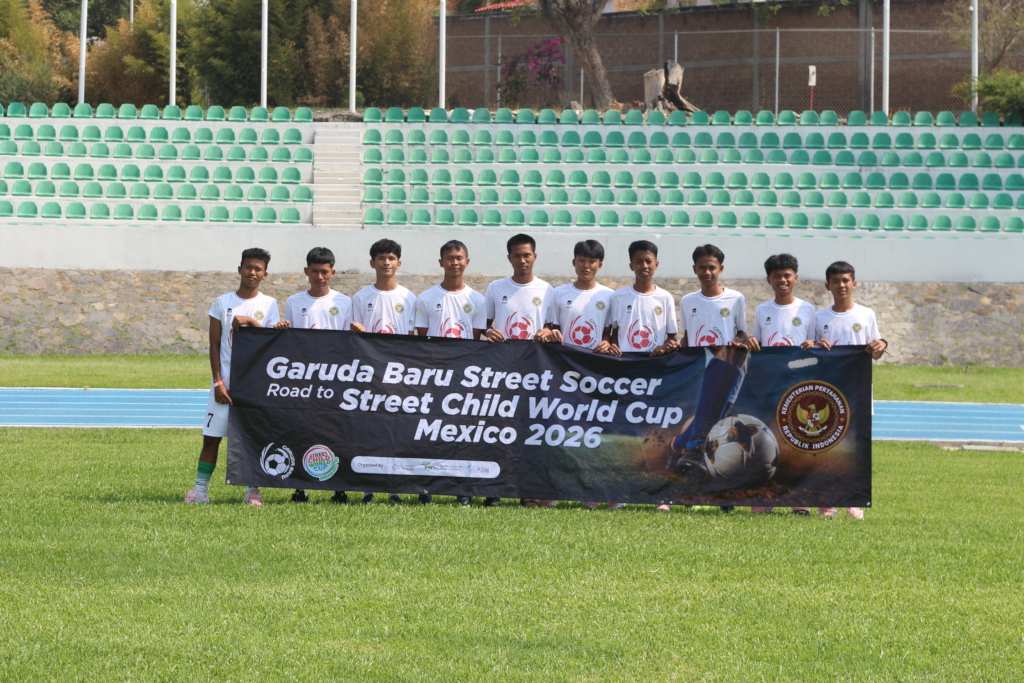
After undergoing a series of selection rounds that began in 2024 through scouting at the Children's Futsal Jamboree, 10 boys were chosen to represent Indonesia at the Street Child World Cup 2026 in Mexico City. They have completed a selection and training process lasting more than a year to become part of this Indonesian national team.
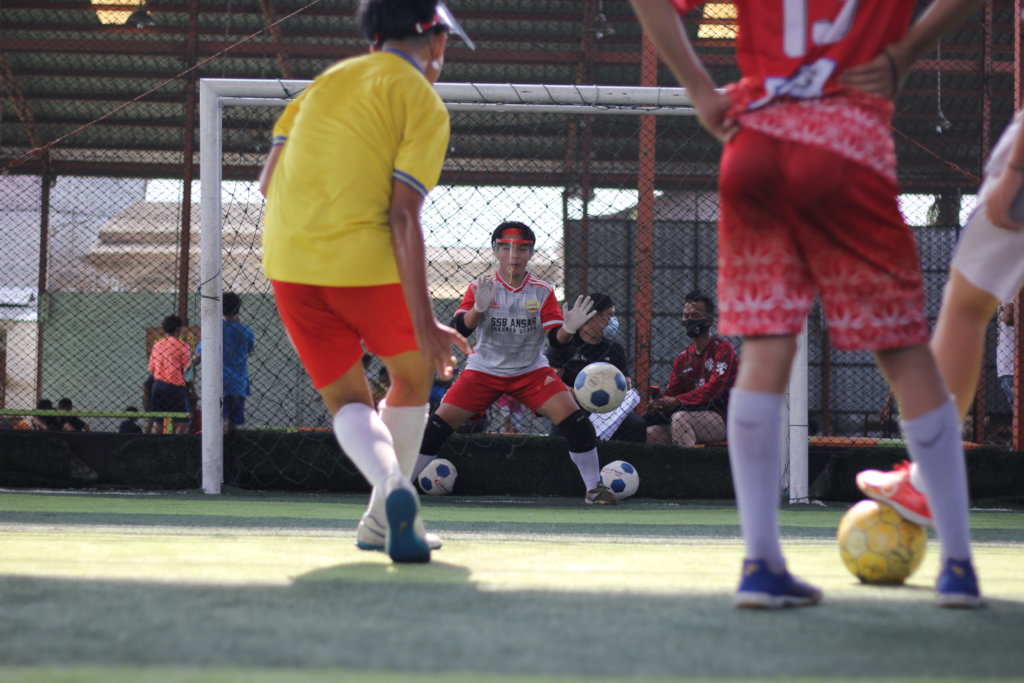
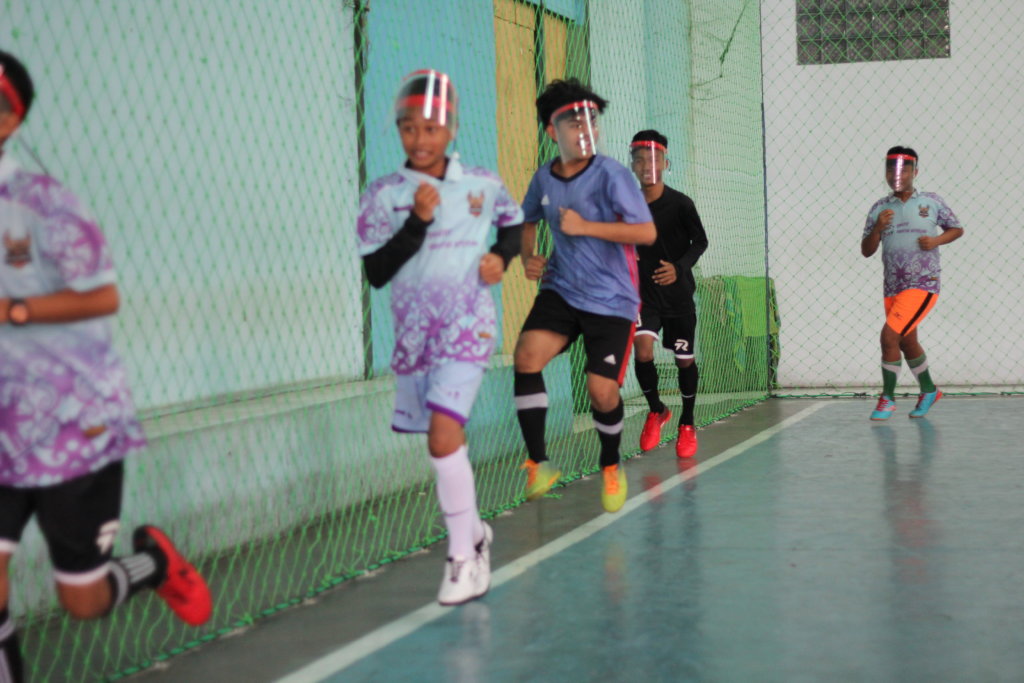
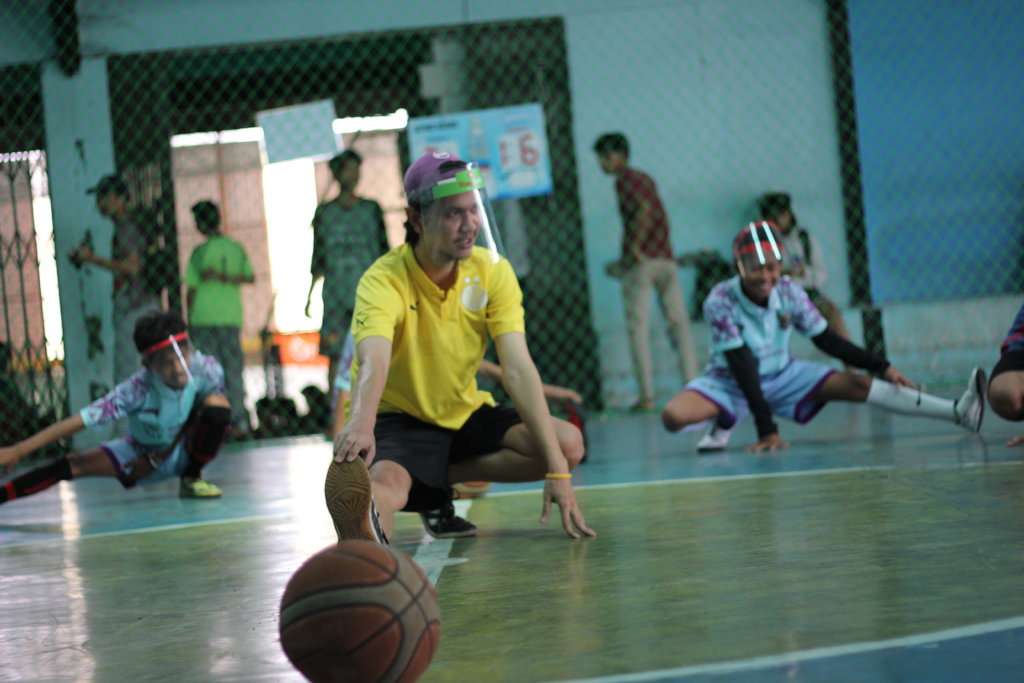
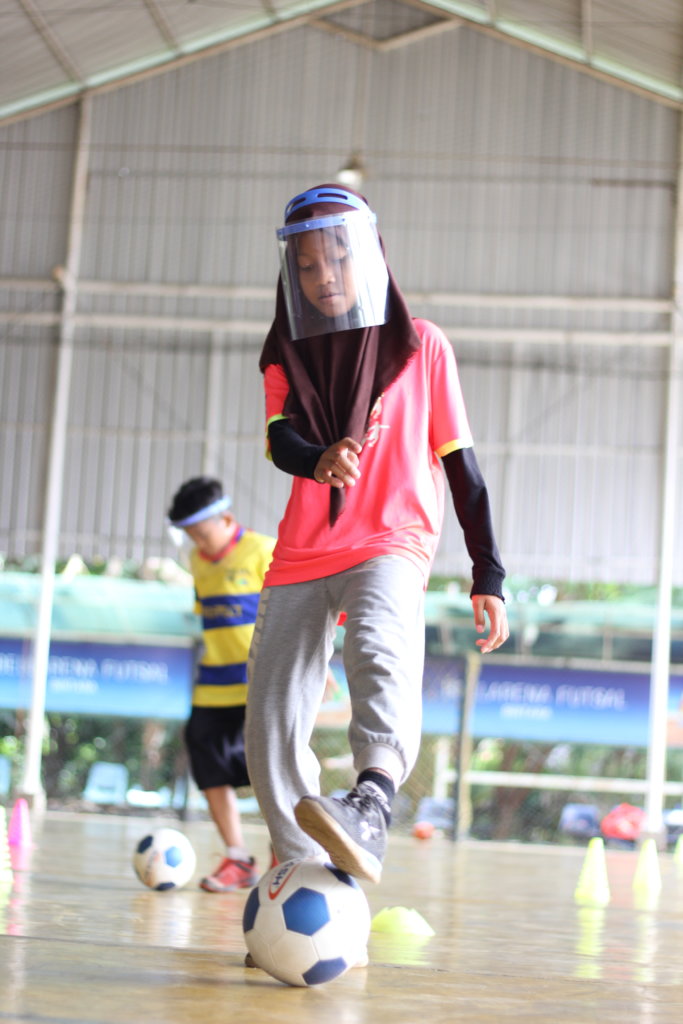
Prior to departure, these 10 boys underwent a centralized Training Center (TC) from April 11 to May 3, 2026. During the training camp, they participated in a series of physical conditioning and football drills, English classes, public speaking lessons, a general introduction to Mexico, mental and psychological preparation for athletes, dance performance rehearsals, travel preparation classes for going abroad, as well as 6 trial matches against 3 football academy teams, 1 national private school, 1 international school, and student-athletes from Jakarta. This series of activities was designed as a final preparation and consolidation to further boost the players' confidence ahead of the SCWC 2026.
After a 33-hour journey across 3 continents (Asia, Europe, and America), they finally arrived at the SCWC 2026 venue in Oaxtepec, Mexico. Generally speaking, the activities at the Street Child World Cup 2026 were divided into 3 major sections: the Children’s Congress and General Assembly, the Football Tournament, and Art and Cultural Performances.
1. Children’s Congress and General Assembly
The Children’s Congress and General Assembly are vital components of every SCWC event. This forum provides a platform for participants to voice their aspirations, which are later conveyed to their respective national governments and global bodies.
The Congress Methods
Team Indonesia's Representation
Team Indonesia created a fictional character named "Steven The Silverman," representing street-connected children. The key obstacles highlighted for this character include:
Three Demands for the Government and Society
Based on these challenges, Team Indonesia formulated three key demands:
The Declaration: These demands were read by Mohamad Azriel Aliansyah during a joint declaration with participants from 20 other countries at the General Assembly on May 14, 2026. The event took place at the Teatro Hidalgo Ignacio Retes in Mexico City and was attended by Mexican President Claudia Sheinbaum, as well as legendary U2 band members Bono and Larry Mullen Jr.
During the Congress, Indonesia was represented by Izul Hamid in a round-table discussion focusing on real-world issues. In addition to the main aspirations, Izul raised an urgent local issue: regulating the traffic schedule of cargo trucks/containers around the Cakung-Cilincing-Bekasi route, as it causes severe traffic congestion and air pollution from North Jakarta to Bekasi City.
2. Football Tournament
Another crucial part of SCWC 2026 was the football tournament itself, played in a 7 v 7 mini-soccer format. This year featured a new tournament structure:
Tournament Structure
Qualification Round
Team Indonesia was grouped with Pakistan (SCWC 2022 Runner-Up) and India (SCWC 2022 Quarter-Finalist). Matches lasted 10 minutes $\times$ 2 halves and took place on Saturday, May 9, 2026, at 15:00 local time.
Shield Stage & The Road to Victory
Indonesia's performance surged during the Shield Stage:
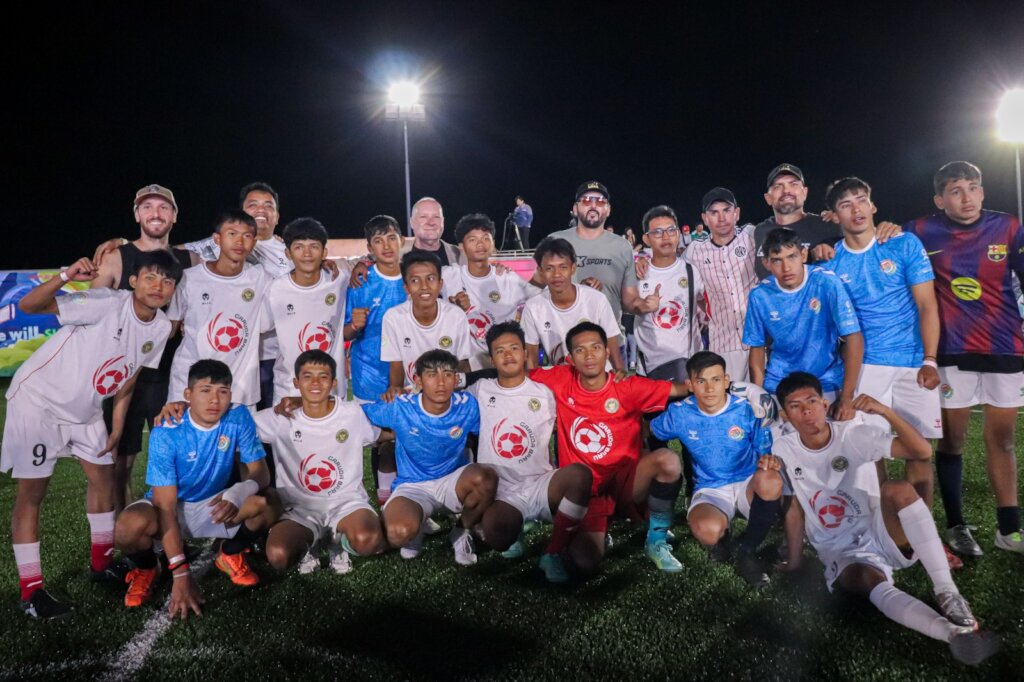
The three penalty scorers were Raehan Alfarezi, Aryo Topan Artha Gading, and Deno Mazra Rasyid, while goalkeeper Samuel Steven Siagian made the crucial deciding save. With this victory, Team Indonesia brought home the Shield Category Championship Trophy.
The Green Card Concept
A unique feature of SCWC 2026 was the implementation of the Green Card, awarded to teams displaying positive behavior—such as unique goal celebrations, resilience, celebrating with opponents, caring for injured players, and other acts of sportsmanship.
A Green Card added 0.5 points during the group stage. This system transformed the tournament environment, balancing competitive drive with friendship and joy.
Note: We plan to adopt this Green Card concept into our annual competition, the Jambore Futsal Anak (Children's Futsal Jamboree), to foster sportsmanship, fair play, and respect.
U2 members Larry Mullen Jr. and Bono opened the final match and cheered for all participants. The semifinal and final matches were held at a different venue from the group stage: the Parque Ecológico Lago de Texcoco stadium.
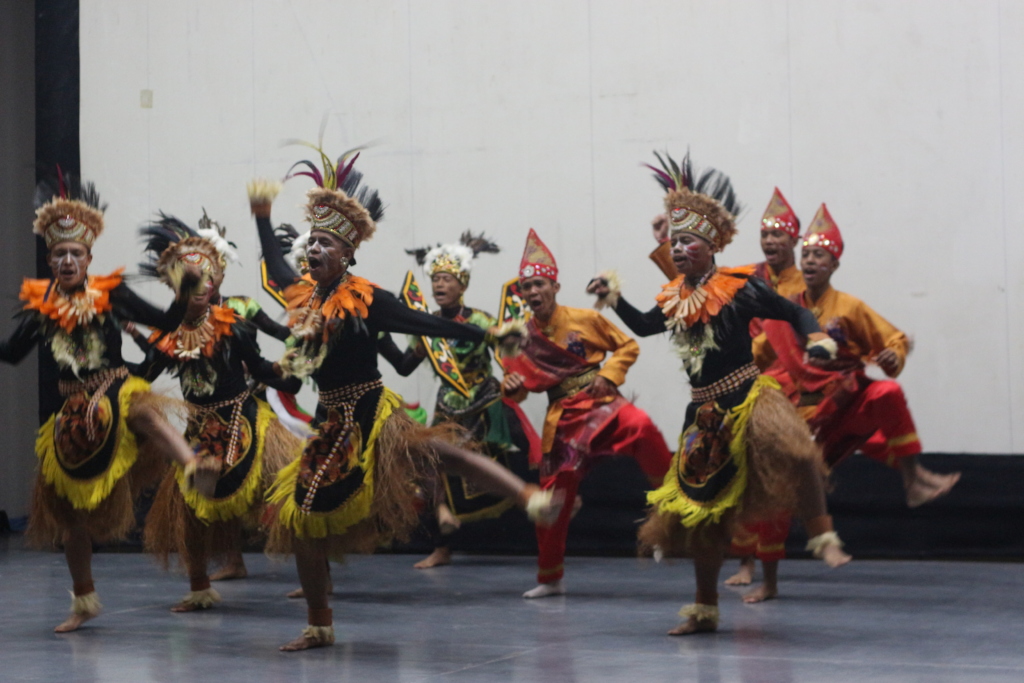
3. Art and Cultural Performances
Art and cultural performances added immense vibrancy to SCWC 2026, serving as a powerful medium for children to express their voices and opinions.
The participation of these 10 boys in SCWC 2026 was a journey that completely broadened their horizons regarding the world outside their communities and daily lives. For the majority of them, this was their very first time flying on a plane and embarking on a long-distance journey. They had the opportunity to meet other young people from various corners of the globe, build friendships, and share their life stories along with the challenges they face in their respective countries. For one participant, football is no longer just a sport, but a platform that unites young people from all over the world and from diverse backgrounds.
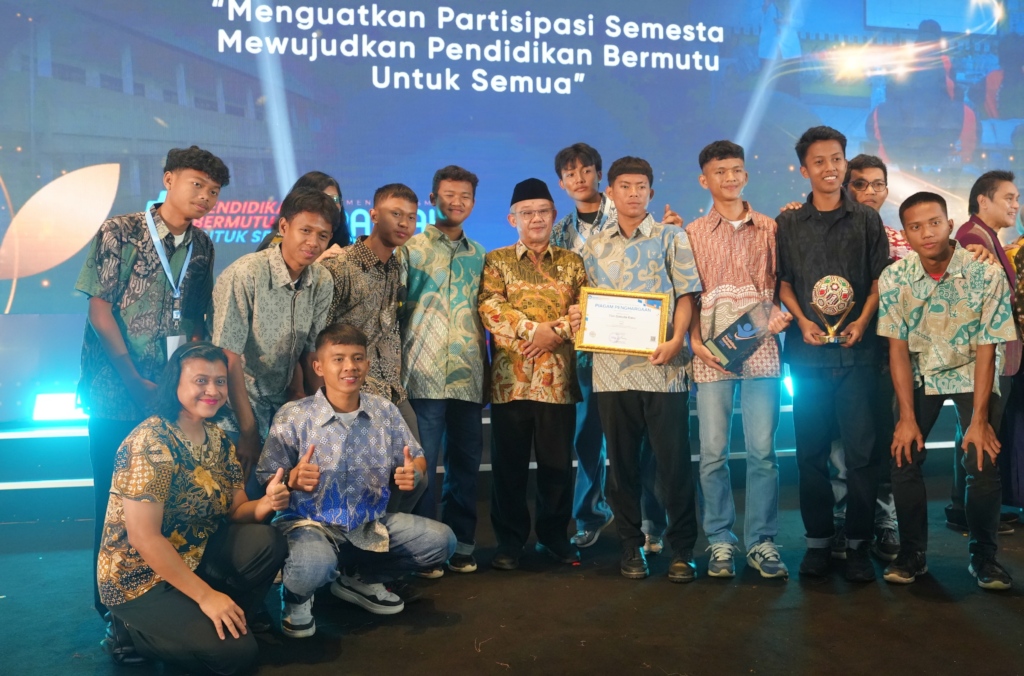
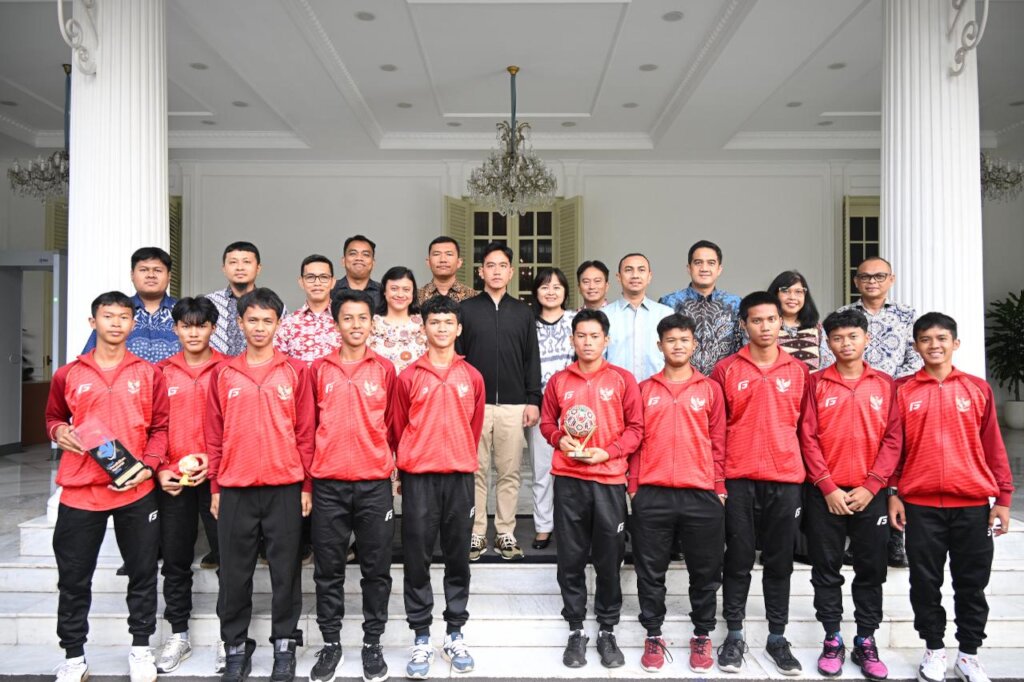
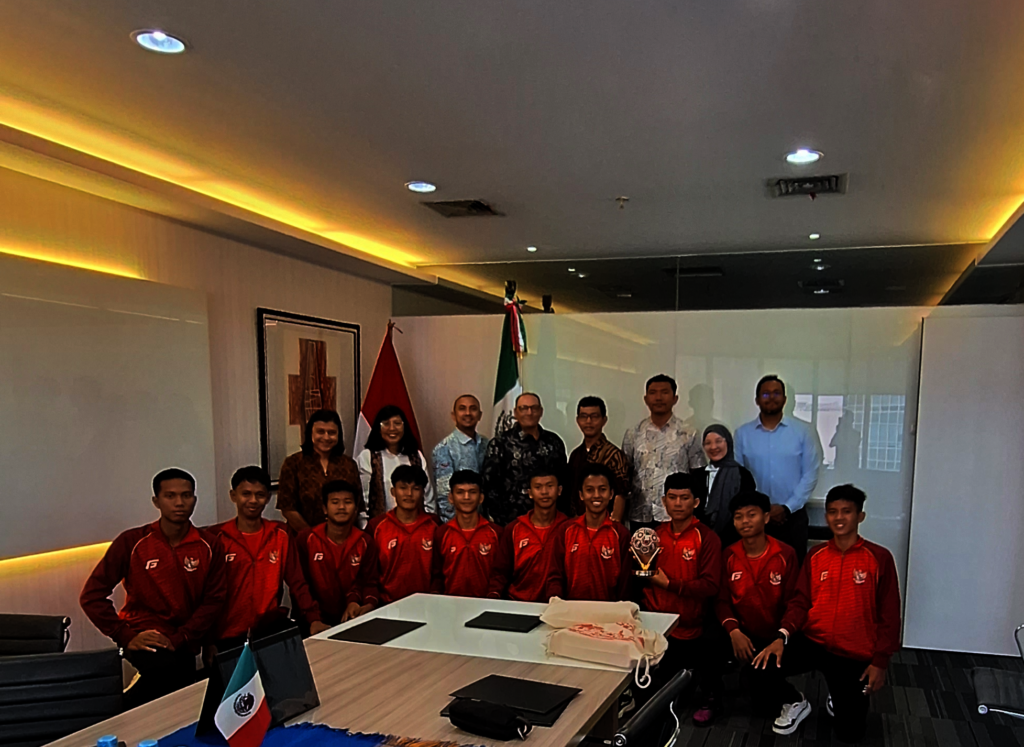
Upon returning from Mexico, the players had the privilege of meeting several key figures and receiving various forms of appreciation, including from the Minister of Primary and Secondary Education of the Republic of Indonesia, the Mexican Ambassador to Indonesia, and the Vice President of the Republic of Indonesia. They also had the chance to voice their message to the broader public through numerous mass media interviews, emphasizing the importance of access to self-development for every Indonesian child, regardless of their origin or background. Every child and young person has the potential to bring pride to the nation and inspire others. Every child, without exception, must be granted access to education, housing, protection from all forms of violence, healthcare, and a legal identity.
Following their return from the Street Child World Cup, we will be organizing a monthly mentoring program running from July to December 2026 for the players. This monthly mentoring will focus on equipping and preparing the players to map out their future self-development plans. We have also allocated a sum of education and self-development funds for them for the upcoming semester.
The experience of these 10 boys proves that anyone, regardless of who they are, can become a hero for their country, no matter what form of struggle they pursue. These 10 children are the real-life proof of a training and development program built over years. The transformation they have experienced certainly requires support from various parties. Through our programs, we want to ensure that these same opportunities can reach other children who are currently still under our care and development.
Links:
By Jessica Hutting | Project Manager
By Jessica Hutting | Project Manager
Project reports on GlobalGiving are posted directly to globalgiving.org by Project Leaders as they are completed, generally every 3-4 months. To protect the integrity of these documents, GlobalGiving does not alter them; therefore you may find some language or formatting issues.
If you donate to this project or have donated to this project, you can receive an email when this project posts a report. You can also subscribe for reports without donating.



Support this important cause by creating a personalized fundraising page.
Start a Fundraiser