By Shehroze Ameen | Director Administration NHSD and Project Leader
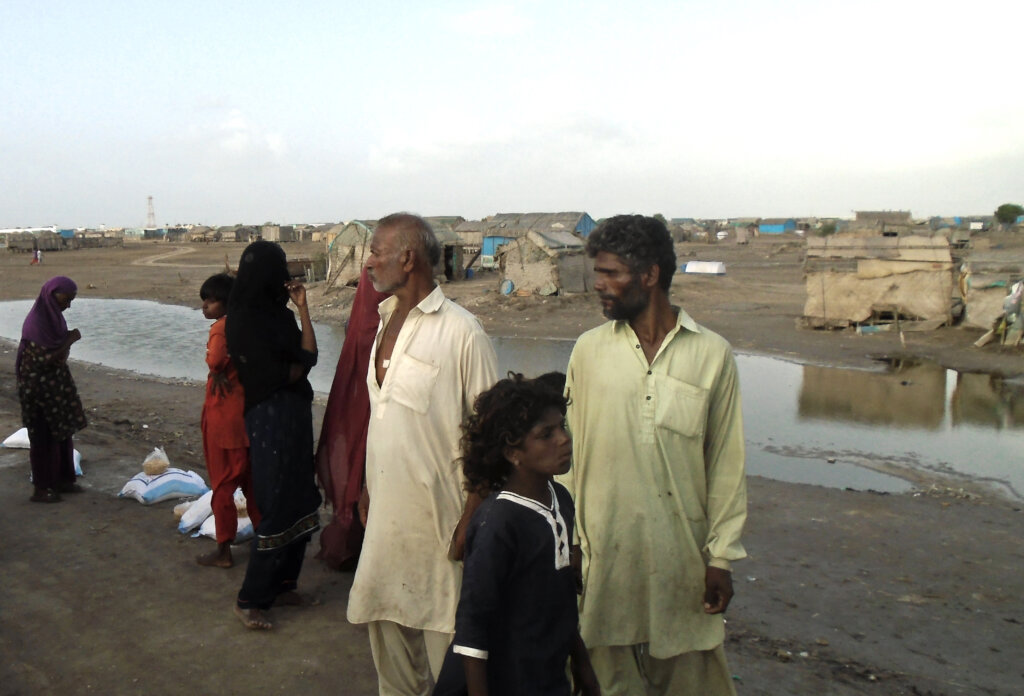
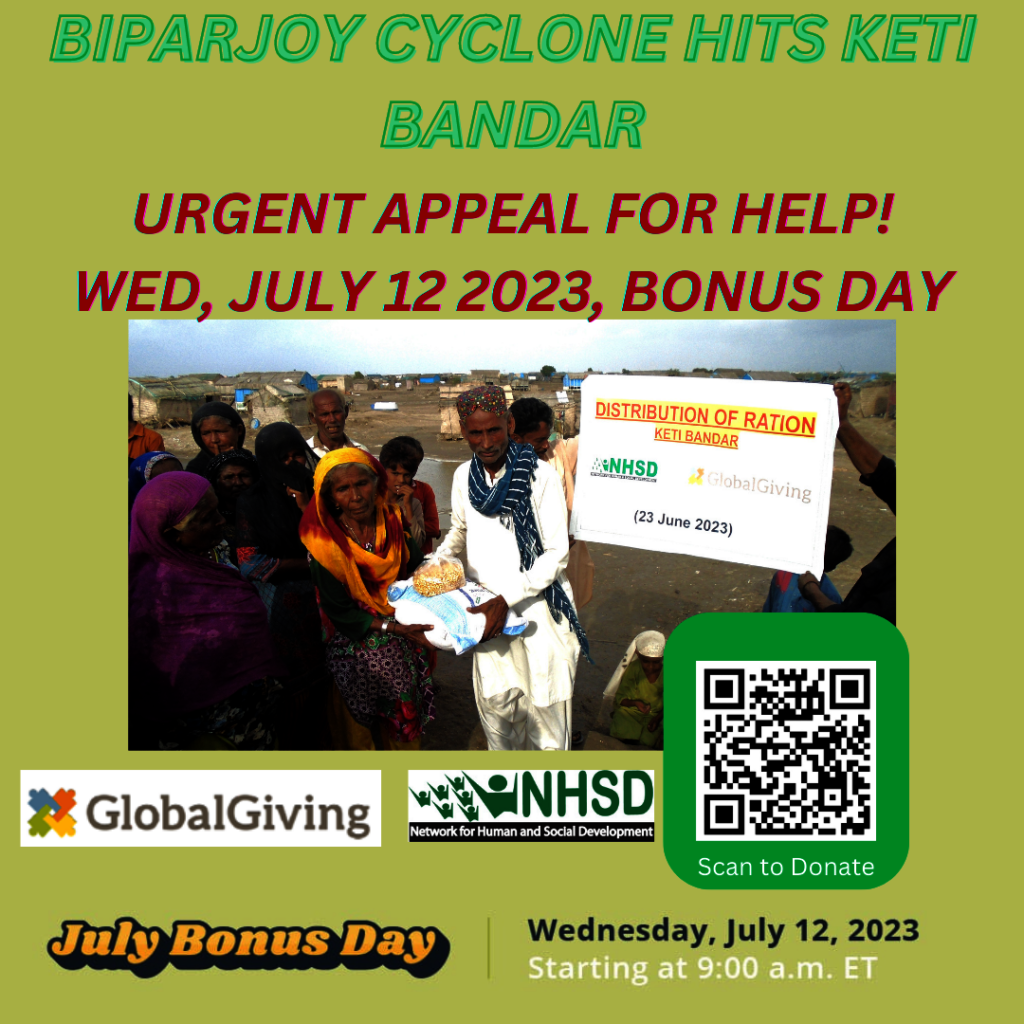
The people of Keti Bandar do not have many options available to them in the area. They are fishermen, and are reliant on regular stocks of fish in the Indian Ocean which they sell in Karachi and other cities in Sindh to live and work.
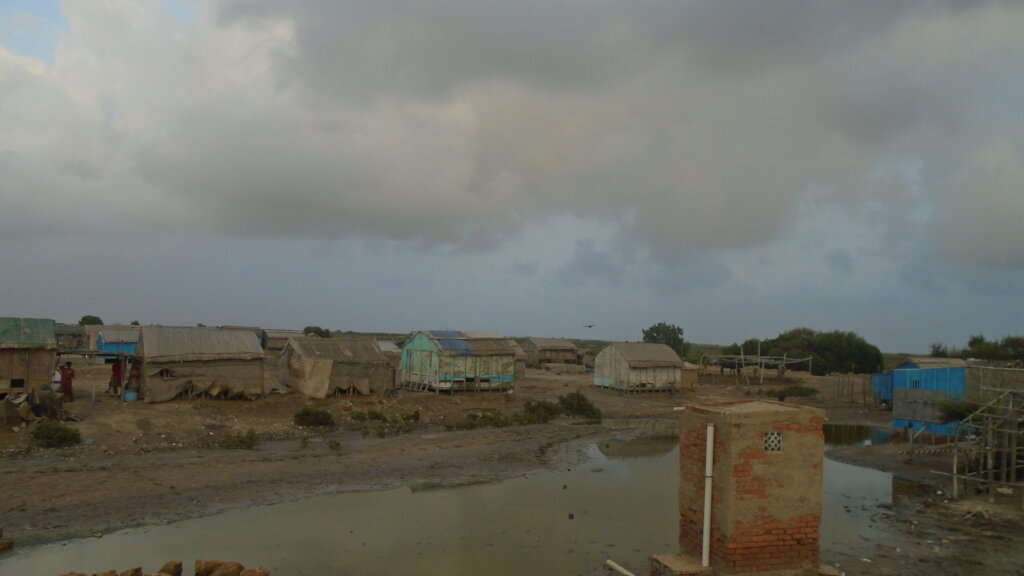
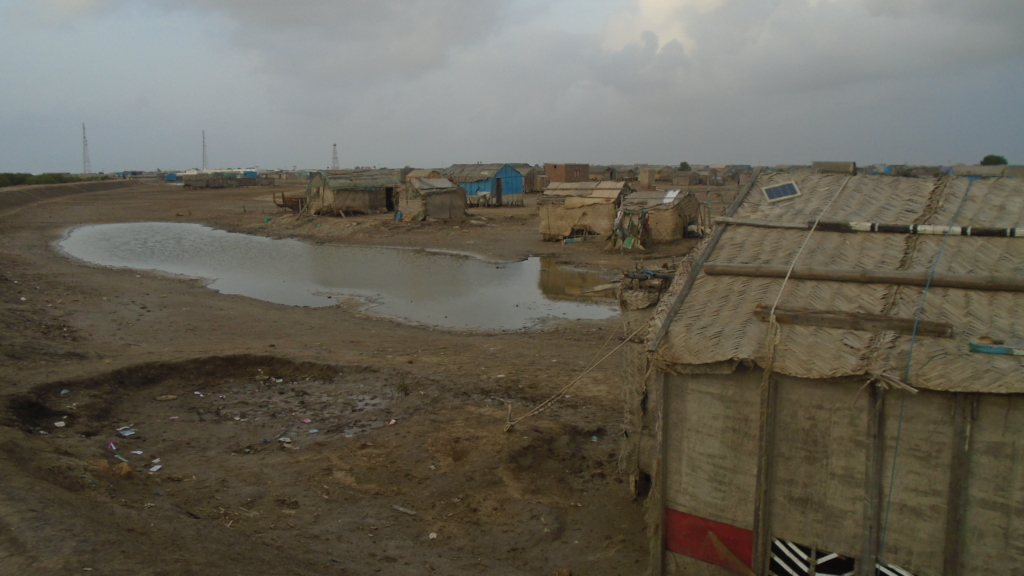
The people do not even have sustainable agriculture because the lands are inundated with water - there is no green patch in which crops can be grown, nor are the waters feasible for sustainable farming.
However, Biparjoy hit the area, flooding the location with water.
The government of Sindh did not respond to the people. They did not acknowledge the issues which faced the people of Keti Bandar. And even now, after the people have returned to their homes, there is no acknowledgement from the provincial governemnt about the devastating loss and emotional trauma the people have sufferred.
But NHSD took it upon itself to support the people.
Keti Bandar is dependent on procurement from the mainland ports and cities in order to have sustainable infrastructural improvements. Unlike Tharparkar, or Dadu, cement and concrete blocks will need to be procured and dispatched from a different location to reach Keti Bandar, and this will need to continue until huts are complete. Such an endeavor would only benefit 4 families.It was found that a small proportion of the population had lost their homes, and they had been provided shelter by other communities in the area.
The Solar Panels were considered for the people of Keti Bandar. However, there were technical reasons for why this option was not implemeented.
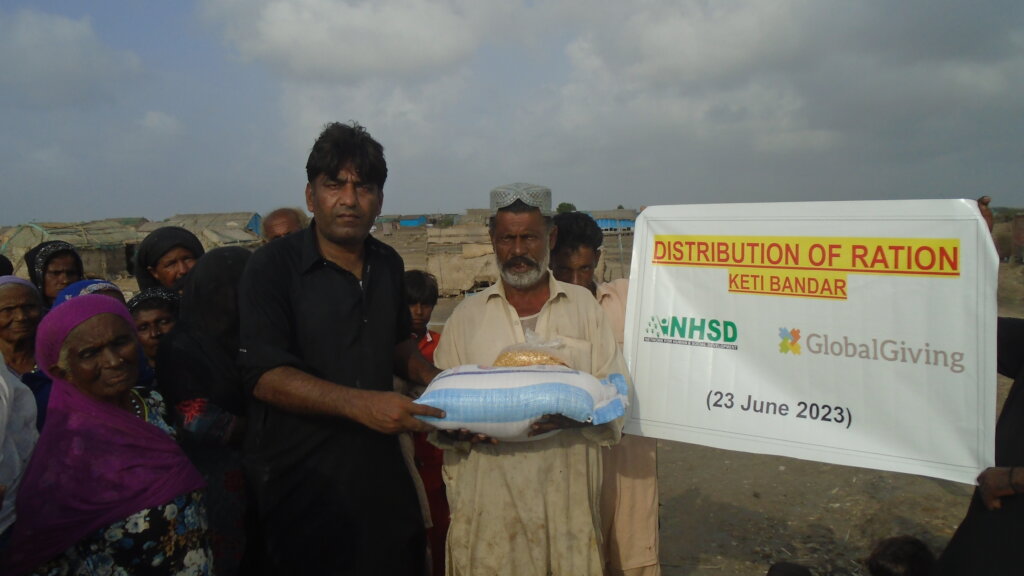
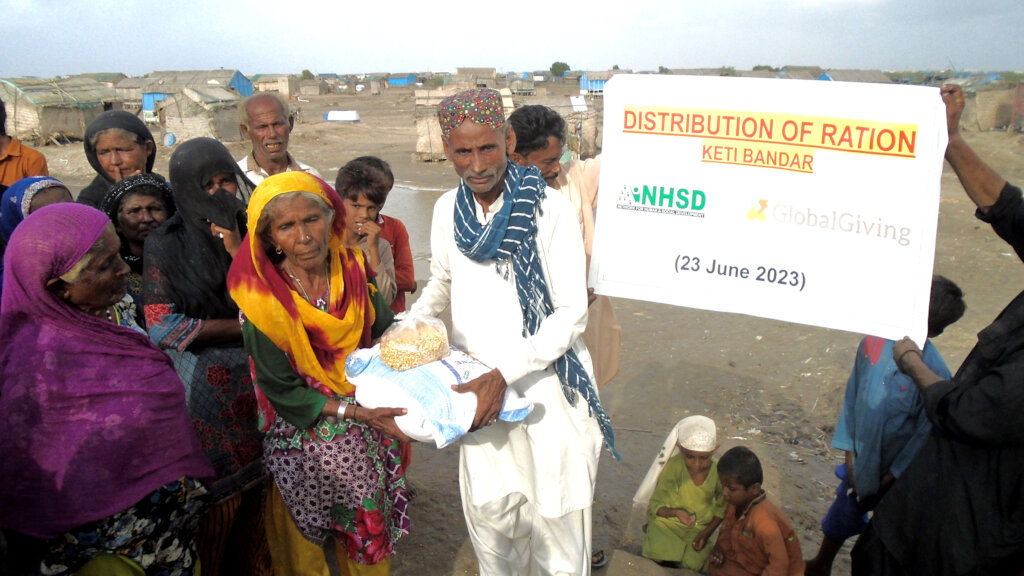
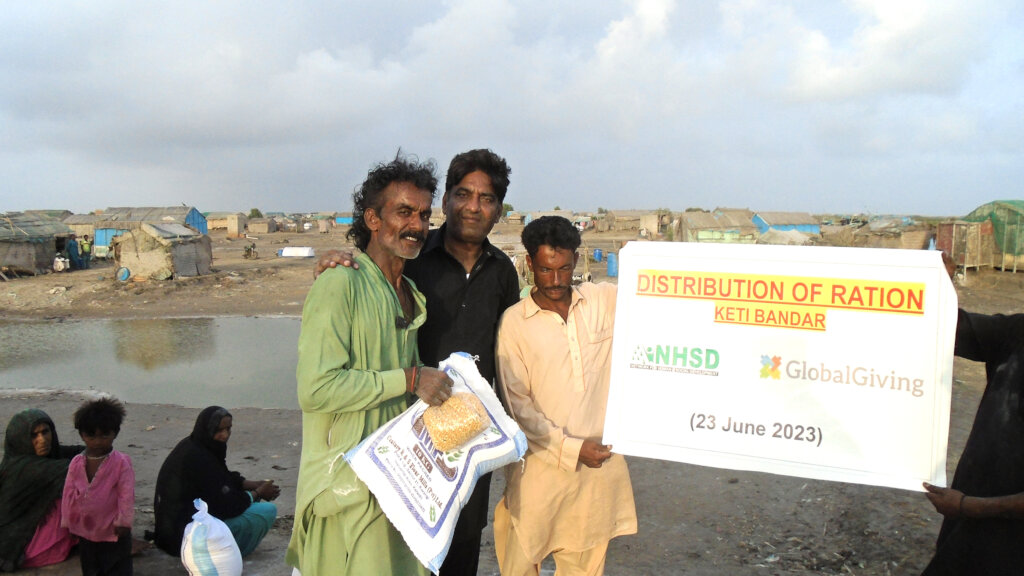
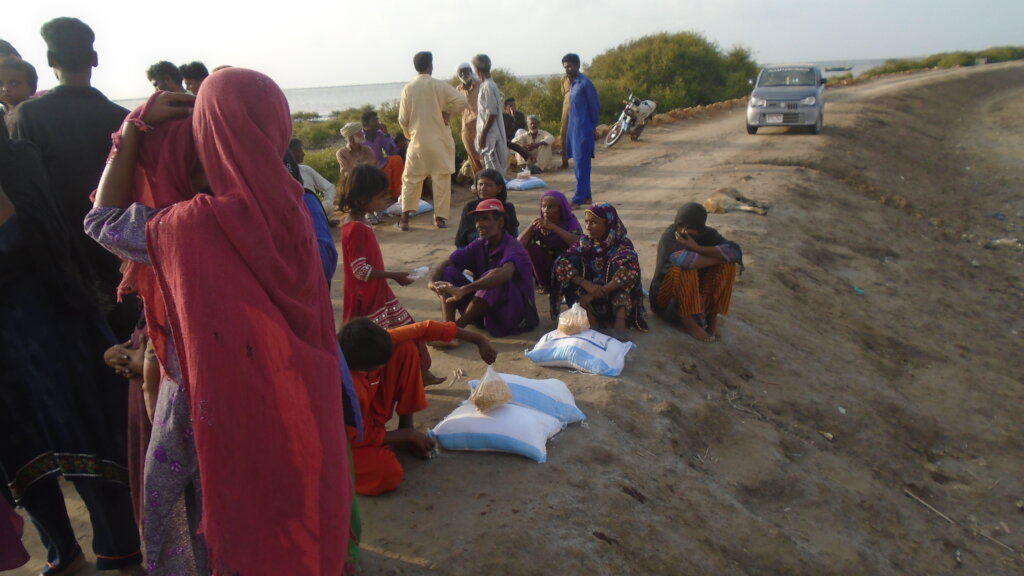
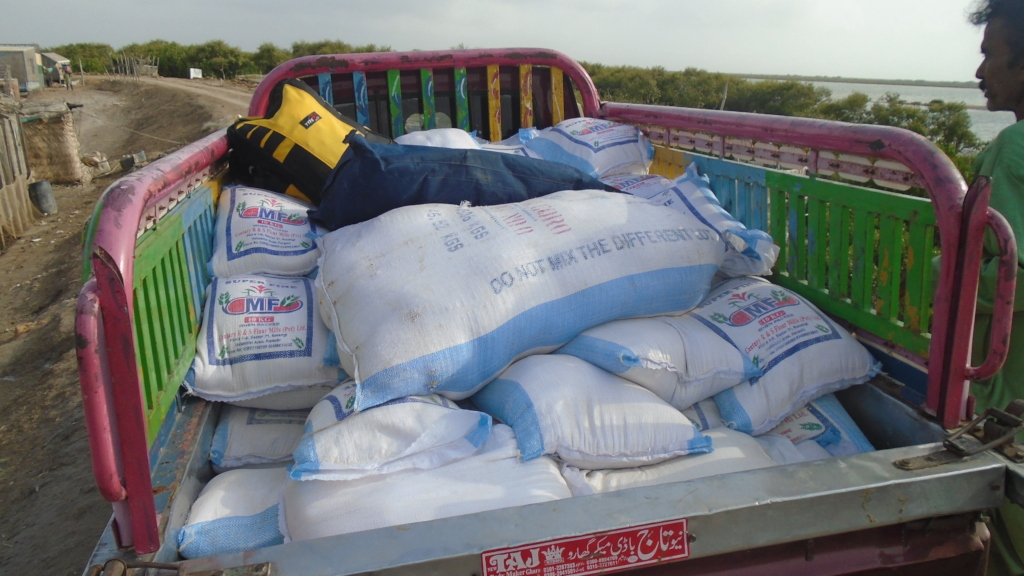
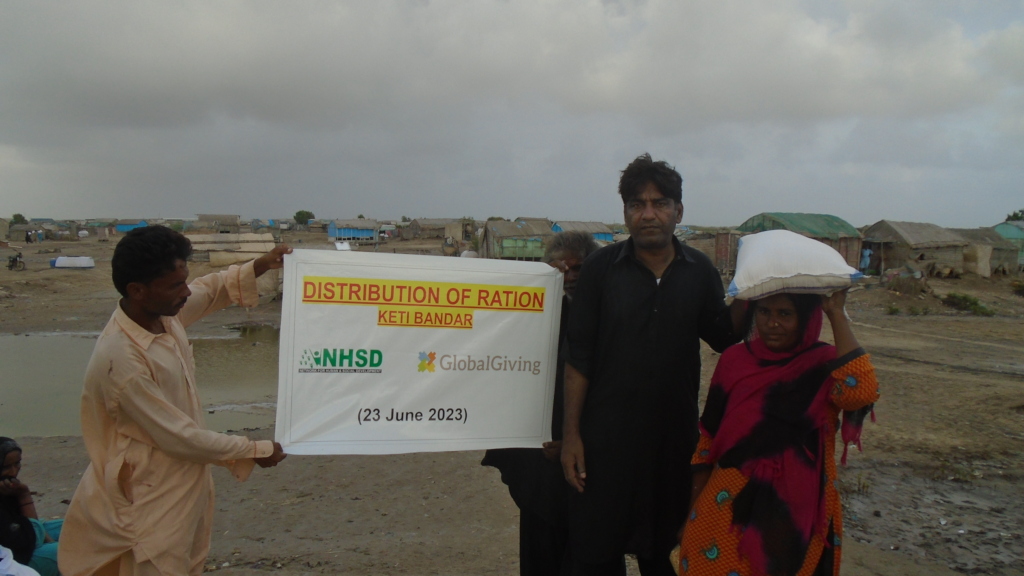
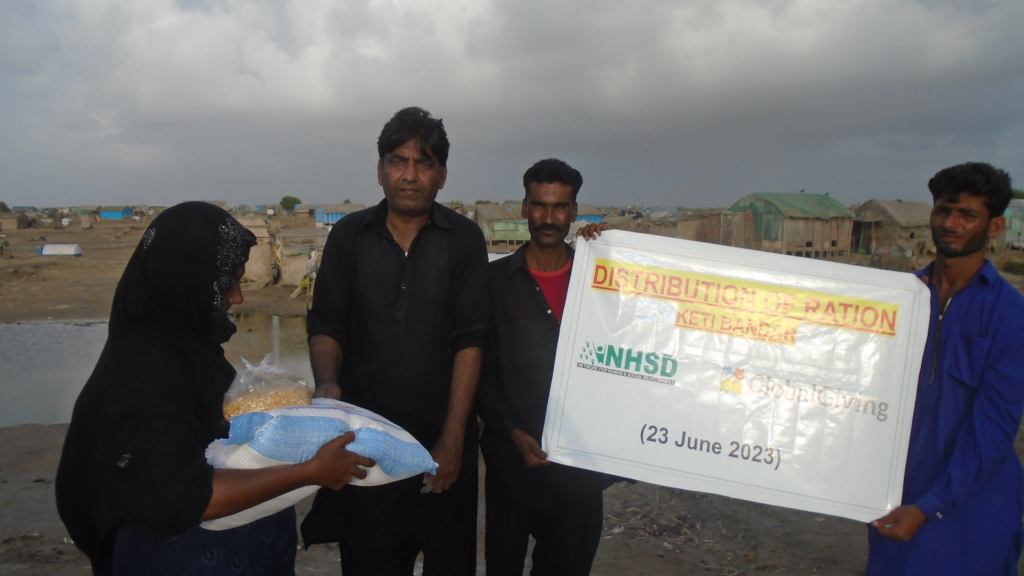
Due to the rising inflation in Pakistan, the July Little by Little campaign was only able to generate enough to cover food rations. This was able to feed 52 families.
Taking into account the funding which was generated in the July Little by Little, NHSD sent a team to the people of Keti Bandar. The team was dispatched in July 15 and continued working there till July 25, to evaluate the situation of the people.
Food rations were donated to the people because that was the priority - their only source of livelihood had been diminished because of the Cyclone and they required sustenance till they were able to sustainably work again.
The people were asssisted by this endeavor.
GlobalGiving was deeply appreciated for the donations, as this was the need of the hour.
Project reports on GlobalGiving are posted directly to globalgiving.org by Project Leaders as they are completed, generally every 3-4 months. To protect the integrity of these documents, GlobalGiving does not alter them; therefore you may find some language or formatting issues.
If you donate to this project or have donated to this project, you can receive an email when this project posts a report. You can also subscribe for reports without donating.