By yuji kishi | president of NPO
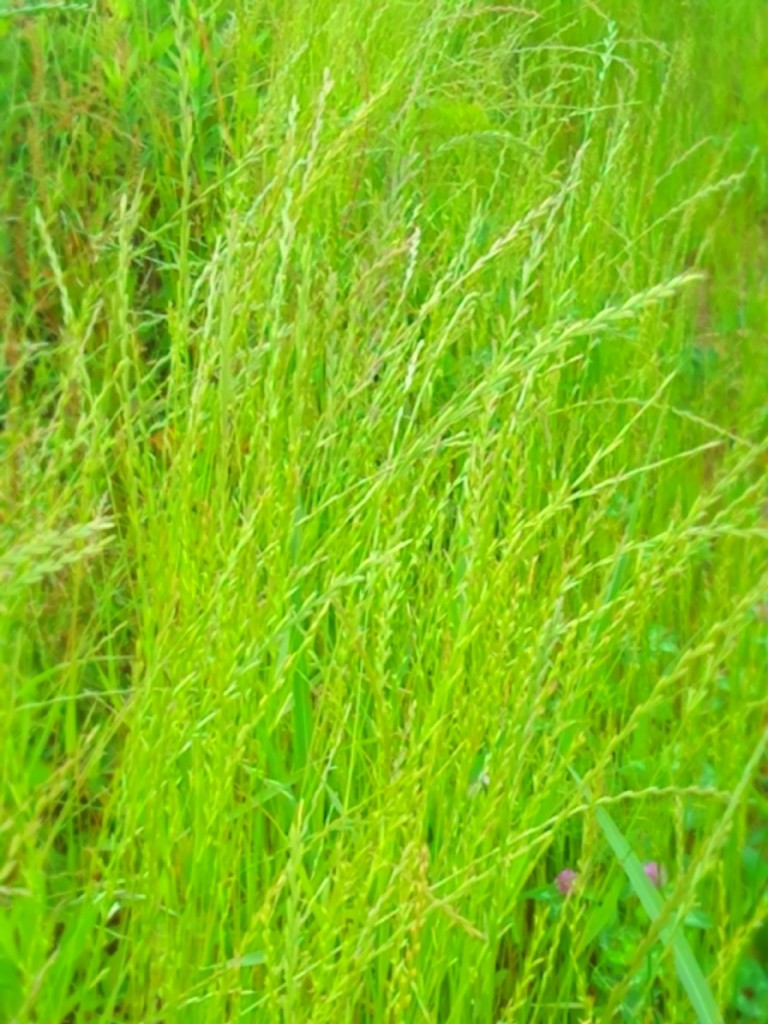
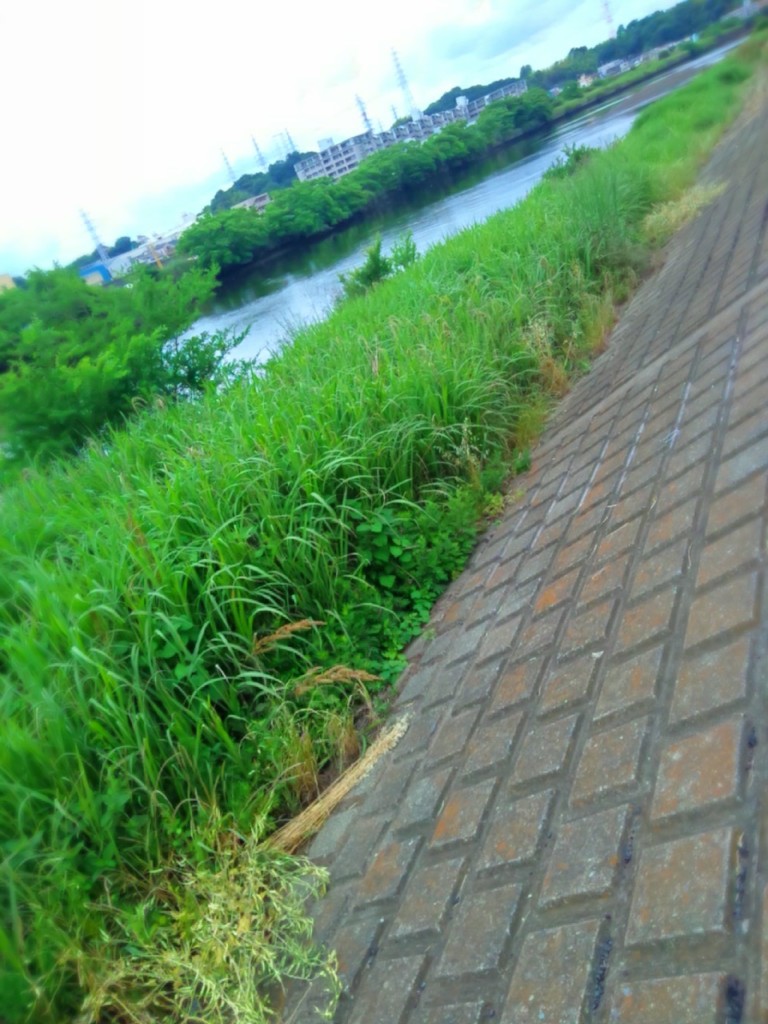
Spring has gone and monsoon rainy days will come shortly to our field, the lower segment of the Tsurumi-river Tsunashima Riverside Green Belt in Yokohama Japan. In this area , we have been working to restore the native Japanese river-side vegetation , Oghi grass community, that has been suppressed by the two kinds of foreign invasive plants(target species to be controlled) , burr cucumber (Sicyos anguratus) and rye rat grass, both from North America.
This is the 3rd summer of our effort of restoration in this area that had begun in 2016 by planting dozens of small patches of Oghi in the area then largely covered by rye rat grass from autumn to early summer and in turn by burr cucumber from summer to late autumn. Our effort have been the routine work to help the oghi plants spread new shoots by pulling out rat rye grass and burr cucumber. As a result Oghi patches have already spread well over the one third of the area just as expected and perhaps one or two more years of intensive effort will bring the expected situation in that the Ohi becomes the dominant vegetation again in this part of the river-side green zone.
This time of the year is just the critical period when the winter friendly grass , rat rye grass , matures and withers spreading large amount of allergy causing pollens into the surrounding air, and in turn the aggressive climbing plant burr cucumber sprouts from their seed bank. So our work in those days is rather passive but diligent one ie, only finding and pulling out burr cucumber seedlings with careful eyes. Near coming rainy season will powerfully support the growing Ogi shoots and this autumn will see our field be covered over 50% by Oghi vegetation.
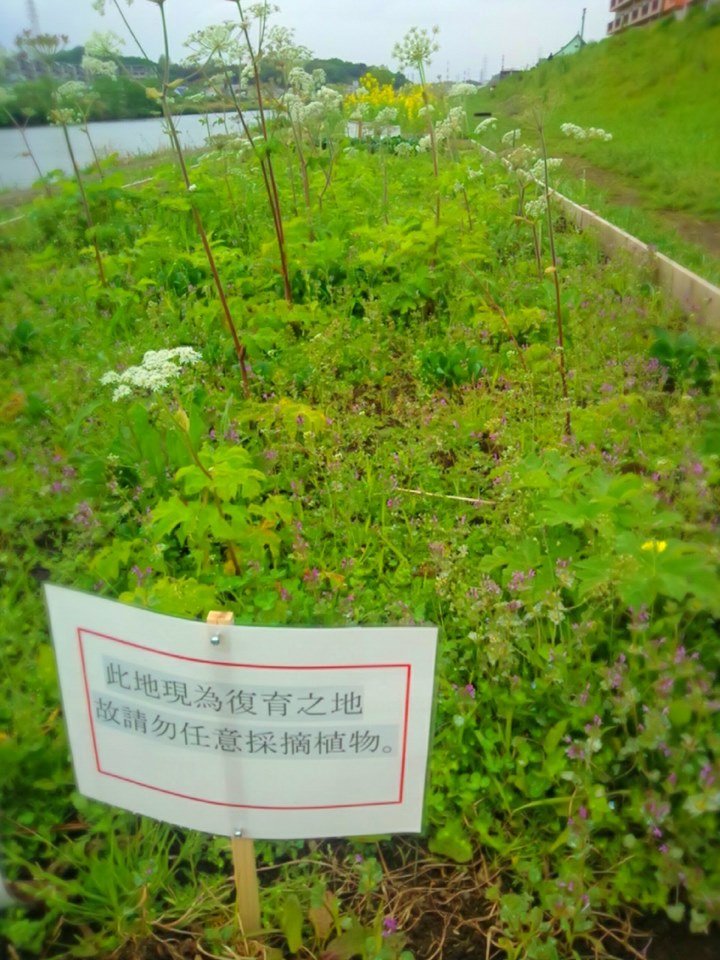
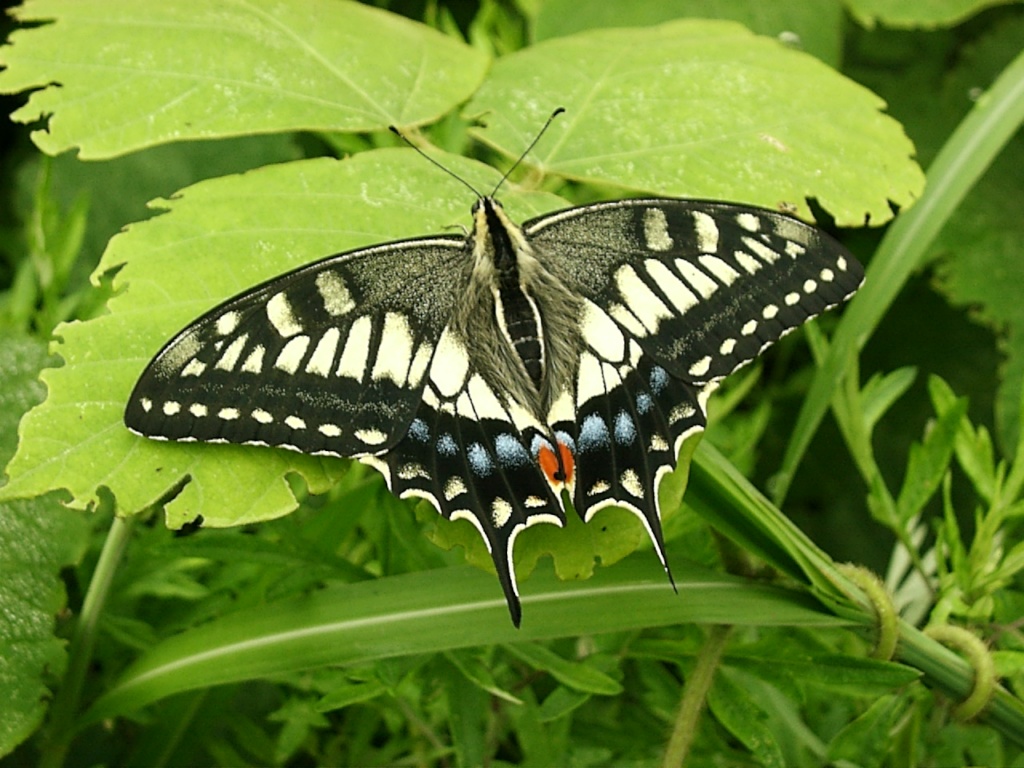
We told in the previous about our effort preparing nursery bed for a native herb Heracleum sphondylium, a species famous as a plant that rear caterpillars of a large beautiful butterfly Papilio Machaon (old world swallowtail ) in our field. We report here that they bloom successfully in this late spring and their leaves also reared dozens of the beautiful native Papillio.
See you in late September.
Project reports on GlobalGiving are posted directly to globalgiving.org by Project Leaders as they are completed, generally every 3-4 months. To protect the integrity of these documents, GlobalGiving does not alter them; therefore you may find some language or formatting issues.
If you donate to this project or have donated to this project, you can receive an email when this project posts a report. You can also subscribe for reports without donating.