More than 70% of the people living in the rural communities, mostly small scale farmers, in West Africa rely on agriculture for their livelihood. Climate change has negatively affected the rainfall pattern, eroded soil nutrients, increase high temperature-resistant viruses, with minimal harvest that threatens food security. Biochar technology offers numerous opportunities to addresse these challenging situations in agriculture for sustainable food security.
Smallholder farmers in West Africa are faced with severe climate change impact on crop productivity. The effects of climate change including drought, soil infertility, lack of minimal soil nutrient to support crop growth with low output have resulted in food insecurity. The excessive high heat has produced diverse high-temperature resistant viruses which are really a big economic problem in agriculture for smallholder farmers.
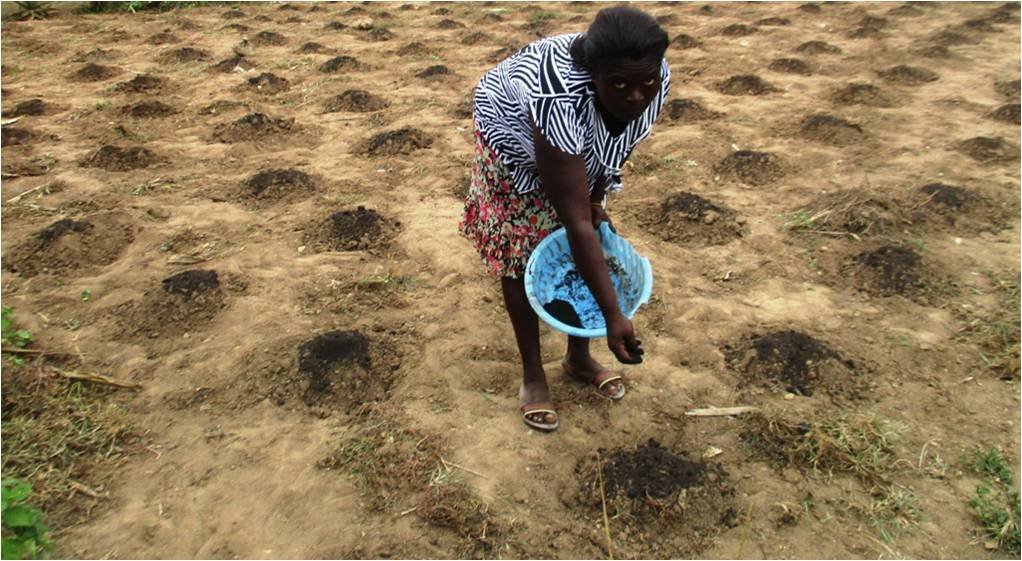
Biochar will be adopted in farming by the small-scale farmers to address the various climate related challenges. Biochar if applied to the soil has the potential to increase the soil capacity to hold nutrients and water over a long period of time, makes them available to the plants for growth thus allowing for increased yield. Biochar is a porous material. Its holes enable air circulation in the soil to improve soil fertility and it also provides platform for micro-organisms to grow in the soil.
The biochar systems technology has dual climate benefits of reducing carbon emission at the same time creating carbon sinks. Biochar is a carbon rich material and if it is buried into the soil it enhances soil quality and fertility. It serves as a means for carbon capture and storage into the soil for a long period of time and can contribute to climate change mitigation.