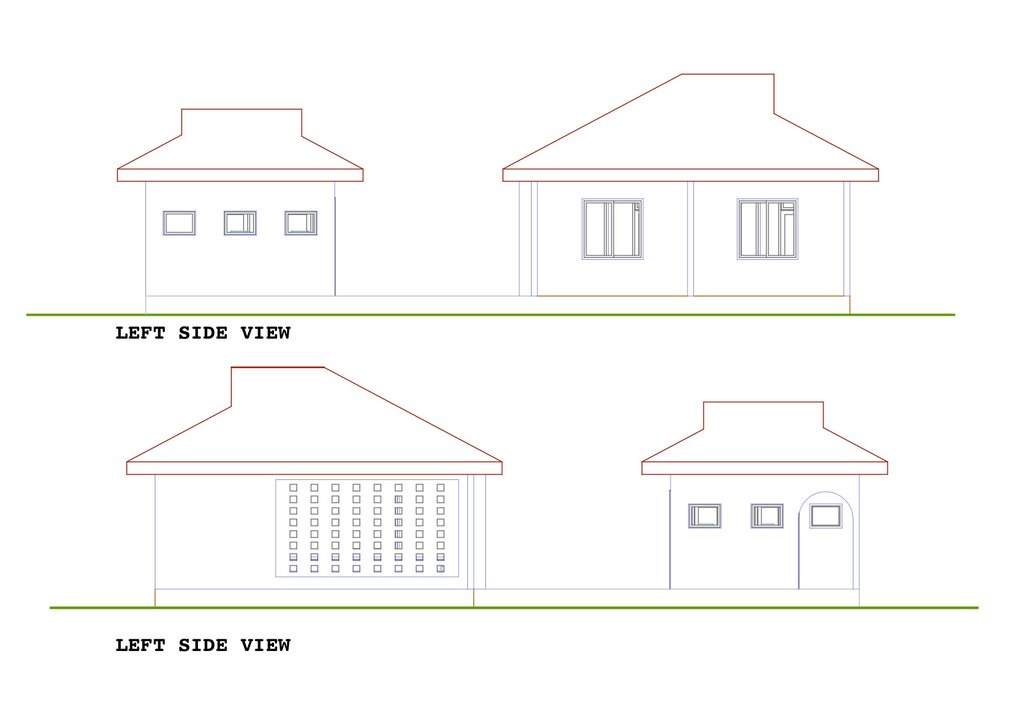
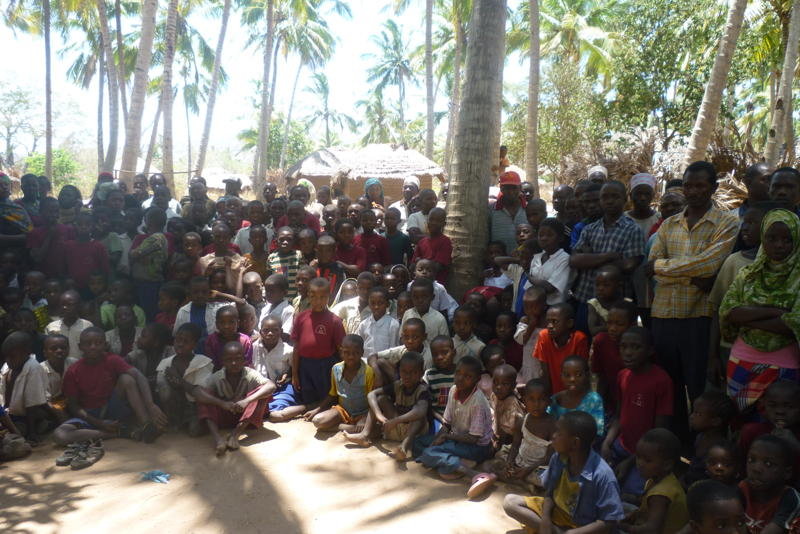
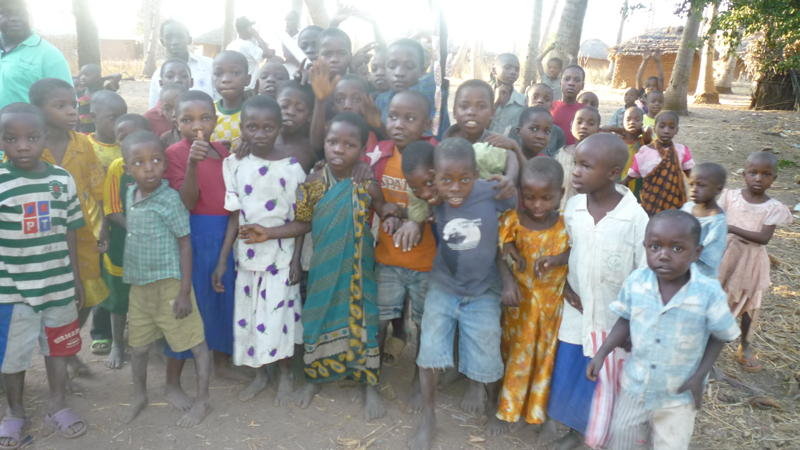
This project will construct a health clinic in rural Tanzania to serve a village of 2,475 people, of which one-third are children. There are currently no health facilities in this village, and the community must walk up to 7 kilometers for basic health services. The government has agreed to provide a healthcare worker, basic medicines, and mosquito nets once the clinic is built. Having access to a clinic will significantly decrease deaths from malaria and other waterborne diseases.
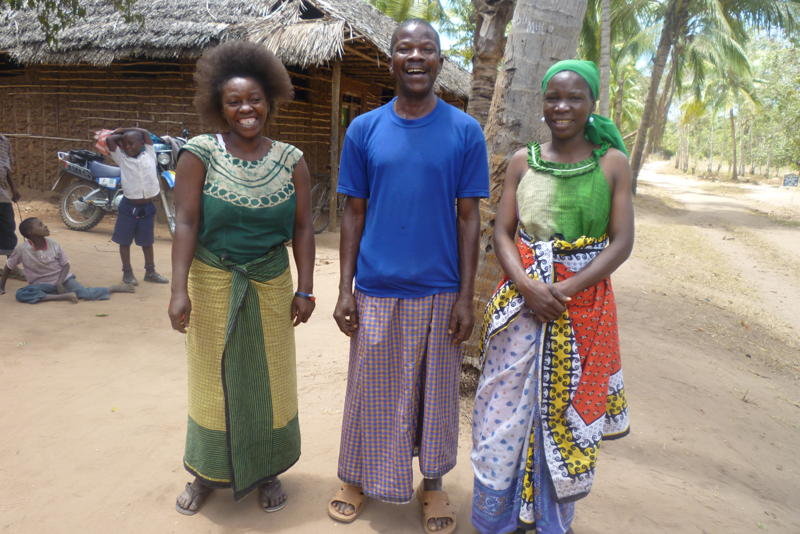
There are currently no health facilities in this village. Women, men, and children must walk at least six to seven kilometers to the nearest health facility in Moka and Nangaru, respectively. Despite the fact that they are highly preventable and treatable, malaria and other waterborne diseases are rife and particularly affect the children of the village. The village also has a secondary school that serves five villages and there are no health services or health education for these adolescents.
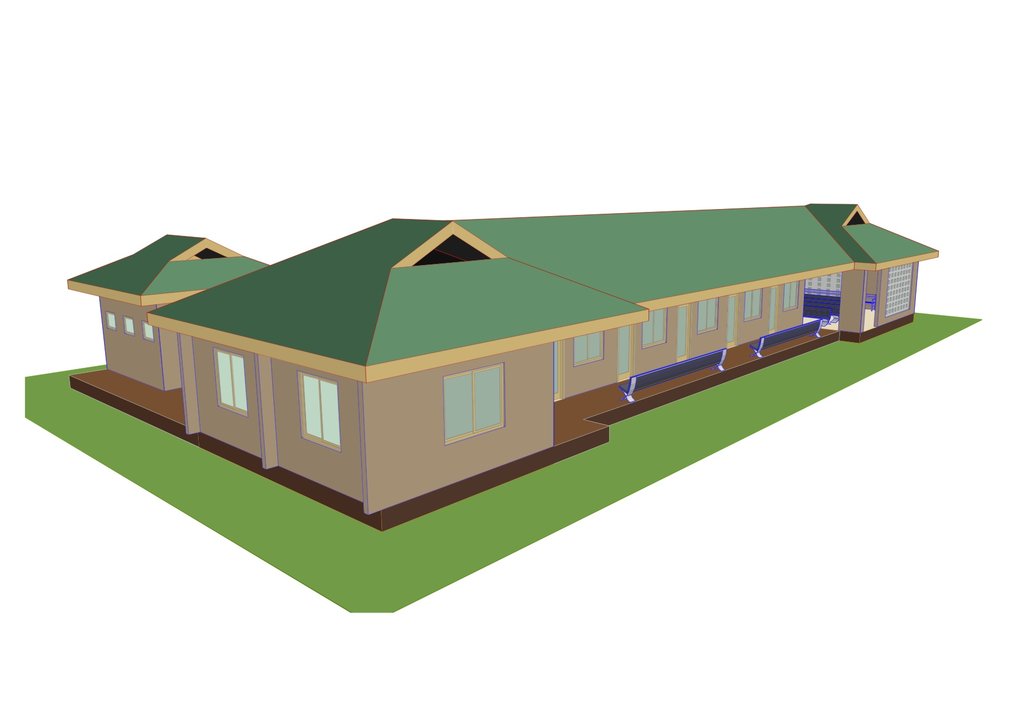
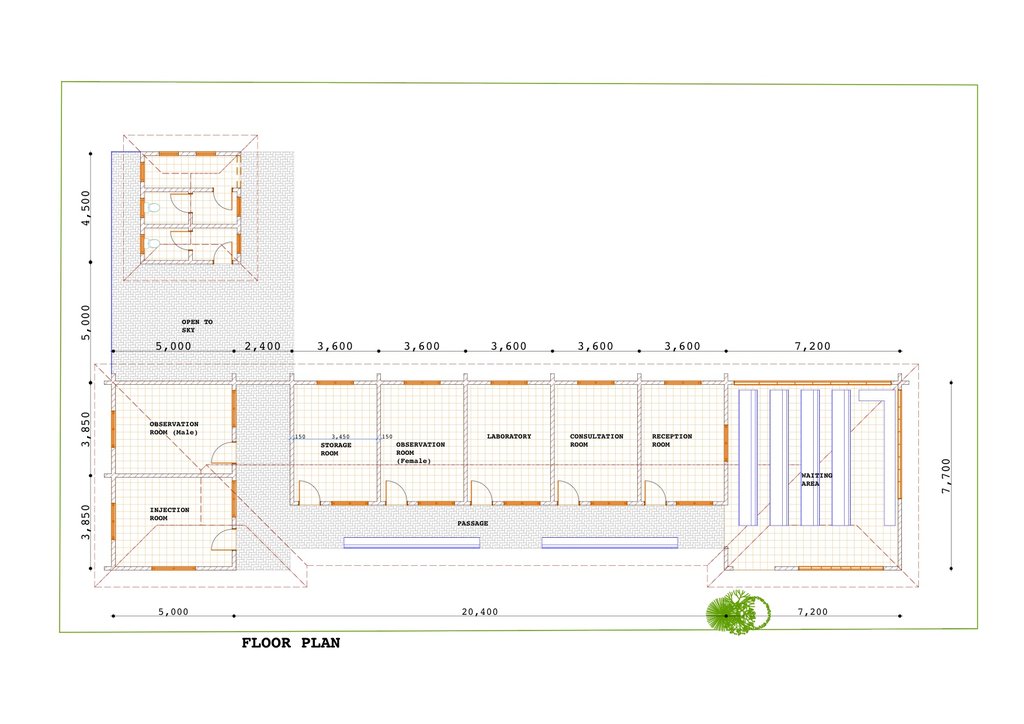
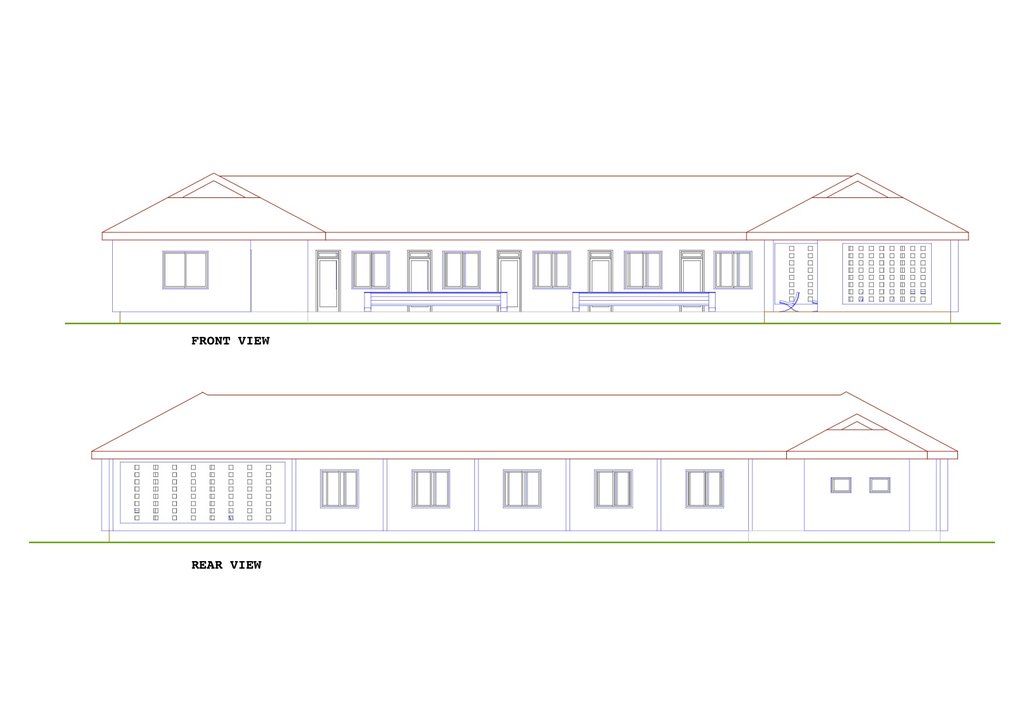
This project will construct a health dispensary, so local people will have access to basic health services (i.e. treatments for malaria, cholera, TB, measles, STDs, etc.). The government has agreed to provide a healthcare worker and will supply basic medicines for the dispensary, free of charge. Preventative health lessons and counseling to HIV affected communities will also be provided, as well as the distribution of mosquito nets to households as a measure for preventing malaria.
This project will increase the overall well being of the village by helping pregnant women have safer births, providing preventative interventions and health education for malaria and HIV, immunizing children, and providing treatments for waterborne disease, etc. The clinic will also contribute to the local economy by keeping people healthy enough to work through the agriculture season and not fall victim to illnesses that keep them from tending their fields.
This project has provided additional documentation in a Microsoft Excel file (projdoc.xls).