![Awareness]()
Awareness
Programs Conducted in Ruby Valley Rural Municipality
In short, about Ruby Valley Rural Municipality challenges:-
Ruby Valley Rural Municipality is a local administrative unit in Dhading District, Bagmati Province, Nepal. Location: Northern Dhading, bordering Tibet (China) to the north. The area is mountainous and remote, lying within the Ganesh Himal range. Due to its proximity to the Tibetan border, the area has some cross-border trade activities. However, many households face economic challenges and depend on subsistence farming. Limited access to education, healthcare, infrastructure, and risk of human trafficking due to poverty and proximity to the border.
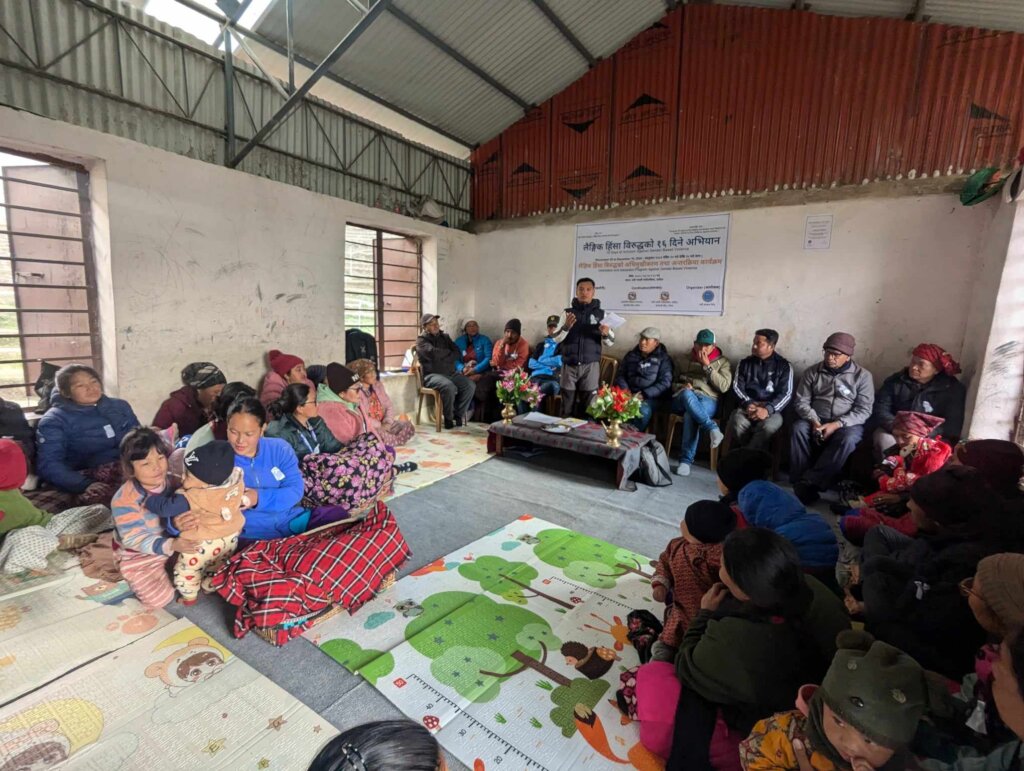
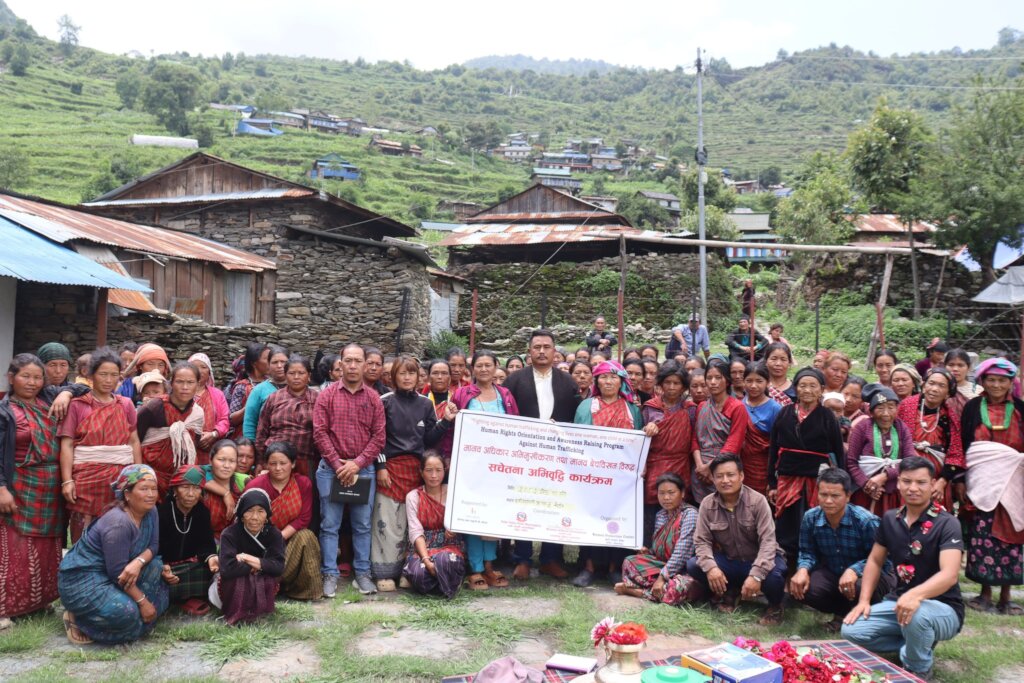
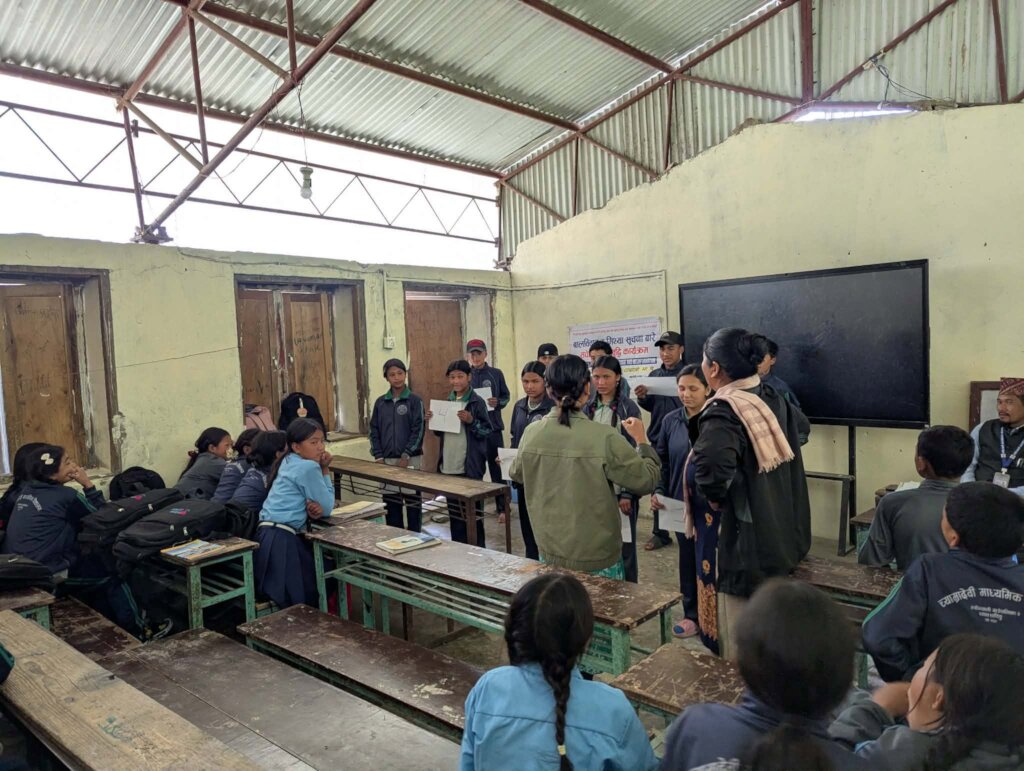
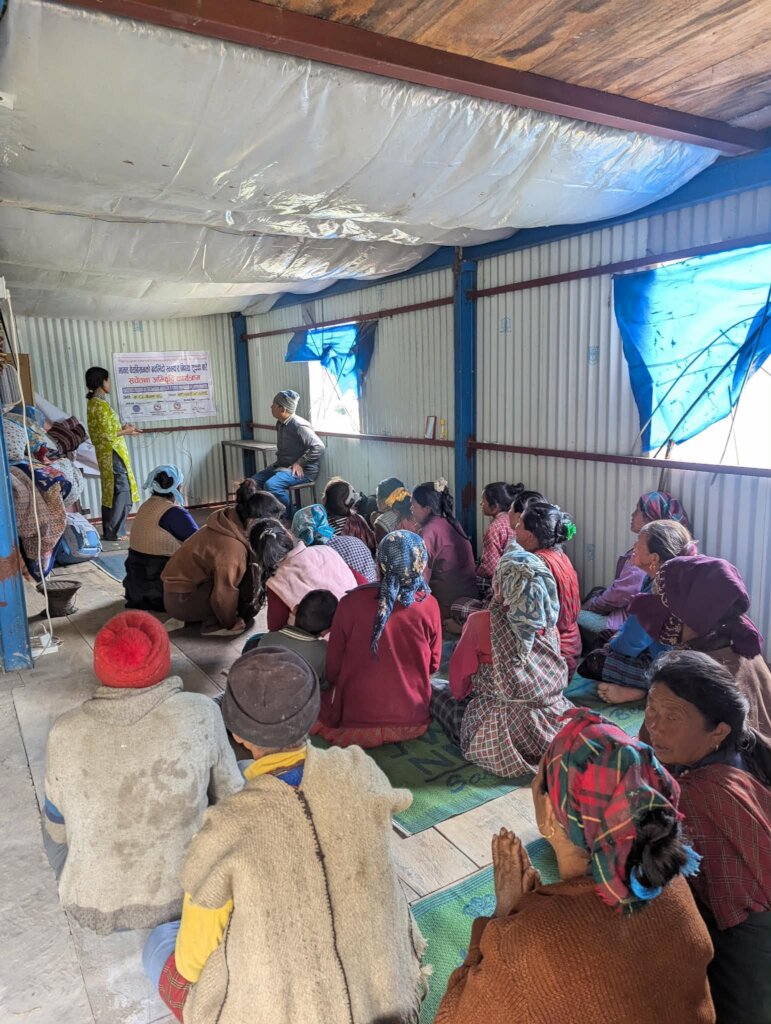
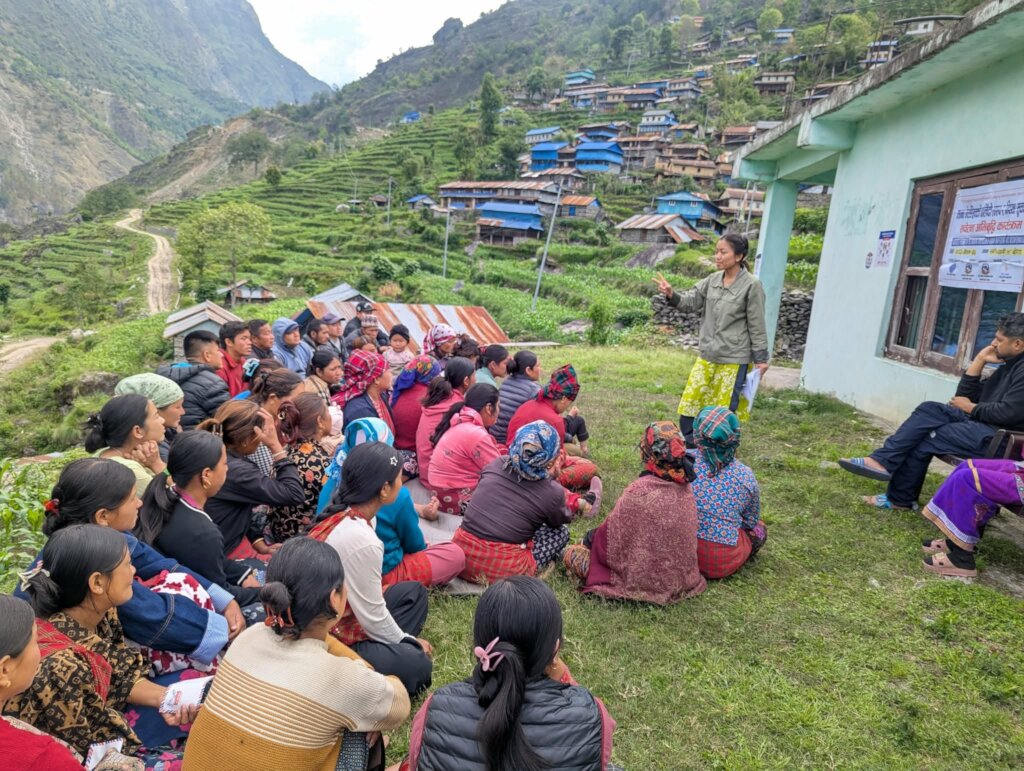
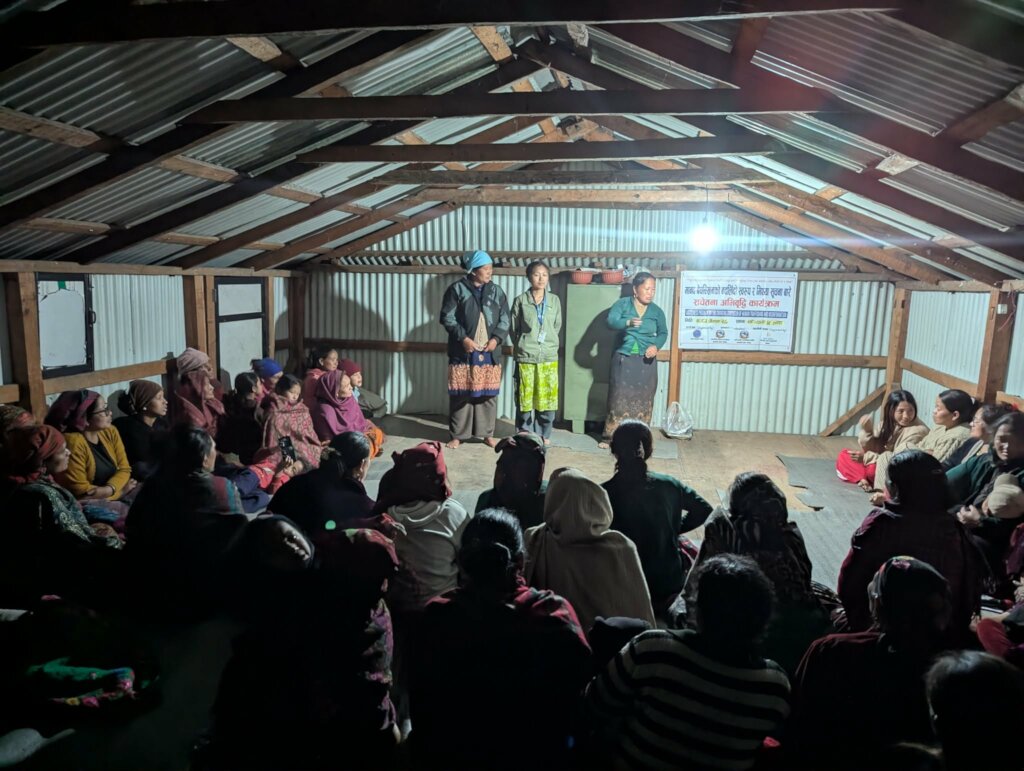
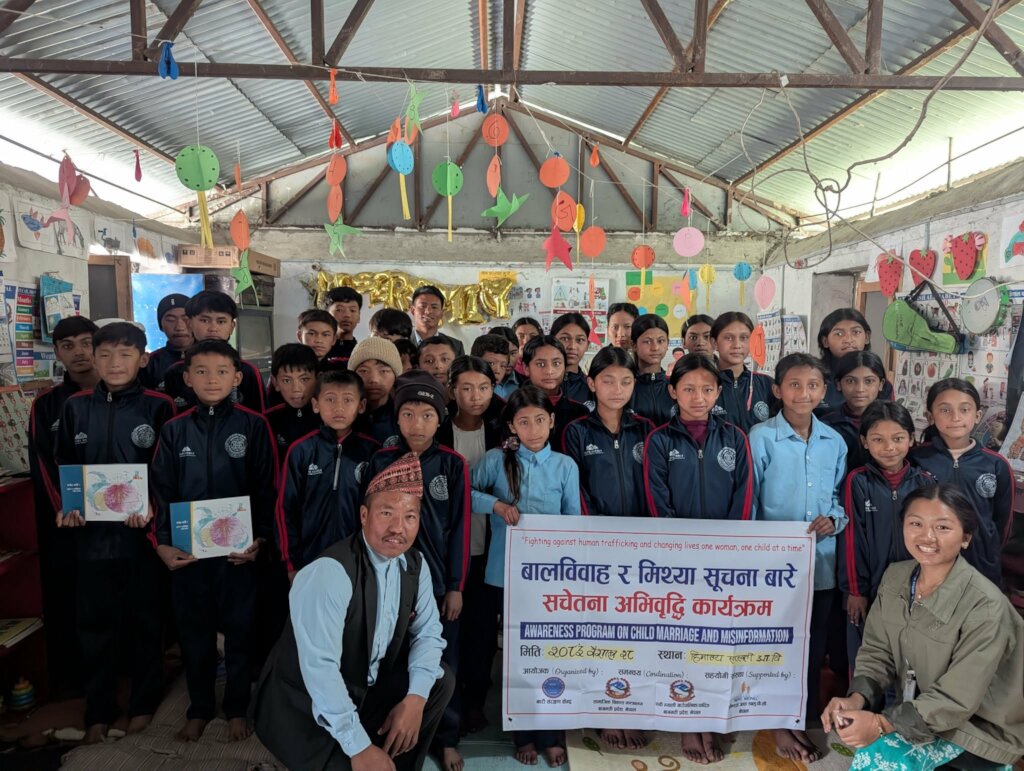
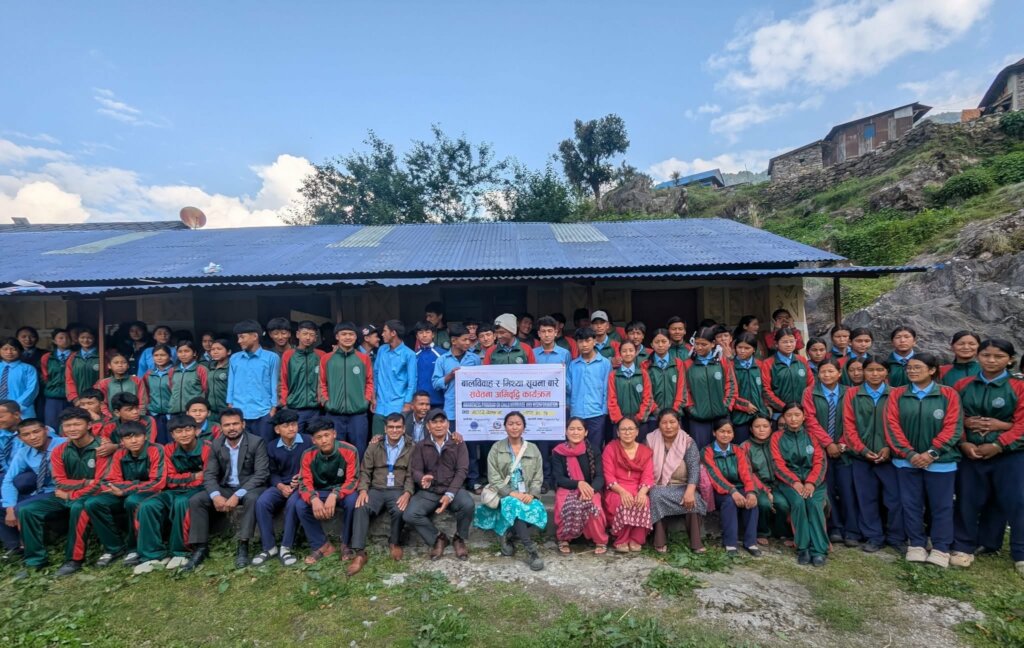
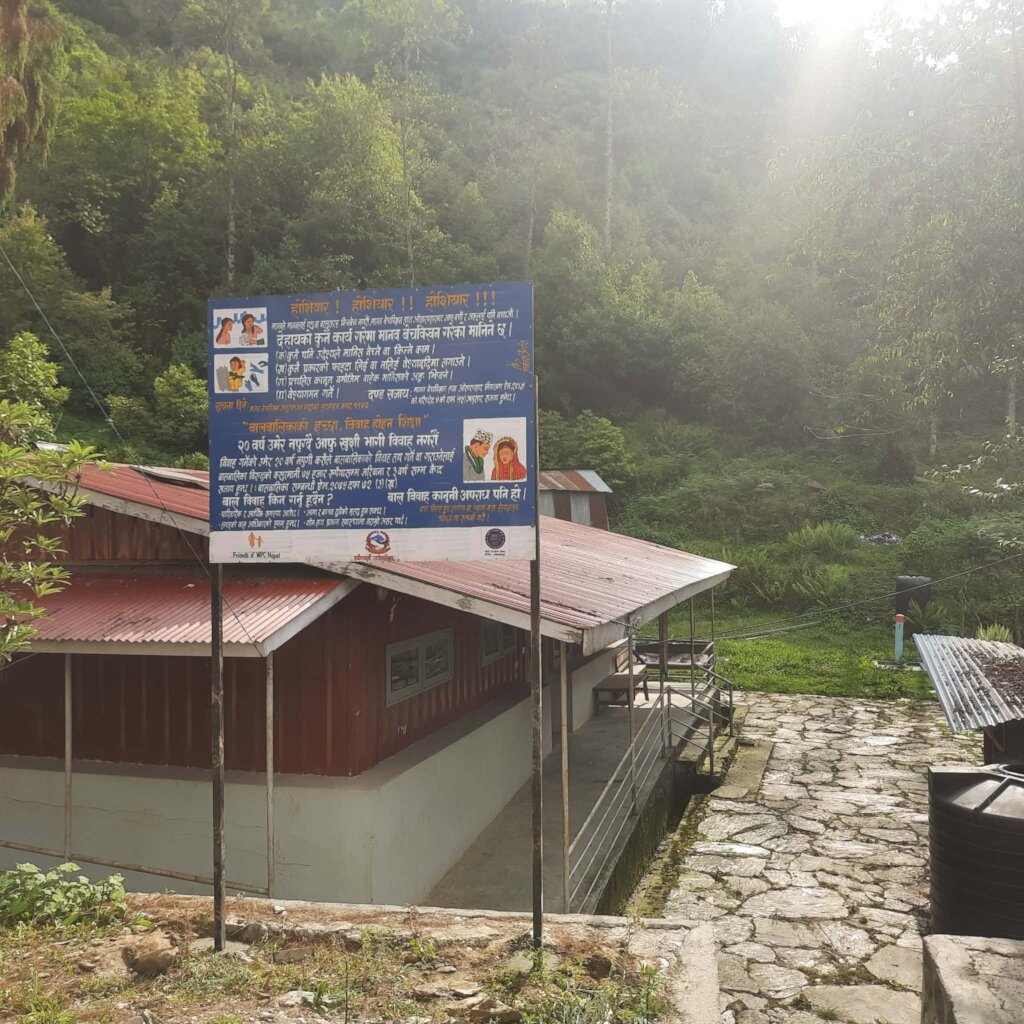
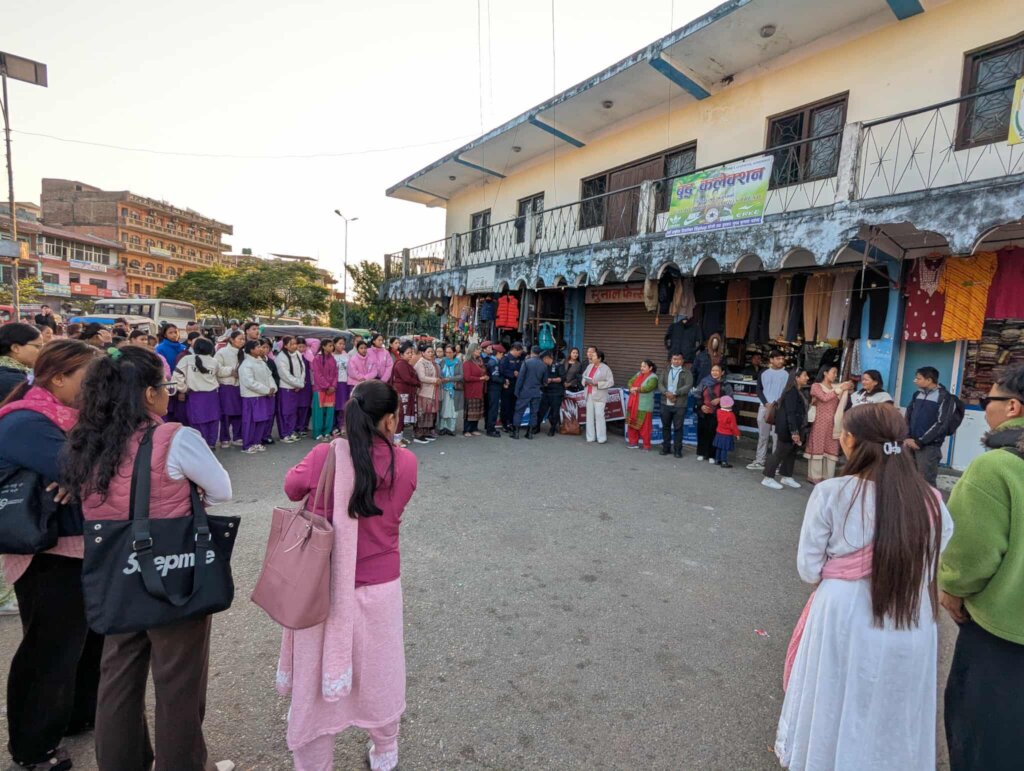
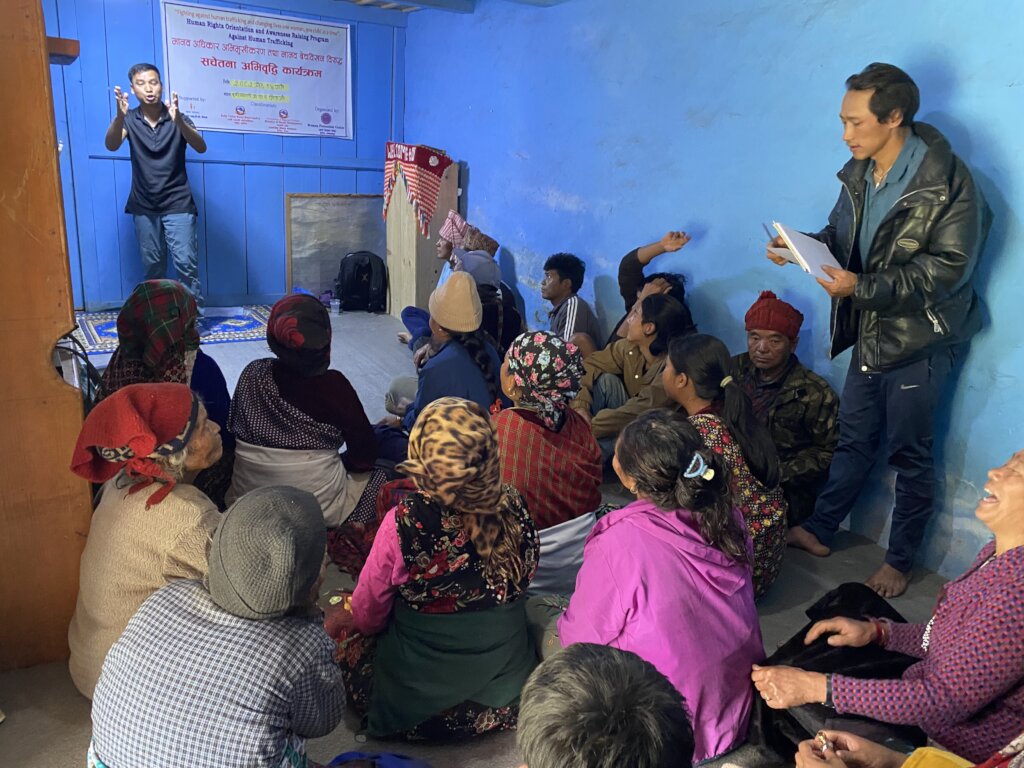
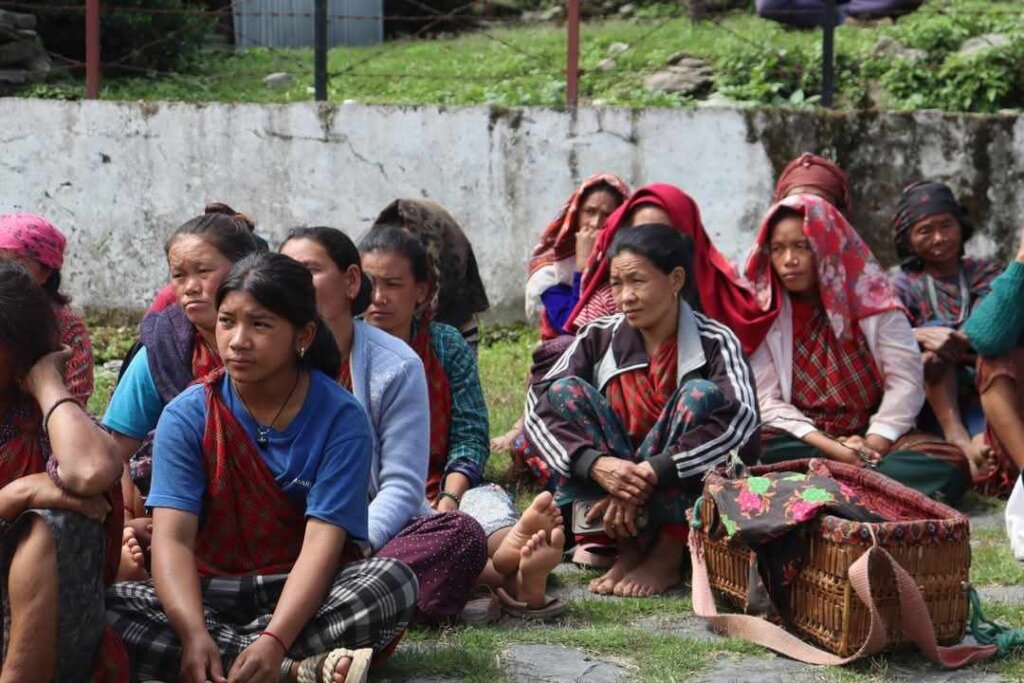
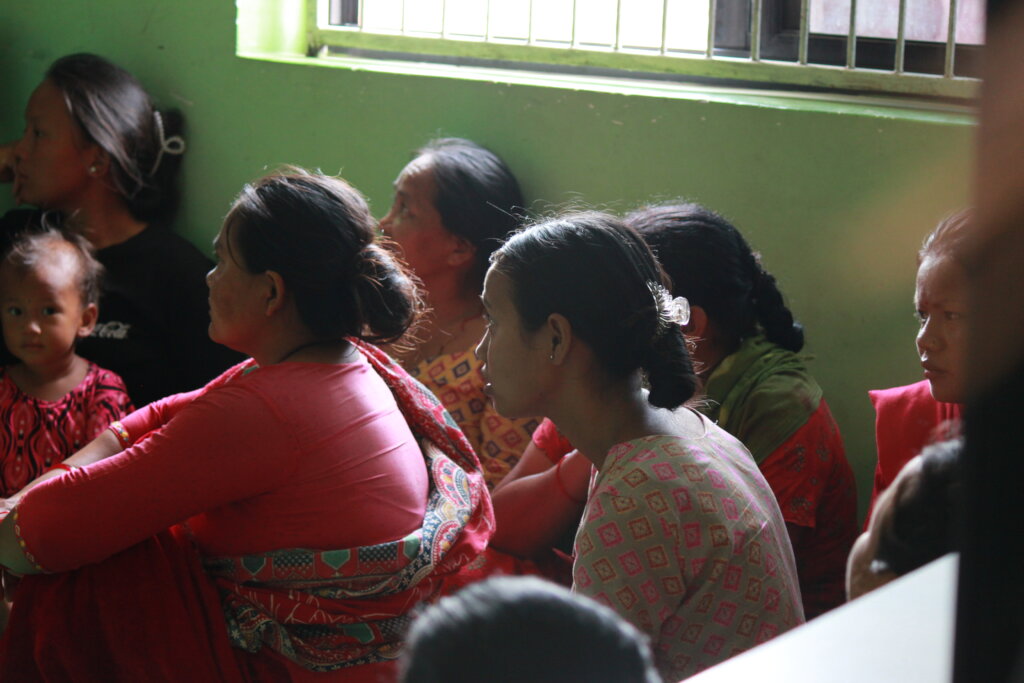
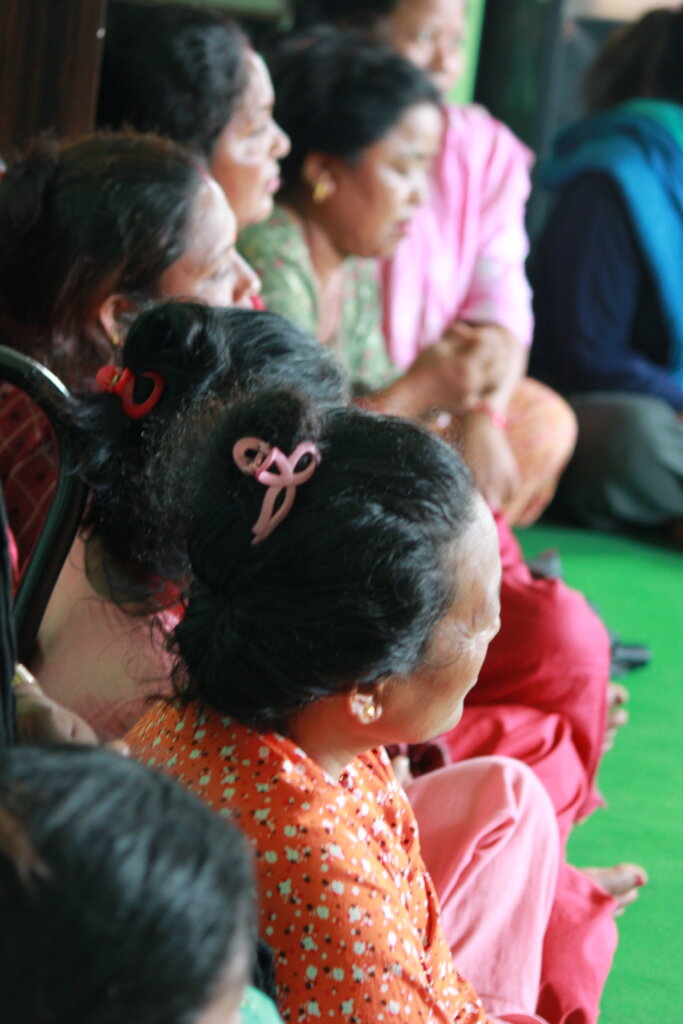
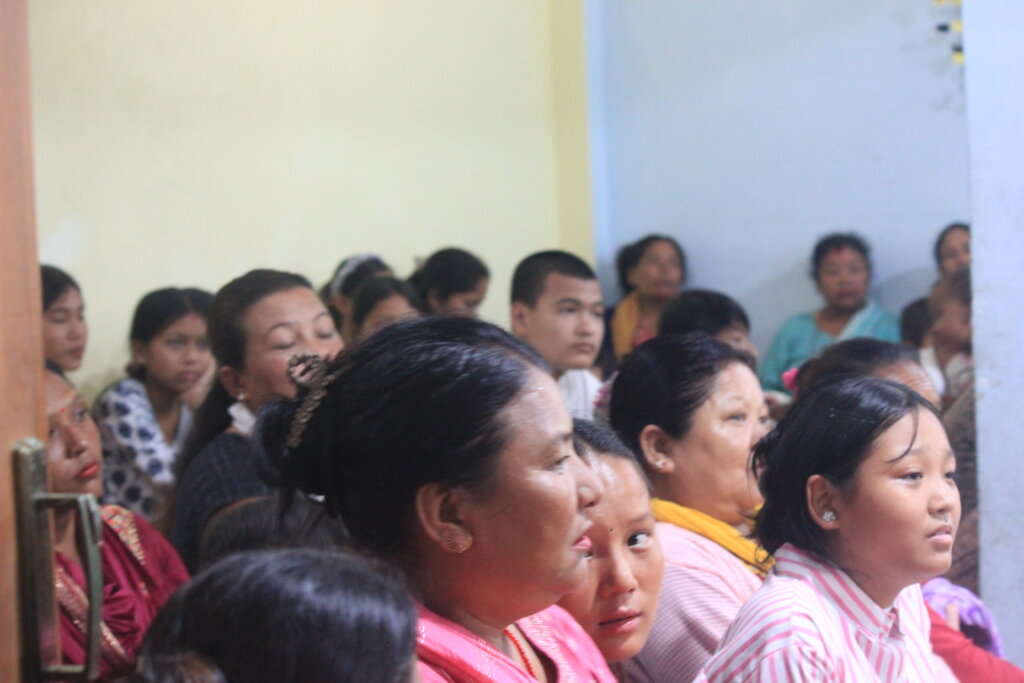
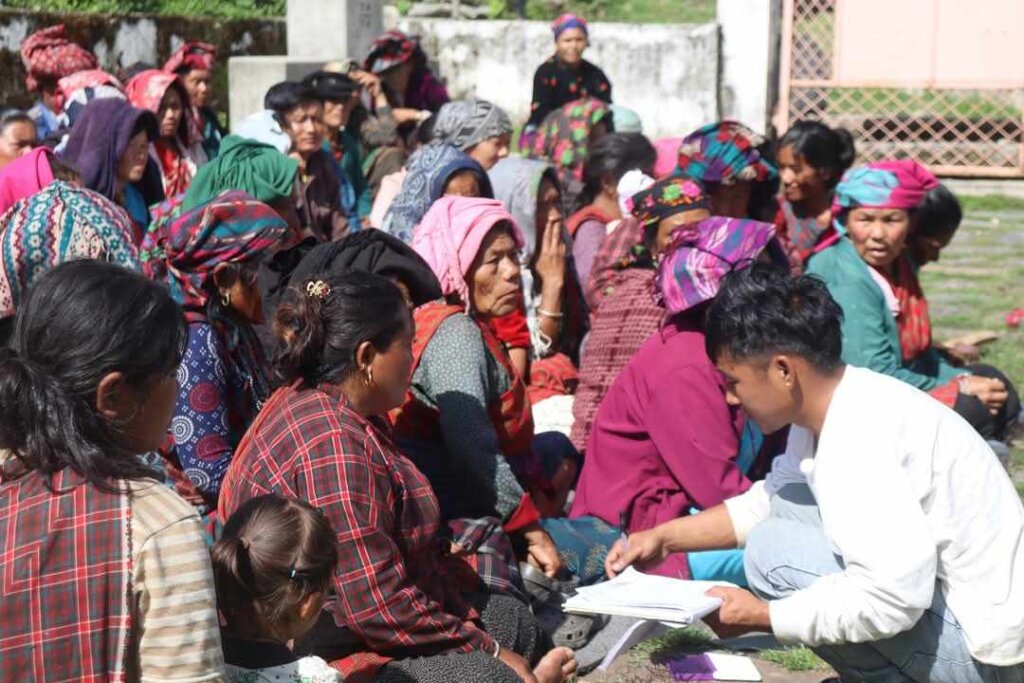
Awareness and Advocacy Program Against Human Rights Violations, Human Trafficking, Gender-Based Violence, and Child Marriage
Total Participants: 684 o Students: 86 o Women and Men: 598
Awareness and Sensitization Programs
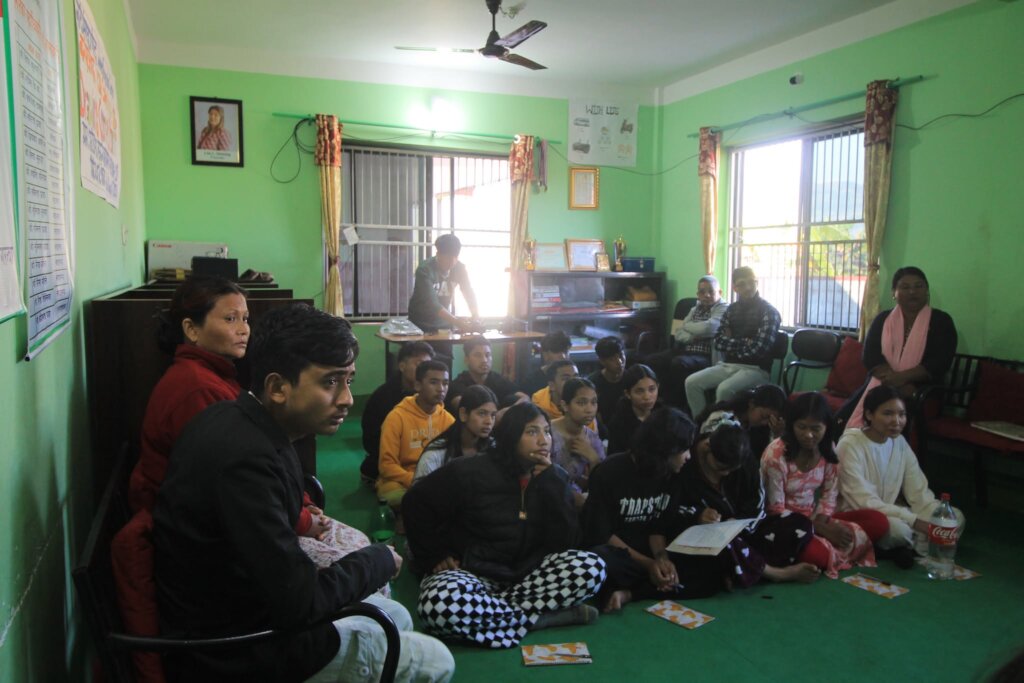
Orientation and interaction sessions on gender-based violence were conducted.
Coordination: Bagmati Province Government, Ministry of Social Development, and Ruby Valley Rural Municipality.
Program Topics Included: Introduction to gender-based violence Types and causes of violence Background on efforts against gender-based violence Participants’ perceptions and the local situation regarding such incidents
Additional Topics Covered: Introduction to rights and human rights Information on the 31 fundamental rights guaranteed under Articles 16 to 46 of the Constitution of Nepal (2015) Information on the Human Trafficking and Transportation (Control) Act, 2007, and the UN Convention against Transnational Organized Crime, including the 2000 Palermo Protocol on preventing, suppressing, and punishing trafficking in persons, especially women and children Causes, current trends, and destinations of human trafficking.
Success Story
Saved from Fraud and Trafficking
– A woman who is a permanent resident of Ward No. 3, Ruby Valley Rural Municipality, Dhading. Her family depends on farming for their livelihood, but due to poor economic conditions, she had to discontinue her studies and start searching for work. Ruby Valley borders the Tibetan region of China, where frequent import and export activities take place. One day, a Chinese tourist named Wang Li Jiahyang approached her, saying he needed two workers for a meat shop. Since she needed a job, she requested him to arrange work for her. Later, she also asked him to take her husband along since he had experience working in a meat shop. But the man refused, saying he only wanted another young woman like her, not a man. This made me suspicious. I suddenly recalled a human trafficking awareness program she had attended six months earlier, organized by the Women Protection Center. From that program, she had learned that attractive job offers can often be traps of fraud and human trafficking, and that any such offers should be verified with local authorities or NGOs before making a decision. She informed the Chairperson of Ruby Valley Rural Municipality and requested that he verify the offer. When he called the man to inquire, the man responded nervously, saying he was busy and would call back later. After that, he never answered the phone. Later, it was found that he was indeed a fraudster who lured young women with false promises of employment and trafficked them elsewhere. She is grateful that before making a final decision, she reconsidered the proposal and remembered the awareness program. The experience taught her the importance of being cautious and verifying information before trusting such opportunities. Because of this, she was able to avoid becoming a victim of trafficking.”
![Ruby Valley]()
Ruby Valley
![Awareness]()
Awareness
![]()
![]()
![]()
![Share on Twitter]()
![Share on Facebook]()