Project Report
| Jul 21, 2026
Biodiversity Monitoring - Project report, July2026
![Community engagement]()
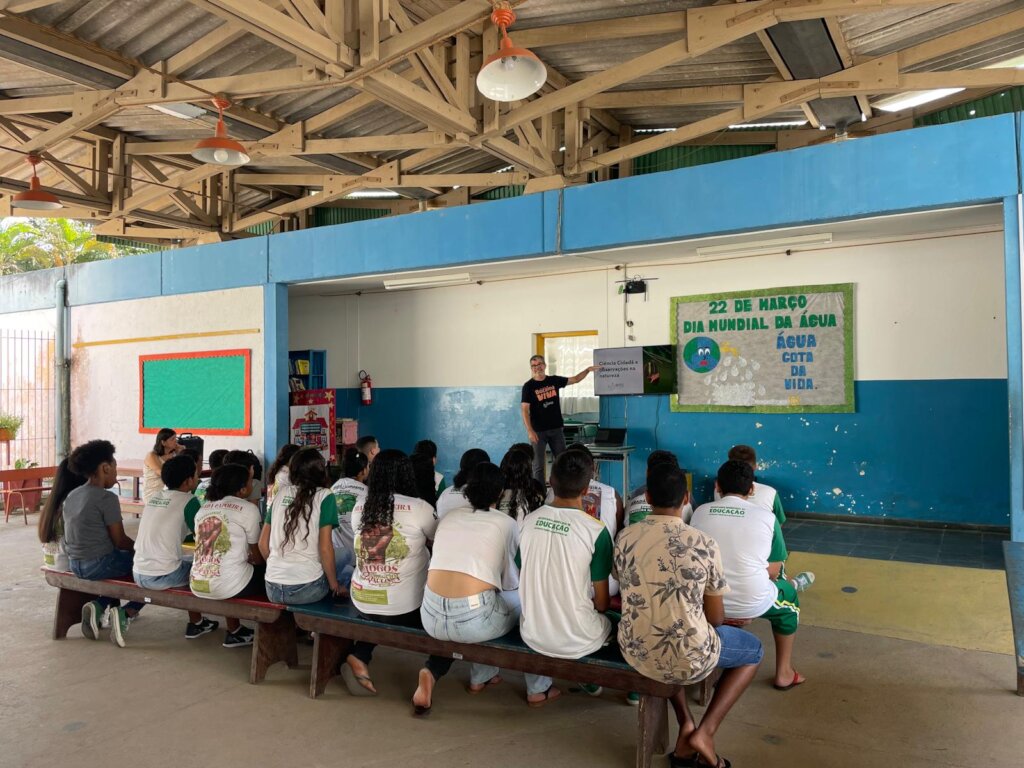
Community engagement
Biodiversity Monitoring Project Update – July 2026
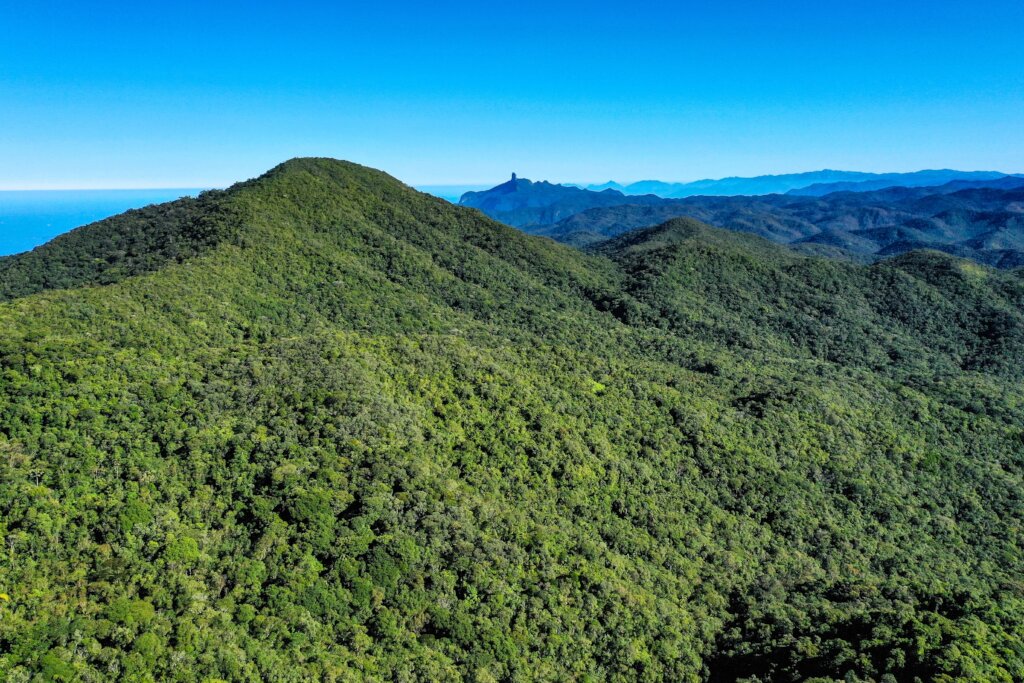
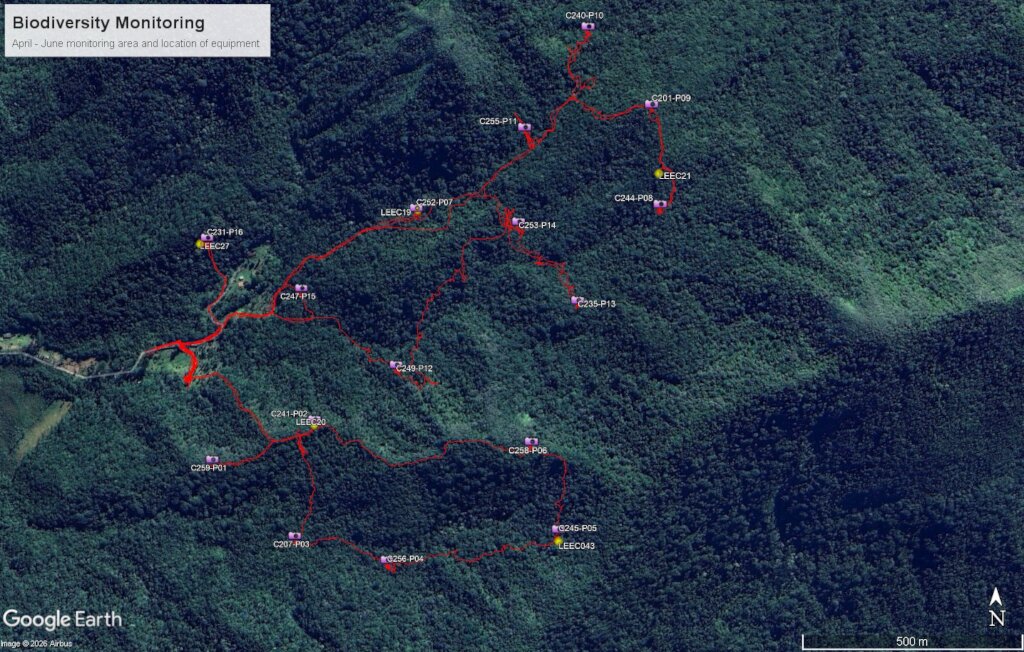
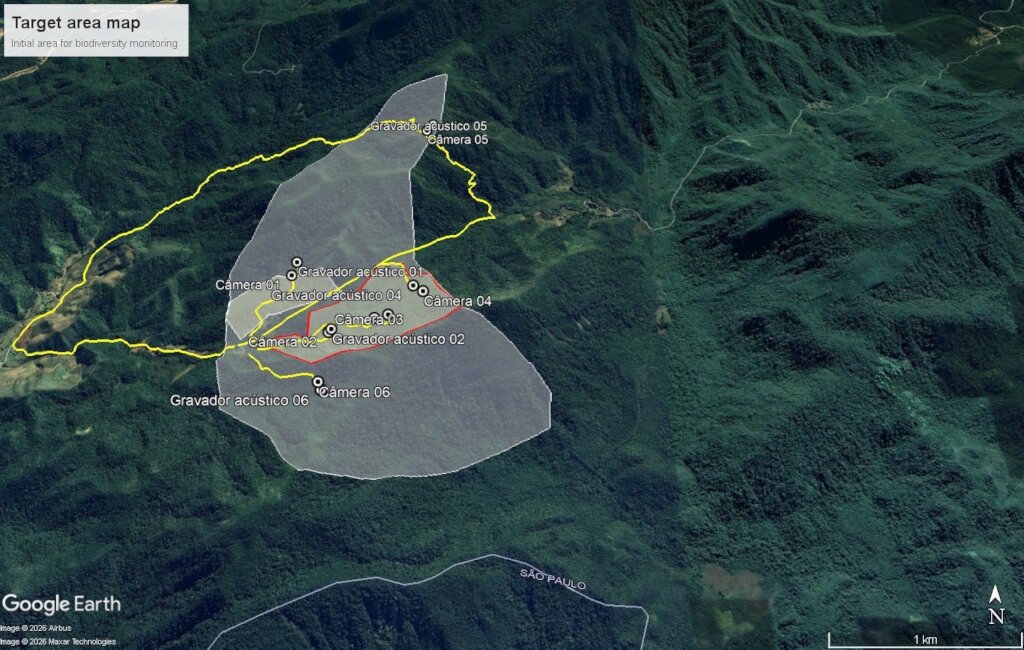
Four months after our March brief, the Atlantic Forest Biodiversity Monitoring project has moved from setup into an expanded active phase across RPPN (Private Reserve of Natural Heritage) Candeia and adjacent areas. Between April and June, we completed 10 camera deployments and 6 acoustic recorder deployments, conducted 50+ drone flights totaling 30 flight hours, and collected a substantial raw dataset that will support species inventories and habitat analyses. We have spent USD 10,950 (73%) of the USD 15,000 initial international grant and currently require USD 39,000 in additional funding to complete species identifications, acoustic analyses, community training, and public communications.
Progress since March 2026
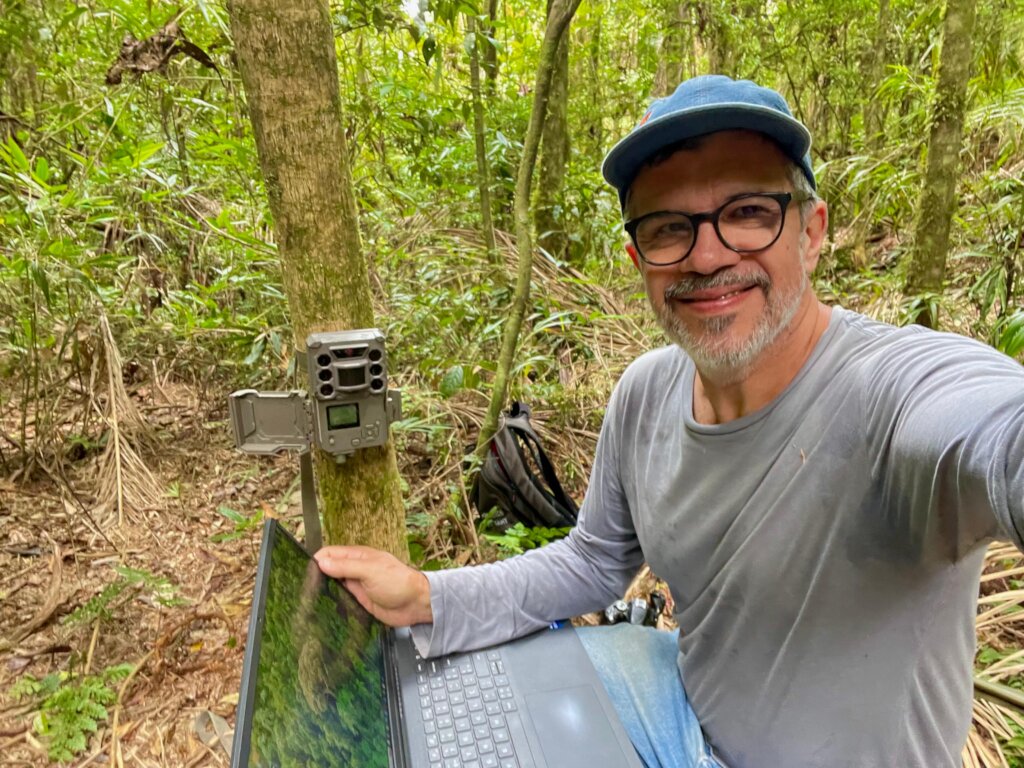
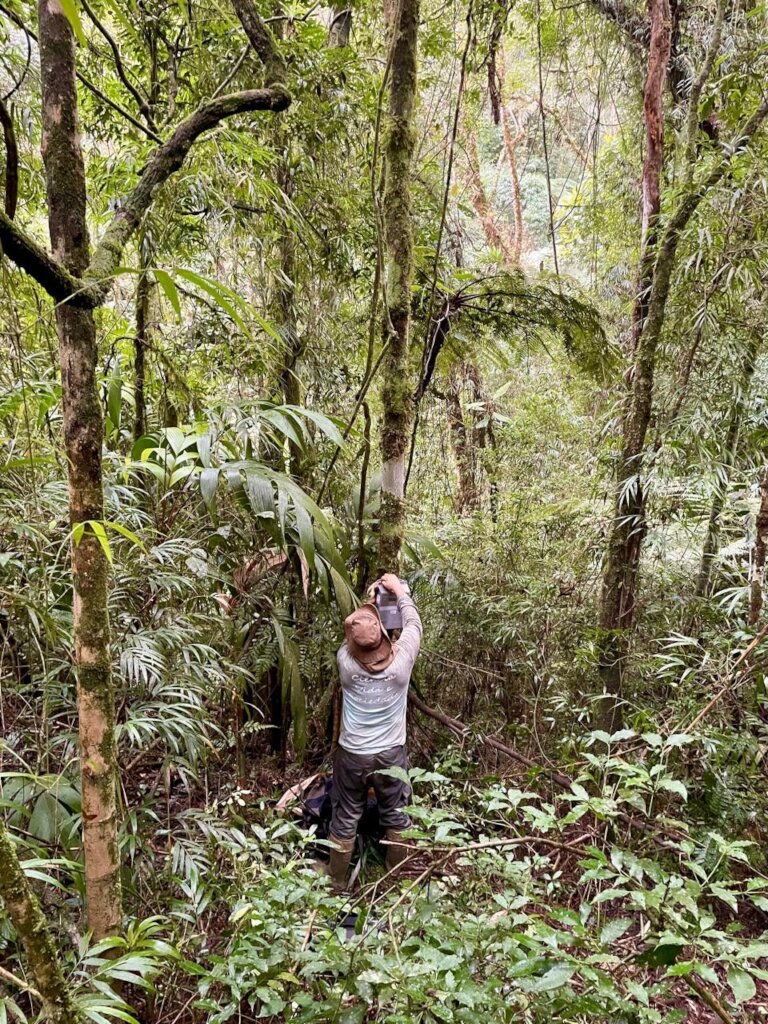
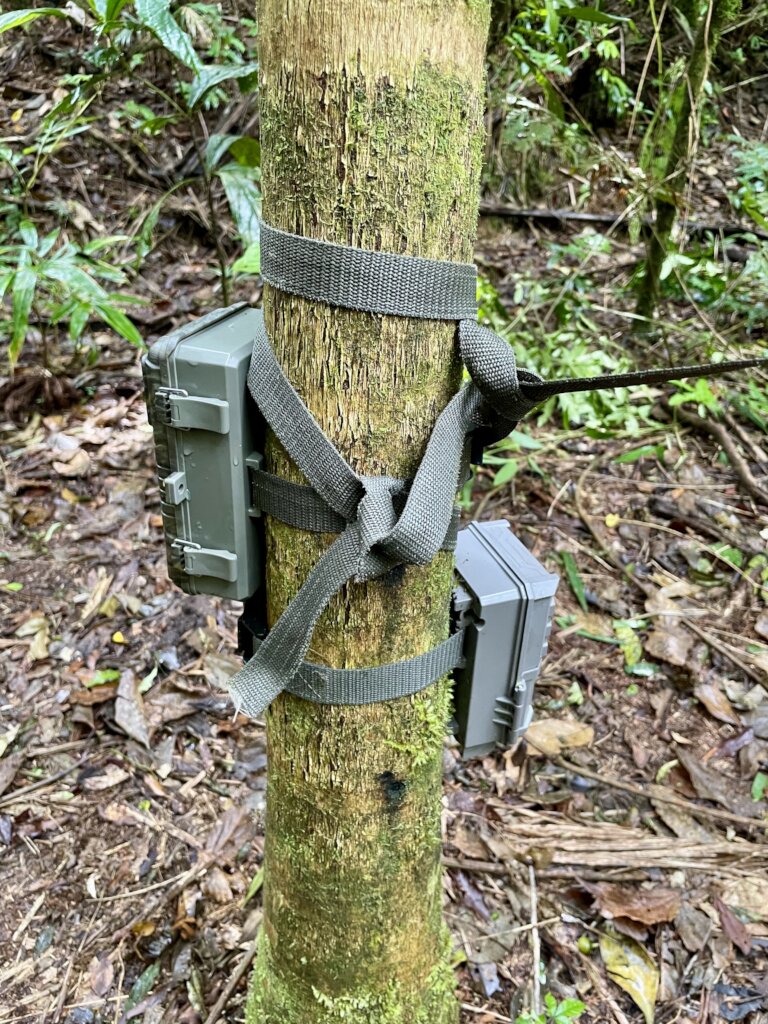
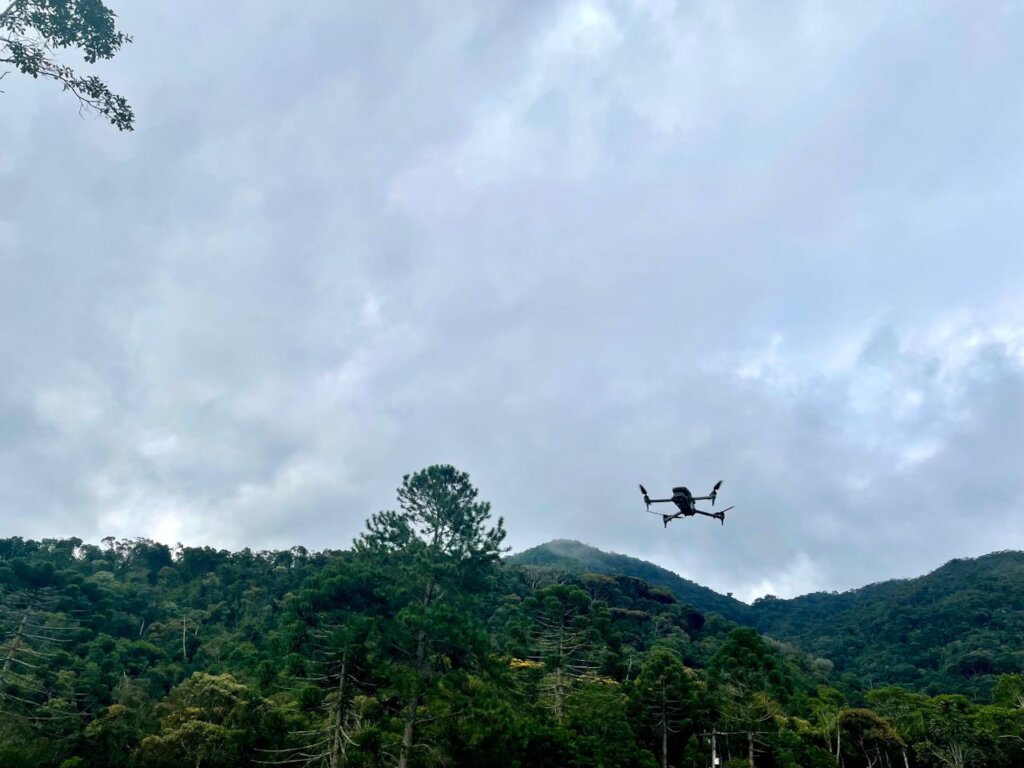
- Equipment and partnerships Cameras deployed: 10 trail cameras active for two months. Acoustic recorders deployed: 6 units recorded one full month of audio. Drones: 50+ flights completed; 30 hours total flight time. Partnership contribution: UNESP – Sao Paulo State University (LEEC – Spatial Ecology and Conservation Lab) provided additional cameras, acoustic recorders, a field work team, and access to specialized laboratories for raw data analysis at no cost, enabling acoustic monitoring and laboratory processing that would otherwise have been delayed.
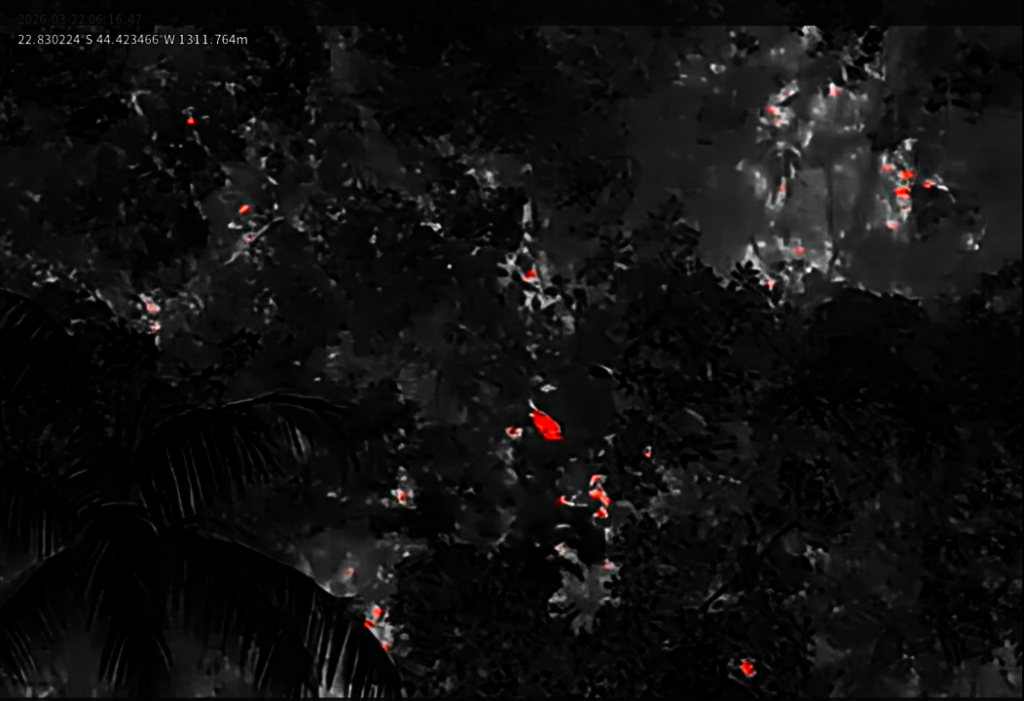
- Data volumes collected Photographs: ~8,000 images. Videos: ~2,000 video clips. Audio: one month of continuous recordings from 6 recorders. Raw datasets and maps are organized and staged for processing; equipment is being prepared for redeployment to a new priority area.
- Field protocols and logistics Standardized camera placement, drone flight plans, and data logging templates were refined. Transport routes and basecamp procedures remain in place for safe, repeatable access and for redeployment logistics.
Preliminary observations and data status
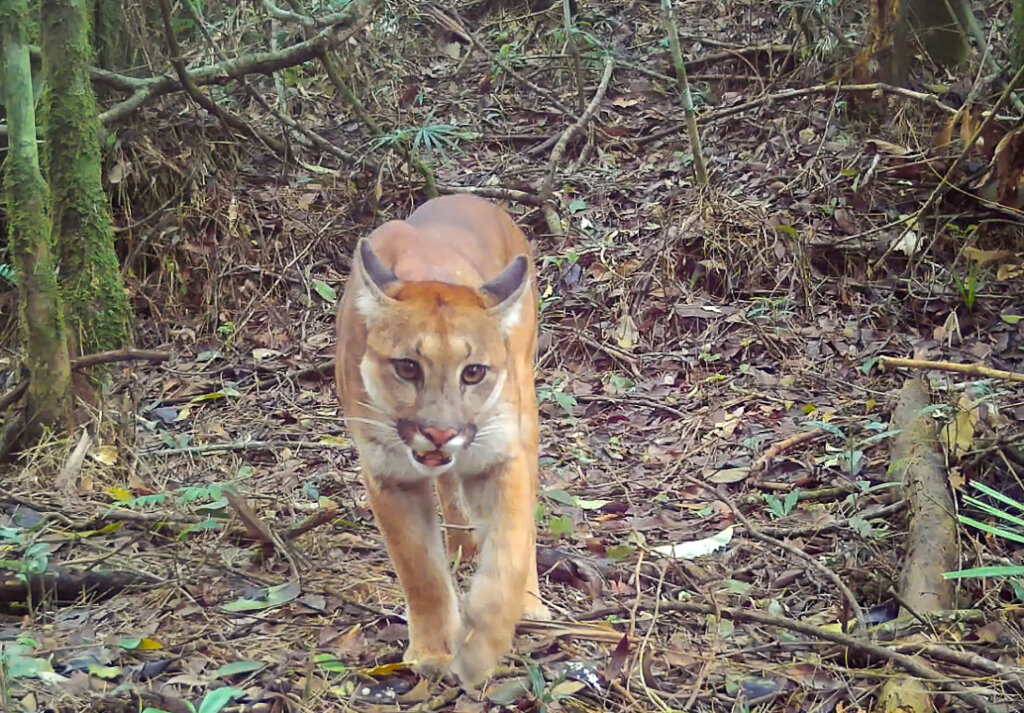
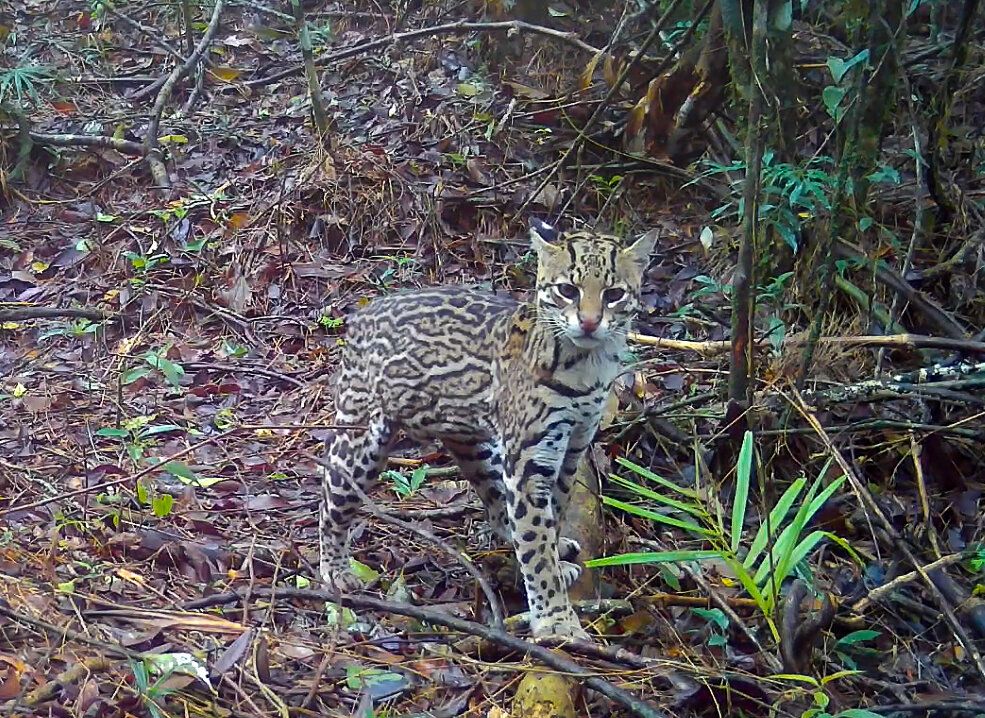
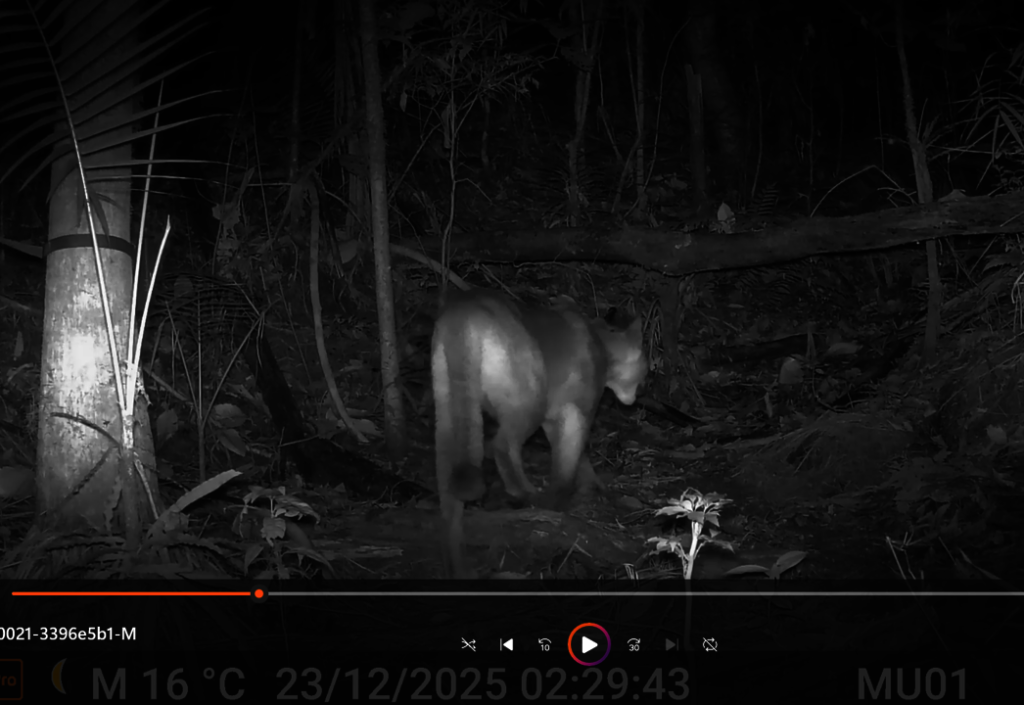
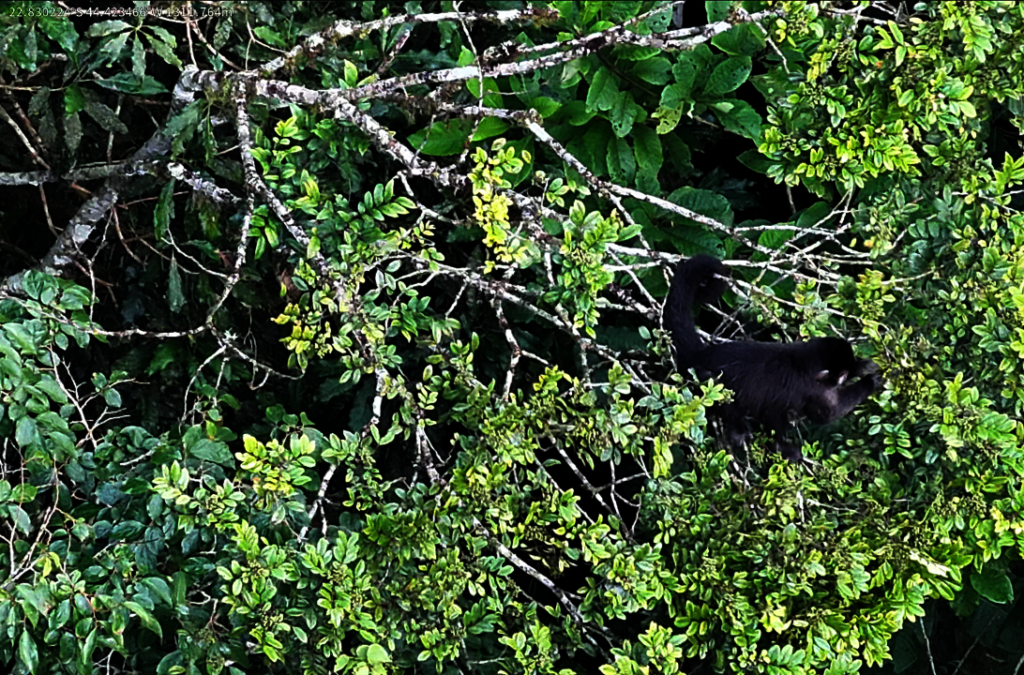
- Endemic species detections: Preliminary image review indicates more than 10 endemic animal species detected across sampled sites.
- Target species status: No confirmed detections of the primary target species Muriqui do Sul (Brachyteles arachnoides) within the current deployment area to date.
- Data processing status: Raw images, videos, and audio files are catalogued. UNESP laboratory support will process acoustic data and assist with specialist analyses. Automated image classification and manual validation will proceed over the coming months; processing capacity is constrained by funding and analyst time.
Community engagement
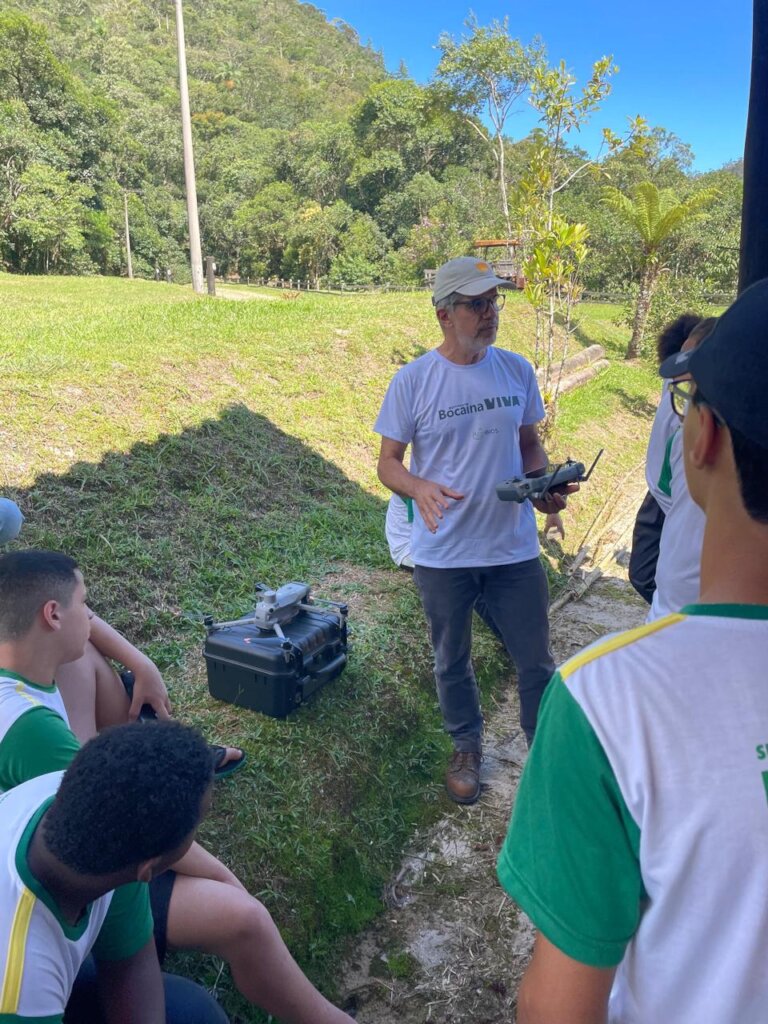
- Workshops completed: Two school workshops held in April and June 2026 with local students and teachers featuring handson demonstrations of cameras, drones, and basic data interpretation.
- Planned workshops: Three additional workshops scheduled for August, October, and November 2026 to expand community participation and train local operators.
Funding summary
Current status: 73% of the initial international grant expended. UNESP contributions in equipment, field personnel, and lab analysis are provided at no cost and materially reduce the cash resources otherwise required. Despite this inkind support, we require USD 39,000 in new funding to deploy equipment to additional sites, to complete species identifications, acoustic analyses, additional equipment procurement where needed, community workshops, and public communications.
Risks and mitigation
- Data backlog and analyst capacity Risk: Processing delay for ~8,000 images, ~2,000 videos, and acoustic files. Mitigation: Prioritize automated image classification; leverage UNESP lab capacity for acoustic processing; recruit shortterm analyst support funded by donations.
- Equipment redeployment logistics Risk: Access and transport constraints when moving gear to new sites. Mitigation: Use established basecamp procedures and coordinate with UNESP field teams and local partners.
- Funding shortfall Risk: Inability to complete analyses, workshops, and communications without new funds. Mitigation: Launch targeted donor outreach, prepare a donor impact brief with early results, and offer partner cofunding and inkind recognition.
Next steps and timeline
- August 2026 — Redeploy cameras and recorders to the next priority area; begin new recording cycle.
- August 2026 – Community workshop; begin first automated pass of image classification and acoustic preprocessing.
- September 2026 – Complete initial species identification pass for April–July deployments; begin focused acoustic call identification using UNESP lab resources; produce a short internal technical brief.
- October 2026 – Community workshop; continue analyses and validation.
- November 2026 – Finalize expanded analyses for first deployment cycle; publish donorfacing impact brief and public summary; plan year two scaling contingent on funding.
Call to action
We invite institutional partners, philanthropic donors, and research collaborators to support the next phase. Target ask: USD 39,000 to complete species identifications, acoustic analyses, community training, and public communications. Contributions will be used to: hire shortterm analysts, procure additional camera traps and consumables, cover field logistics for redeployments, and run community workshops. UNESP’s inkind support demonstrates strong academic partnership and reduces the cash required for laboratory processing; additional funds will accelerate delivery of actionable results.
![Equipment deployment]()
Equipment deployment
![Monitoring area and equipment deployment map]()
Monitoring area and equipment deployment map
![Trail cameras]()
Trail cameras
![Biodiversity image from project equipment]()
Biodiversity image from project equipment
![Share on Twitter]()
![Share on Facebook]()