By Limpopo team | Project Team
To our generous donors,
We extend our deepest gratitude for your unwavering support.
Your contributions are directly powering the meaningful work we do every day in the heart of the Karongwe Private Game Reserve.
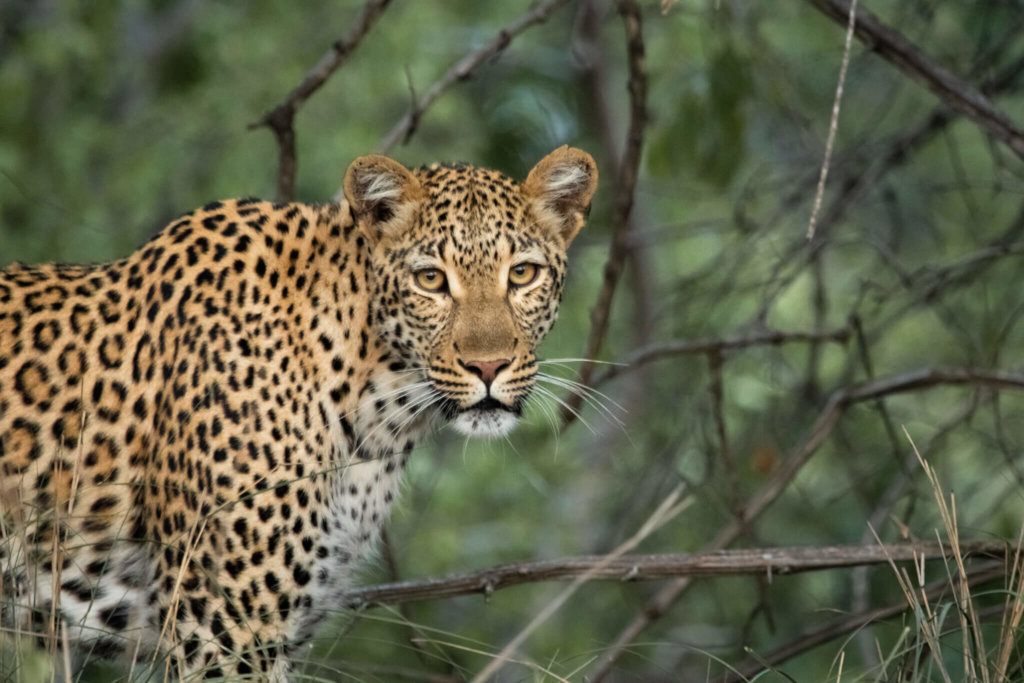
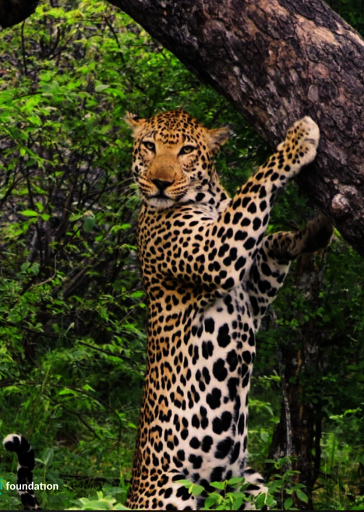
Did you know that thanks to your donations, we’re able to implement a 5-step wildlife monitoring system that allows us to study and protect incredible species like lions, leopards, cheetahs, and spotted hyenas?
Here’s how your support is making a difference:
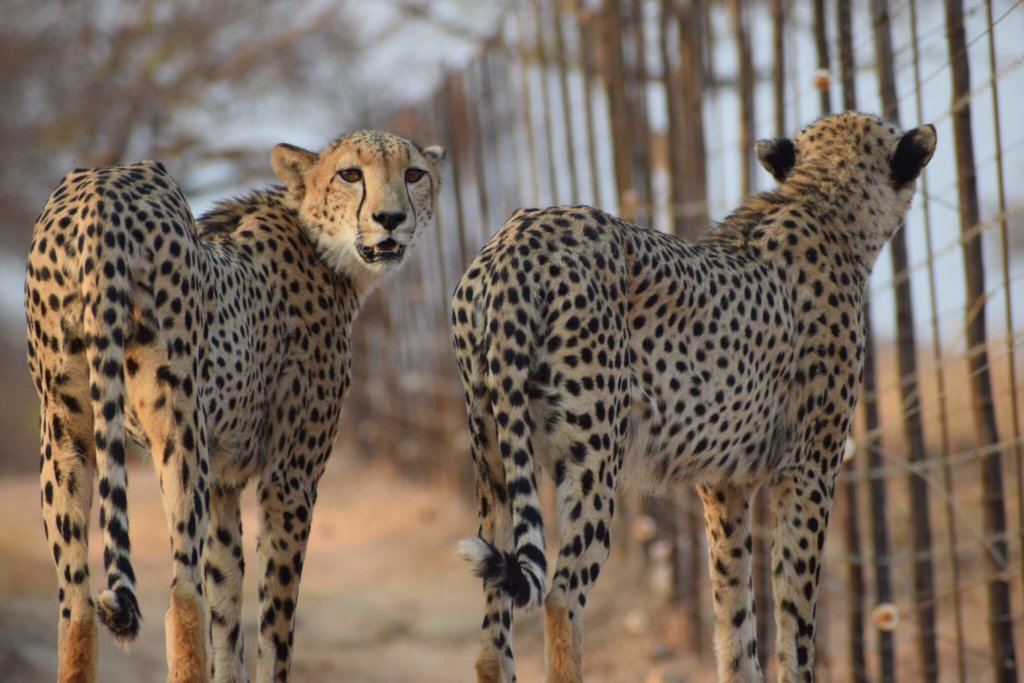
1. Location Tracking During daily research drives, we log the locations of individual animals – with special telemetry tools used to track cheetahs. This helps us understand movement patterns and territories.
2. Full Rating System Each animal is assigned a rating (1–5) depending on the number of quality observations collected. This helps us identify which individuals need more data and focus.
3. Kill Site Analysis If an animal is spotted at a kill site, we record the prey species. For cheetahs, we also track feeding durations in 5-minute intervals – offering insights into hunting behaviour and energy use.
4. Photo Identification We use detailed photographs to maintain and update ID kits for each individual. These visual records are essential for long-term monitoring and accurate identification.
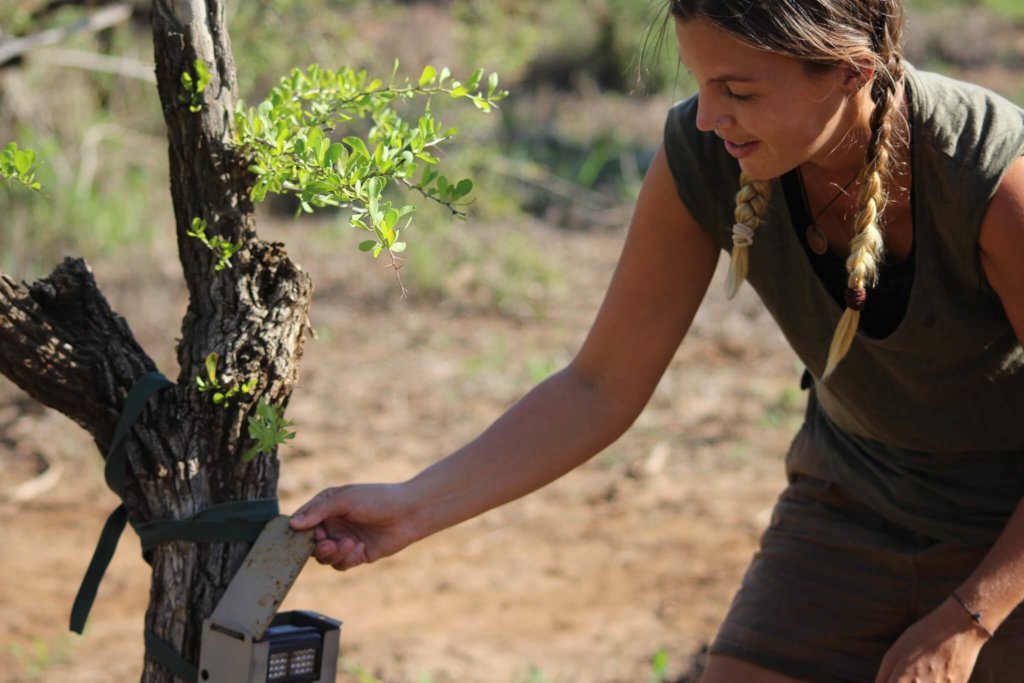
5. Camera Traps With 22 active camera trap stations across the reserve, we passively collect imagery of wildlife – capturing behaviours, interactions, weather data, and more without disturbing natural patterns.
Because of our donations, we re able to purchase and maintain the equipment and resources to enable this continuous flow of data. It allows us to better understand animal health, habitat use, and social dynamics. It also supports the reserve’s conservation planning and management decisions. Species we track include: Cheetahs, hyenas, lions – and many more amazing animals that call Karongwe home.
Thank you for being an essential part of our conservation journey. Your donations do more than fund a project – they help protect Africa’s iconic wildlife, preserve delicate ecosystems, and support sustainable coexistence.
With gratitude, The Limpopo Conservation Team
Project reports on GlobalGiving are posted directly to globalgiving.org by Project Leaders as they are completed, generally every 3-4 months. To protect the integrity of these documents, GlobalGiving does not alter them; therefore you may find some language or formatting issues.
If you donate to this project or have donated to this project, you can receive an email when this project posts a report. You can also subscribe for reports without donating.



Support this important cause by creating a personalized fundraising page.
Start a Fundraiser