By Susannah R. McCandless, PhD | Project administrator
We write this report in the lengthening shadow of the June 24th, 2026 earthquakes that have taken so much from so many in Venezuela. We’ll come back to how you might respond to them, below.
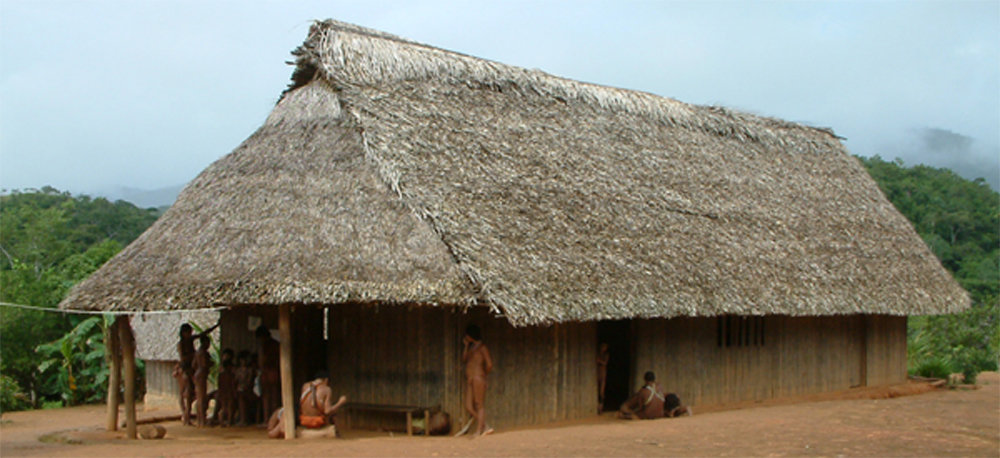
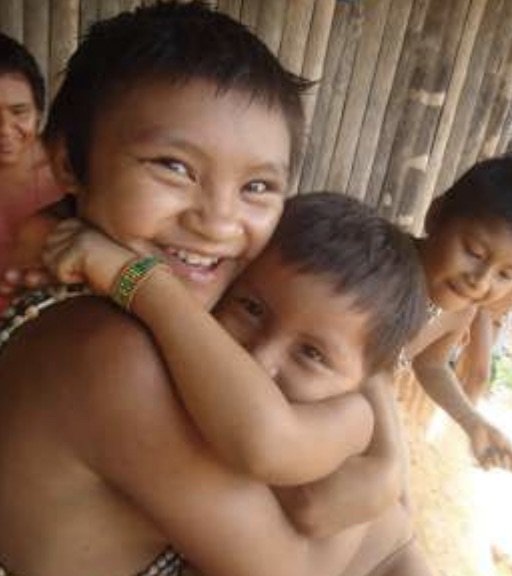
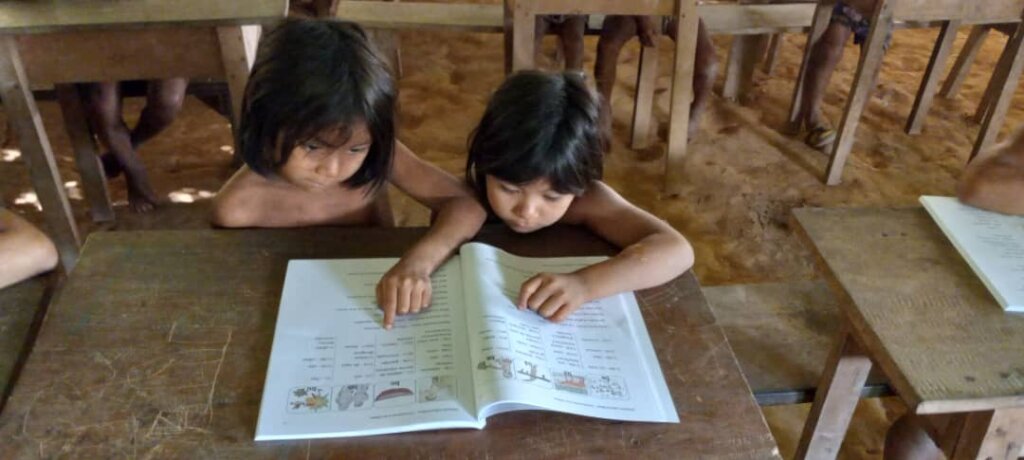
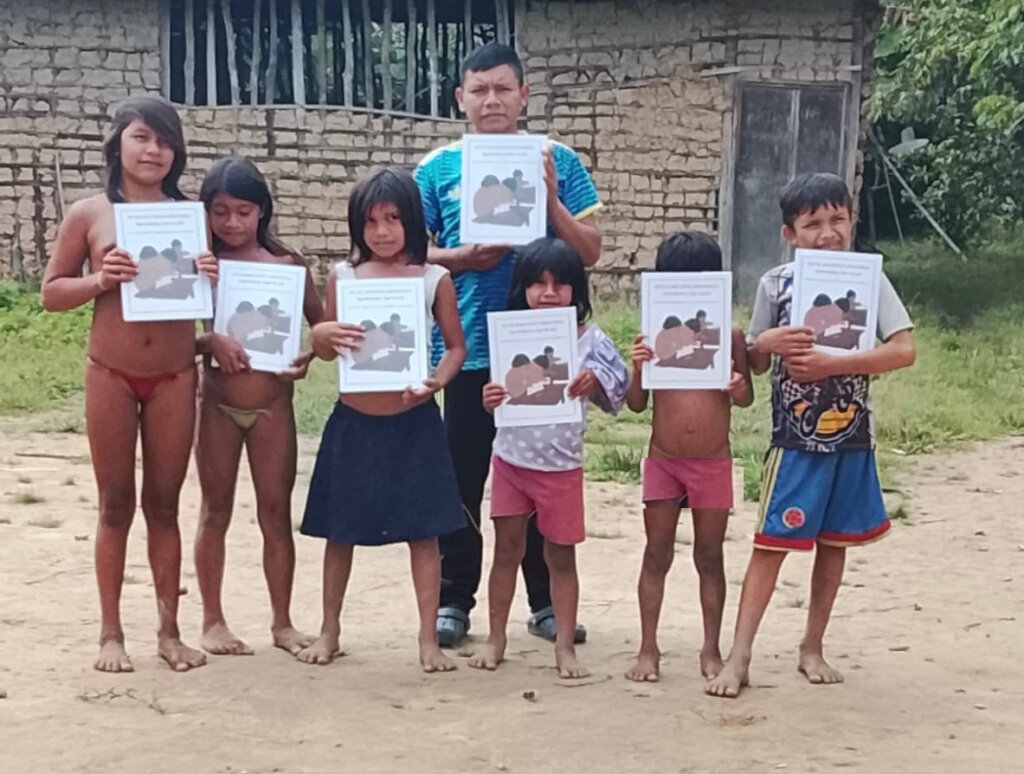
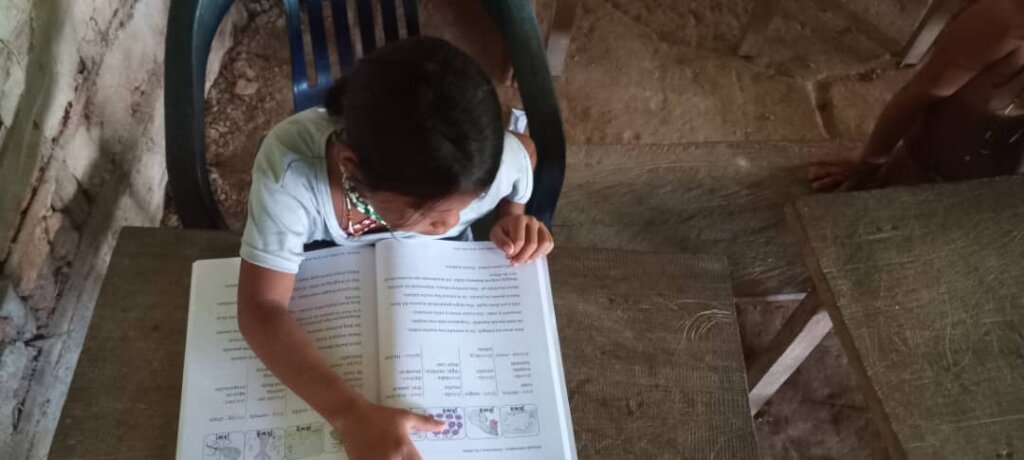
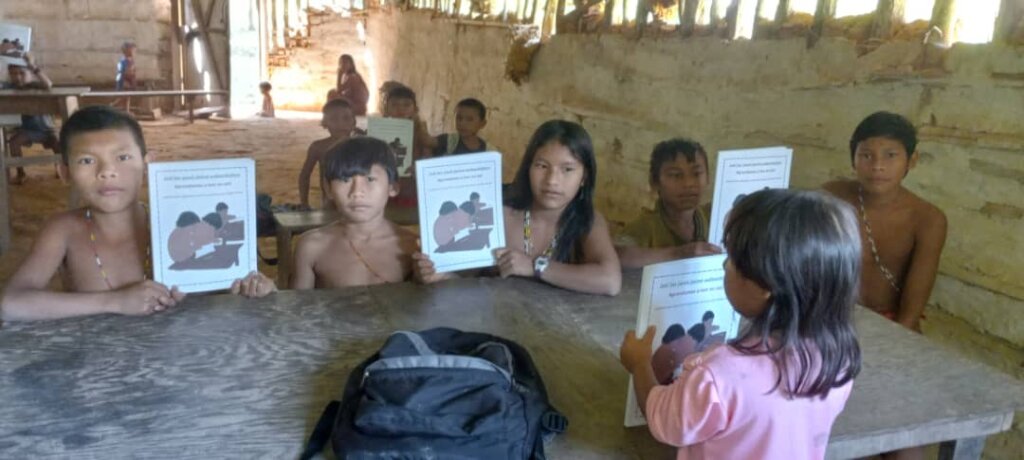
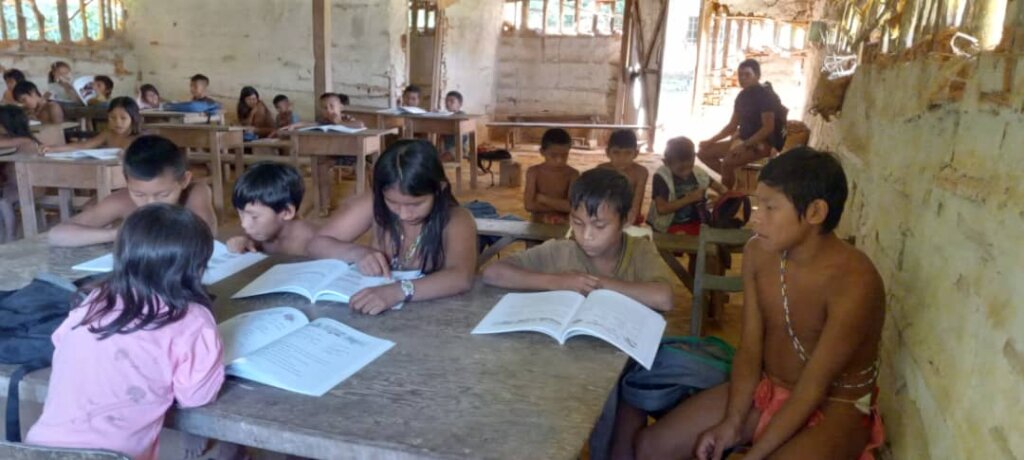
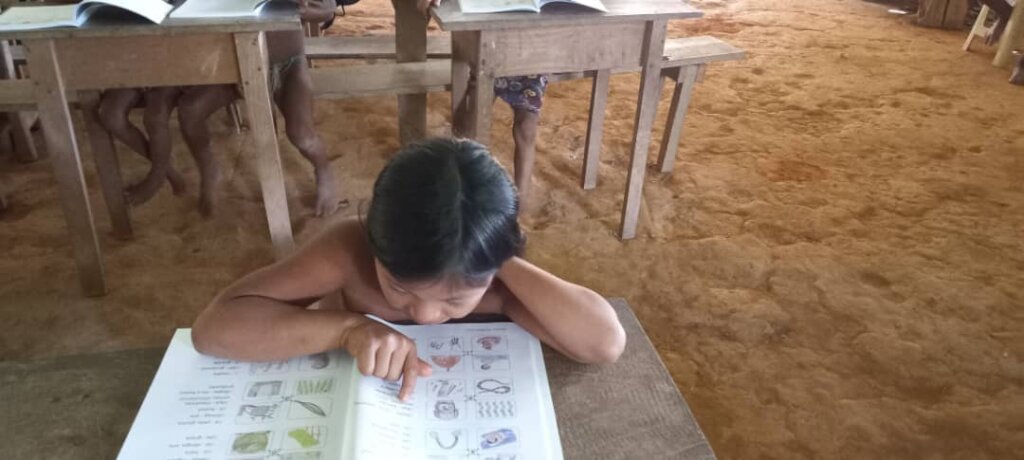
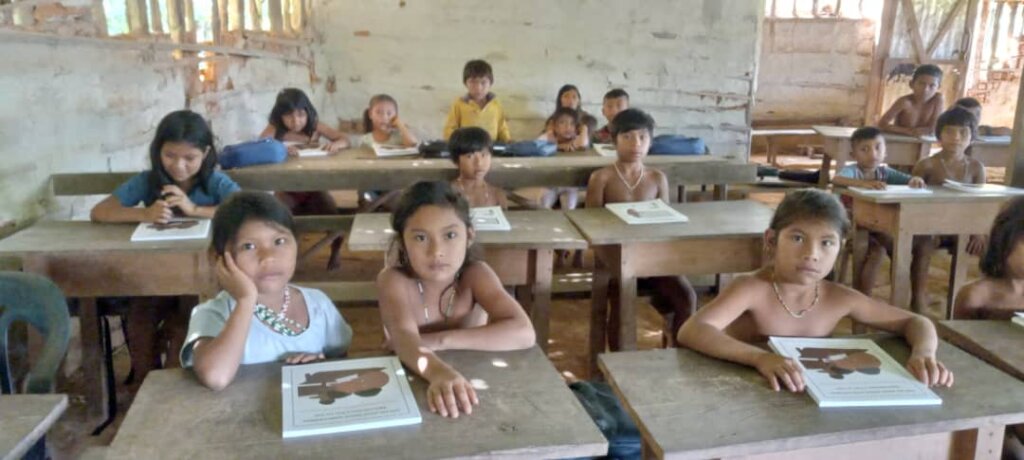
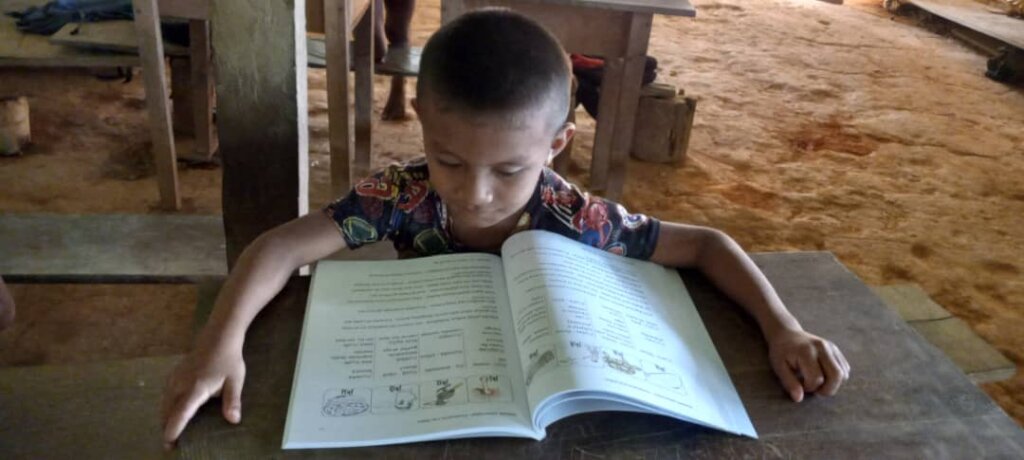
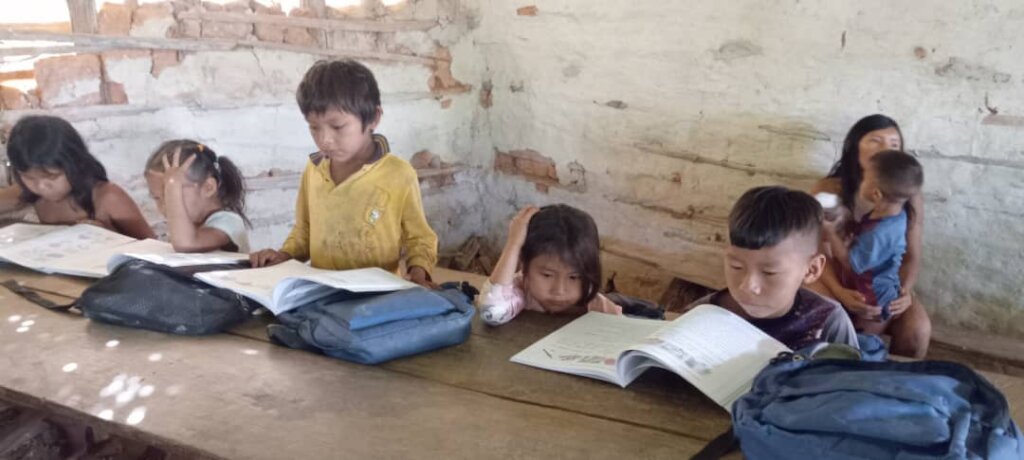
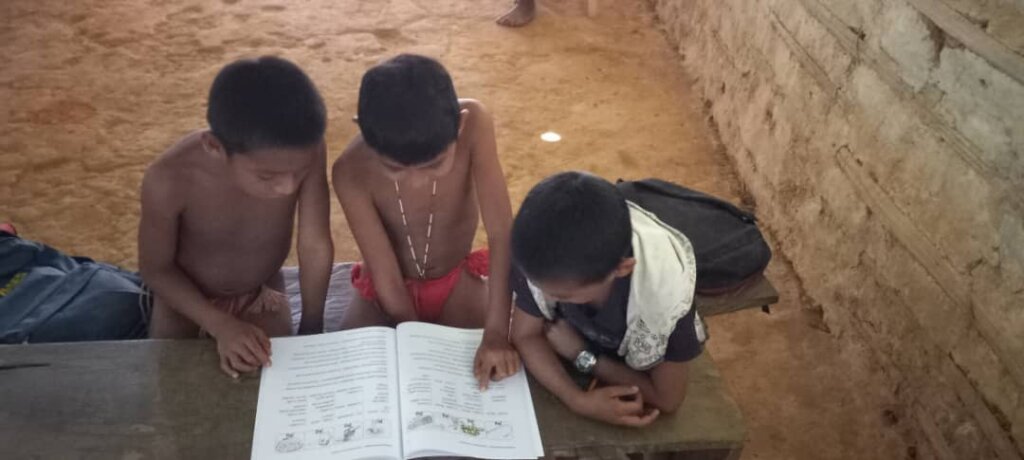
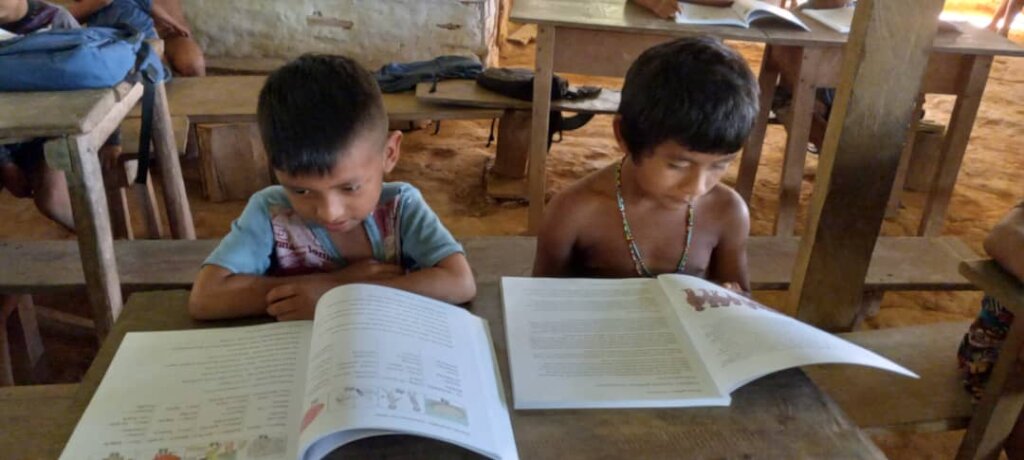
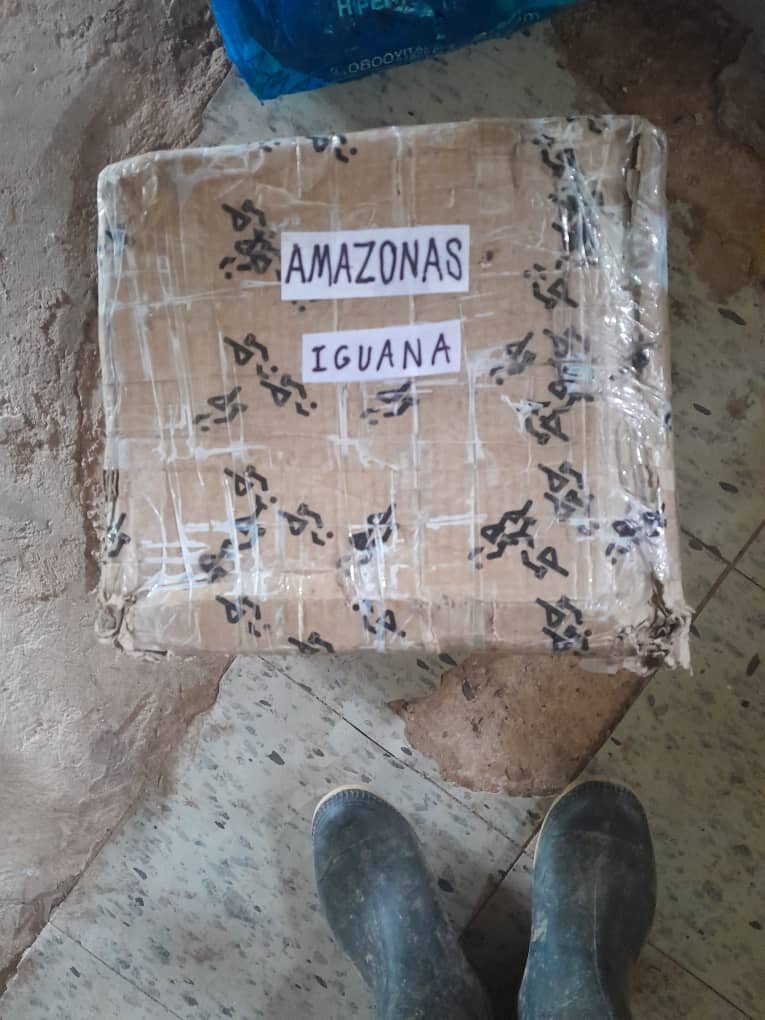
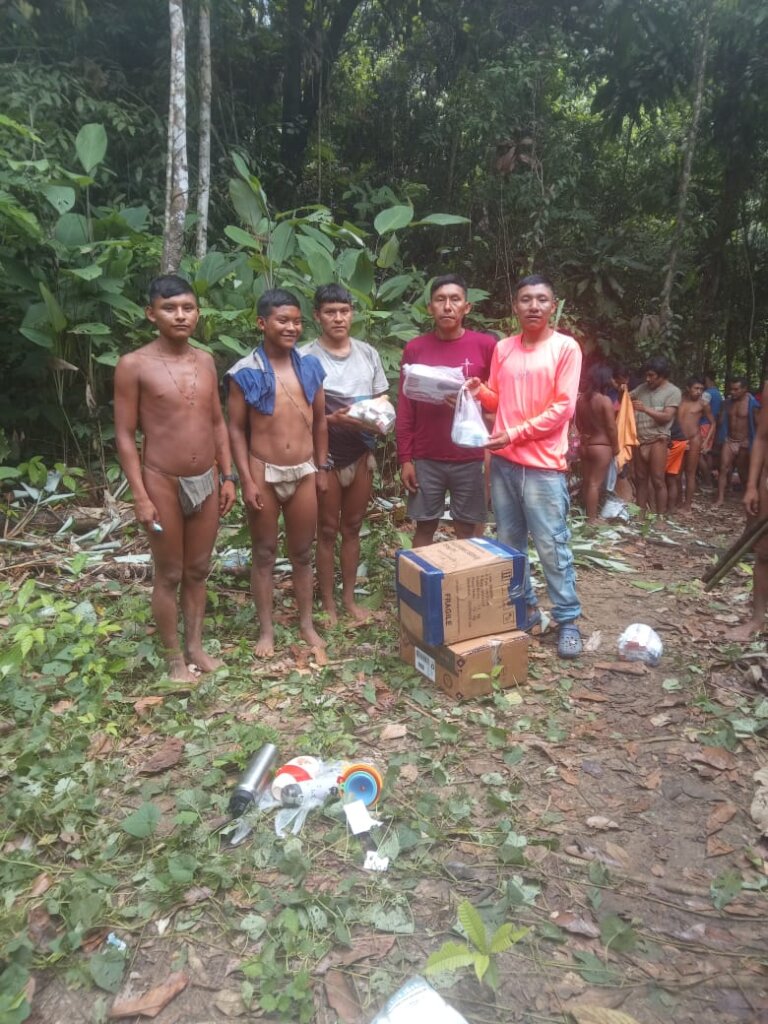
First though, we need to tell you about the community and cultural resilience made possible by this project’s response to the disaster that malaria brought in 2018 to the mining-affected Amazonian Indigenous communities with whom we work. For example, the final copies of Jotï-language, community-illustrated primers were delivered last month. They arrived to schools in the most remote communities, like those along Amazonian river tributaries only navigable in the rainy season. You will see that we had a hard time choosing among the many images they sent! More medicines the project purchased also arrived to clinics, carried by community members walking days from the nearest town with supplies.
In these remote communities, the work of creation—here, literally recording the Jotï stories of creation—has continued. The community is writing and illustrating a second text in Jotï language. Its constituent stories are recorded and transcribed in Jotï, and also translated from Jotï to Spanish by community members like Lucas, Abel, Elisa, and Gerardo, with accompanying drawings by talented women and men, young and old. The present project complements the primer with more complex stories, like the recent recording and transcription of four detailed myths in Jotï language and translation into Spanish of two mythological narratives. The stories are transcribed using the consensus alphabet the Jotï decided on in several meetings attended by at least 100 representatives from around 10 communities. The alphabet was first used in the primer, pictured here, in part because it can be typed on laptops with standard keyboard layouts, like the ones donated by this project. This next volume in preparation builds the body of work available to students in local schools that transmits language and culture.
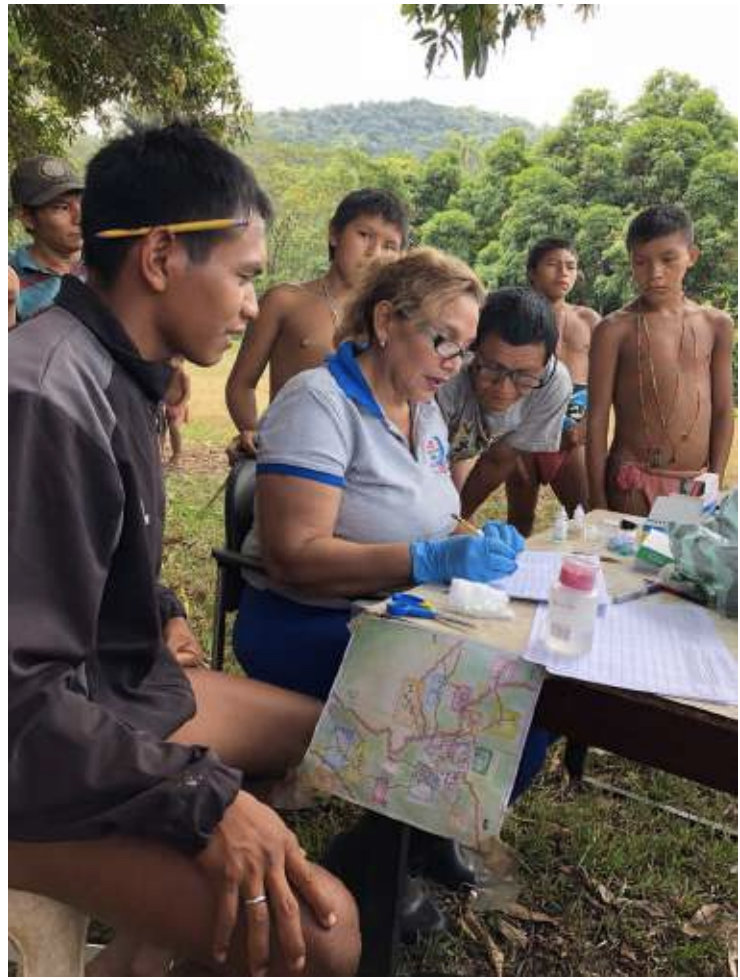
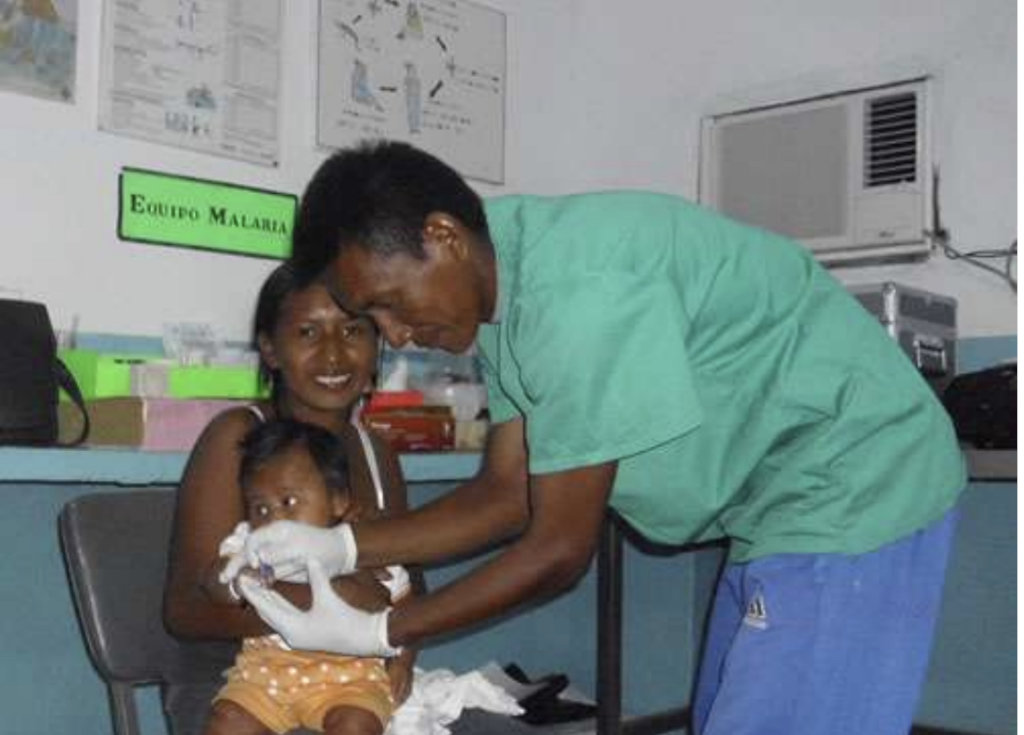
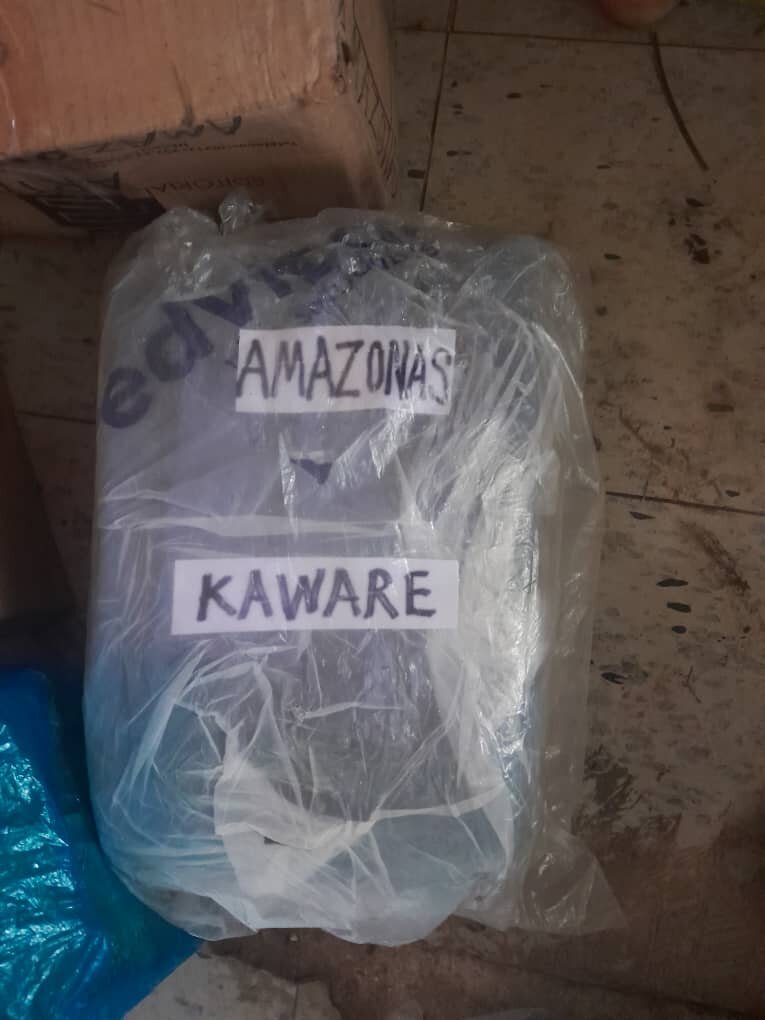
Long-lasting insecticidal mosquito nets, last distributed to communities in 2022, are due—or overdue—to be replaced this summer, to continue to protect the good health that enables resilience and innovation. The mosquito nets are provided by the Global Fund and managed by UNDP and the Venezuelan Health Ministry. We started the request for a new set of 1500 mosquito nets about five weeks ago, and recently it was approved that we deliver them to Jotï and Eñepa communities. Changes in government in Venezuela brought a longtime collaborator and project advocate back into her role in the Ministry of Health. Speaking to her in mid-June, project leaders were pleased to learn that mosquito nets had already been shipped out of the capitol, and positioned for distribution in Ciudad Bolivar, closer to the Amazonian Indigenous communities they are destined to serve. The project also supported patient and caregiver costs for 12 different individual medical emergencies over the last few months, and in June, purchased medicines and supplies to complement the nets.
On the morning of June 24th, wearing my project administrator hat, I went into our local bank to transfer funds for two flights by the bush pilots we’ve collaborated with for years now. The flights are slated to transport project leaders to deliver those nets, medications and supplies, plus more equipment and supplies for public health, environmental and educational data collection and resource creation. Project leaders have already requested the proper permits to deliver the nets in these two bush plane flights.
On the evening of June 24th, the project leaders were at their local university near Caracas when the earthquakes struck. Their particular location, and their habit of keeping phones charged against a backdrop of intermittent power availability, meant that they were able to let me know within hours that they were physically unharmed. However, the devastation touched everyone. Missing, wounded and fatalities are overwhelmingly high.
We immediately directed a small portion of project funds toward purchases of medical supplies, and very much needed cleaning items for people near hem who were the most seriously affected and displaced by the quake. The project leaders also donated articles of clothing in good condition. They wrote to me again on June 27th, “My dear friend, it has been incredibly hard; it’s impossible not to be deeply moved. There have been many aftershocks just now”. Today, July 9th, the aftershocks numbered over 1,000.
What we know about disasters comes from our experience with the malaria epidemic that drove the founding of this project. It comes from Global Diversity Foundation’s experience directing international support to respond rapidly to the Moroccan High Atlas quake in September 2023, and then continue to build resilience in hard-hit rural areas even today. It stems from our collective experience with the Covid pandemic, including with a rural free health clinic in the U.S. Northeast whose longstanding flu vaccine outreach program had built the trust and know-how that let them pivot to deliver the Covid vaccine to area farmworkers. It also accords with GlobalGiving’s philosophy: the work to respond to disaster is best carried out by resourcing vetted local organizations already situated in the affected context. They have built the trust, local knowledge and networks, and have the procedures and protocols they can adapt and apply to meet emergent needs.
So, if you wish to contribute to earthquake relief efforts, HAWAPO project leaders recommend supporting Proyecto Mayu. It is co-led by Oscar, the doctor who is our longtime collaborator: he volunteers as the Indigenous health centers’ trusted medical advisor and is in charge of the onchocercosis elimination program in Venezuela. He has been attending to Jotï communities for a decade, and In fact, he is entering Kayama tomorrow! Oscar and his colleagues lead young medical professionals to deliver rural healthcare in hard-to-access locations across Venezuela. That means they already have the know-how, infrastructure, and, in some locations, existing trust to mobilize personnel and deliver necessary care in difficult circumstances. Project Mayu has a GlobalGiving presence here: https://www.globalgiving.org/projects/bringing-healthcare-to-venezuelas-remote-regions/ . You can contact us to learn other ways to give.
Meanwhile, we currently believe that this project’s flights to communities and the visits of project leaders will be able to go forward. While the focus of the Venezuelan state and the world must rightly be on earthquake relief, we will continue to make sure that the essential work of community health and wellbeing, cultural knowledge creation and transmission in these Indigenous Amazonian communities is supplied. Thank you for helping us to do so.
Project reports on GlobalGiving are posted directly to globalgiving.org by Project Leaders as they are completed, generally every 3-4 months. To protect the integrity of these documents, GlobalGiving does not alter them; therefore you may find some language or formatting issues.
If you donate to this project or have donated to this project, you can receive an email when this project posts a report. You can also subscribe for reports without donating.



Support this important cause by creating a personalized fundraising page.
Start a Fundraiser