By Ma. Amparo Angela Yulo-Millan | Manager, Visayas Regional Center
UPDATES:
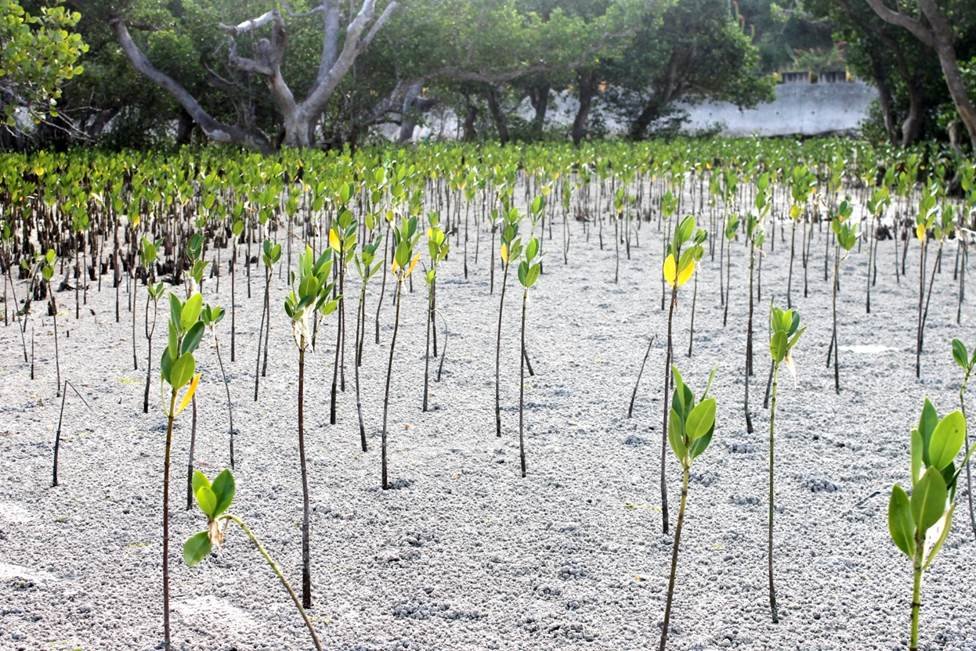
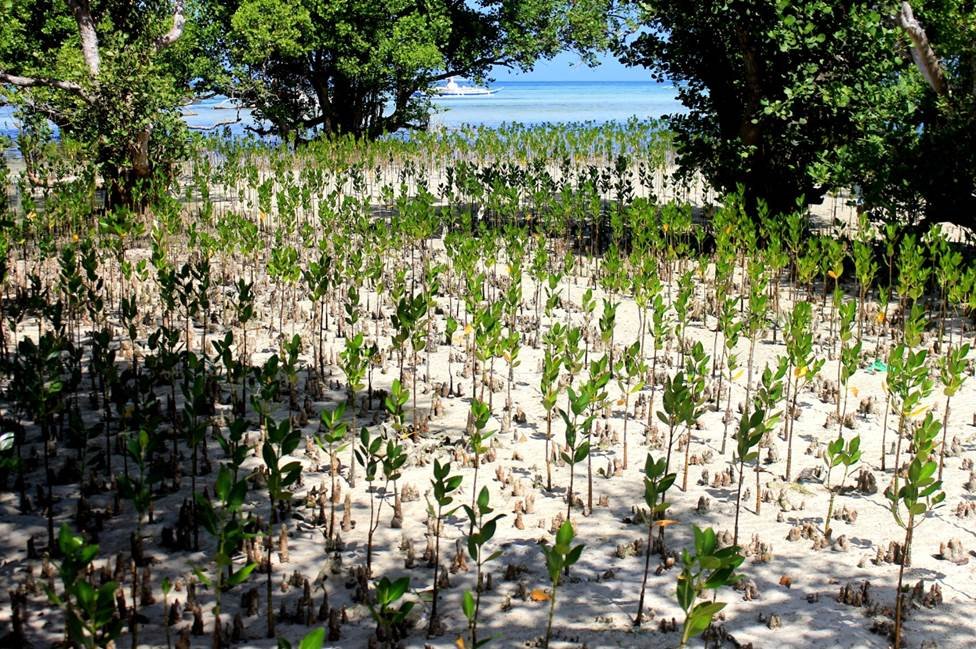
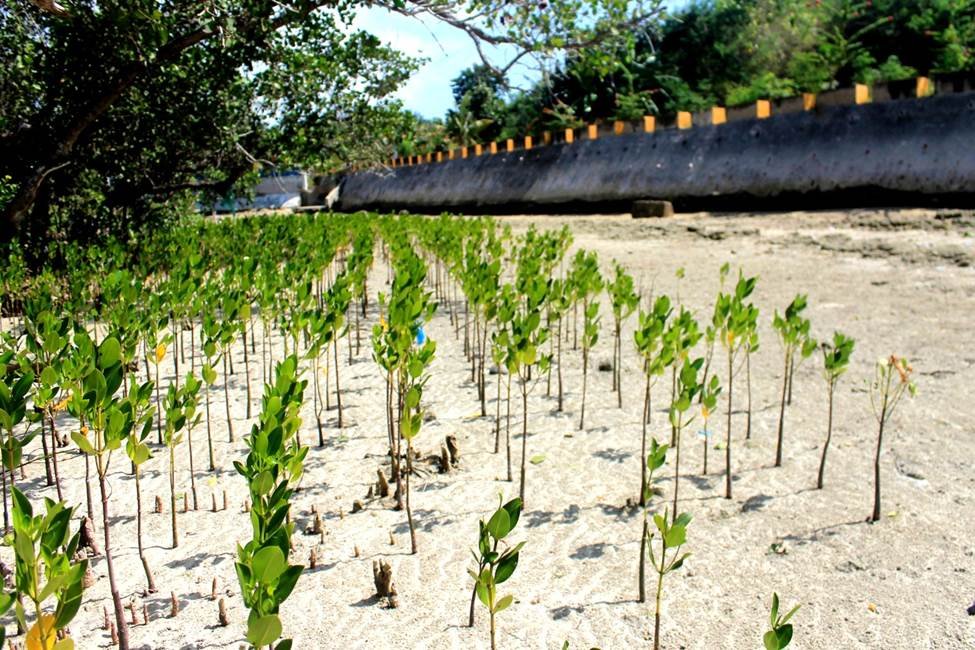
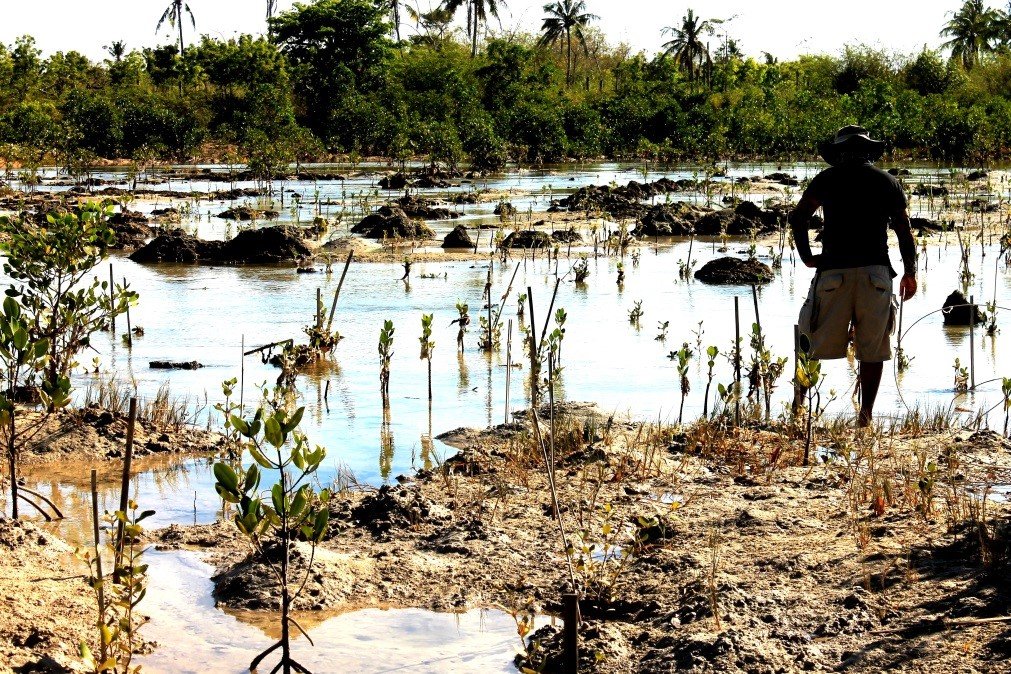
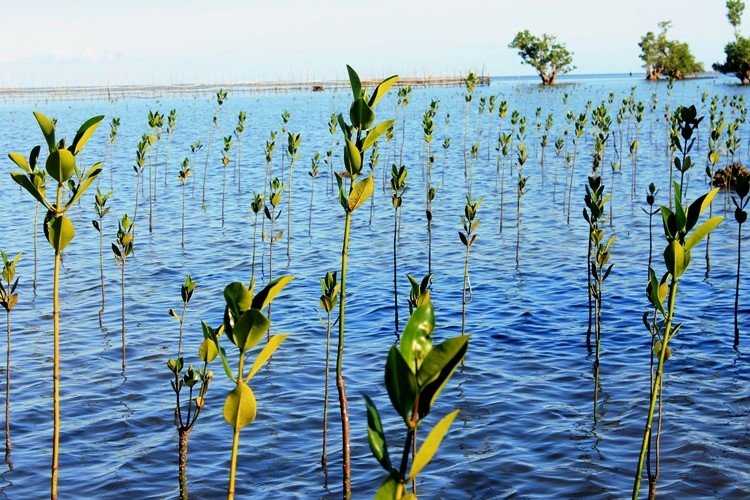
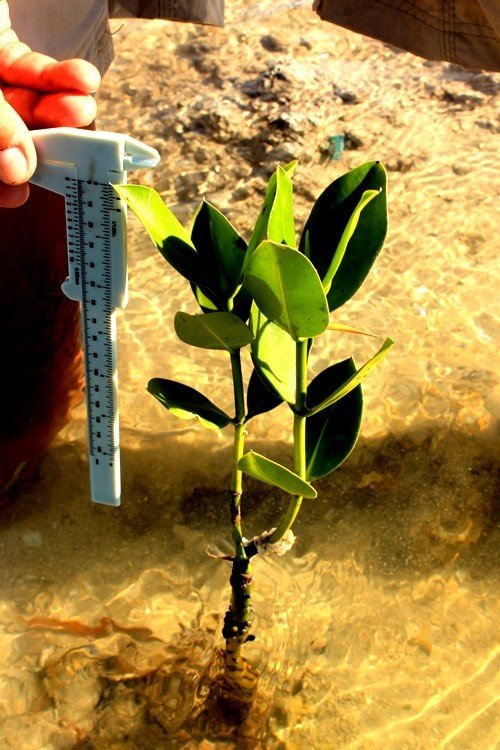
As PBSP completed the establishment of 36.25 hectares of mangrove reforestation sites in the municipalities of Madridejos and Daanbantayan, the accompanying photos show the growth of the mangroves and where additional mangroves have been planted, part of the maintenance of the sites. Survival rate is still at 80%.
New mangroves were planted in the shores of Brgy. Tapilon, to mitigate erosion and minimize sedimentation in coral reefs and seagrass beds. The mangroves are also expected to someday increase the population of fish, shells and crustaceans which can be source of food and income for the residents of the community. (PBSP_mangrove.photo001)
New mangroves were planted in places where fishing boats docks to someday act as cover against strong waves that might damage the boats. (PBSP_mangrove.photo002)
New mangroves were planted beside a road in going to Brgy. Tapilon to minimize impact of waves on the seawall. (PBSP_mangrove.photo003)
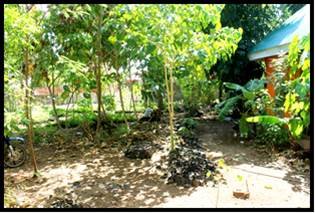
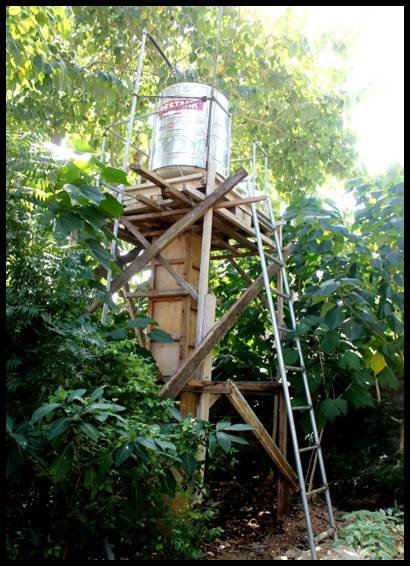
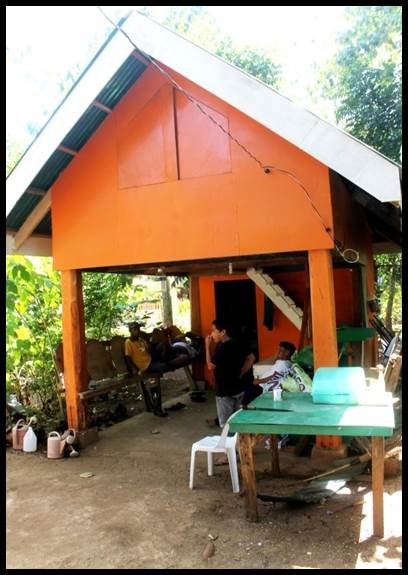
The mangrove nursery has been established in Brgy. Poblacion, Daanbantayan, Cebu which consist of a nursery bed for the seedlings, a water tank and a bunkhouse. (PBSP_mangrove.photo004, 005, 006)
BENEFITS AND EXPECTED OUTCOMES
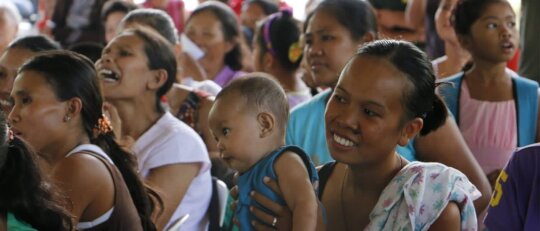
For your generous support to the project, at least 72 fisherfolks were directly benefited, wherein beneficiaries earned additional income from supplying mangrove seedlings and maintenance of the reforested sites. It is estimated that about 1,800 fisherfolks will benefit indirectly from this project, too.
The project is expected to provide numerous benefits both to the marine environment and people for years to come. Mangroves serve as breeding and nursery grounds to a large variety of fish, crab, shrimp, and mollusk. For coastal protection, mangroves are nature's shield against large waves, storm surges and strong winds. Mangrove forests can also be good source of construction materials, fuel and fodder. Given the diversity of organisms inhabiting mangrove systems, and their proximity in many cases to other tourist attractions such as coral reefs and sandy beaches, mangrove forests are potential source of income from recreation and tourism activities.
However, the aforementioned benefits can only be attained if proper management plan is installed and all stakeholders (government, businesses and local community) are harmoniously working together; a management plan which will regulate activities in the mangroves, such as fishing, tourism research and local community’s needs. When well managed, mangroves can ensure sustainable yields of resources and provide secure long-term employment and income to people benefiting from it.
By Angelie Yulo | Officer in Charge, Visayas Regional Center
By Jay Jaboneta | Corporate Affairs Manager
Project reports on GlobalGiving are posted directly to globalgiving.org by Project Leaders as they are completed, generally every 3-4 months. To protect the integrity of these documents, GlobalGiving does not alter them; therefore you may find some language or formatting issues.
If you donate to this project or have donated to this project, you can receive an email when this project posts a report. You can also subscribe for reports without donating.