Project Report
| Jan 26, 2022
Active Across Ages provides solutions to problems
By Helen Vost | Managing Director
Now more than ever there is a need for the Active Across Ages project. Two years of the Covid-19 pandemic has resulted in a reported decline in physical activity and a sharp rise in loneliness as well as emotional and mental health issues due to increased isolation and worry about the future. That’s why continuing to bring together young people from schools and older people in care other settings to take part in regular fun and activity sessions will help to improve the health and wellbeing of young and old alike. Research by Public Health England and other bodies during the pandemic has highlighted the importance of physical activity and even seen it described as a ‘wonder drug’. Relevant points to note are:
- 1 in 6 deaths in the United Kingdom are as a result of physical inactivity
- There has been a decrease in fitness and strength for a third of people
- 5.8 million people on hospital waiting lists may benefit from physical activity
- Over half of people are now worried about exercising in close proximity to others
- Over a quarter of people say the pandemic has broken their confidence to do physical activity
- Motivation to be active decreases with age and therefore it is importance to stress to older people what the benefits are in terms of maintaining independence, improving your mood and providing social interaction with others.
Current delivery of Active Across Ages is hampered by the Omicron variant which means schools are struggling to function efficiently due to high infectious rates, staff being off sick and the shortage of supply teachers and care settings are seeking to protect their residents from external infection. However the project team is busy planning an enhanced programme for the Spring which will focus on activities combining both music and physical activity to broaden the appeal and reach of the project.
THANK YOU for recognising the importance of Active Across Ages and for your tremendous support.
![Share on Twitter]()
![Share on Facebook]()
Sep 30, 2021
Young and old alike benefit from physical activity
By Helen Vost | Managing Director
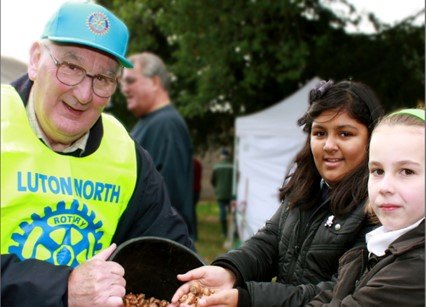
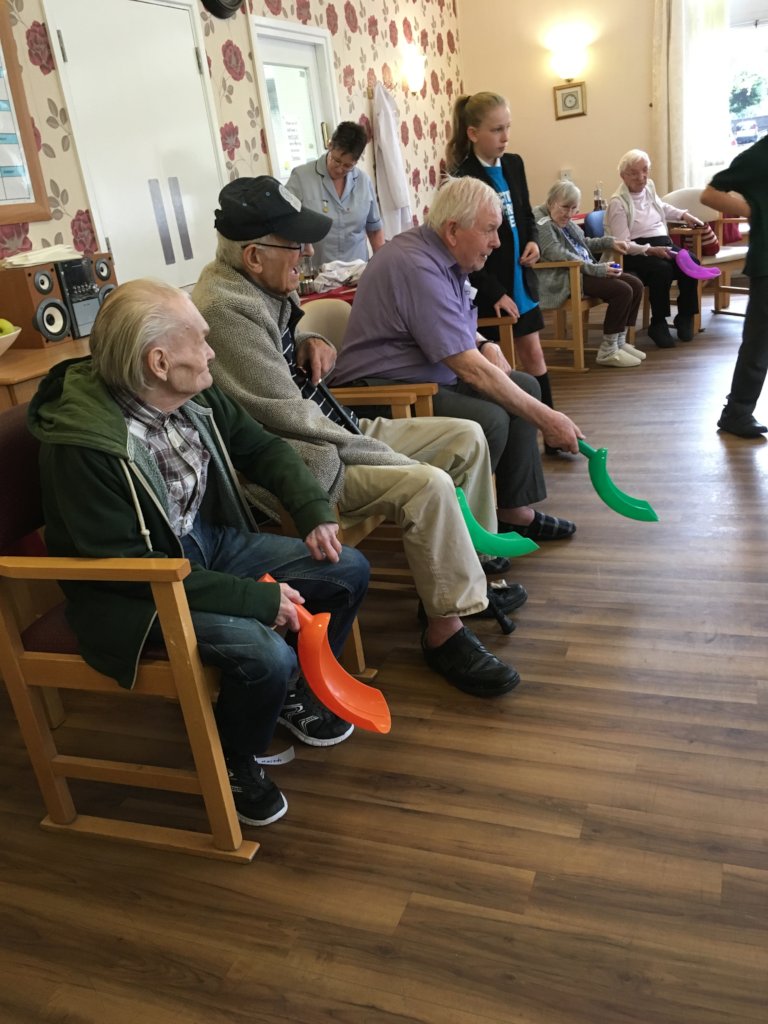
By uniting different generations the Active Across Ages project has demonstrated the benefits to young and old alike. Bringing together young people from schools and older people in care and other settings to plan and take part in regular fun and activity sessions has helped to tackle loneliness, improve health and wellbeing (both physical and emotional) and develop positive ongoing relationships. We have seen real joy and happiness in those taking part.
Some of the facts
- Population ageing is a global issue with the proportion of the world population aged over 60 years expected to rise from 12% to 22% by 2050.
- Loneliness is one of the most pressing public health issues. There are 1.2 million chronically lonely older people within the UK. 45% of children aged 1—15 years are lonely ‘some of the time’ or ‘often’.
- There is a high prevalence of mental health concerns. 2 in 5 older people in care homes are affected by depression. 48% of young people are concerned about their mental health.
- Nearly half of all people in Europe never take exercise or play sport. £92 million is the cost of physical inactivity in later life to the NHS every year. 57% of children and young people are not leading active lives.
- Great Britain has become one of the most age segregated countries in the world.
What next?
Many more schools have expressed interest in joining Active Across Ages and we are also keen to introduce the programme to our partners in Europe and across the globe.
A big THANK YOU for your support.
![Share on Twitter]()
![Share on Facebook]()
Jun 3, 2021
Intergenerational activity boosts mental and physical wellbeing
By Helen Vost | Managing Director, Youth Sport Trust International
Loneliness, poor health and emotional wellbeing and lack of physical activity are common issues facing older people today. Moreover they are also increasingly prevalent in children and young people. The global Covid-19 pandemic has intensified the situation over the past year and it is vital that steps are put in place to tackle the crisis as lockdown restrictions ease and life starts to return to a ‘new normal’.
Some of the facts
- Population ageing is a global issue with the proportion of the world population aged over 60 years expected to rise from 12% to 22% by 2050.
- Loneliness is one of the most pressing public health issues. There are 1.2 million chronically lonely older people within the UK. 45% of children aged 1—15 years are lonely ‘some of the time’ or ‘often’.
- There is a high prevalence of mental health concerns. 2 in 5 older people in care homes are affected by depression. 48% of young people are concerned about their mental health.
- Nearly half of all people in Europe never take exercise or play sport. £92 million is the cost of physical inactivity in later life to the NHS every year. 57% of children and young people are not leading active lives.
- Great Britain has become one of the most age segregated countries in the world.
So what is the solution?
There is evidence from across Europe that intergenerational activity is a key tool, not only to promote active ageing but also social inclusion and community cohesion. Evaluation of the Active Across Ages project has highlighted a range of benefits for all who took part – older people, children and young people and schools and practitioners.
- For older people the biggest benefit was an improvement to their social wellbeing.
- For younger people the benefits included development of skills (communication, teamwork and leadership) and improved wellbeing. 91% of young people felt that their resilience improved and 88% felt that their confidence improved.
- For practitioners and schools the project helped to raise the profile of schools in their local community.
With ongoing support we can rollout the project, uniting generations to hep each other. THANK YOU
![Share on Twitter]()
![Share on Facebook]()