By Samikchya Sharma | Program Manager
In Nepal, women have limited access to economic and social opportunities, and forty percent can’t read. More than one-third of women are reported to have experienced some form of physical, sexual, or emotional abuse during their lives, one-quarter of those from their husbands. The Lifetime Physical and/or Sexual Intimate Partner Violence in Nepal is 25%. Nepal ranks 110 on the Gender Inequality Index.
Violence against women and girls has been a global problem for a long time and more so in underdeveloped and developing countries. Nepal is no exception to the problem. Issues like Trafficking, Child Marriage, Domestic Violence, Intimate partner violence, and Sexual exploitation are pertinent in the country. VAW/G is not just limited to physical but mental and psychological abuse. Nepal in its Constitution has enlisted the Rights of Women as a fundamental right and guarantees rights in areas of health, employment, property, education, and social security.
Right to Safe Motherhood and Reproductive Health Act, 2018 of Nepal clearly defines Reproductive health as physical, mental, and social health conditions related to the reproductive system, process, and function. The Constitution of Nepal guarantees the reproductive rights of women under Article 38.
Sexual and Reproductive health issues are considered a leading cause of death and illness for women and girls of growing age. In countries like Nepal, greater barriers to sexual and health services are visible as a result of SRHR being a subject of taboo and the absence of knowledge and information on the subject matter.
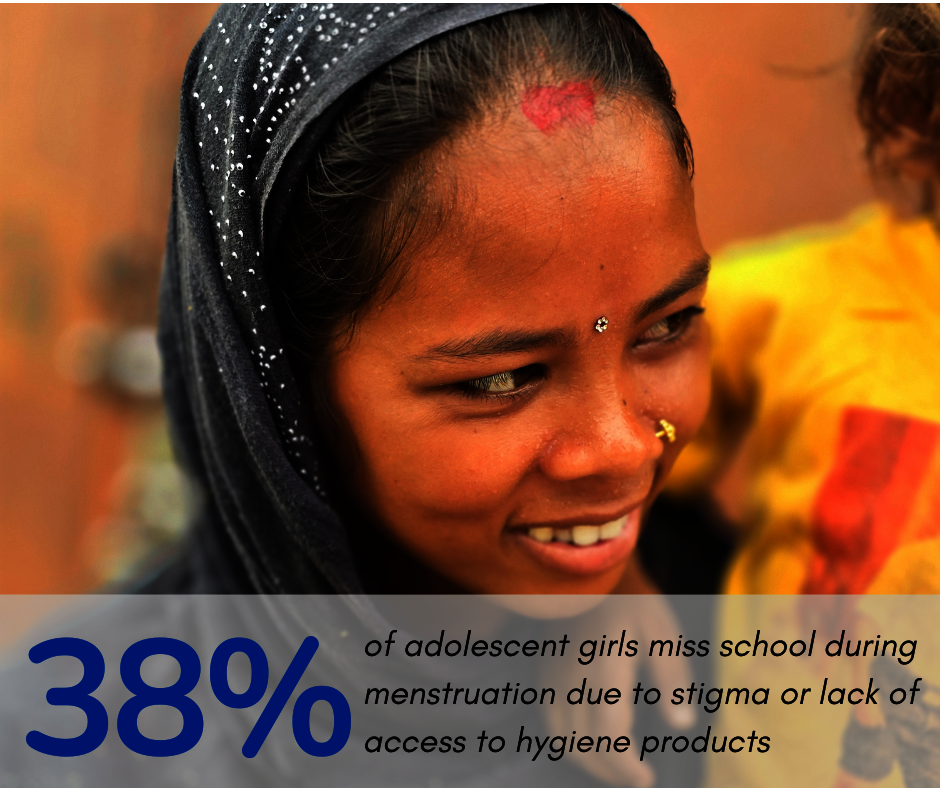
Menstruation, a big and imperative part of female sexual and reproductive health is the core part of the proposed project. Women and adolescent girls from the age group 16-35 from rural and marginalized communities of Bagmati and Madhesh province of Nepal will access the outcomes of the project.
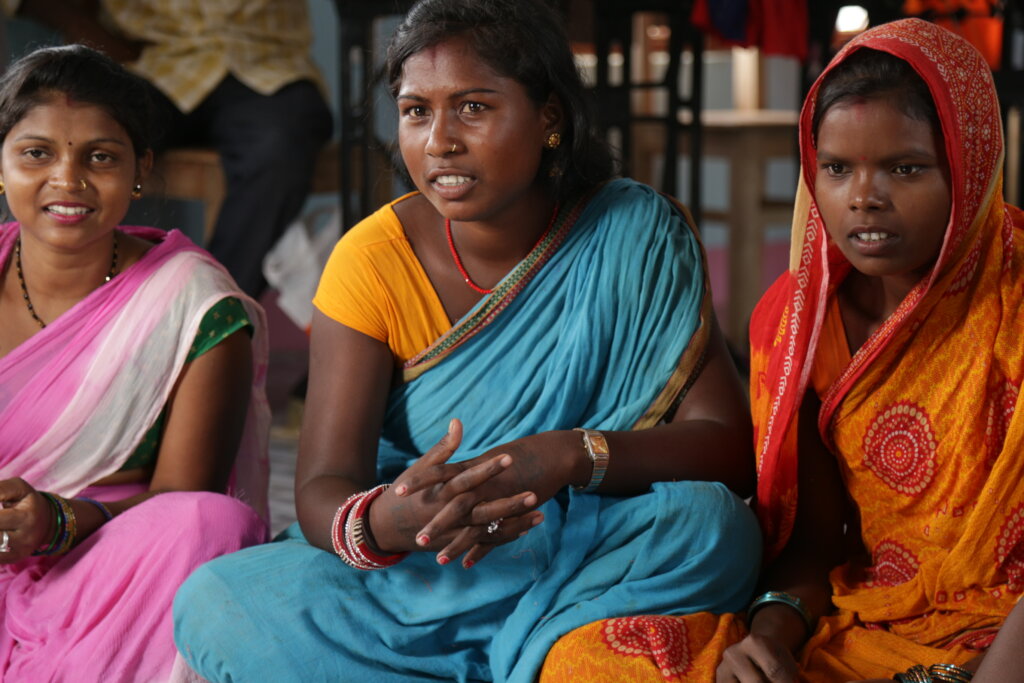
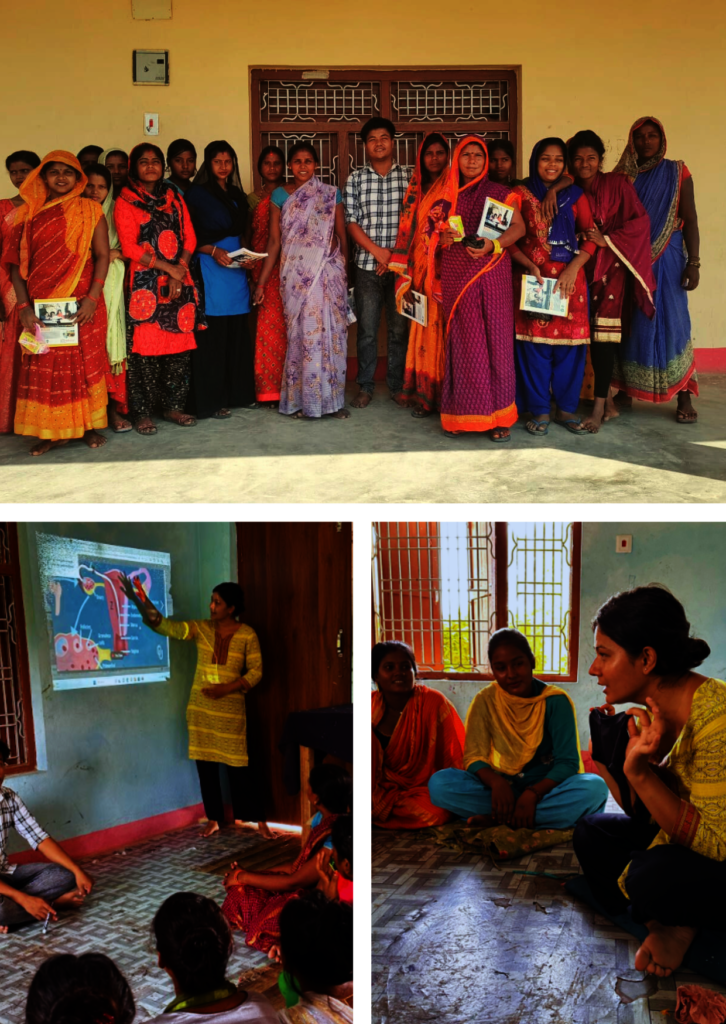
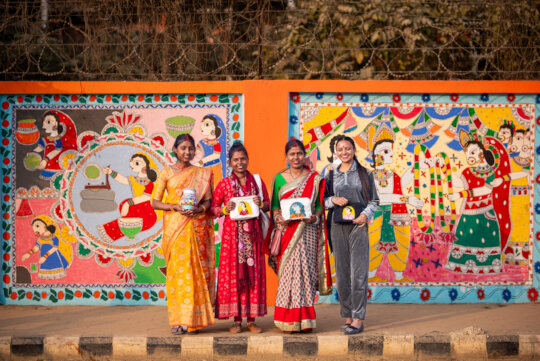
In this light, we initiated the project activities by engaging women and girls from Madhesh Province in Nepal.
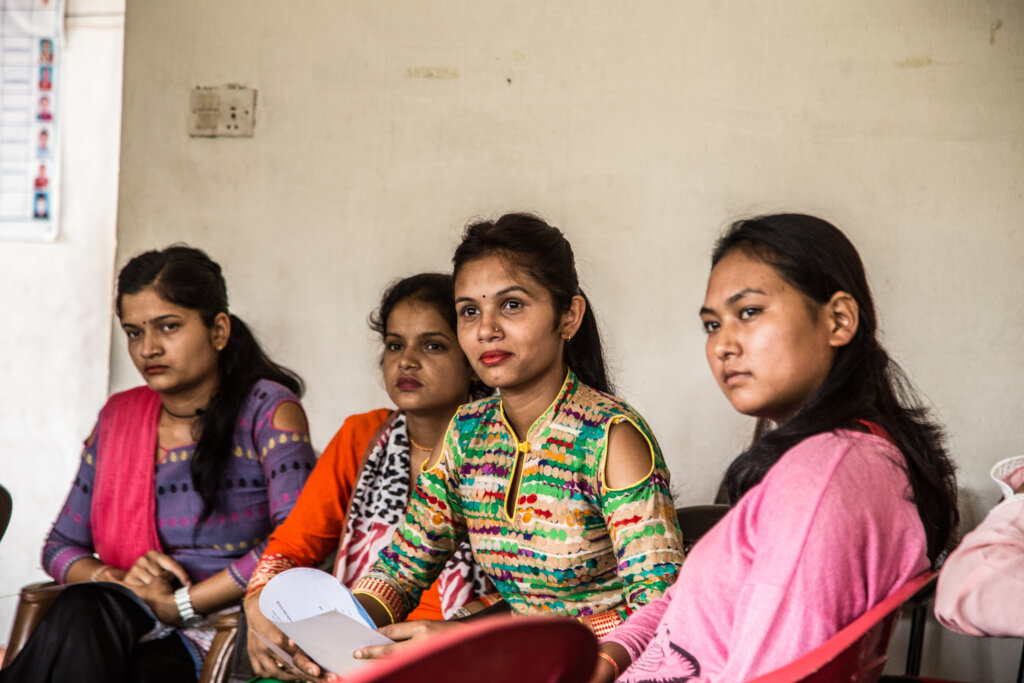
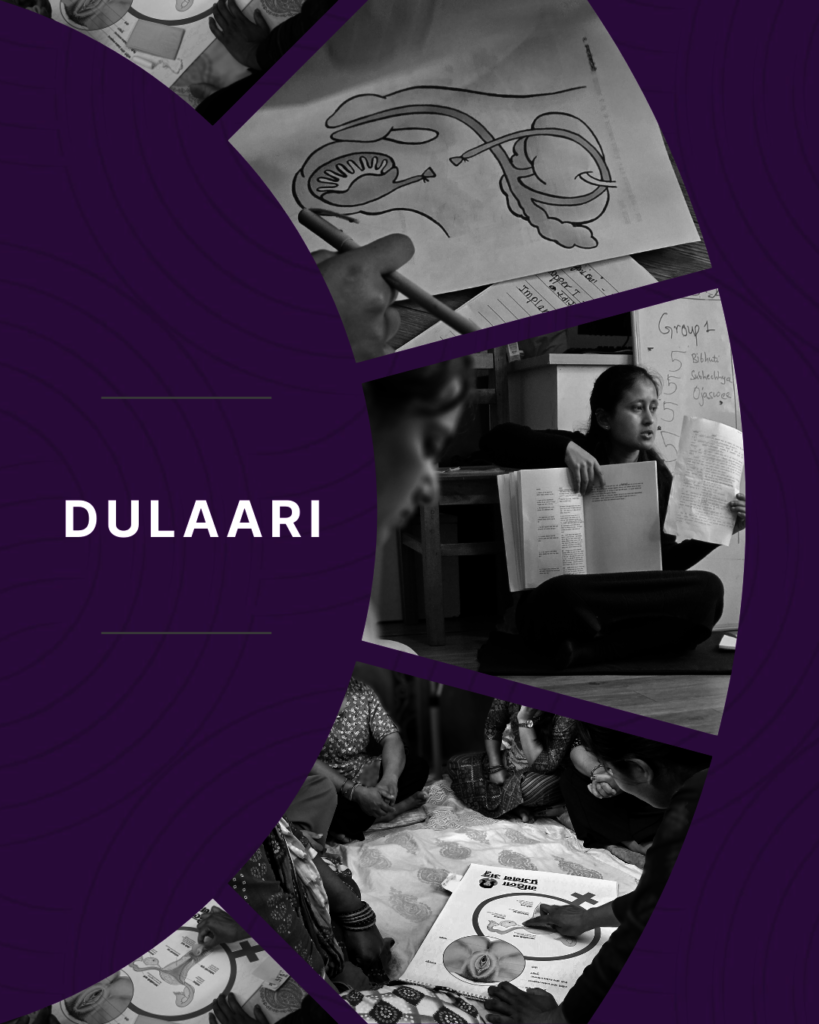
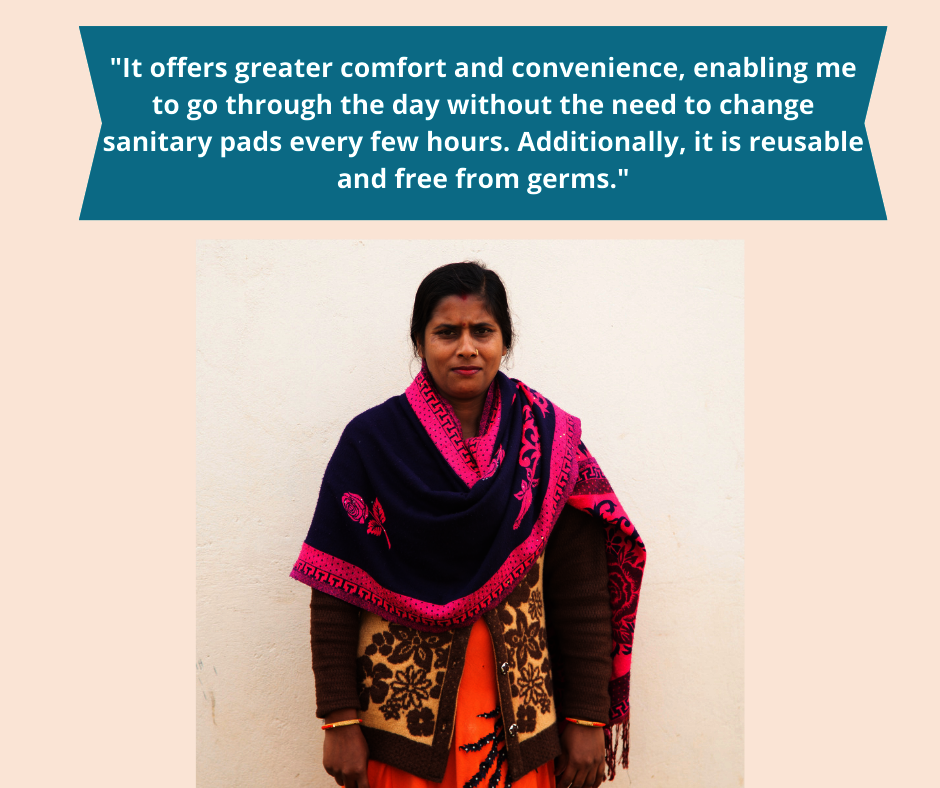
We carried out a knowledge-sharing session in the first half and distributed menstrual hygiene products in the second half. This was the initial step that we took with your support.
WE THANK YOU FOR YOUR SUPPORT and wish to continue working on the health and well-being of women from vulnerable and marginalized communities in Nepal.
Project reports on GlobalGiving are posted directly to globalgiving.org by Project Leaders as they are completed, generally every 3-4 months. To protect the integrity of these documents, GlobalGiving does not alter them; therefore you may find some language or formatting issues.
If you donate to this project or have donated to this project, you can receive an email when this project posts a report. You can also subscribe for reports without donating.