By Maria Koski | Volunteer
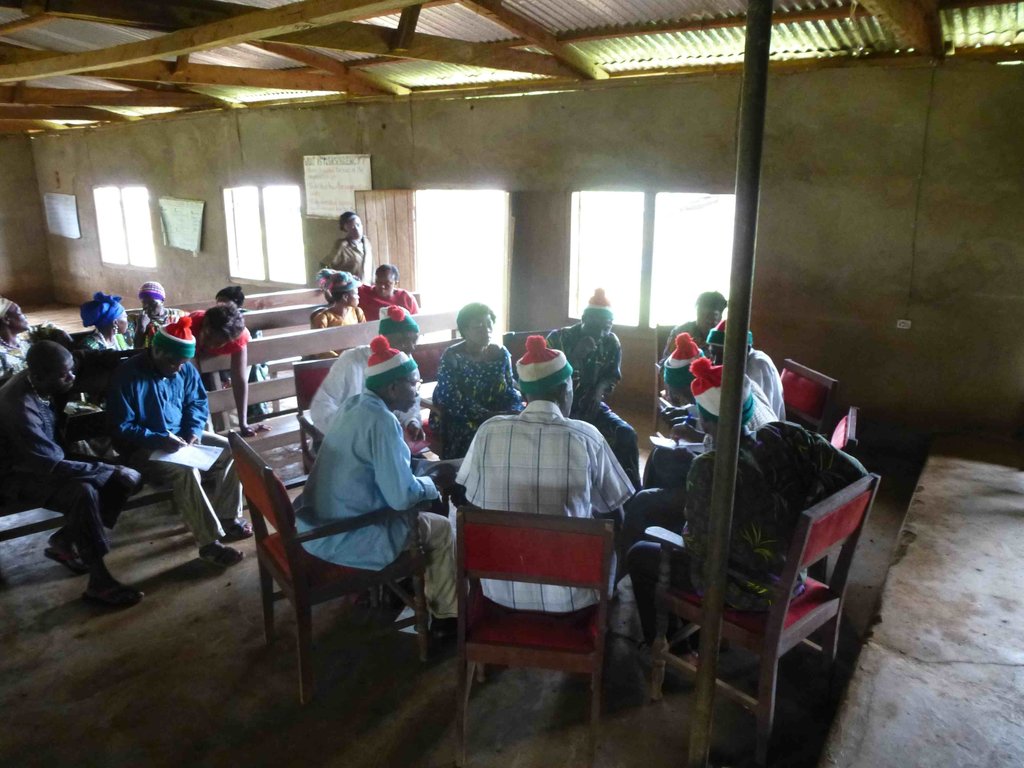
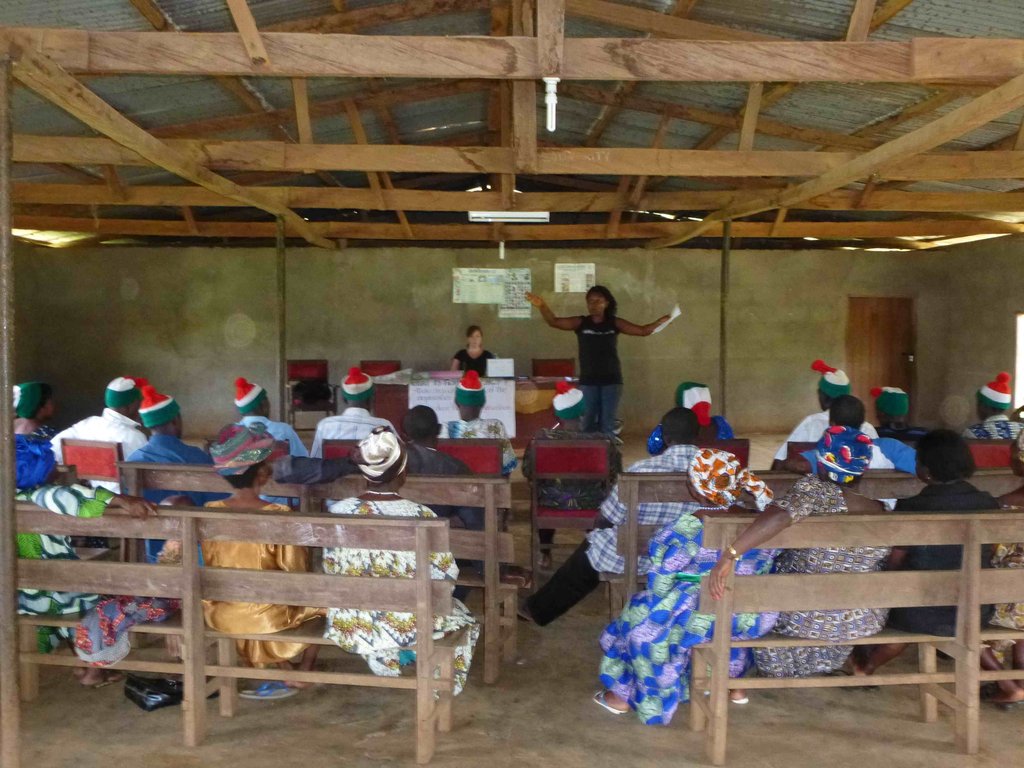
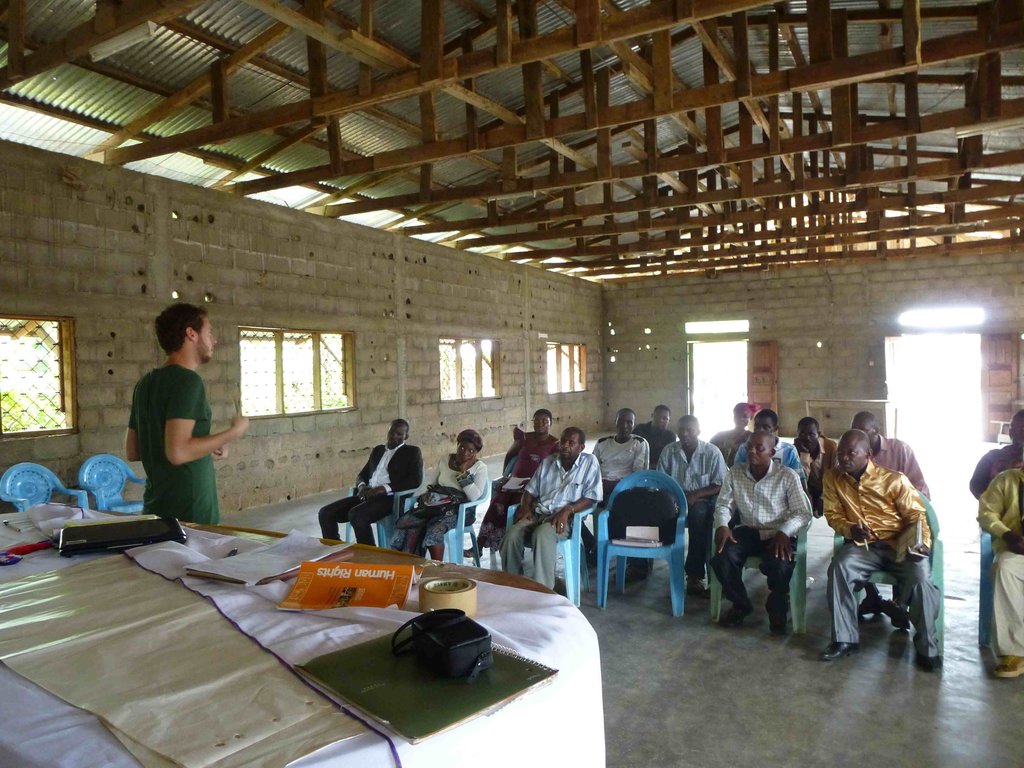
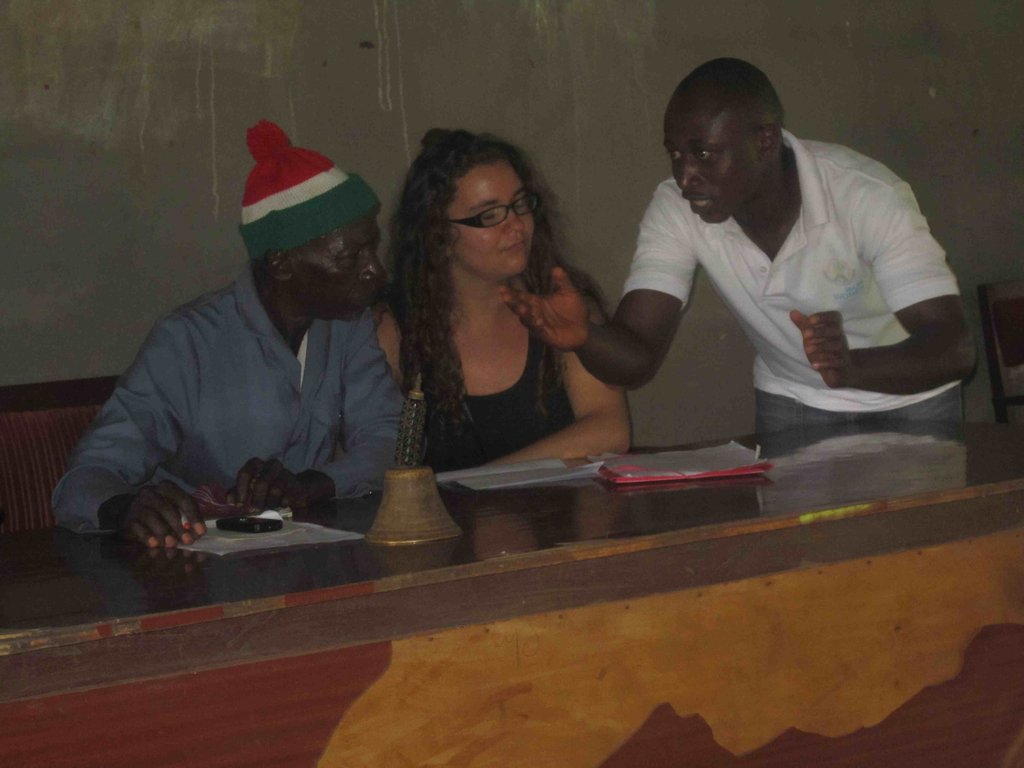
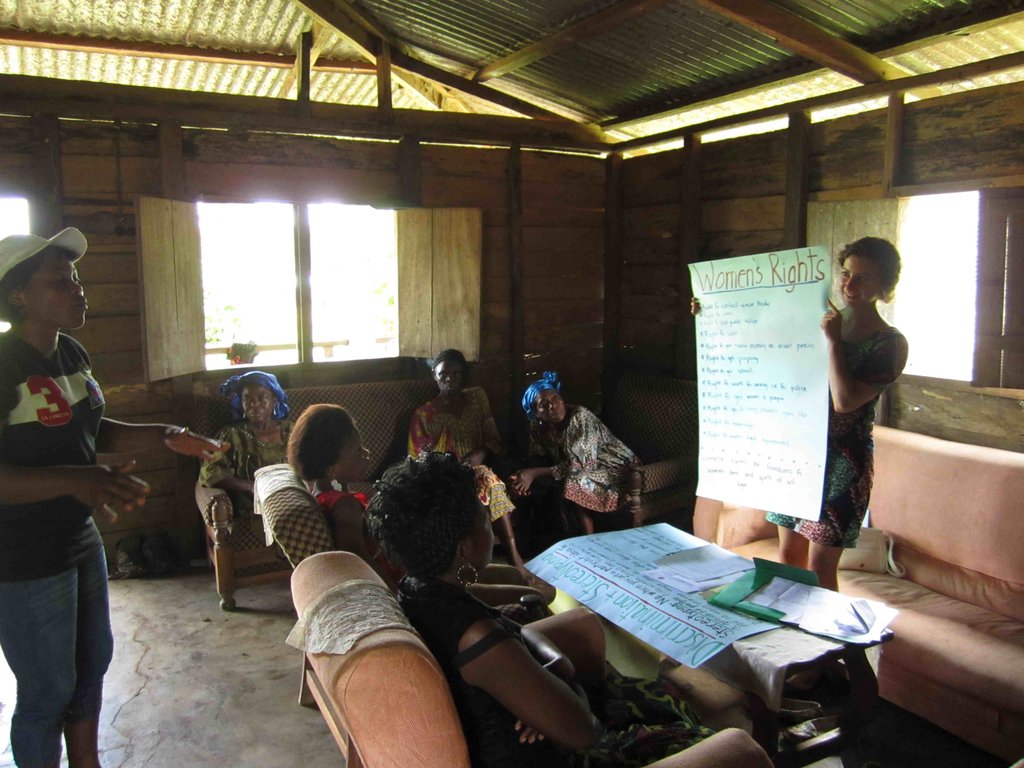
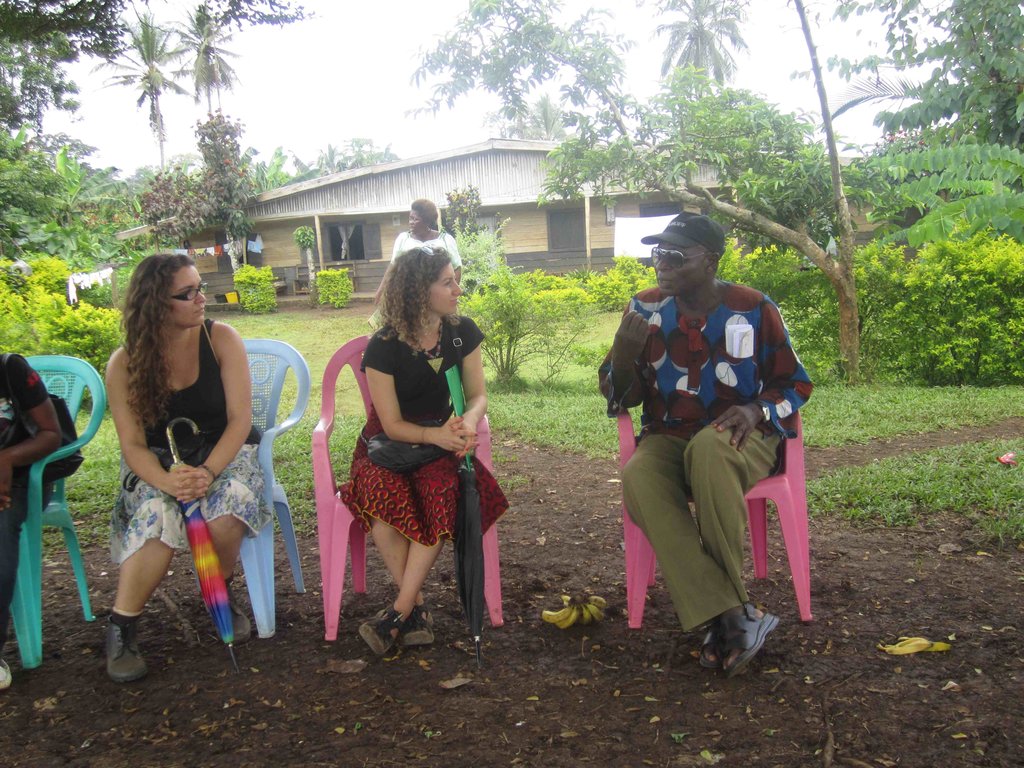
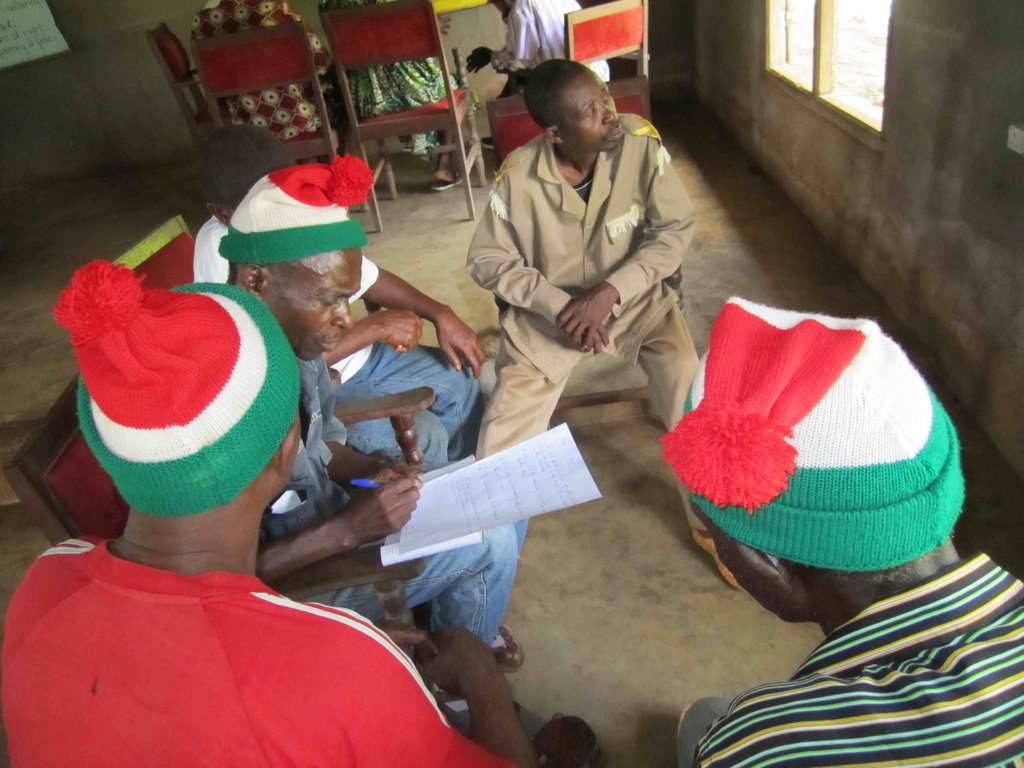
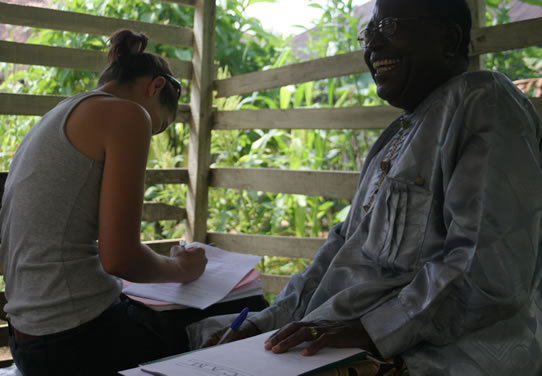
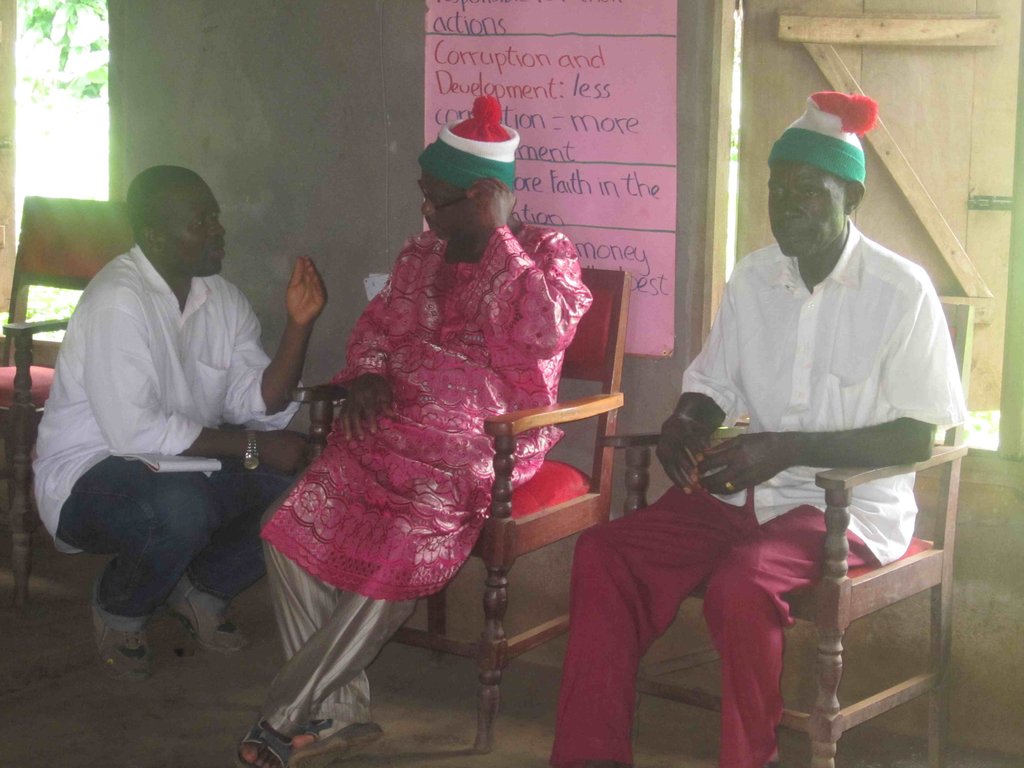
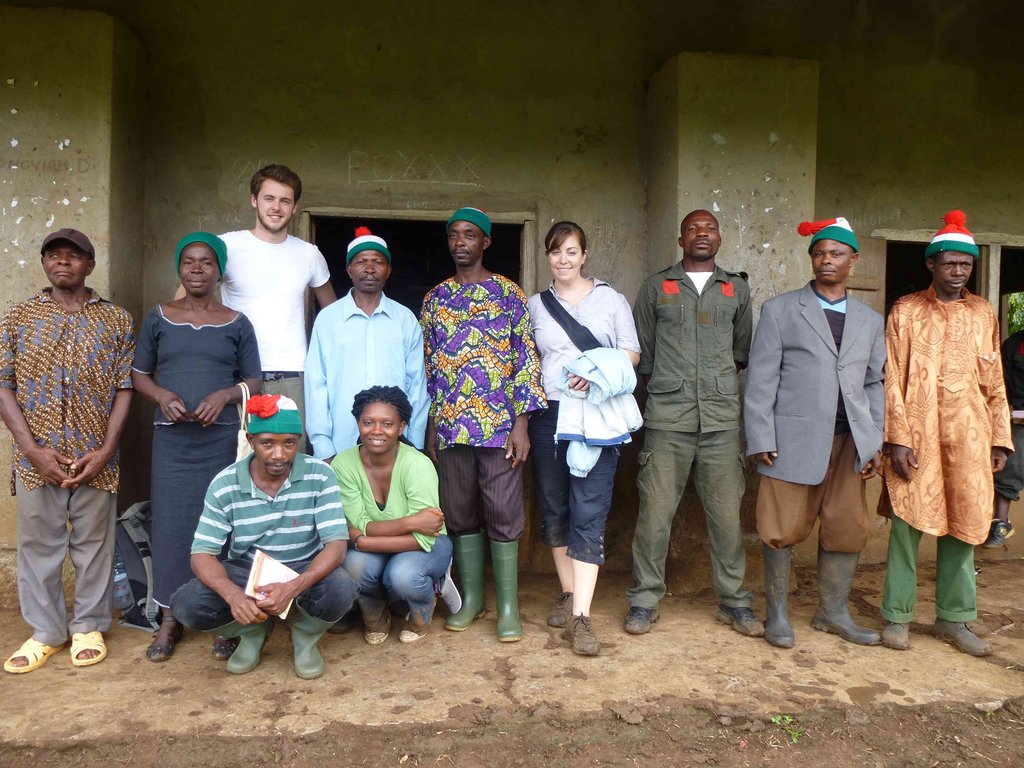
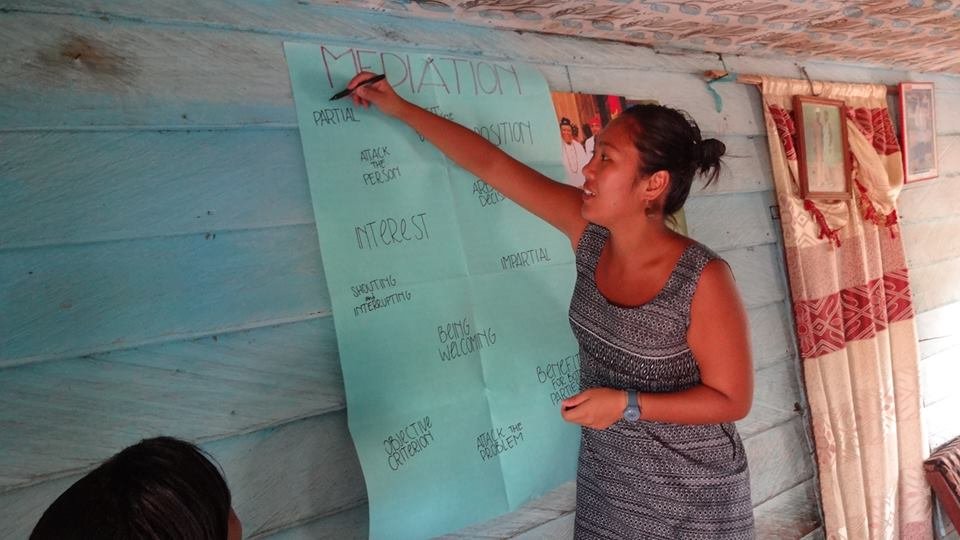
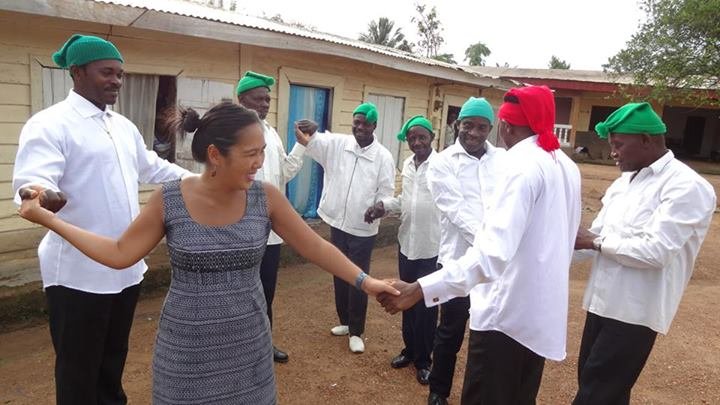
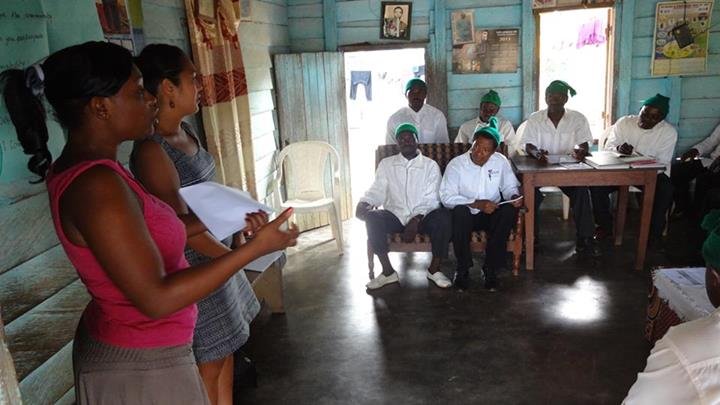
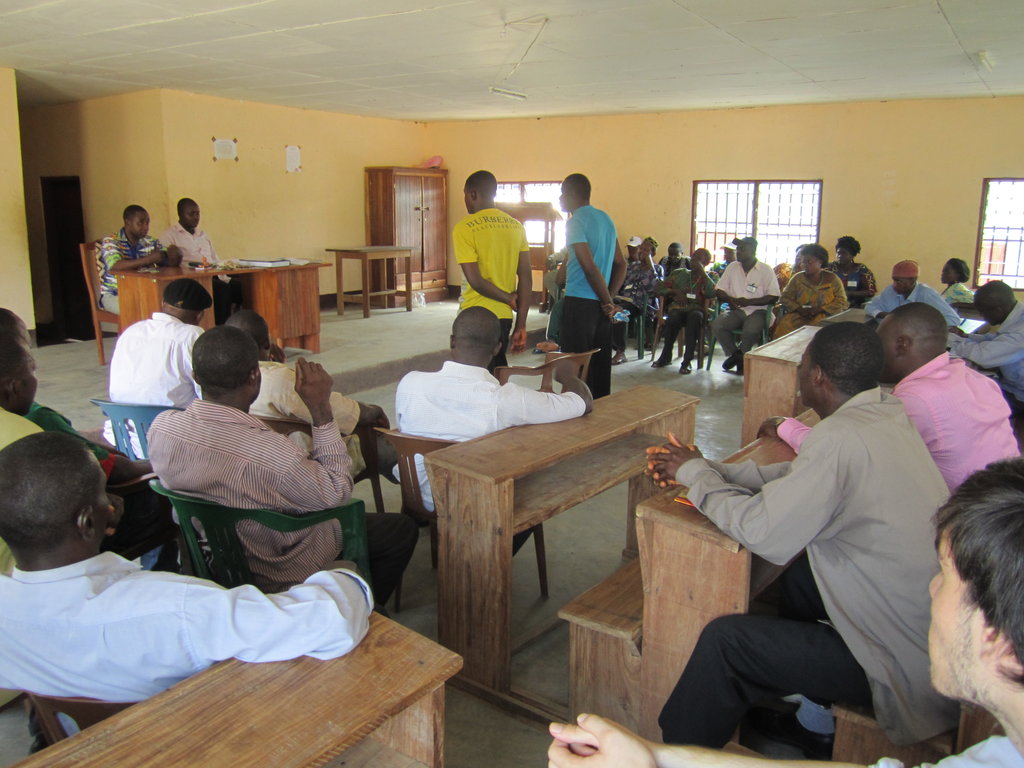
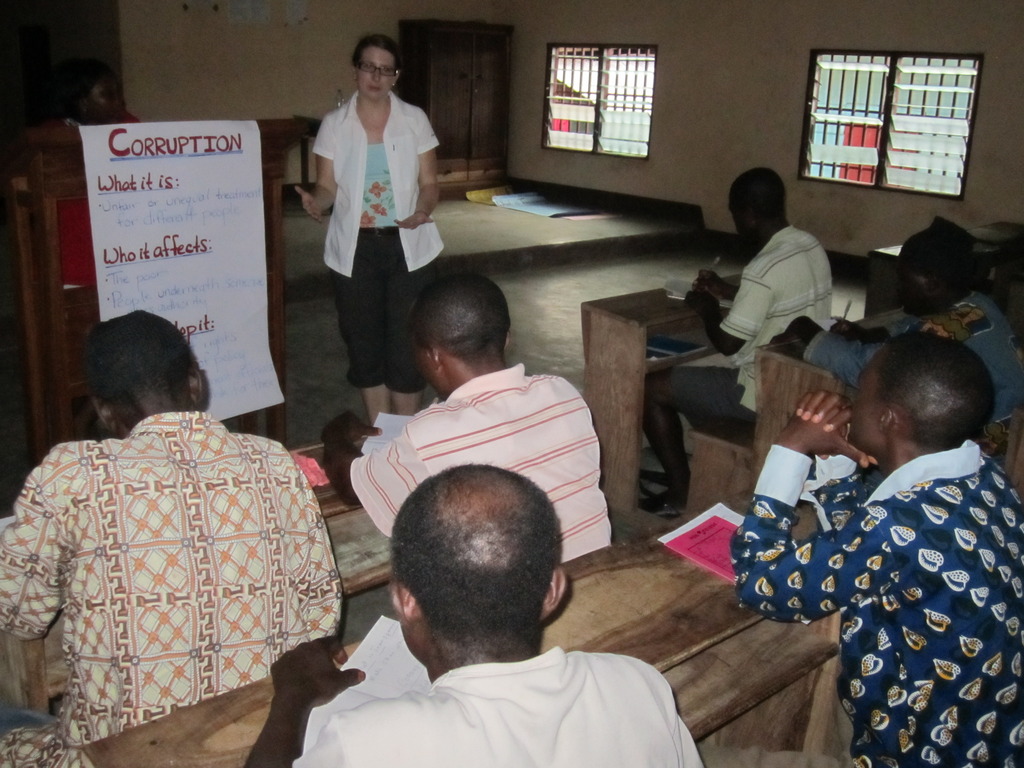
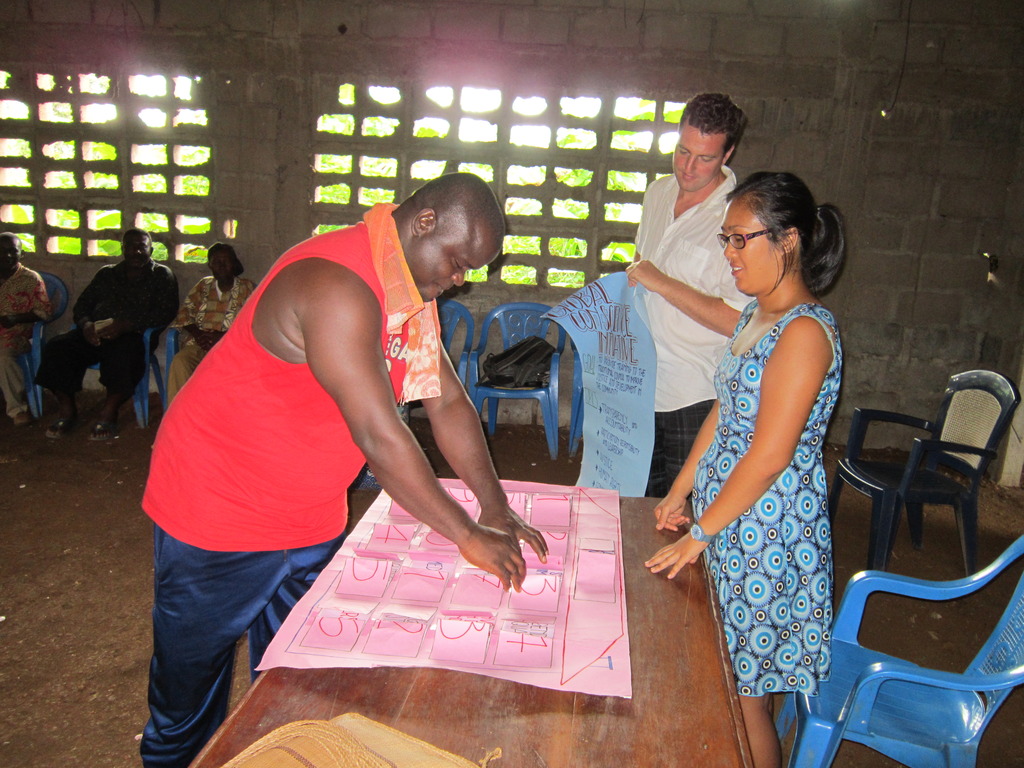
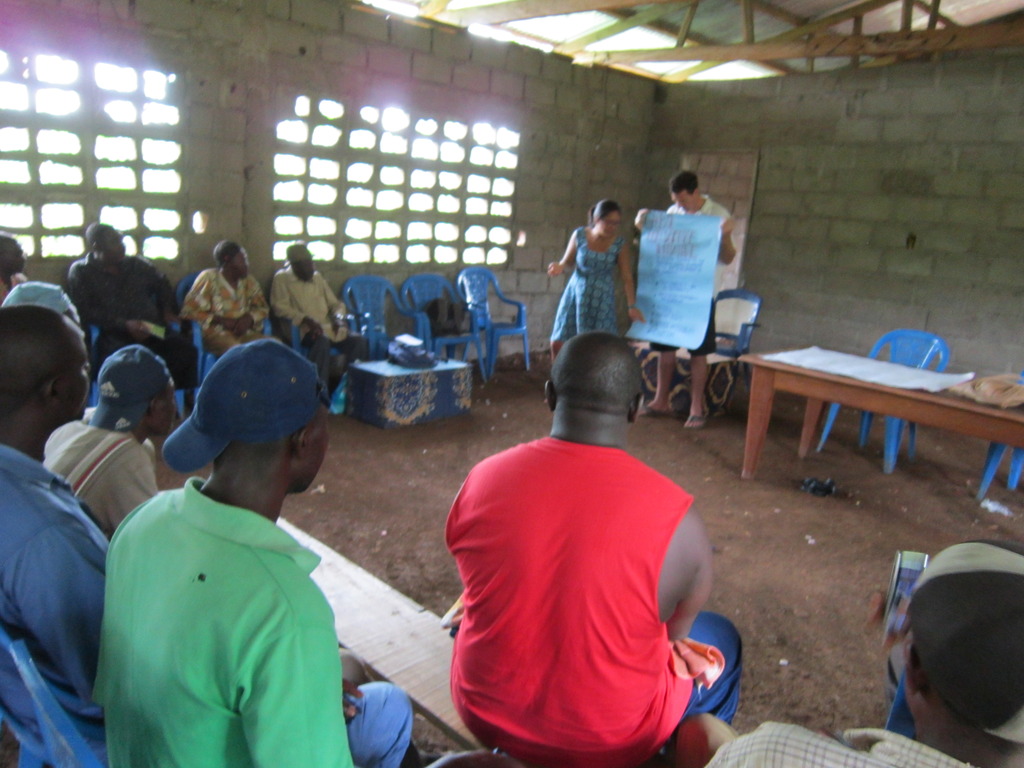
The GCI team has been working intensively on The Community Arbitration and Mediation Project (CAMs)during the past months and now we are approaching the evaluation phase of the year. In the course of the past weeks, we have been visiting communities (3 Corners Ekombe, Mbalangi, Mofako Bekondo, Bombe Bakundu) in order to conduct evaluation surveys considering the successfulness of the workshops and mediation training held earlier. The purpose of this survey process is to assess the progress and working standards of the Traditional Councils in the aforementioned communities and find areas in which there is room for improvement, which the CAMs project can address. Prior to the surveys, the CAMs team had observed the Councils numerous times in the last few months and a short refresher workshop was held in all the communities. These refresher workshops were intended to open a dialogue between the councillors and CAM’s staff about various topics, such as formality, transparency, women’s empowerment, consumption of alcohol, human rights and punishment.The valuable information we collected in the surveys will be used going forward to help shape GCI’s future projects and activities, our focus in the communities as well as address the councillors concerns.
Based on the evaluation surveys, it can be deduced that GCI workshops have got a positive impact on the Traditional Councils. In general, surveyed councillors were contented about the function of the Councils and the arbitrating effect they have in the communities. The quantity of mob justice has stayed very limited in all the communities, and only a few cases, if any, has occurred in the last year. This is good news and indicates that GCI’s advocating work has been effective in introducing mediation skills to create a more peaceful environment. Also almost all the surveyed deemed human rights are at work in their community and many of the councillors highlighted that the Councils and GCI’s educative workshops have affected positively on this matter. The largest challenges facing the Traditional Councils were equally surveyed and things such as lack of educative materials, tardiness to meetings and lack of awareness and respect were listed. Hence, even though great development has been done in all the communities, there is always room for improvement and further education, in order to better deal with these problems. Refining councillors’ skills of managing and resolving disputes and increasing people’s overall knowledge and activity in the Councils seem to be the most common actions that require improvement. The role of GCI was seen helpful, especially in monitoring and shaping communities’ capacity in the Councils, but many of the councillors stressed that more training and education considering the basic human rights and laws would bestill needed in the future.
We want to thank all of our donors for your great contribution so far. Your support allows us to improve our projects and make GCI’s advocacy for human rights more effective!All suggestions and comments are welcome, and we encourage you to contact us in any questions you might have!
By Ntebo Ebenezer Awungafac | Executive Director
By Ntebo Ebenezer | Executive Director
Project reports on GlobalGiving are posted directly to globalgiving.org by Project Leaders as they are completed, generally every 3-4 months. To protect the integrity of these documents, GlobalGiving does not alter them; therefore you may find some language or formatting issues.
If you donate to this project or have donated to this project, you can receive an email when this project posts a report. You can also subscribe for reports without donating.