By Ntebo Ebenezer | Executive Director
The Centre for Arbitration and Mediation (CAMs)
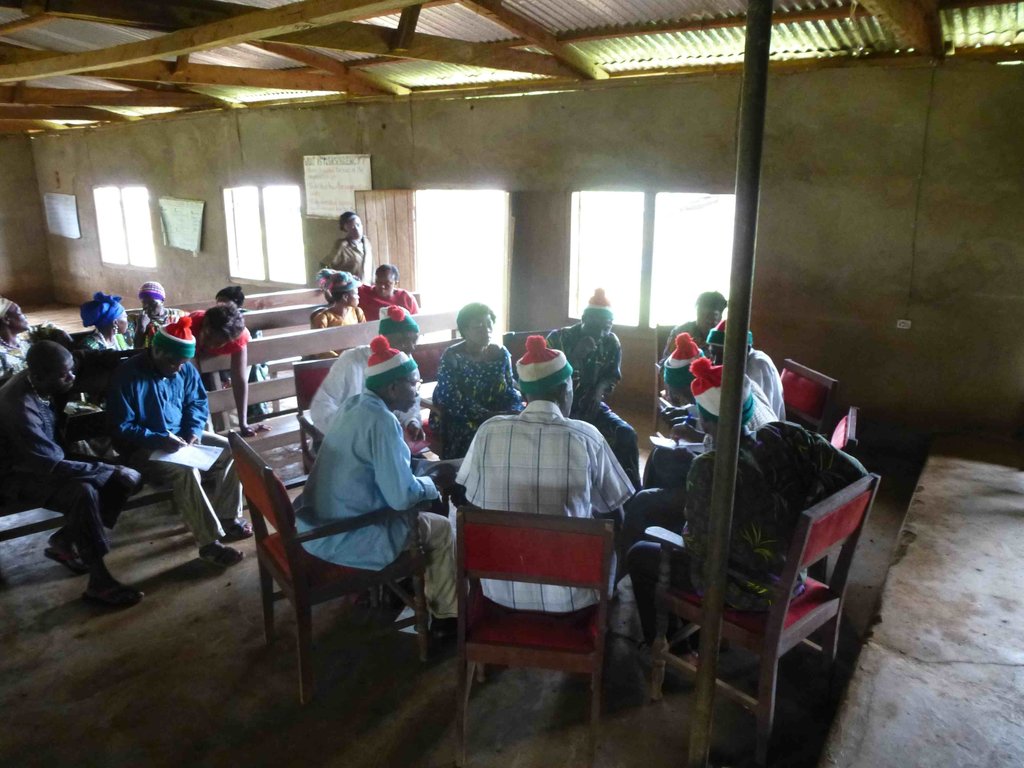
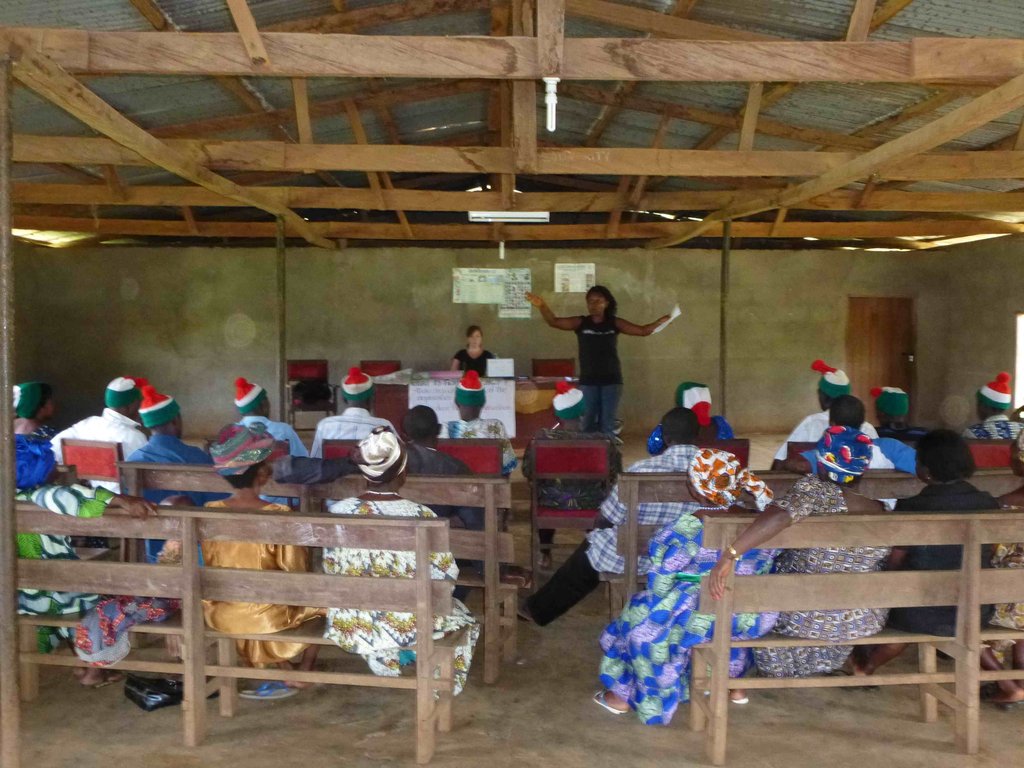
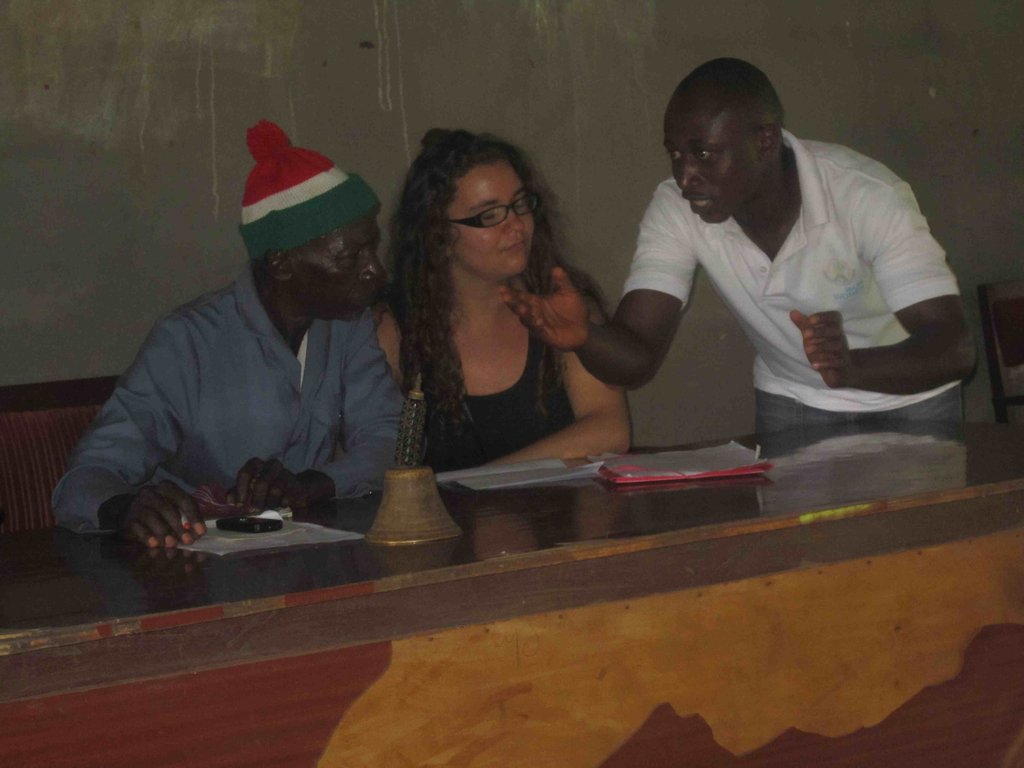
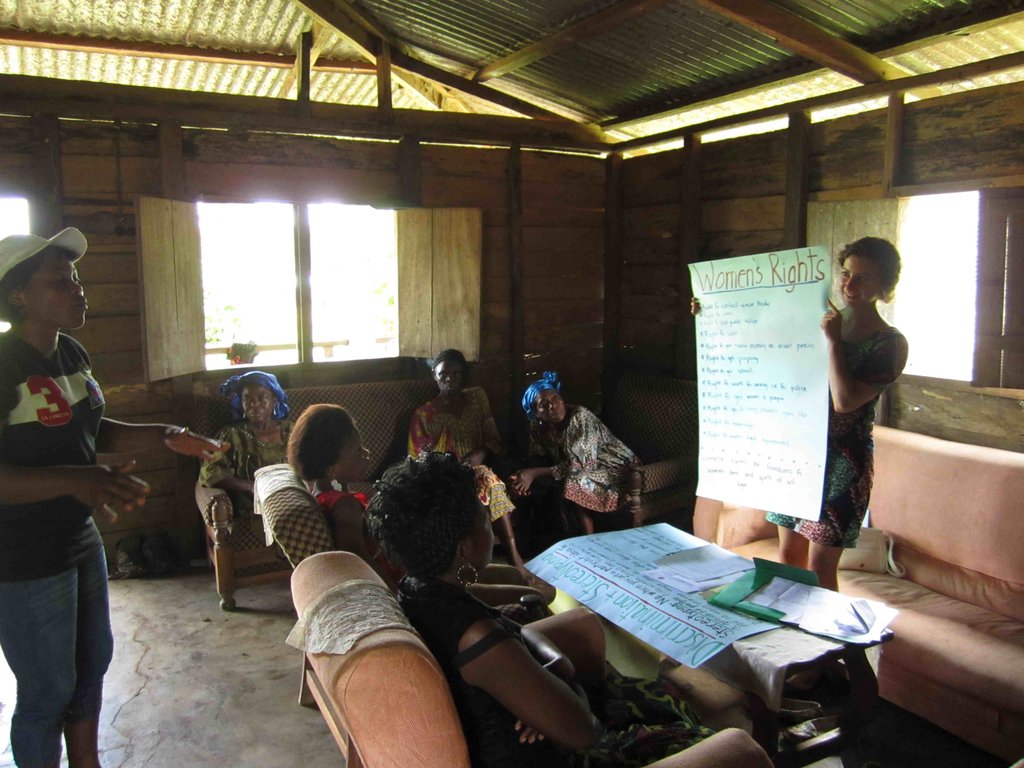
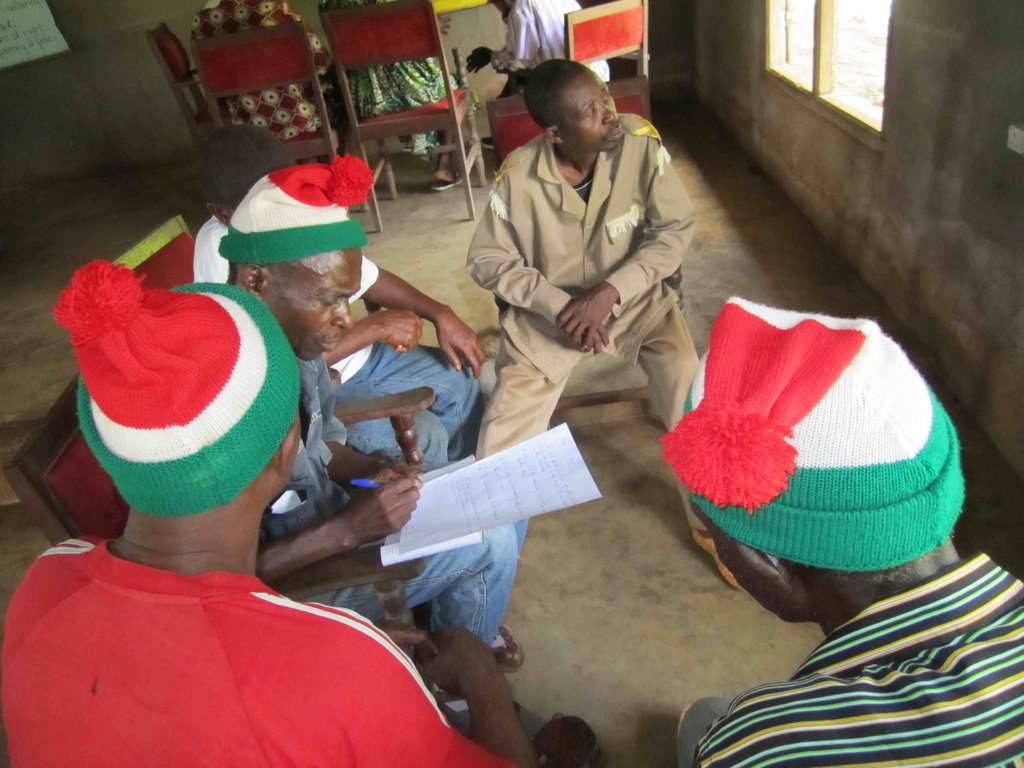
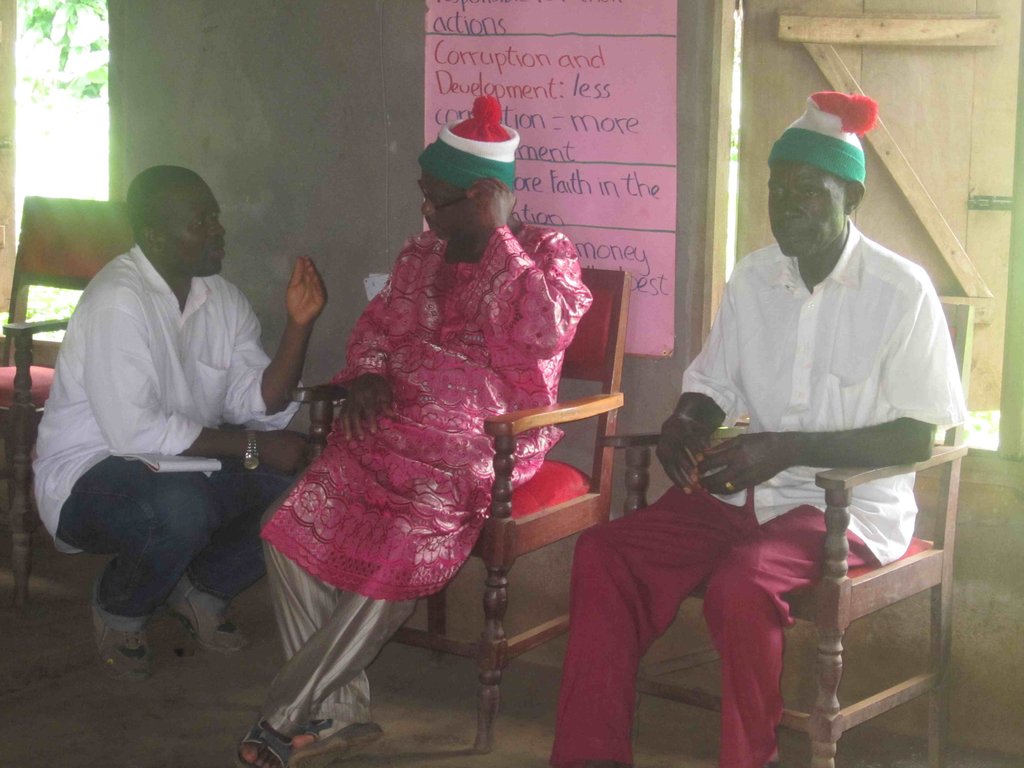
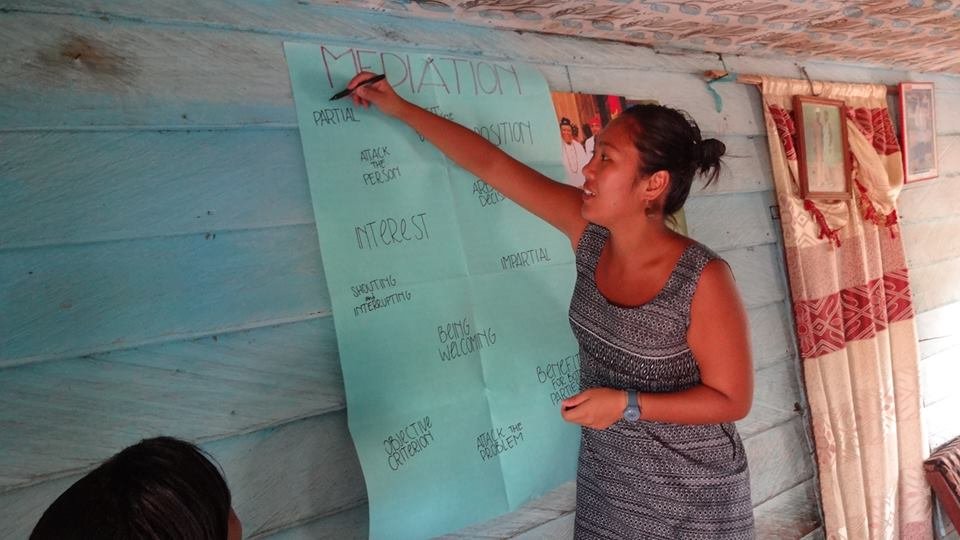
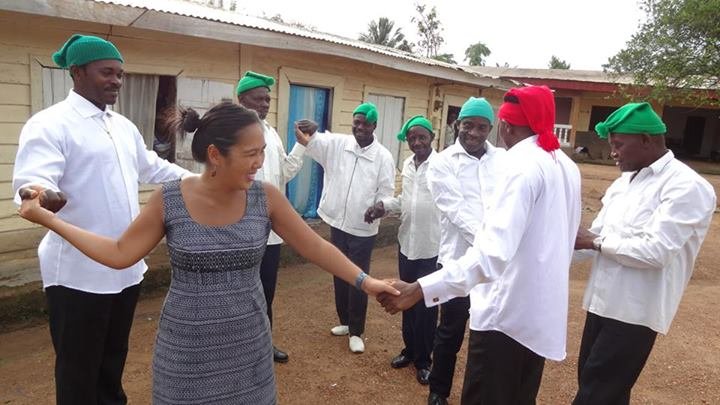
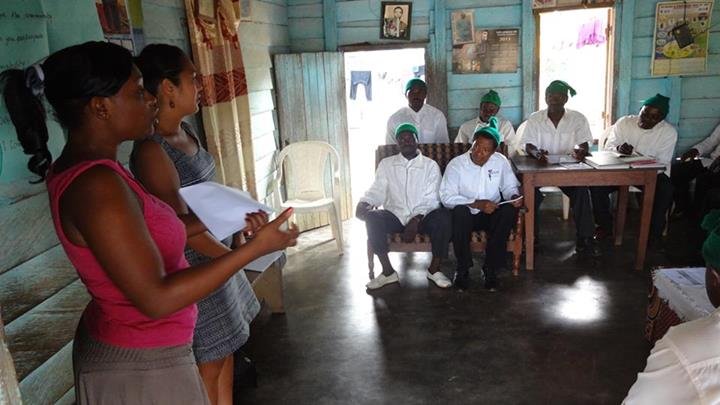
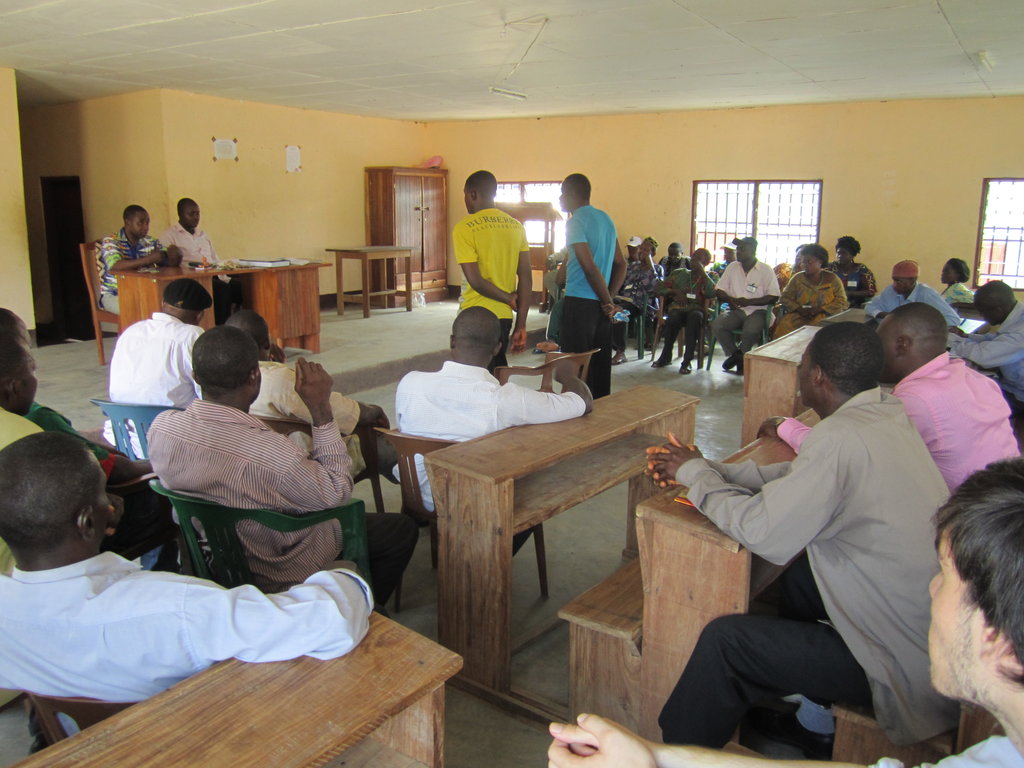
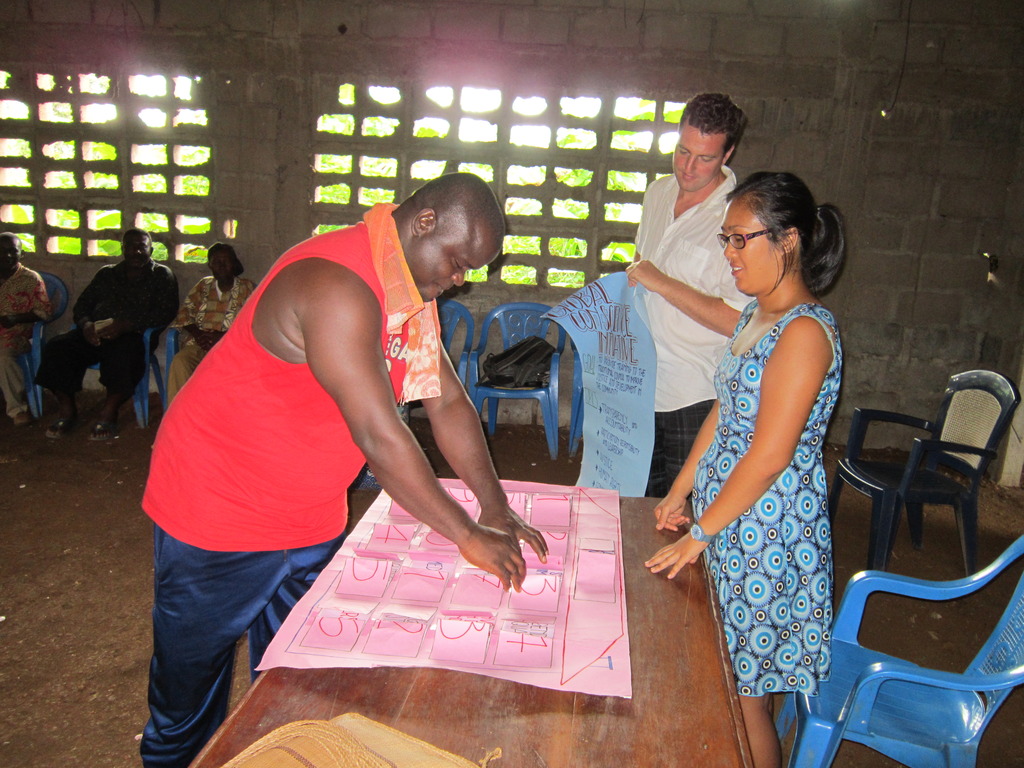
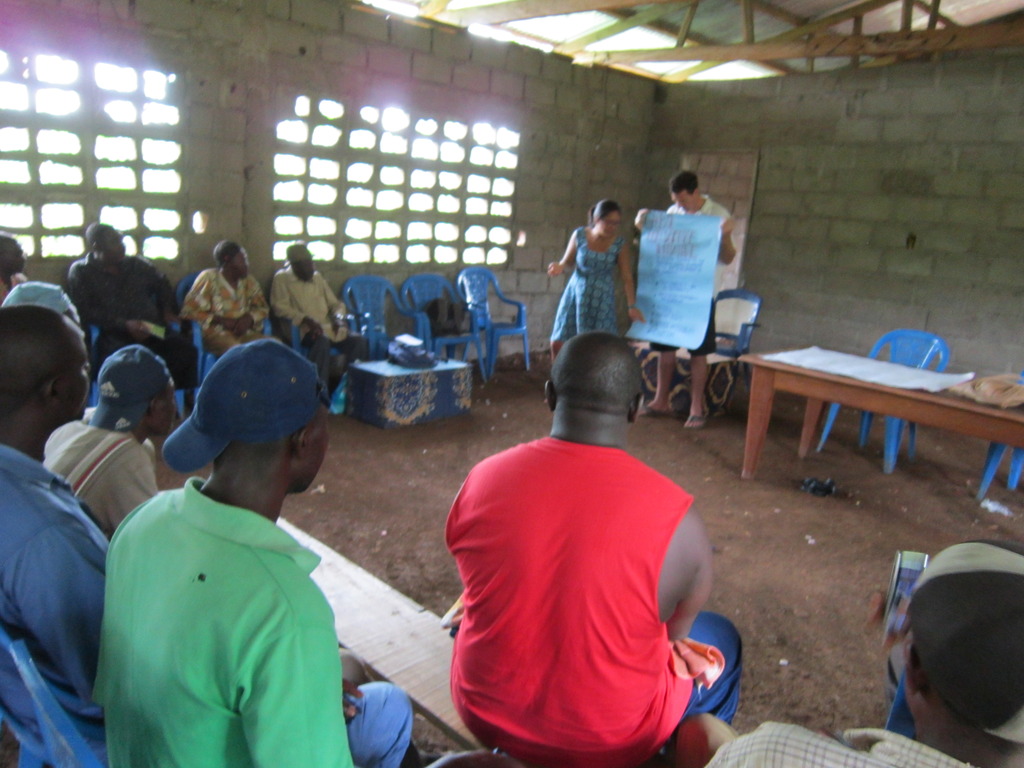
The Centre for Arbitration and Mediation (CAMs) project ended very successfully in the year 2014. It achieved its goal in the Community of Bombe Bakundu village in the Mbonge Sub division, South West Region, Cameroon which was the targeted community for that year. After the evaluation, the councilors manifested a mastery of the knowledge on Mediation skills that they have acquired from the workshops carried out by the CAMs team. Despite some challenges in really implementing all that they have learned, they were visibly changes in the dispute settlement session. Orderly speaking, respect of ground rules, fines which were not hash, no drinking of palm wine before or during session, Fair trial etc. were all evidence that they was a change I the council to attract the trust of the community members to bring their cases to them. The number of cases that they received in the months preceding the workshops increased.
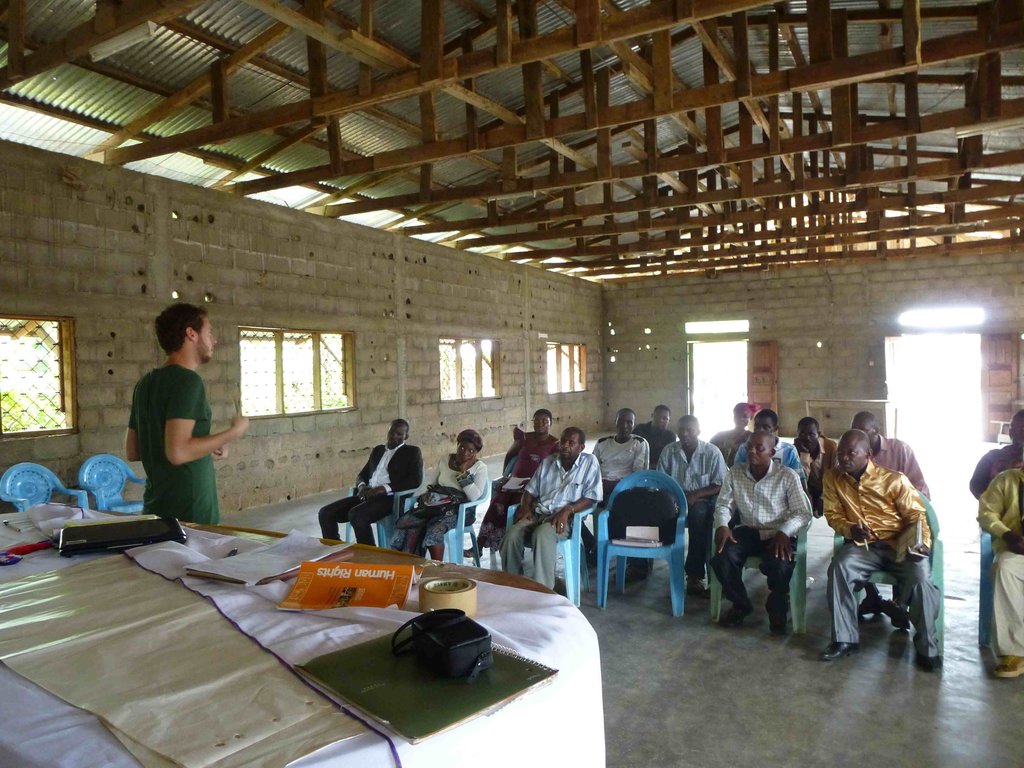
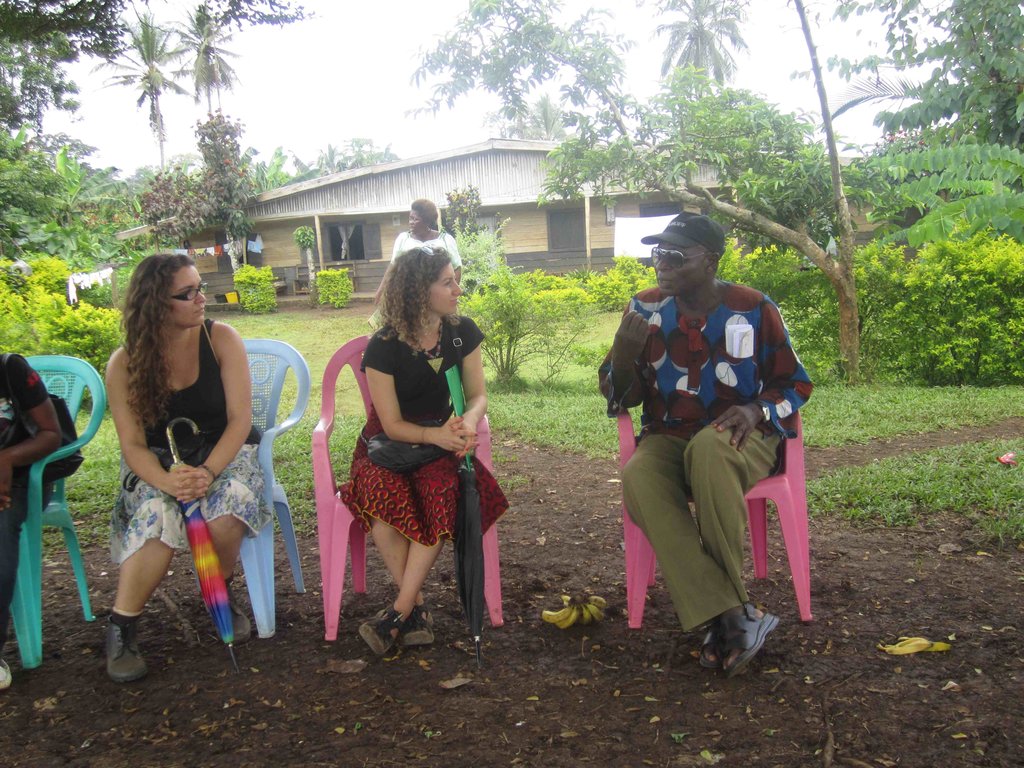
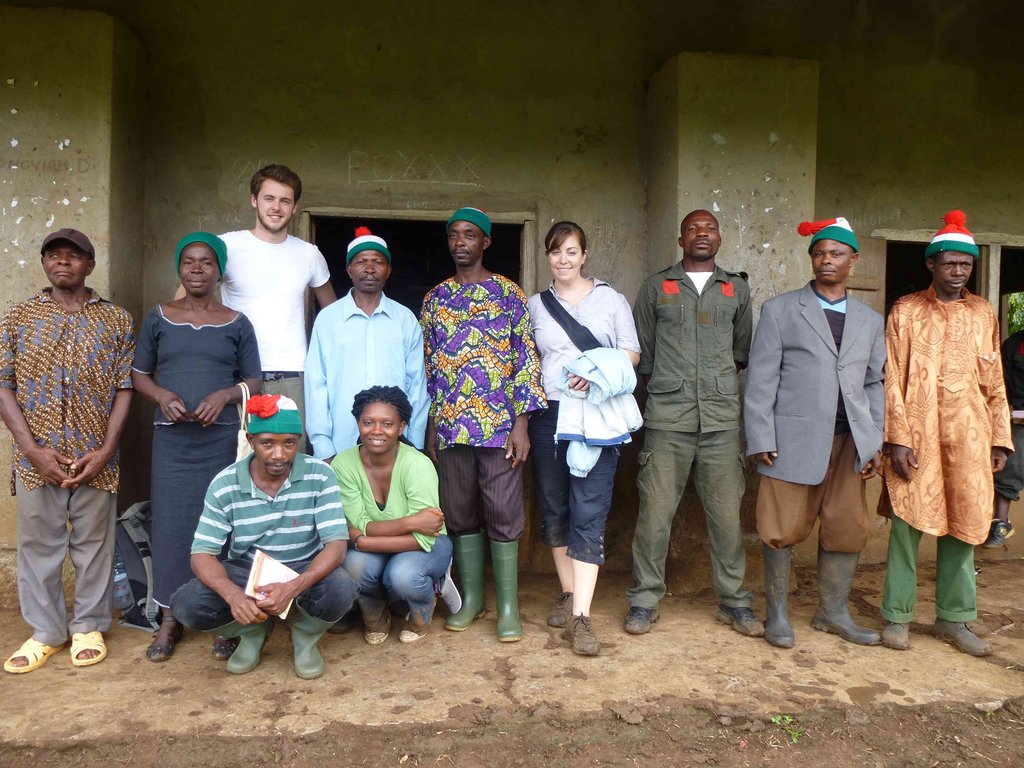
After visiting some communities for sensitization in a move to select the new community for the CAMs project 2014, GCI CAMs team visit to some communities attracted many community interests in the project and appealed to the CAMs team to visit them and teach them these skills of Mediation and about good governance. The team visited Ekombe I&II, Kosala II&III who did some changes and replaced some old councillors, Mbalangi whose council members are new, Barombi Kang, Teke and Etam traditional councils, Ediki, and Kake traditional councils who are operating as the Centers for Arbitration and Mediation. The need was glaring for them to receive the knowledge of the CAMs curriculum. The staff also witnessed the way some of the cases where resolved and could take note of the areas that they portrayed their weaknesses and could quickly assessed their needs as concerns improving on their skills of managing disputes. Coupled with other factors to select a new community, the CAMs team resorted to do survey in more than one community. This is because, they realized that these communities have changed most of their old members and definitely have a new council that needs to be schooled on the Mediation skills and techniques.
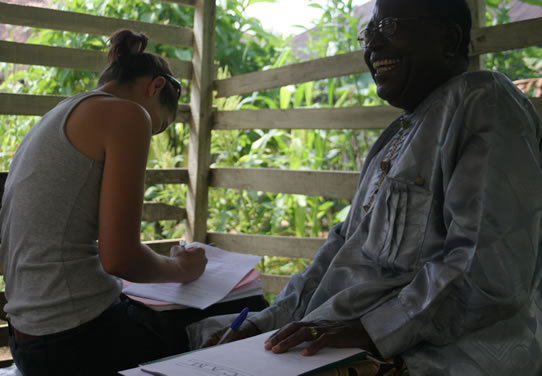
As survey for the need assessment began in January 2014, the team could diagnose so many problems hindering the smooth functioning of the council. The skills were inadequate, poor relationship with the community members in terms of trust and heavy fines and many other problems hindering the implementing of the justice and respect for human rights in the community. The team is assessing the survey now and following the developments of the dispute resolutions in the communities that have received these workshop teachings to build up a code that will help and guide the traditional councilors do their work of dispute settlement better. This will be written as compared to traditional oral laws and procedures that are practiced.
We shall immensely thank our donors for the wonderful contributions they are doing to improve on this work, Human rights and humanity as a whole. That, their contributions in 2013 led to the success of this project and we are calling on you not to relent on your efforts as we look forward to a more challenging 2014. We are grateful for your support.
Project reports on GlobalGiving are posted directly to globalgiving.org by Project Leaders as they are completed, generally every 3-4 months. To protect the integrity of these documents, GlobalGiving does not alter them; therefore you may find some language or formatting issues.
If you donate to this project or have donated to this project, you can receive an email when this project posts a report. You can also subscribe for reports without donating.