By Slavica Vasic Mitrovic | Project coordinator
Building on the activities implemented in 2025, including educational workshops, strengthened cooperation with primary healthcare centres, capacity-building of healthcare professionals, and community outreach, the final phase of the project focused on facilitating access to preventive reproductive health services and assessing women's experiences following their participation in the project.
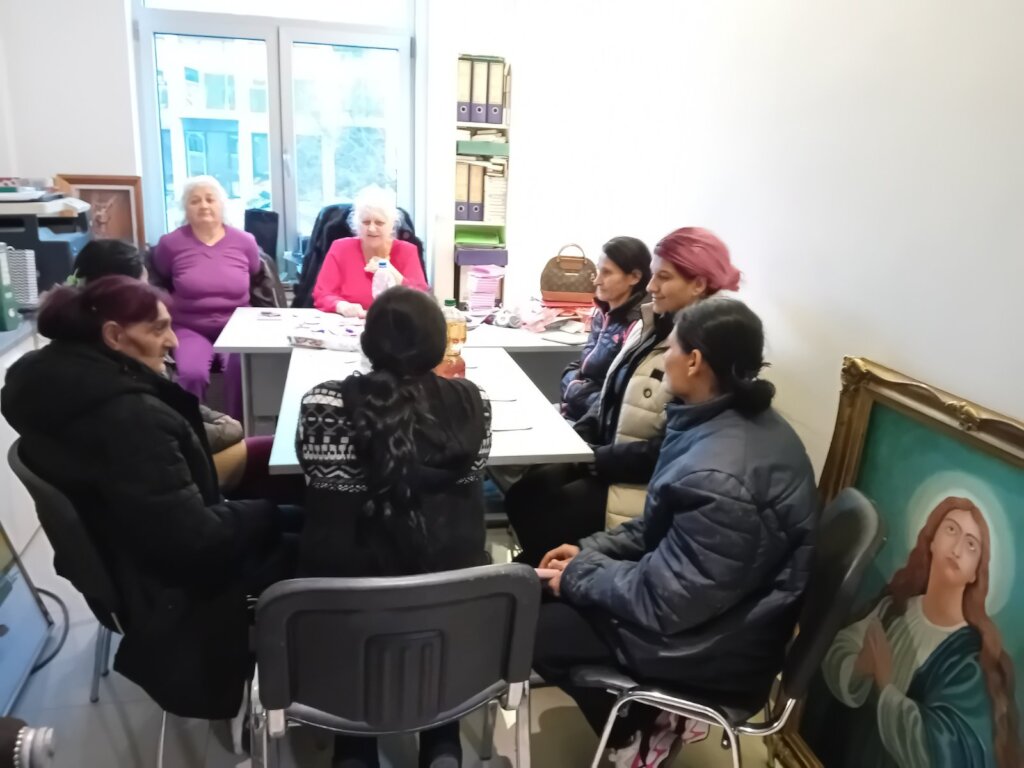
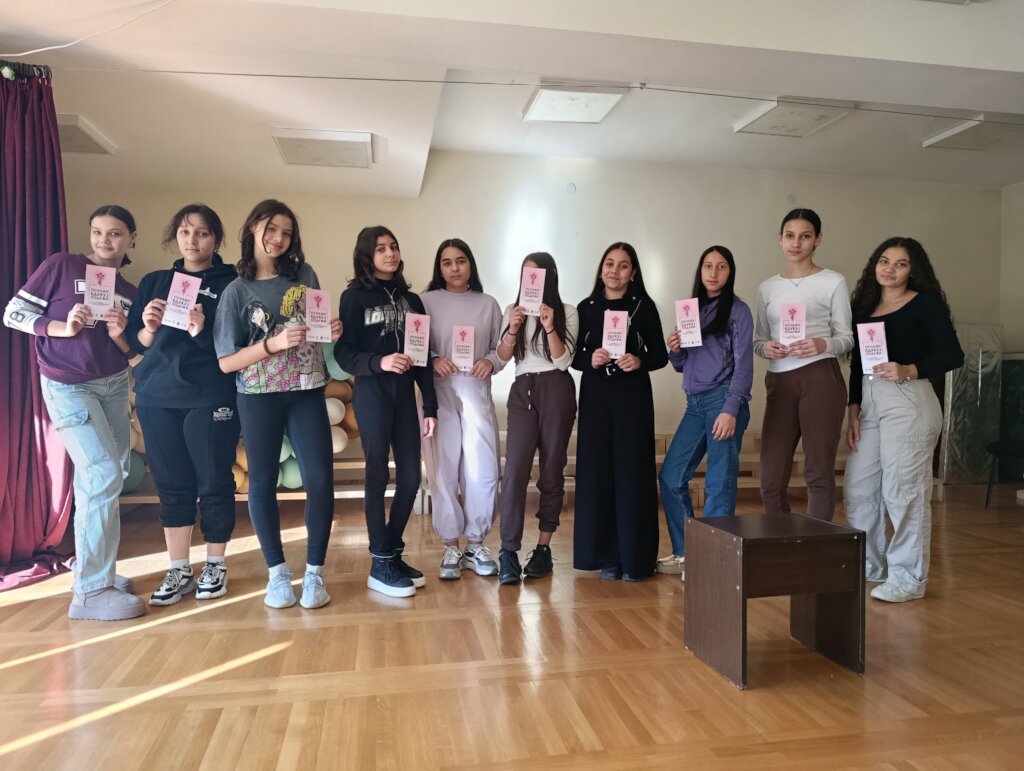
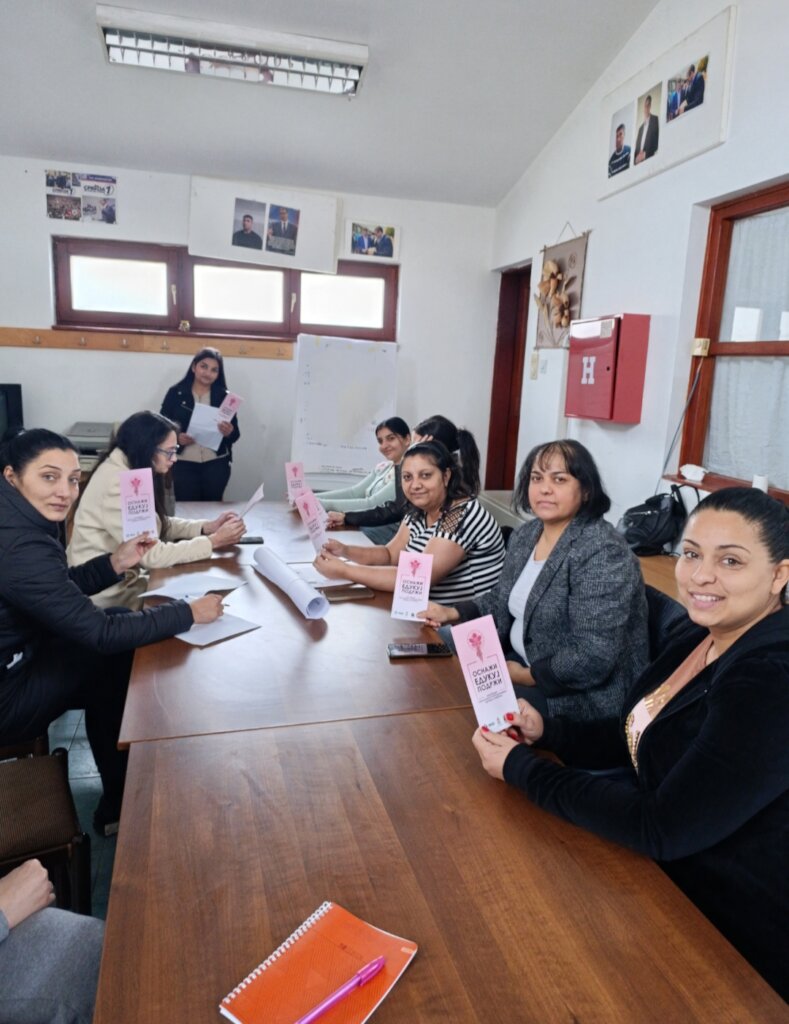
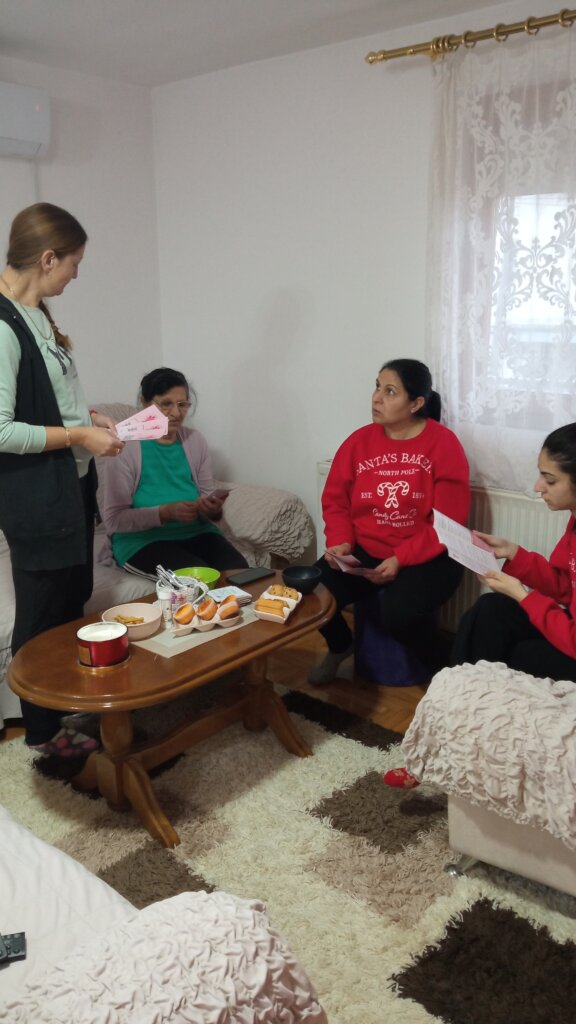
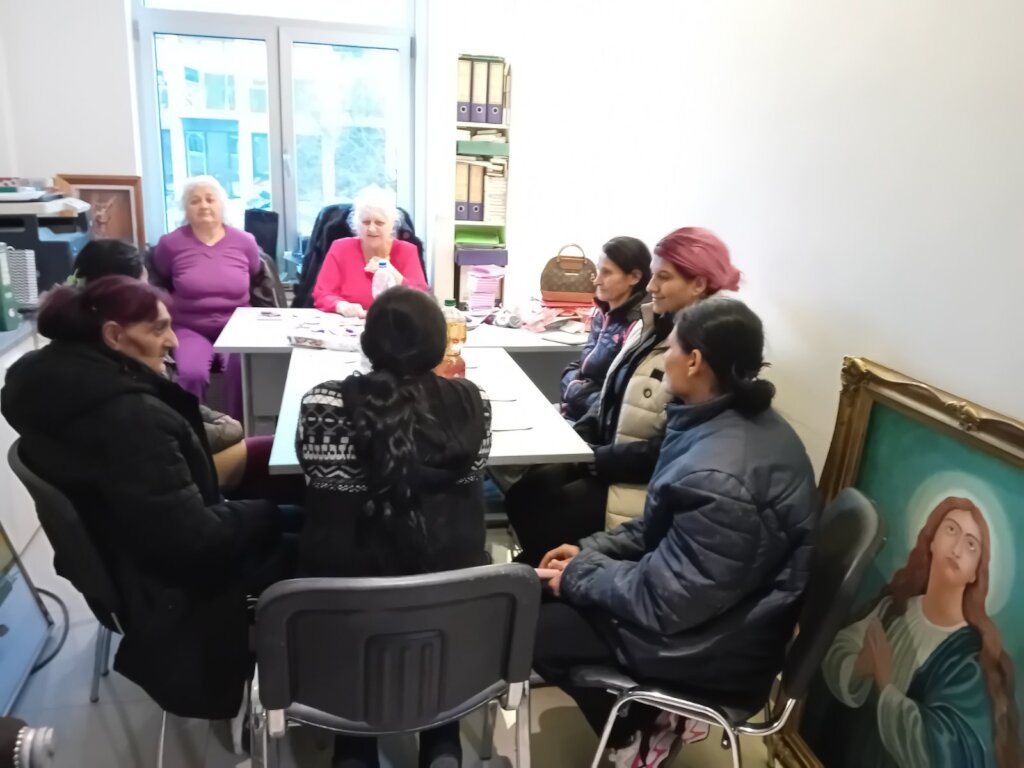
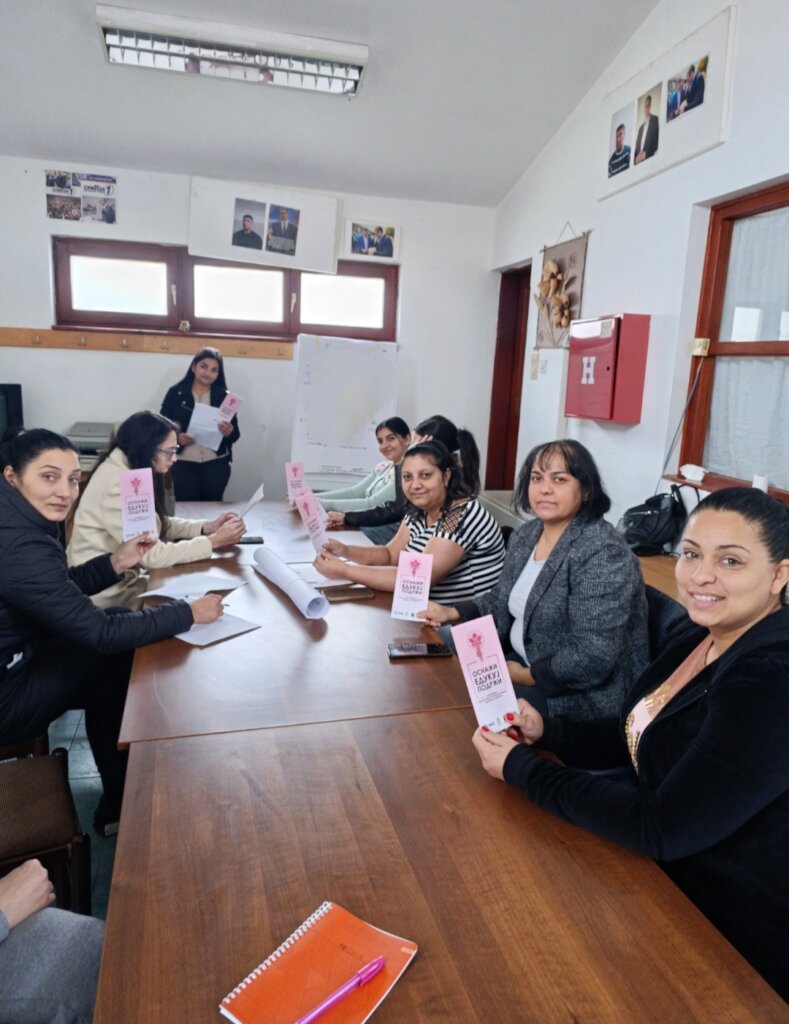
Between February and April 2026, preventive gynaecological examinations were organized for Roma women in Belgrade, Pirot, Leskovac, Kragujevac and Šabac through close cooperation between Bibija, , primary healthcare centres and Roma health educators. Although the project initially envisaged providing preventive health services to at least 100 Roma women, a total of 135 women benefited from individualized support and attended preventive examinations. Educators played a crucial role throughout the process by identifying eligible participants, scheduling appointments, accompanying women to health facilities when needed, and helping them overcome administrative and practical barriers.
The examinations included cervical cancer screening, gynaecological examinations and other preventive reproductive health services, enabling the early identification of health conditions requiring additional diagnostics, treatment or follow-up care. A particularly encouraging finding was the significantly higher participation among women who had previously attended the educational workshops, confirming that improved health literacy combined with individualized community support effectively translates into increased utilization of preventive health services.
The implementation also highlighted a number of persistent barriers faced by Roma women in accessing healthcare, including administrative obstacles related to health insurance documentation, difficulties in scheduling appointments, language barriers, competing family responsibilities and continued distrust of institutions due to previous experiences of discrimination. Close cooperation between educators and healthcare providers proved essential in addressing these challenges and ensuring that women were able to receive the necessary services. The experience further confirmed the need for continuous work in the field, strengthening cooperation with health institutions and additional support for women from vulnerable social groups. Also is necessary to advocate for stronger intersectoral cooperation between the health, social protection and education sectors, as well as more flexible administrative procedures to improve equitable access to preventive healthcare for vulnerable populations.
Some of the challenges faced by female educators in the field are the scheduling of examinations because it was not possible to implement them as agreed with the primary health centers because some of the women canceled the examinations several times due to their obligations. Some of the women did not have personal documents, some did not have health insurance confirmation or confirmation was outdated, yet they were allowed to be examined. Many of the women still distrust the institutions due to some previous bad experiences, discrimination or the feeling that the institutions do not respect them, also one of the challenges was that some of the women do not know the Serbian language or speak it very poorly. They needed the help of educators in the field and all these challenges were solved on the spot.
One of the most significant outcomes of the project was that preventive examinations enabled the early detection of health conditions requiring further investigation or treatment, providing women with an opportunity to seek timely medical care before more serious complications could develop.
By Slavica Vasic Mitrovic | Project Leader
Project reports on GlobalGiving are posted directly to globalgiving.org by Project Leaders as they are completed, generally every 3-4 months. To protect the integrity of these documents, GlobalGiving does not alter them; therefore you may find some language or formatting issues.
If you donate to this project or have donated to this project, you can receive an email when this project posts a report. You can also subscribe for reports without donating.



Support this important cause by creating a personalized fundraising page.
Start a Fundraiser