![Completed Solar-Powered Borehole Installation]()
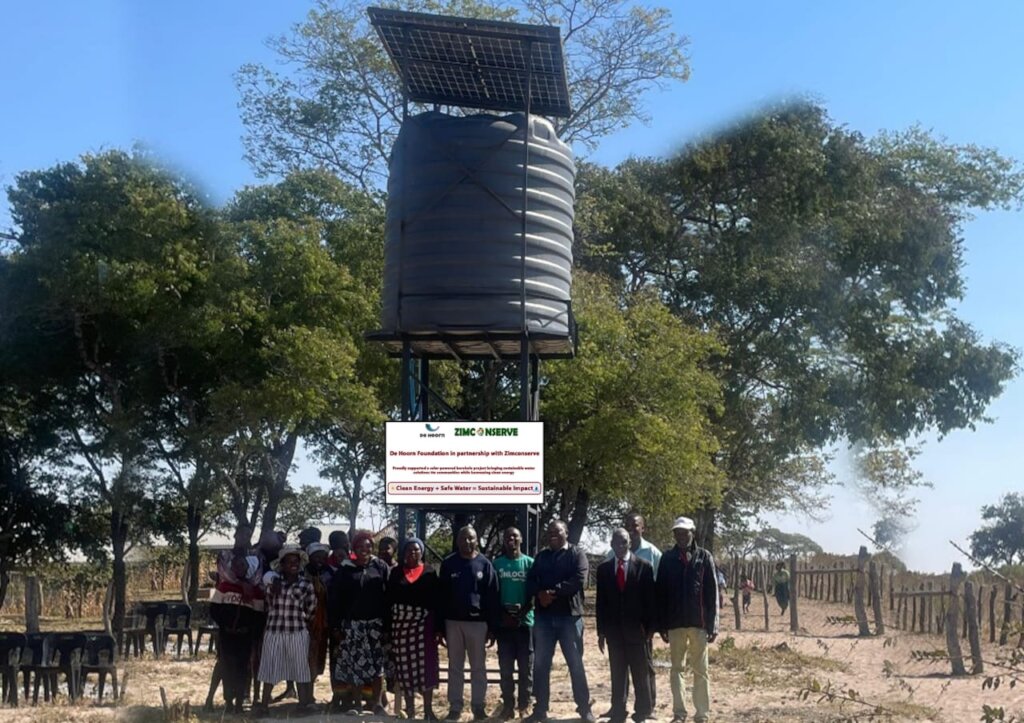
Completed Solar-Powered Borehole Installation
Introduction
We are honored to present this comprehensive progress report highlighting the successful implementation of the solar-powered borehole project for our permaculture initiative. This transformative project was made possible through the generous grant and unwavering support from the De Hoon Foundation. The establishment of this reliable water source represents a critical milestone in our mission to build sustainable food security and economic resilience in Seke Rural.
Project ImplementationContractor Engagement and Planning
Upon receiving the funds, we immediately engaged Nakiso, a reputable and experienced borehole drilling company with an established track record in Zimbabwe. Their professional approach and technical expertise gave us confidence from the outset that this project would achieve the outcomes our community desperately needed.
Geological Survey
On December 18, 2025, the Nakiso team conducted a comprehensive geological survey of the project site. Using advanced geophysical equipment and their extensive knowledge of the local water table, they precisely identified the optimal drilling location. Within just two days, they delivered detailed results including projected depth, expected flow rates, and water quality indicators. This rapid turnaround demonstrated their commitment to the project and allowed us to maintain our implementation timeline.
Drilling Operations
Drilling operations commenced on December 21, 2025. The community gathered to witness this historic moment, their faces filled with hope and anticipation. Throughout the drilling process, which lasted approximately five hours, the local community courageously endured the loud sounds of the drilling equipment. Their patience and enthusiasm were remarkable, with many residents remaining at the site despite the noise and heat, understanding the life-changing impact this water source would bring.
After reaching a depth of sixty meters, the drilling rig struck the water table. The moment water first appeared at the surface was met with jubilation and thanksgiving from the assembled community members. This breakthrough confirmed what the geological survey had predicted and validated the site selection process.
Capacity Testing and Installation
Following successful drilling, comprehensive capacity tests were conducted to determine the borehole's yield. The results were exceptional, confirming an impressive and reliable flow rate of one liter per second. This capacity far exceeds our initial requirements and ensures the borehole can sustainably serve both current and future community needs without risk of depletion.
Within five working days of completing the drilling, Nakiso successfully installed all the infrastructure components. This included a robust elevated water storage tank mounted on a secure steel stand, a complete solar panel array to ensure sustainable and cost-free operation, and a comprehensive distribution system featuring eight strategically positioned water taps for optimal community access.
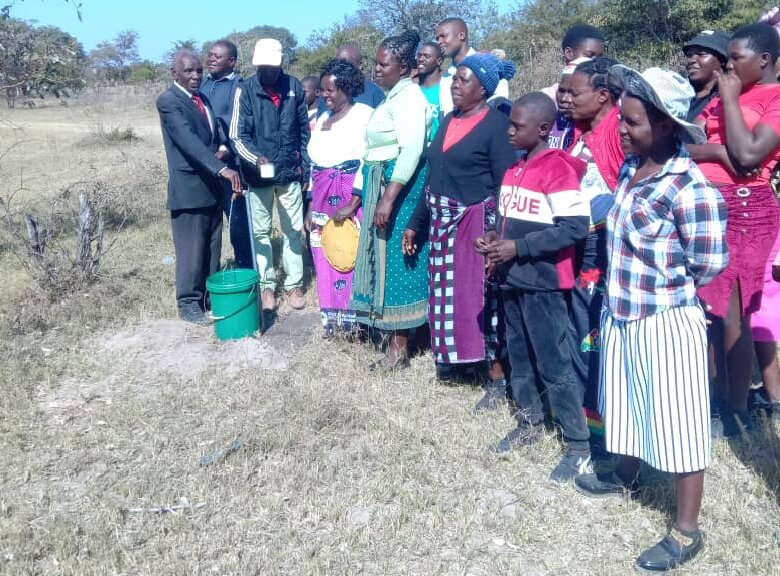
The water began flowing immediately upon completion of the installation. Watching clean, fresh water pour from the taps for the first time brought tears of joy to many community members who had spent years walking long distances to access contaminated water sources.
Commissioning Ceremony
On January 3, 2026, we held a heartfelt and well-attended commissioning ceremony to officially inaugurate the borehole. The event brought together key stakeholders and community members in a celebration of hope and transformation.
Distinguished Attendees
The ceremony was honored by the presence of local leaders including representatives from the district government offices who expressed their support for community-driven development initiatives. Chief Seke, the traditional leader of the area, attended along with the village head, demonstrating the strong traditional and modern governance collaboration in our community. Pastor Simon Jena served as our guest of honor, and numerous community members gathered to witness this momentous occasion.
Inspirational Message
Pastor Jena delivered a moving address, beginning with a reading from John 4:1-26, the powerful story of Jesus and the Samaritan woman at the well. Drawing profound parallels between that biblical narrative and our present circumstance, he eloquently reminded the gathered community that good things—like the water now freely flowing thanks to the De Hoon Foundation—come from Jesus, the earth, and the dedicated hard work of committed people.
He specifically praised the Foundation's unwavering support and partnership with Zimconserve, highlighting how external support combined with local initiative creates lasting change. Pastor Jena encouraged the community to leverage this new resource by working diligently in cultivating crops and raising livestock, emphasizing that the borehole is not just a water source but a catalyst for agricultural transformation and economic empowerment.
Impact and BeneficiariesDirect Beneficiaries
This borehole project directly benefits 50 registered households in Beatrice, Seke Rural—representing approximately 300 people. Many of these direct beneficiaries are children and women, who previously bore the burden of water collection. For these families, access to clean water within their community represents a fundamental improvement in quality of life, health outcomes, and economic opportunity.
Indirect Beneficiaries
Beyond the direct beneficiaries, the borehole indirectly impacts nearly 5,100 people in the surrounding areas. Neighboring communities can access the water during emergencies, and the agricultural production enabled by reliable water access will create economic ripple effects throughout the broader region through improved food security and market participation.
Transformation from Previous Conditions
Before this initiative, community residents—primarily women and children—walked more than two kilometers each day to collect water from a stream. This stream was shared with wildlife including monkeys, cattle, and various wild animals, creating serious hygiene and health challenges. The water from this source was often contaminated, leading to waterborne diseases that particularly affected vulnerable populations including young children, pregnant women, and the elderly.
The time spent collecting water prevented children from attending school regularly and women from engaging in productive economic activities. The physical burden of carrying water containers over long distances caused health problems, particularly back and neck strain. The fear of encountering dangerous wildlife during water collection trips, especially during early morning or late evening hours, added psychological stress to daily life.
Now, with clean water flowing from eight conveniently located taps within the community, these challenges have been eliminated. Children can attend school more regularly, women have time for income-generating activities, and the entire community enjoys improved health and dignity.
Enabling the Permaculture Resource Centre Vision
The successful installation of this solar-powered borehole represents far more than access to clean drinking water. It serves as the foundational infrastructure that enables our comprehensive vision for the Zimconserve Permaculture Resource Centre. Without reliable water access, none of our planned agricultural initiatives would be possible.
Construction of Training Facilities
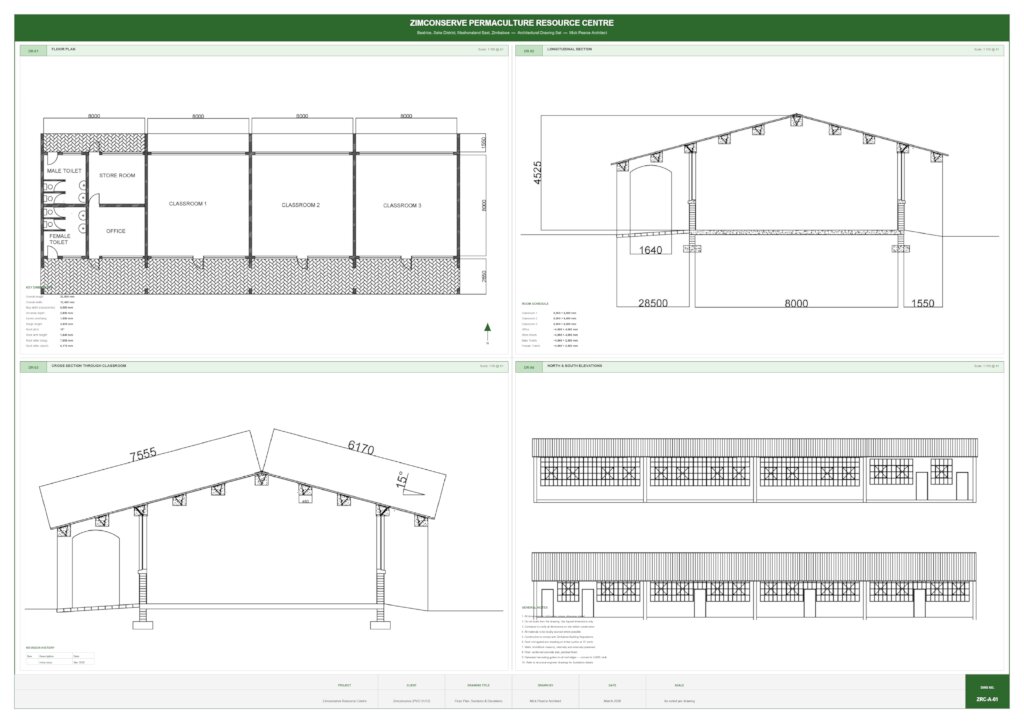
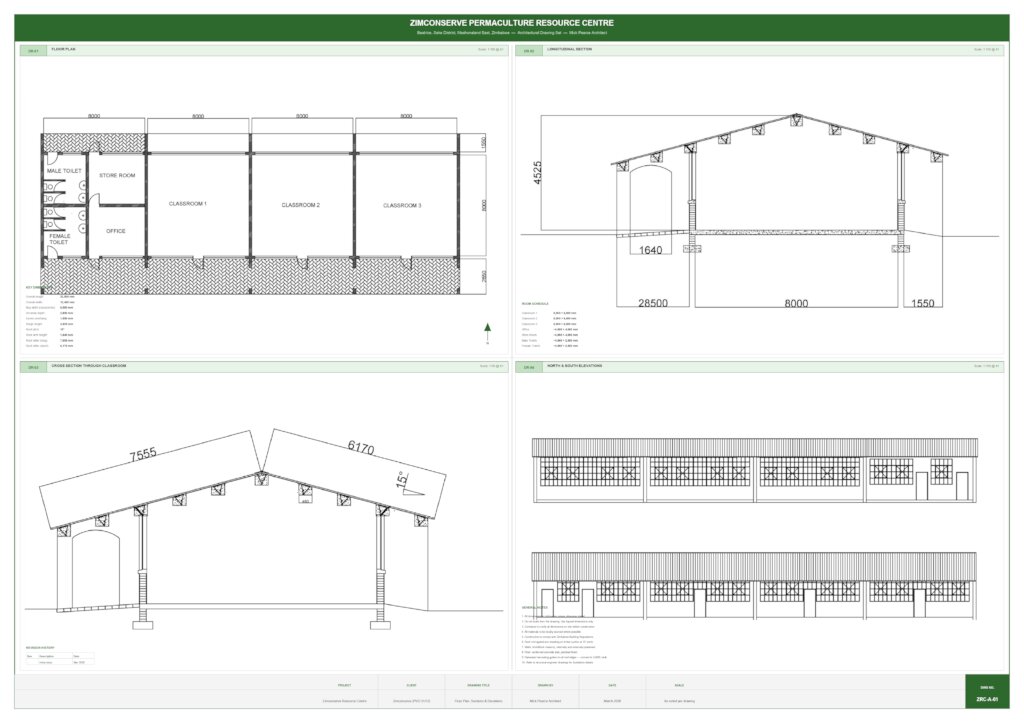
With water now available on-site, we can proceed with the construction of the Permaculture Resource Centre building. This facility will include dedicated classrooms for theory sessions, hands-on demonstration areas, and protected growing spaces. The availability of water means we can include proper sanitation facilities for participants, support gardens for practical training, and maintain comfortable learning environments even during Zimbabwe's dry seasons.
Fish Pond Development
The reliable one-liter-per-second flow rate provides sufficient water to establish and maintain fish ponds for aquaculture. These ponds will serve multiple purposes: they will provide high-quality protein through fish production, create a demonstration site for integrated aquaculture training, generate income through fish sales, and provide water for irrigation of surrounding gardens through a system that maximizes water efficiency.
Fish farming represents a climate-resilient protein source that can dramatically improve nutrition in our community. By training community members in sustainable aquaculture techniques, we create both food security and income opportunities that are less vulnerable to drought than traditional livestock.
Mushroom Farming Enterprise
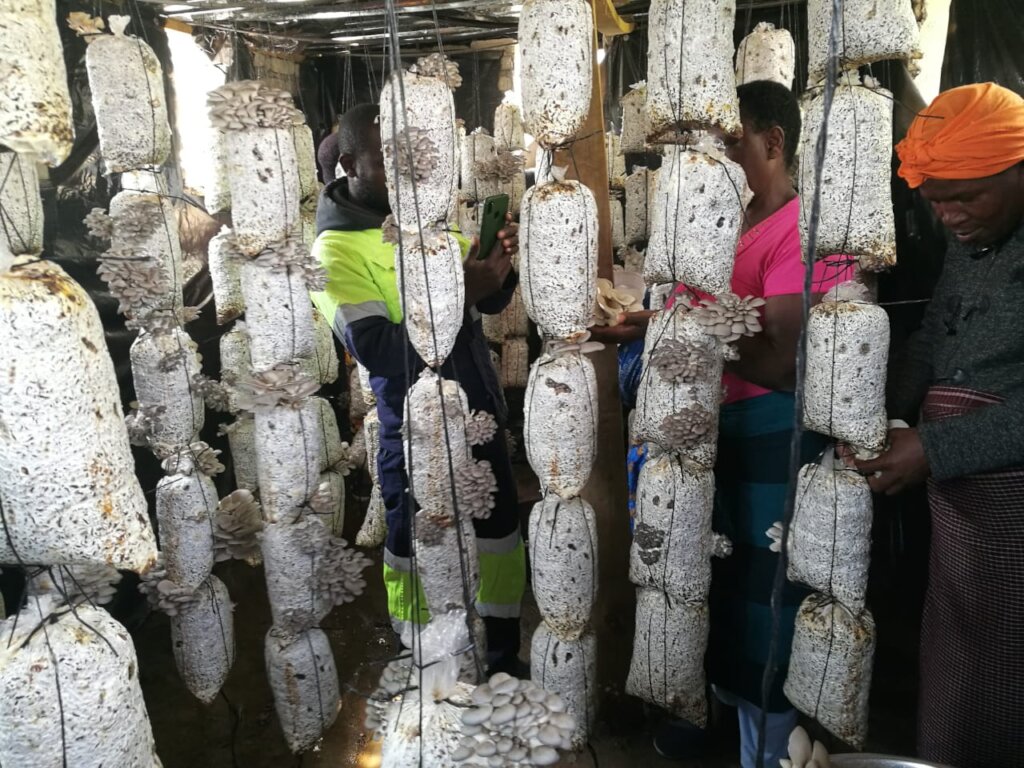
Mushroom cultivation requires consistent moisture and humidity control, which was impossible without reliable water access. The borehole enables us to establish a mushroom farming demonstration unit and train community members—particularly women—in this high-value agricultural enterprise.
Mushrooms can be grown year-round, require minimal space, have a short production cycle, and command premium prices in local and urban markets. This enterprise particularly empowers women, who comprise 64% of household leaders in our target area, by providing income-generating opportunities that can be managed alongside other household responsibilities.
Nutrition Gardens
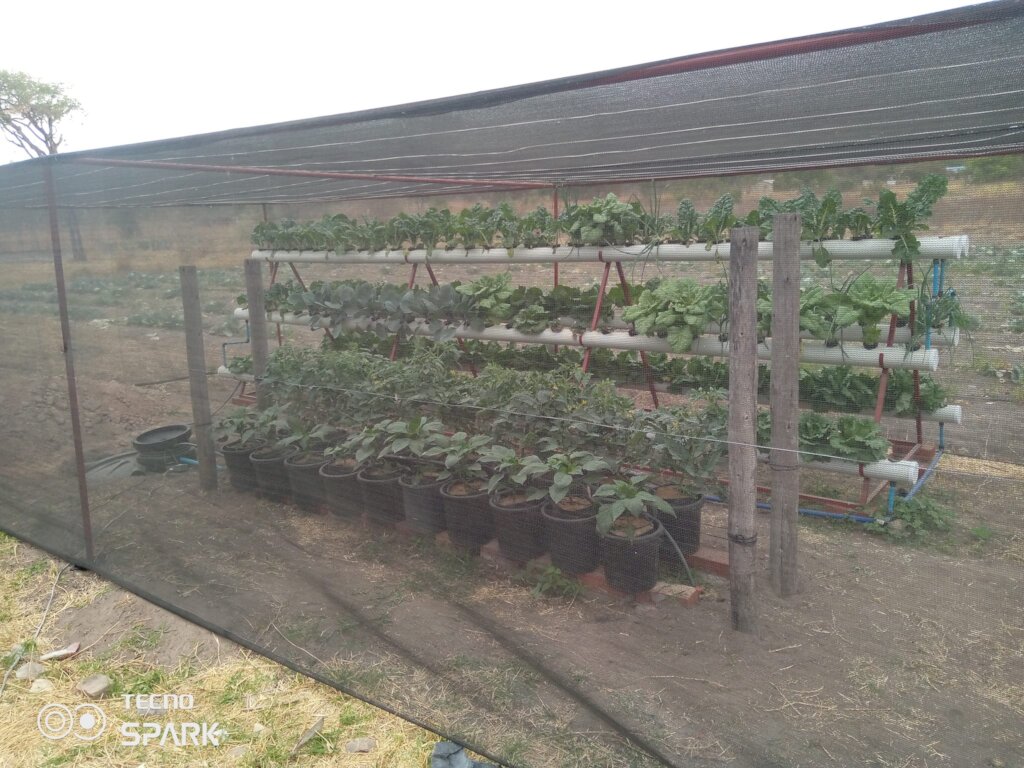
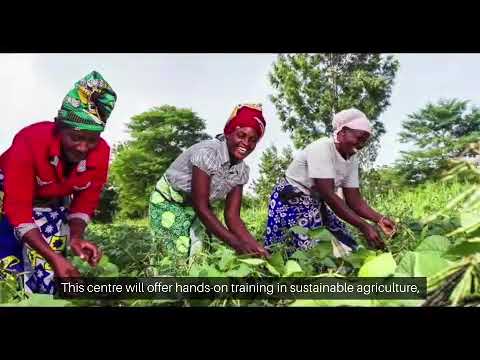
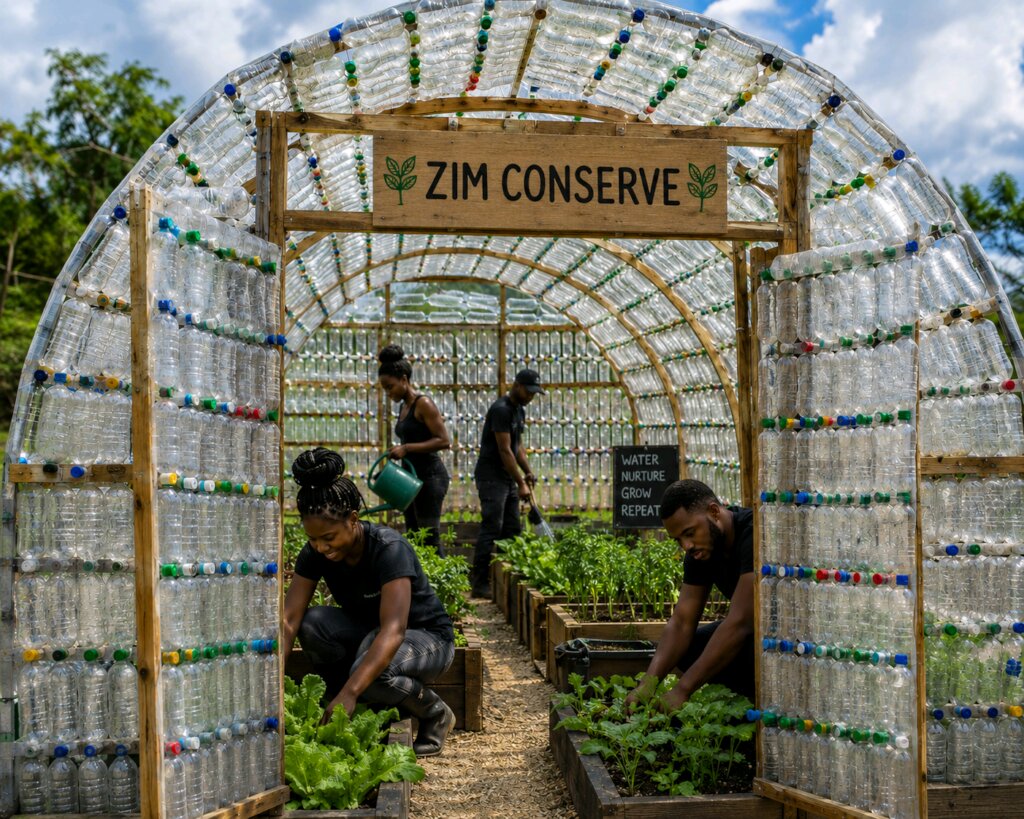
Year-round nutrition gardens are now viable with consistent water availability. These gardens will grow diverse vegetables, herbs, and fruits that address malnutrition and provide essential micronutrients often lacking in subsistence diets. The gardens serve as living classrooms where community members learn crop rotation, companion planting, organic pest management, and water-efficient irrigation techniques.
The nutrition gardens also provide seeds and seedlings that participants can take home to establish their own gardens, multiplying the impact throughout the community. By demonstrating that diverse, nutritious food can be grown even during dry seasons with proper water management, we break the cycle of food insecurity and malnutrition.
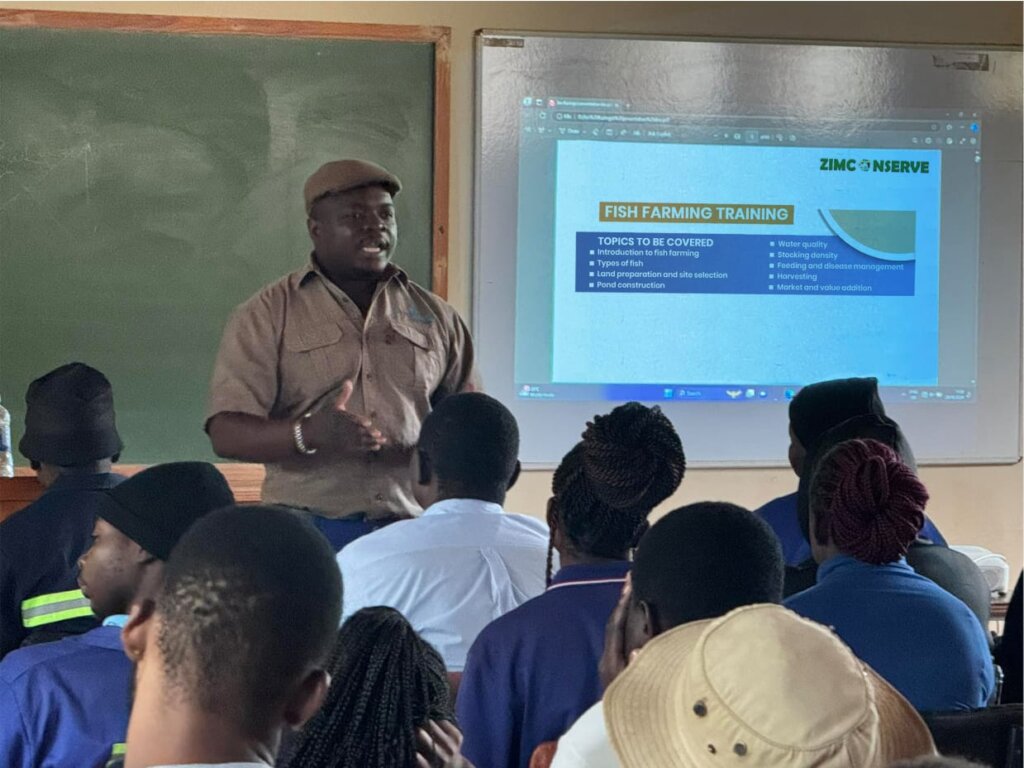
Climate-Resilient Agriculture Training
The borehole enables us to demonstrate and teach water conservation techniques including drip irrigation systems, mulching strategies, rainwater harvesting, and drought-resistant crop varieties. These practical demonstrations require functioning systems that participants can observe and learn from—systems that are only possible with reliable water supply.
Partnership and Recognition
The successful implementation of this project exemplifies the power of partnership between international philanthropy and local implementation expertise. The collaboration between Zimconserve and the De Hoon Foundation has created something greater than either organization could have achieved independently.
To commemorate this partnership and educate visitors about the project's sustainable features, we have installed a prominent sign beneath the water tank. This sign proudly displays the logos of both Zimconserve and the De Hoon Foundation, ensuring that all who benefit from this resource understand the collaborative effort behind it. The sign emphasizes three core themes of the project: Clean Energy through solar power, Safe Water for community health, and Sustainable Impact for long-term resilience.
These messages reinforce the project's environmental sustainability, immediate practical benefits, and commitment to creating lasting positive change. The visible recognition of the De Hoon Foundation's support also demonstrates to other potential partners and donors that international support can create tangible, transformative outcomes in rural African communities.
Next Steps and Forward Momentum
With this critical water infrastructure now in place, we are positioned to move forward rapidly with the next phases of the Permaculture Resource Centre development. Our immediate priorities include:
Finalizing architectural plans and securing materials for the Resource Centre building construction, with groundbreaking targeted for March 2026.
Excavating and establishing the first fish pond, with plans to stock it with tilapia fingerlings by April 2026.
Constructing the mushroom growing structures and procuring initial spawn, with first harvest expected by May 2026.
Establishing demonstration nutrition gardens and beginning to recruit and train the first cohort of farmer participants.
Each of these initiatives builds directly on the foundation created by the borehole, demonstrating how strategic infrastructure investment creates multiplier effects that extend far beyond the initial project scope.
Conclusion
The successful implementation of this solar-powered borehole represents a watershed moment for Beatrice, Seke Rural. In a region where climate change has intensified water scarcity and threatened traditional livelihoods, this project delivers immediate relief and creates the foundation for long-term resilience.
Thanks to the De Hoon Foundation's generous support, 300 people now have daily access to clean, safe water. Nearly 5,100 additional community members will benefit indirectly through improved food security, economic opportunities, and demonstration of sustainable agriculture techniques. Children can attend school more regularly, women have time for income-generating activities, and the entire community enjoys improved health and dignity.
Beyond meeting immediate water needs, this borehole enables the comprehensive vision of the Zimconserve Permaculture Resource Centre. Construction of training facilities, establishment of fish ponds, development of mushroom farming enterprises, and creation of year-round nutrition gardens all become possible because of this foundational infrastructure. The project demonstrates how targeted investment in critical infrastructure creates cascading benefits that multiply impact across entire communities.
We extend our deepest gratitude to the De Hoon Foundation for believing in our vision and providing the resources to make it reality. Your support has not only provided water but has restored hope, created opportunity, and demonstrated that partnership between international philanthropy and local expertise can create transformative change.
As we move forward into the next phases of development, we carry the momentum and confidence generated by this successful project implementation. The water flowing from eight taps is more than HO—it represents life, dignity, opportunity, and hope for a more resilient and prosperous future.
We look forward to continuing this partnership and sharing the ongoing story of transformation in Seke Rural.
![Community Members Opening Tap to Drink Clean Water]()
Community Members Opening Tap to Drink Clean Water
![Share on Twitter]()
![Share on Facebook]()