By Marko Hingi | Founder
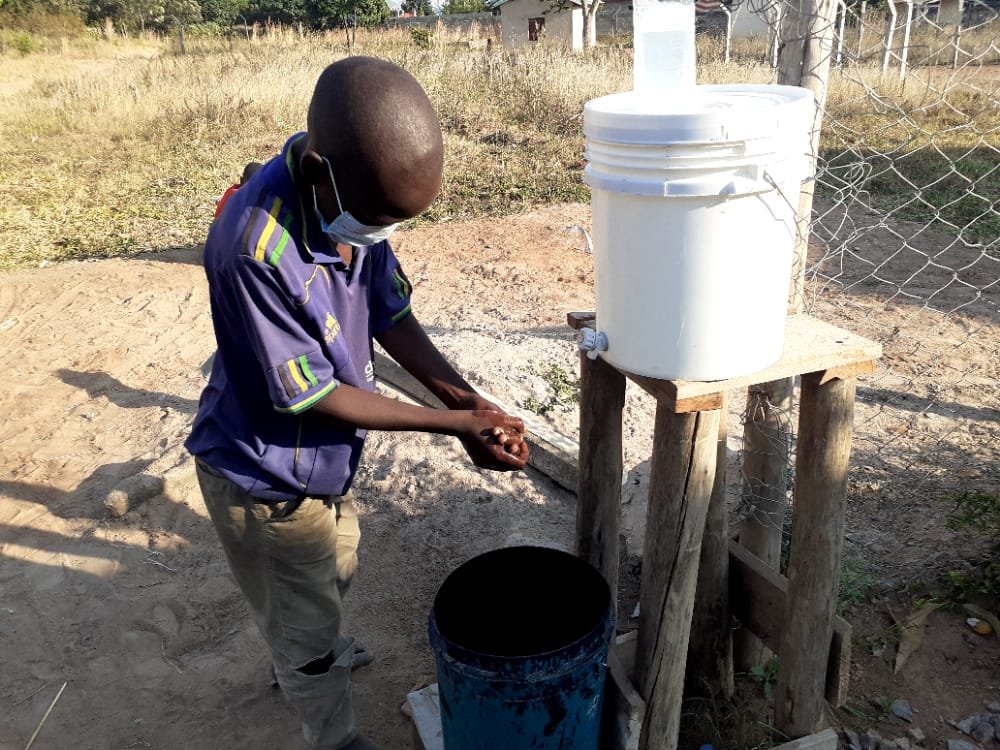
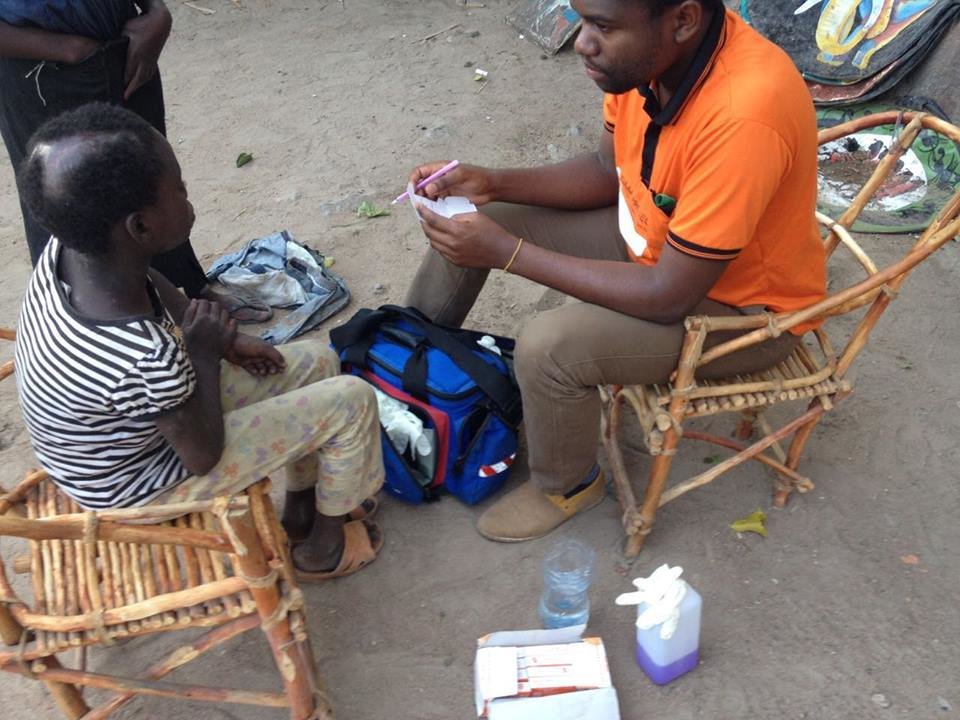
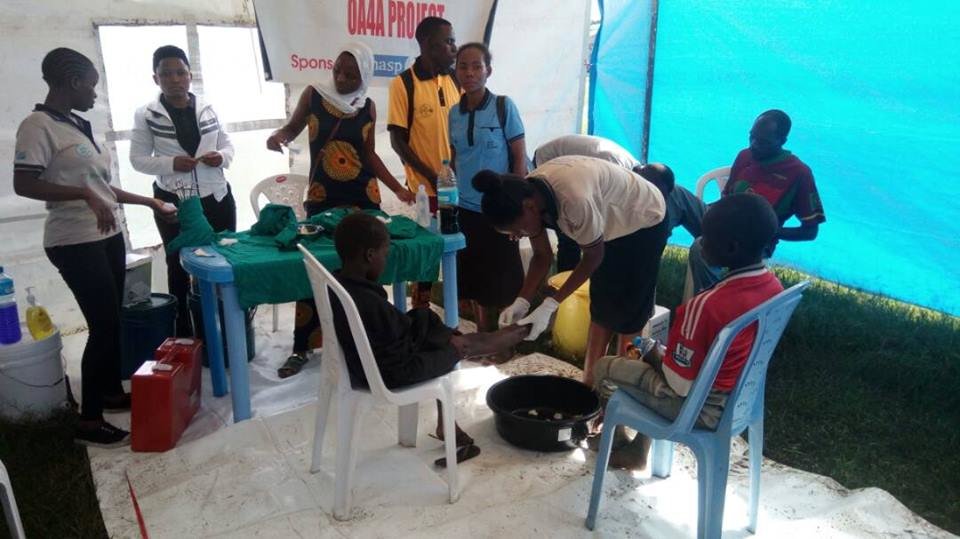
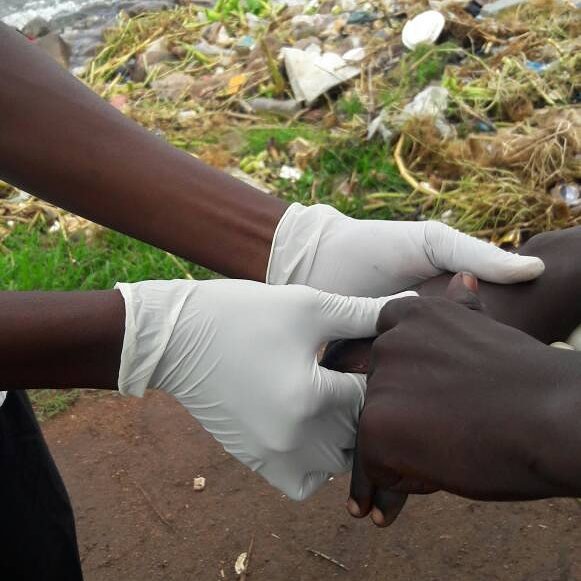
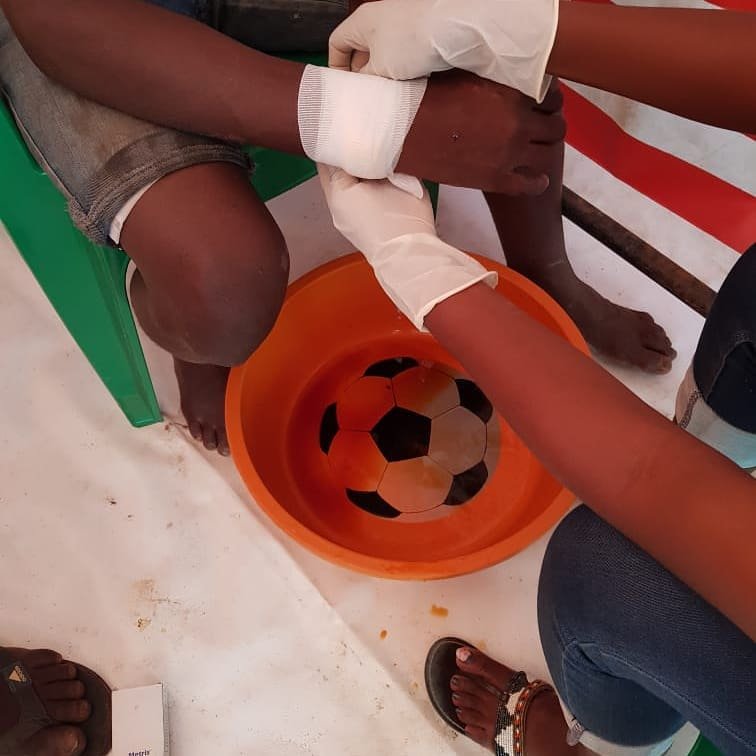
From March to September 2025, the Tanzania Rural Health Movement (TRHM) made substantial progress in expanding healthcare access and strengthening community emergency response systems across Mwanza. Through the Street Medicine Project, TRHM reached 365 street-connected children, delivering vital services such as treatment for common illnesses, management of neglected tropical diseases, HIV and STI screening, and diagnostic testing for H. pylori, UTIs, amoebiasis, intestinal worms, and other infections. Children also received wound care, hygiene support, nutrition assistance, and counselling.
To improve case management, TRHM developed a new Excel-based database to capture each child’s health conditions, psychosocial needs, and services received. Despite these achievements, the burden of disease remained high: 46 of 58 children tested positive for H. pylori, 61 suffered from dental caries, UTIs and amoebiasis persisted, skin infections were widespread, and 59 children were underweight or severely underweight.
Adolescents presented emerging cases of STIs, 37 boys required safe circumcision, and all children were at severe risk of tetanus due to lack of vaccination. In response, TRHM outlined data-informed interventions that include mass screenings, full tetanus immunization, expanded hygiene support with twice-weekly bathing and grooming, improved nutritional programming, safe circumcision for 58 boys, deworming exercises, and enhanced longitudinal health monitoring—efforts designed to improve early detection, reduce malnutrition, build disease-prevention knowledge, and support overall wellbeing.
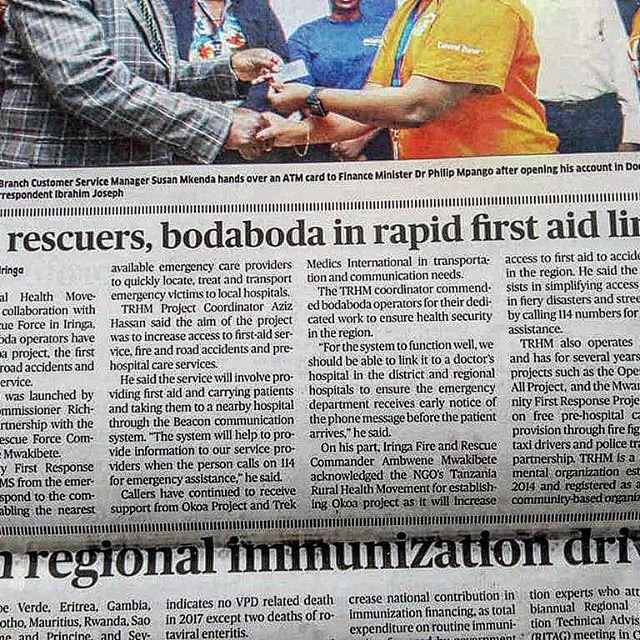
Meanwhile, the Mwanza Community First Response Project (MCFRP) strengthened prehospital care systems, with Community First Responders (CFRs) attending 765 emergency incidents and assisting 1,127 casualties. Bodaboda riders continued to serve as frontline responders, supported by the Beacon emergency alert platform, which was enhanced by providing 10 CFRs with smartphones to improve communication, coordination, and response time. TRHM aims to grow the CFR network to 1,000 responders by 2030, with 150 new trainees targeted for the upcoming year through strengthened partnerships, refresher training, and responder recognition and equipment support.
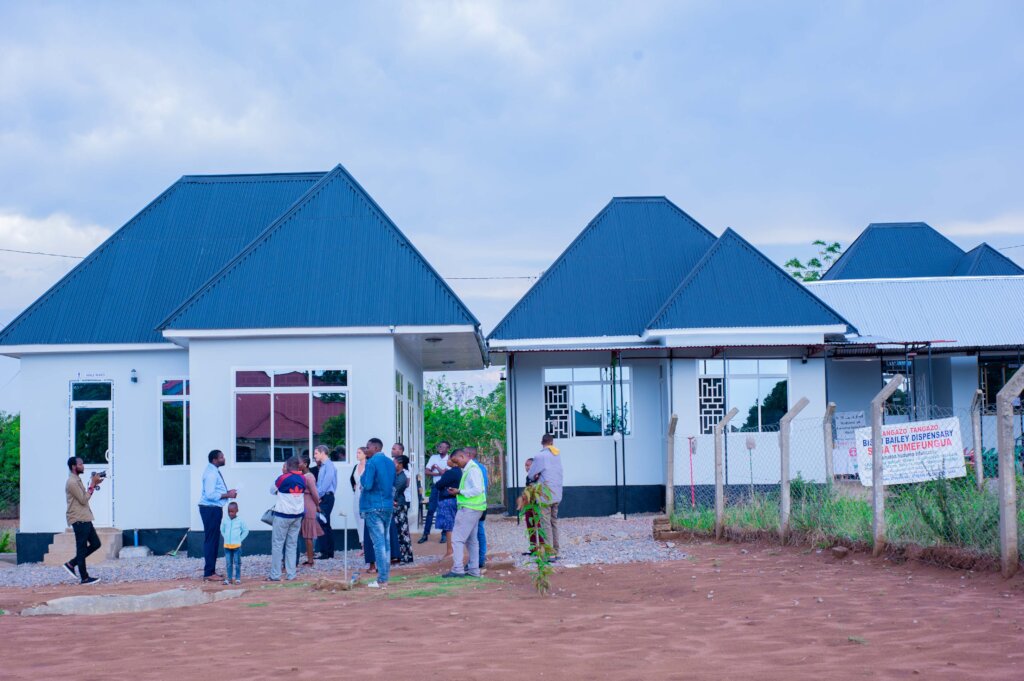
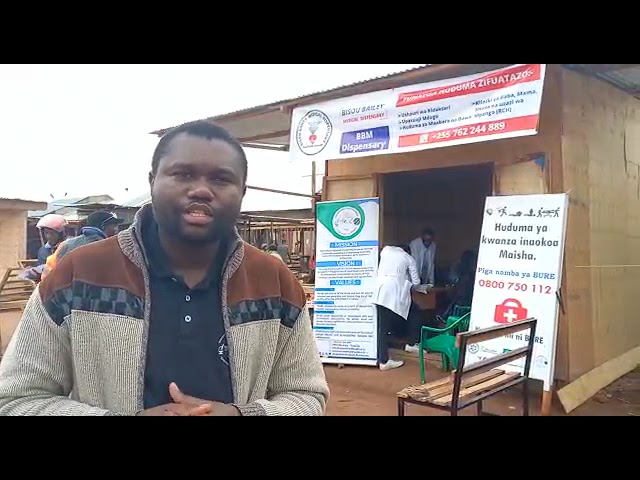
A defining moment during this reporting period was TRHM’s Emergency Response During the Election Crisis in Mwanza, when violent unrest and shootings occurred near Bisou Bailey Medical Dispensary. Within hours, the facility received 31 gunshot casualties, with injuries to the chest, shoulders, legs, and back. Despite the team’s rapid response, one patient died before referral, while others were stabilized and transported under difficult circumstances due to blocked roads and ongoing clashes. The lack of a surgical theatre and limited trauma-care capacity at the dispensary intensified the crisis. Simultaneously, a nationwide internet shutdown disabled the Beacon alert system, forcing TRHM to coordinate emergency responses through direct calls.
Despite these constraints, CFRs demonstrated exceptional bravery, providing bleeding control and first aid to approximately 87 casualties, many responding purely out of duty without formal alerts. Due to safety orders, the Street Medicine Project was temporarily suspended, and TRHM mourned the loss of a street-connected youth known to the outreach team who was fatally shot. All services, including dressings, medication, and wound care, were offered free of charge, leaving TRHM critically depleted in essential supplies and equipment.
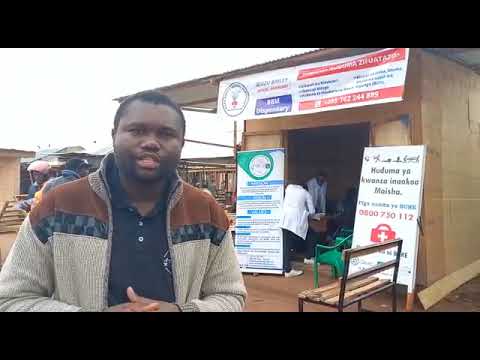
Despite the crisis, Bisou Bailey Medical Dispensary maintained critical healthcare delivery, treating 365 street-connected children, attending to 5,433 patients, supporting 6 safe normal deliveries, immunizing 652 children, offering family planning services to 222 clients, and providing 587 reproductive and child health services such as antenatal care, postnatal care, growth monitoring, and health education. The events of this period highlighted the urgent need for enhanced trauma readiness, stronger communication systems, and expanded facility capacity.
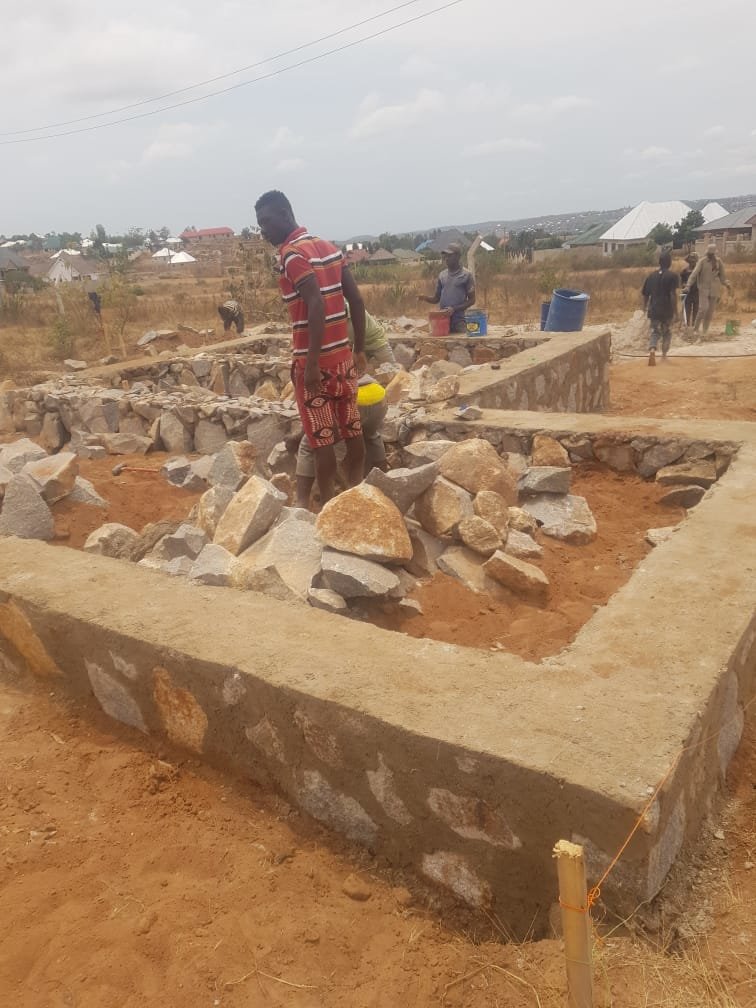
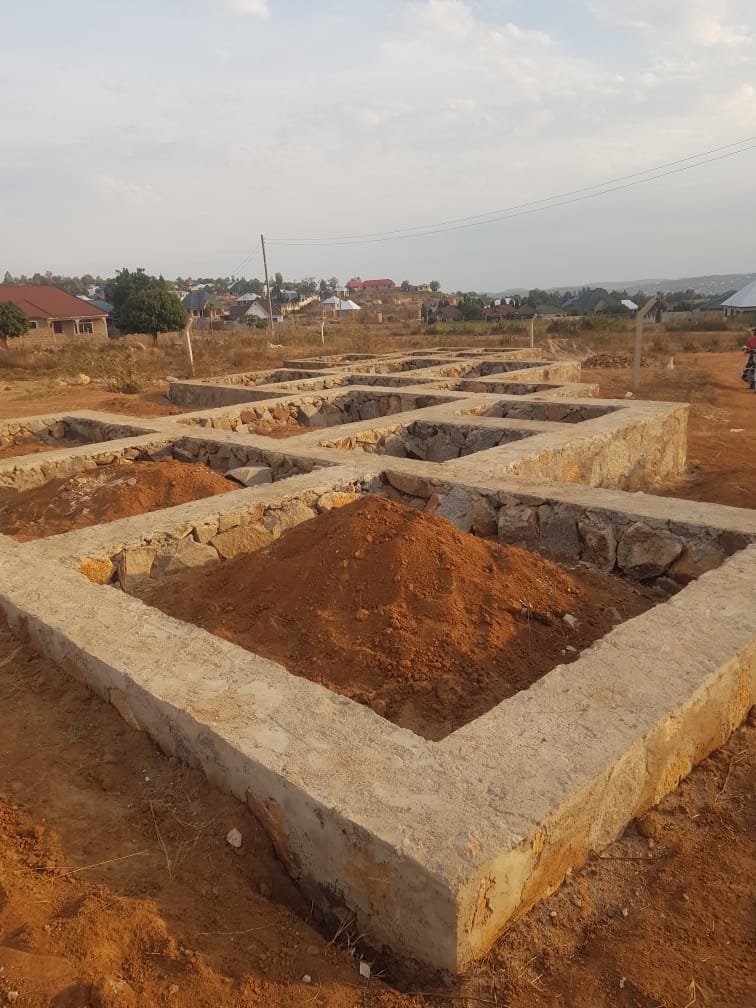
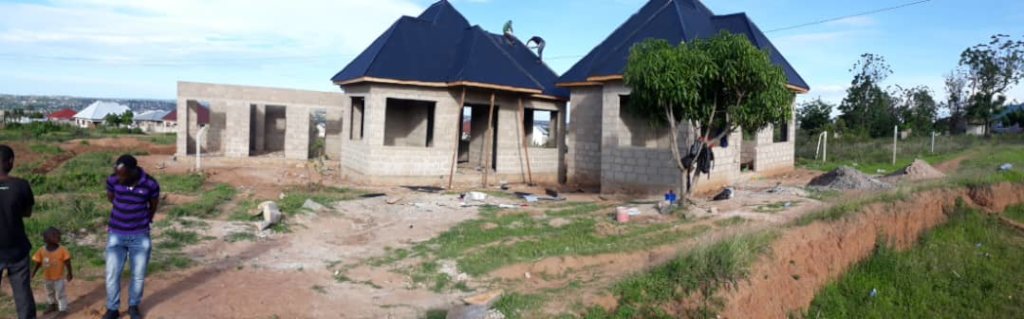
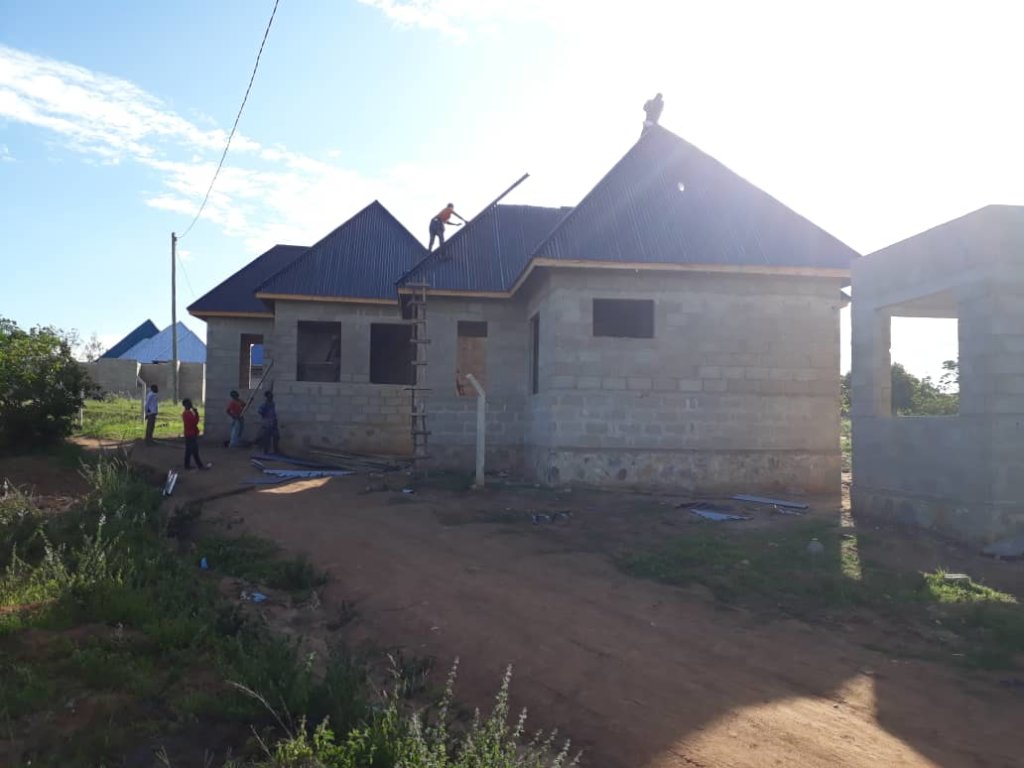
TRHM plans to equip CFRs with new high-visibility vests and helmets, replenish essential medications and supplies, conduct post-crisis outreach to assess and treat affected street-connected children, and continue upgrading Bisou Bailey Medical Dispensary to Health Centre level with a surgical theatre, patient wards, and a modern delivery room. The organization also plans to expand the CFR program, provide psychosocial support to responders and medical staff affected by trauma, and mobilize financial and material support to rebuild capacity and improve preparedness.
As we approach GivingTuesday, TRHM appeals for your generous support to continue protecting the most vulnerable in Mwanza. The election crisis and increased community health demands have severely strained our resources, leaving urgent gaps in medical supplies, trauma equipment, outreach materials, and emergency response tools. Your contribution—whether financial or in-kind—directly strengthens our ability to treat injured patients, support street-connected children, equip Community First Responders, and enhance lifesaving services at Bisou Bailey Medical Dispensary.
Every donation, no matter the size, fuels our mission to stand on the frontlines for those who have nowhere else to turn. This GivingTuesday, we invite you to partner with us in restoring hope, rebuilding capacity, and ensuring that every child and community member receives the care and protection they deserve.
Links:
Project reports on GlobalGiving are posted directly to globalgiving.org by Project Leaders as they are completed, generally every 3-4 months. To protect the integrity of these documents, GlobalGiving does not alter them; therefore you may find some language or formatting issues.
If you donate to this project or have donated to this project, you can receive an email when this project posts a report. You can also subscribe for reports without donating.



Support this important cause by creating a personalized fundraising page.
Start a Fundraiser