By Ana Glaucia | IPBio Manager
Jovens Artistas da Biodiversidade teve um belo começo. Na segunda-feira dia 4 de julho de manhã o ônibus que foi disponibilizado para o curso pelo governo municipal pegou os estudantes e os trouxe para a Reserva Betary para o início do curso.
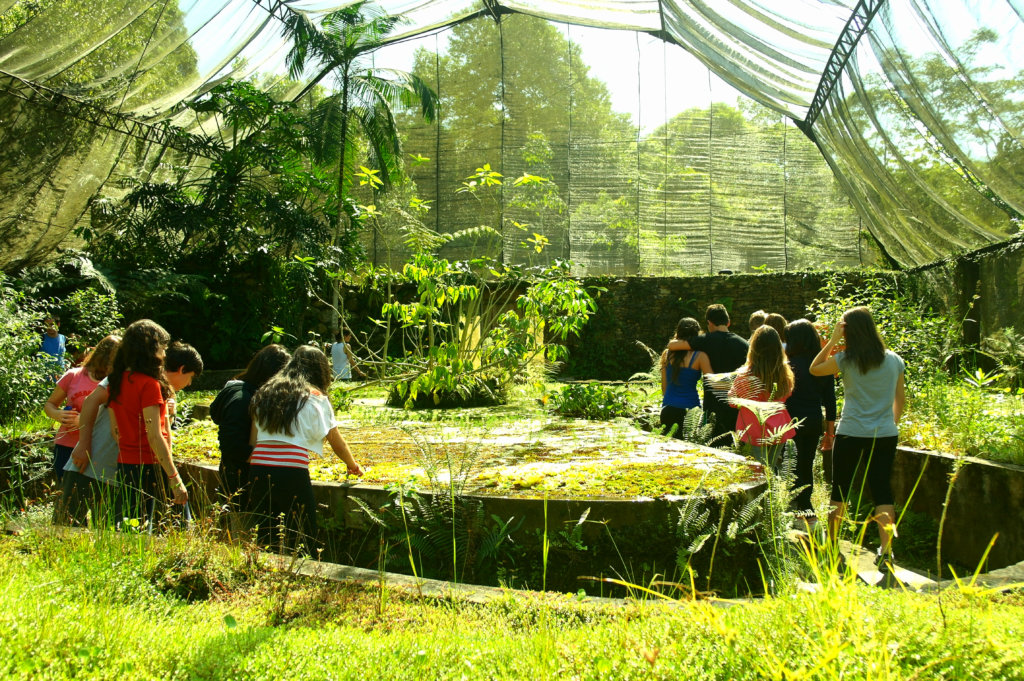
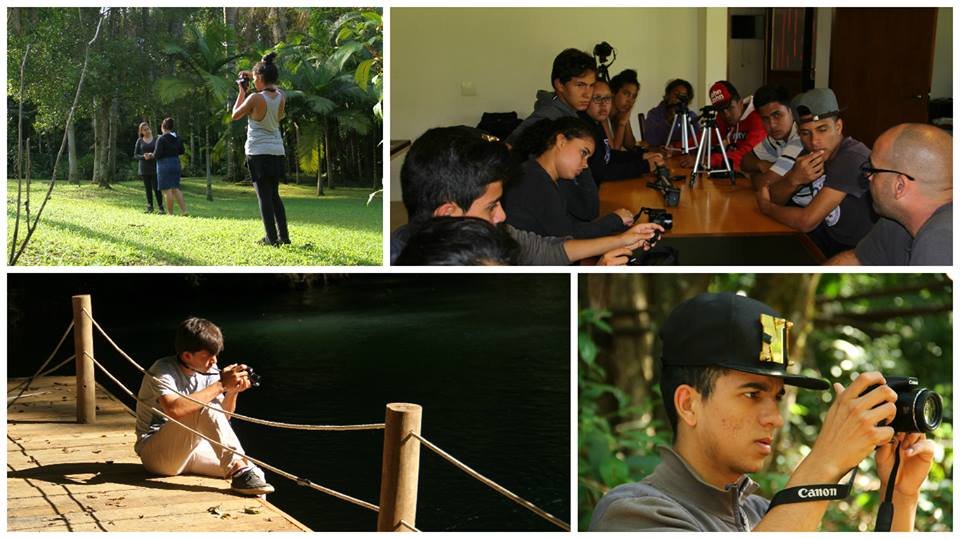
A primeira semana foi dedicada a ensinar os alunos um pouco sobre história da fotografia e funcionamento dos equipamentos Eles também aprenderam a trabalhar com a câmera considerando fatores como enquadramento, exposição, foco, perspectiva, movimento e outros fatores que contribuem para produzir imagens de alta qualidade. Estas atividades foram realizadas na Reserva Betary, onde IPBio está localizado, e puderam captar belas imagens. Além disso, aprenderam a editar e tratar suas imagens usando o Photoshop.
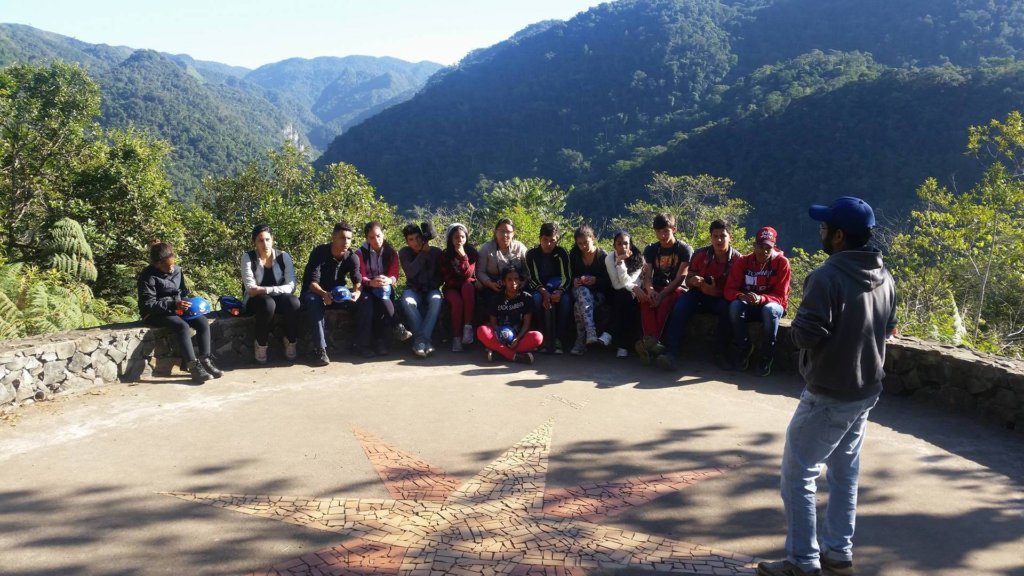
Após uma semana de aulas de fotografia os alunos do projeto “Jovens artistas da Biodiversidade” saíram a campo para colocar em prática a que aprenderam e para conhecer de perto as riquezas naturais e culturais de Iporanga.
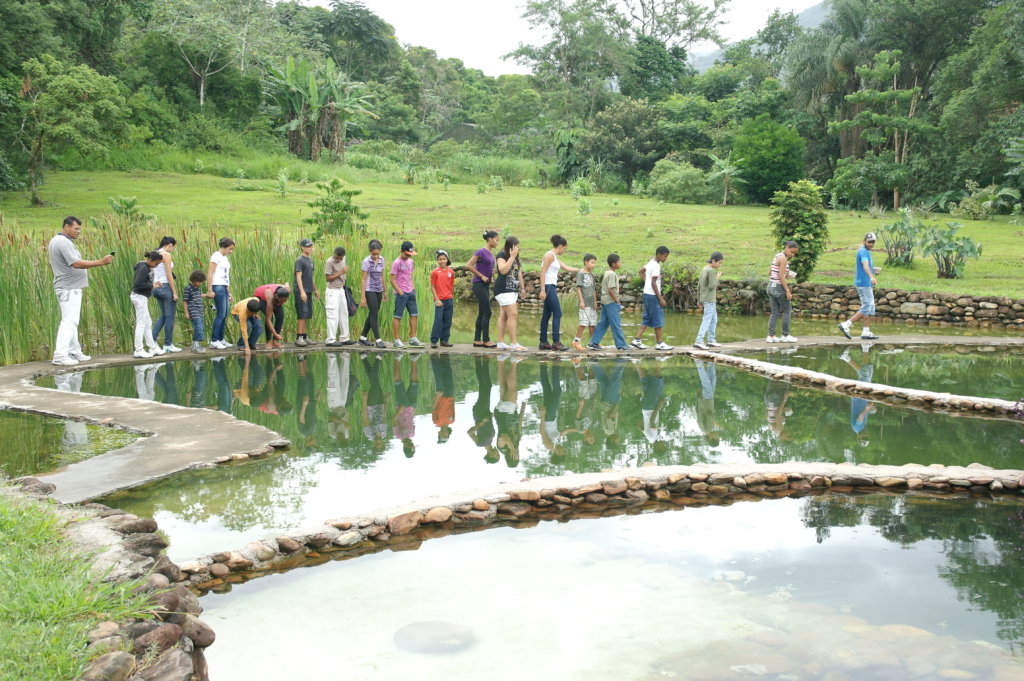
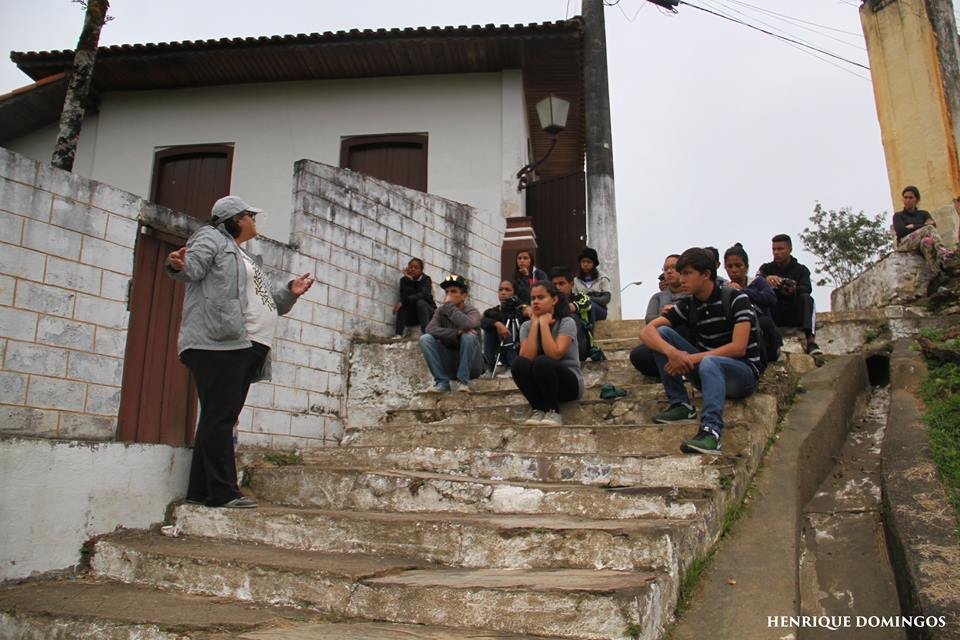
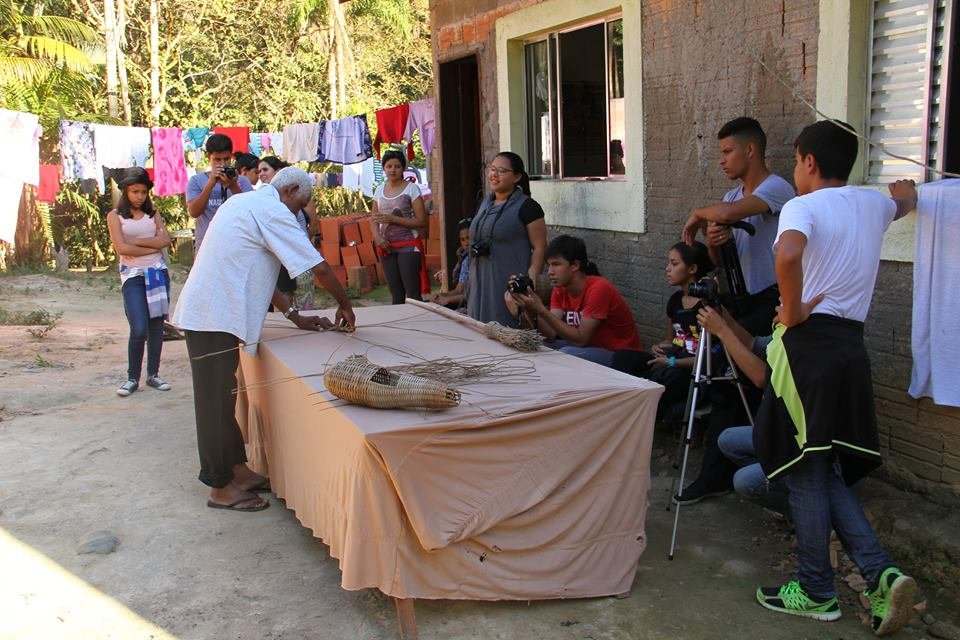
Visitaram o centro histórico e tiveram uma sobre história de Iporanga, com a historiadora Soraia Konesuk; Conheceram às Ruínas do Arraial de Santo Antônio- local onde a história de Iporanga começou com a extração do ouro; Aprenderam e registraram técnicas de artesanato com um professor mais do que especial, o artesão, Sr. Arabelo
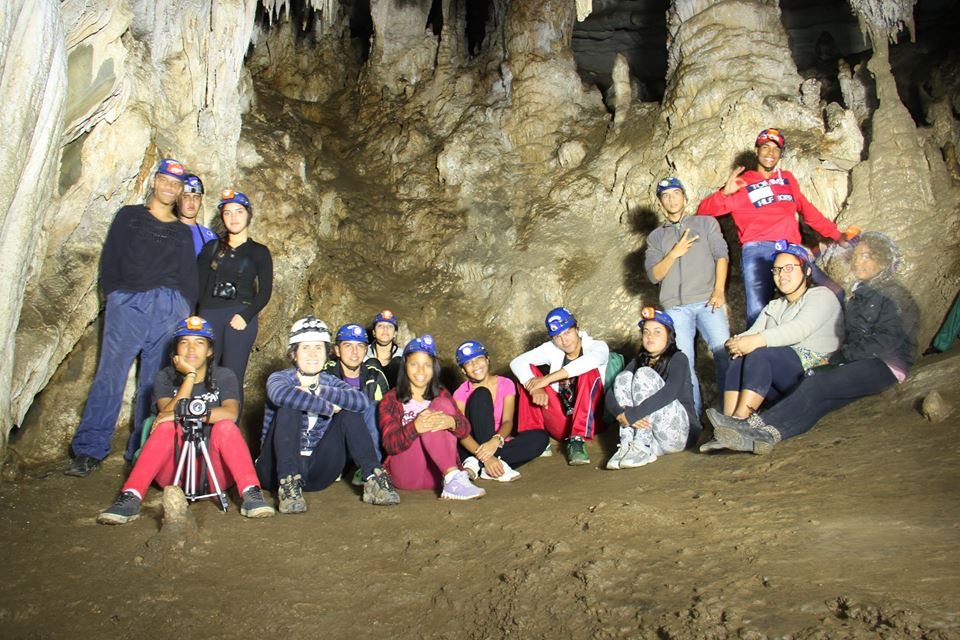
Visitaram o Petar (Parque estadual Turístico do Alto Ribeira) para aprender um pouco mais sobre unidades de conservação, treinar técnicas de fotografia em caverna e registrar as lindas paisagens de Iporanga.
Clique este link para ver as imagens produzidas pelos estudantes nos dias de campo: https://www.facebook.com/IPBiodiversidade/photos/?tab=album&album_id=1037922652957705
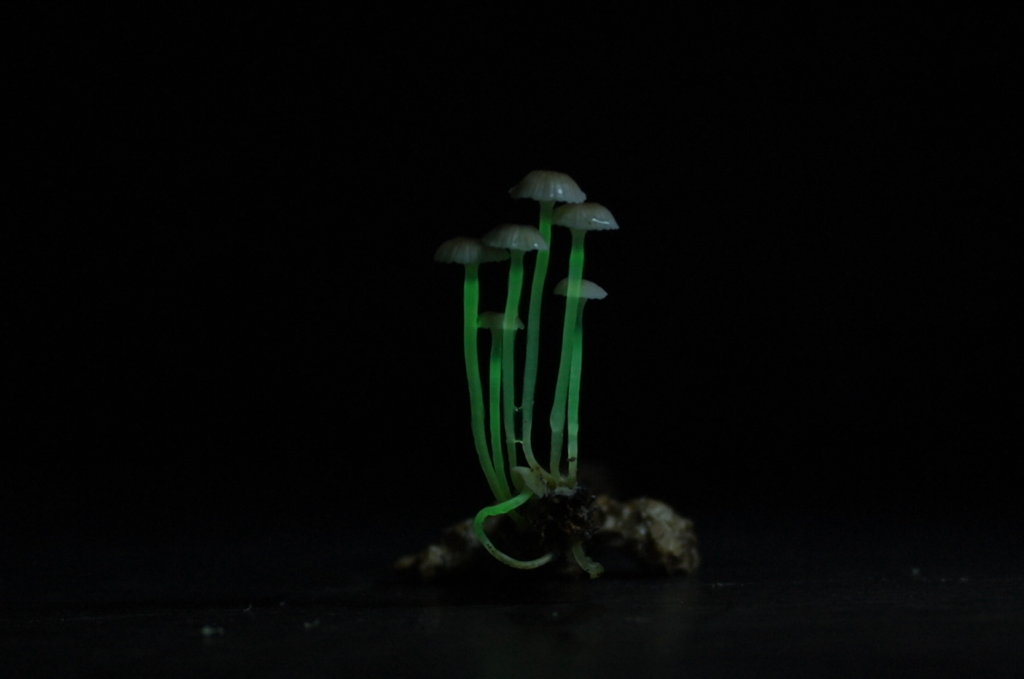
Tiveram aula sobre biodiversidade: sua importância; as ameaças que enfrenta; e práticas de conservação. Os estudantes dedicaram parte do tempo para captar imagens da fauna e da flora da Mata Atlântica
Os alunos ainda têm muito a aprender, ainda teremos mais uma semana de curso, mas queríamos manter nossos doadores informados com o que aconteceu até agora! Mais uma vez obrigada por apoiar IPBio e fazer este projeto se tornar realidade . Após o término do curso um documentário completo será enviado!
Young Biodiversity Artists got off to a great start. On Monday morning, the 4th of July, the local school bus, which was made available for the course by the municipal government, picked up the students and brought them to the Betary Reserve for the course introduction.
The first week was dedicated to teaching the students how to handle the camera considering factors such as framing, exposure, focus, perspective, movement and other factors that contribute to producing quality images. These activities took place on the Betary Reserve, where IPBio is located, which placed the students in prime location to produce images, while simultaneously learn, about nature and wildlife. In addition, they learned how to edit their images using Photoshop.
After a week of photography classes the "Youth Biodiversity Artists" left into field to put to practice what they have learned and to get to know the natural and cultural wonders of Iporanga.
The students visited the historic center of Iporanga where they received a lecture by local historian, Soraia Konesuk, about the period of colonization as well as the economic cycles such as the gold rush and rice era.That afternoon, they visited a Quilombo (runaway slave communities) called Bairro Ribeirão where they visited the ruins from the first settlement in Iporanga and learnt artisanal craft techniques.
The students visited the PETAR state park to learn about conservation units and cave formations. The students, equipped and well trained with their cameras, entered the state park taking photos of the natural wonders of our region. Photographing caves put their newly acquired skills to the test as many factors had to be considered simultaneously such as lighting, shutter time and perspective.
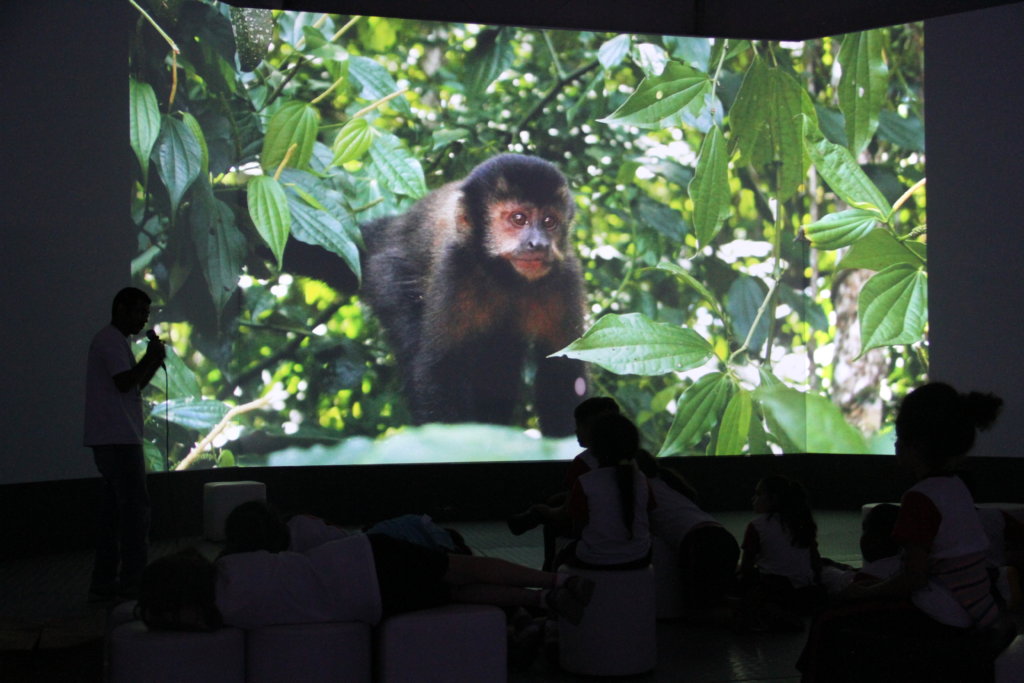
They also had a class on biodiversity: its importance; the threats it faces; and conservation practices. Moreover, they dedicated part of their time to take images of fauna and flora which tried to capture these themes.
Click this link to see the images produced by the students on their field trips: https://www.facebook.com/IPBiodiversidade/photos/?tab=album&album_id=1037922652957705
The students still have much to learn as we are only half way through the course but we wanted to keep our wonderful donors updated with what we have been up to! Once again, thanks you so much for supporting IPBio and making this course come to fruition. After the course is complete we will send a more in-depth report and a documentary of the whole course!
Links:
Project reports on GlobalGiving are posted directly to globalgiving.org by Project Leaders as they are completed, generally every 3-4 months. To protect the integrity of these documents, GlobalGiving does not alter them; therefore you may find some language or formatting issues.
If you donate to this project or have donated to this project, you can receive an email when this project posts a report. You can also subscribe for reports without donating.