WWF Turkiye

by WWF-Turkiye
WWF Turkiye
WWF Turkiye
WWF Turkiye
WWF Turkiye
WWF Turkiye
WWF Turkiye
WWF Turkiye
WWF Turkiye
WWF Turkiye
WWF Turkiye
WWF Turkiye
WWF Turkiye

Project Report | Sep 28, 2026
WWF-Turkiye GlobalGiving Project Report 2026

By Busra Yuksel | Project Leader

CELEBRATING THE 20th ANNIVERSARY OF OUR GREEN SEA TURTLE MONITORING AND CONSERVATION PROGRAM IN AKYATAN, ADANA


Introduction and Milestone

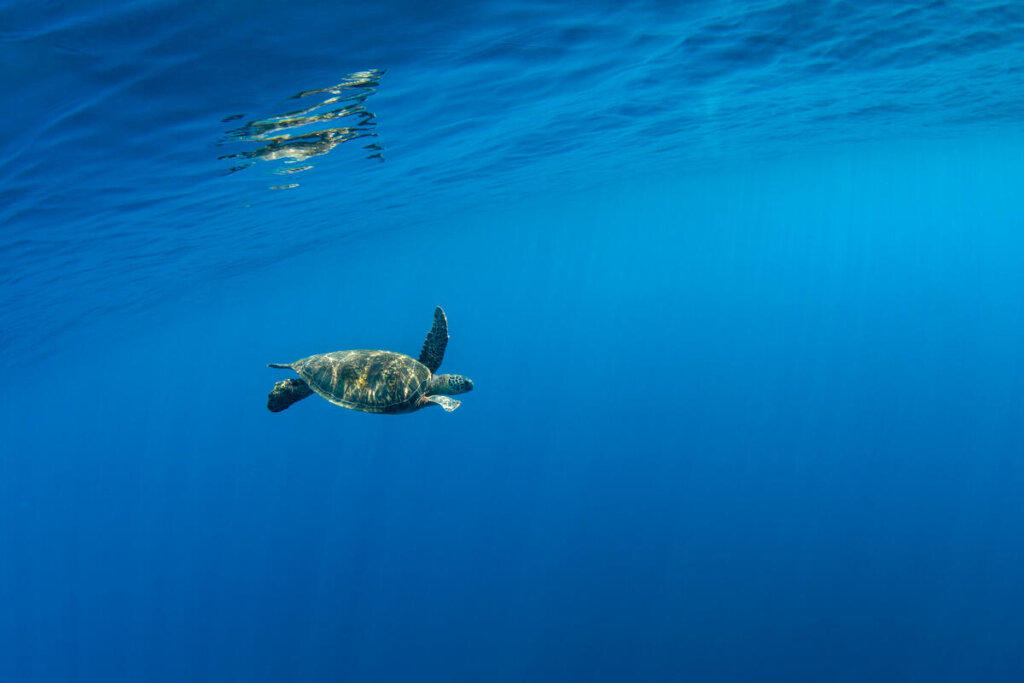
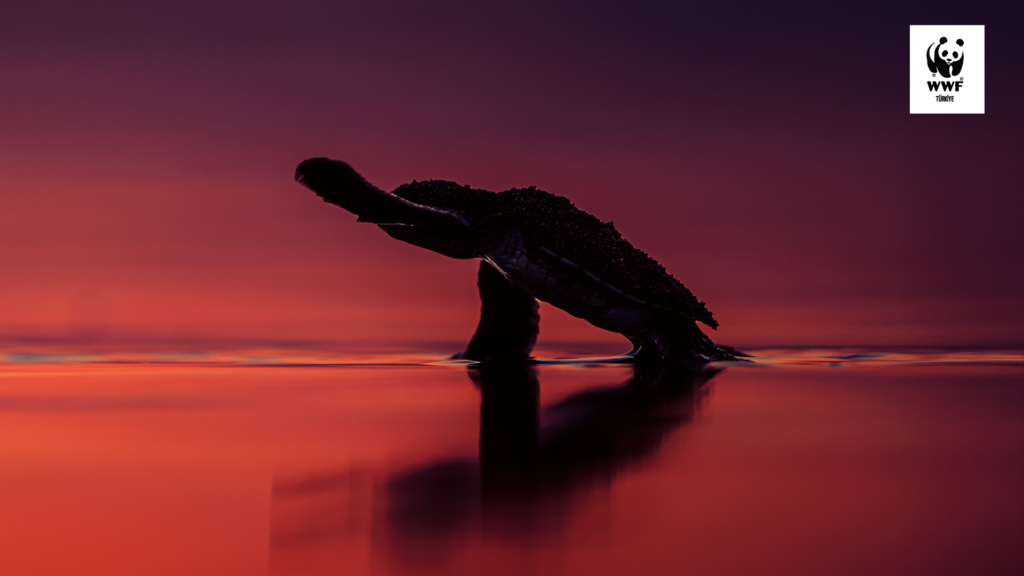
In collaboration with the 7th Regional Directorate of Nature Conservation and National Parks (DKMP), WWF-Türkiyeis celebrating the 20th anniversary of the Green Sea Turtle (Chelonia mydas) Monitoring and Conservation Program at Akyatan Beach, Adana. This beach is one of the most important nesting areas for this endangered species. This 20-year dedication is now crowned with second-generation mothers returning to nest.

THE WORLD'S OLDEST MARINERS: SEA TURTLES

  • They have been inhabiting the seas for approximately 110 million years.
  • Of the seven different species of sea turtles found in the world's oceans, two species nest in the Mediterranean Basin.
  • A symbol of longevity, productivity, and resilience, the green sea turtle (Chelonia mydas) and the loggerhead sea turtle (Caretta caretta), which spend most of their lives in intercontinental seas, come to the coasts of Türkiye to nest. Our country is among the most important nesting areas for these two species in the Mediterranean.
  • While the green sea turtle (Chelonia mydas) and the loggerhead sea turtle (Caretta caretta) lay their eggs on our shores every year between May and August, the leatherback sea turtle (Dermochelys coriacea) passes through our coastal waters, even though it does not nest in the Mediterranean.
  • For the loggerhead sea turtle, the most important nesting areas in the Mediterranean are Türkiye and Greece; for the green sea turtle, they are Türkiyeand Cyprus. More than 50% of green sea turtles lay their eggs on the coasts of Türkiye.
  • The coasts of Mersin, Adana, and Hatay are critically nesting beaches for green sea turtles.

As WWF-Türkiye (World Wide Fund for Nature), we are happy and proud to have been a part of this miraculous cycle in Akyatan, Adana for 20 years.


OUR SEA TURTLE CONSERVATION EFFORTS CROWNED WITH SECOND-GENERATION MOTHERS

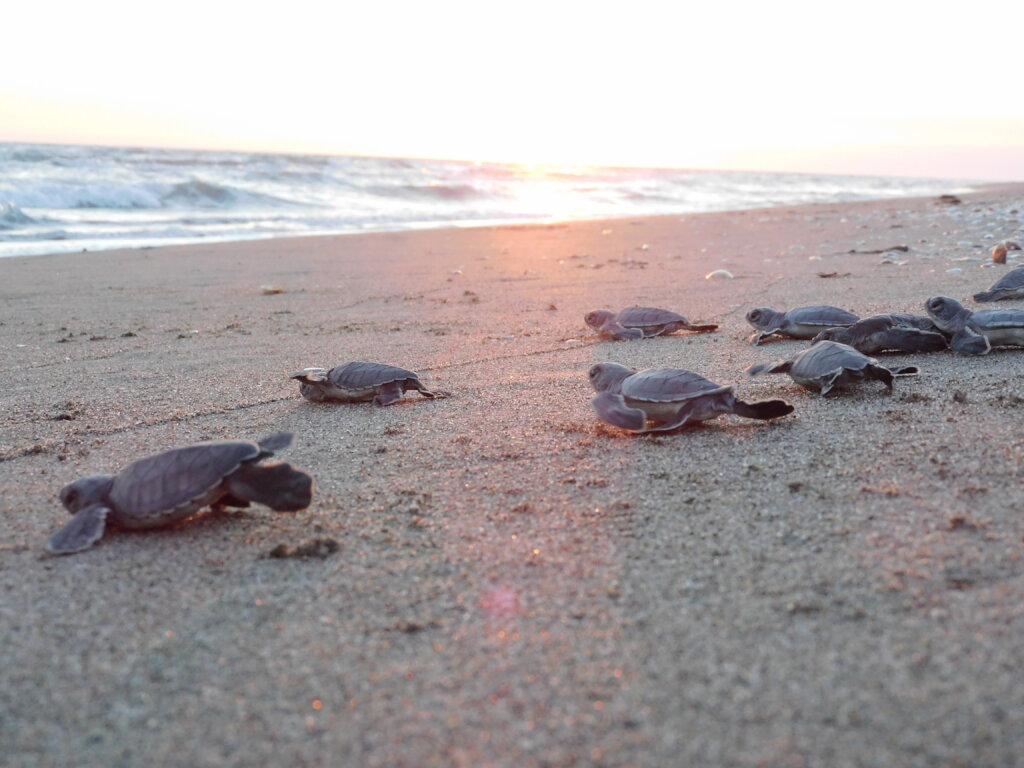
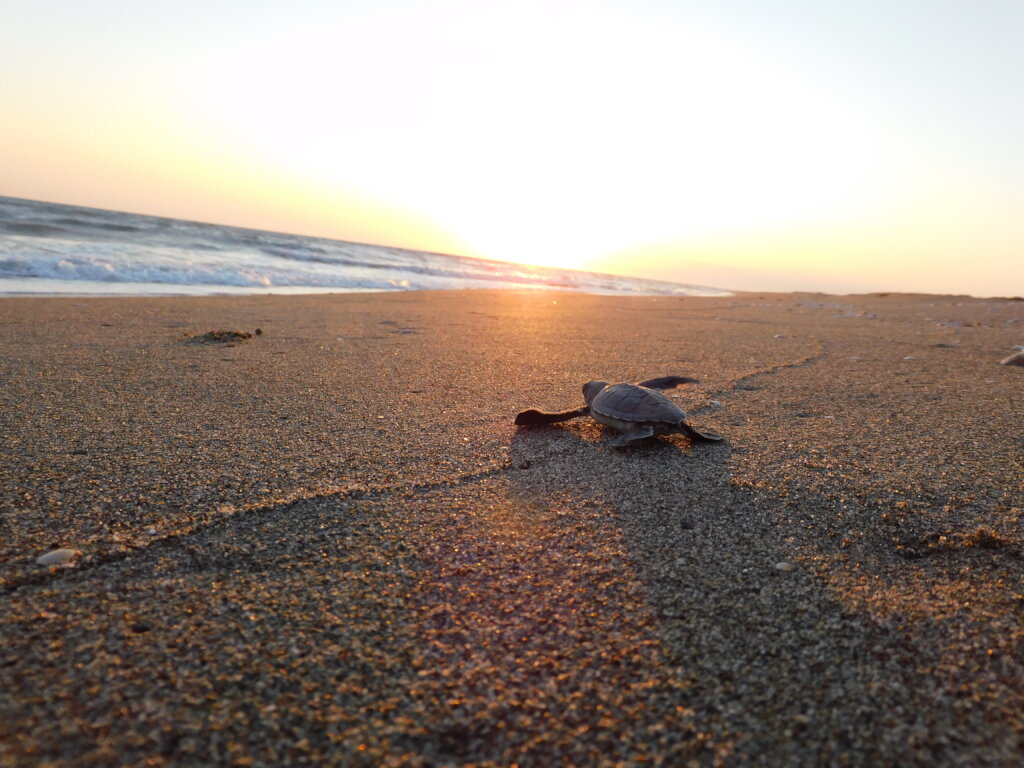
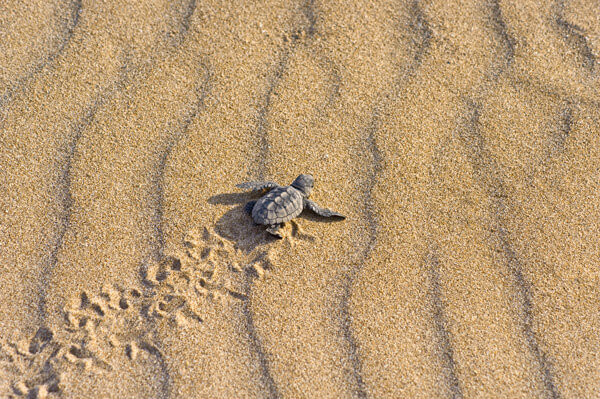
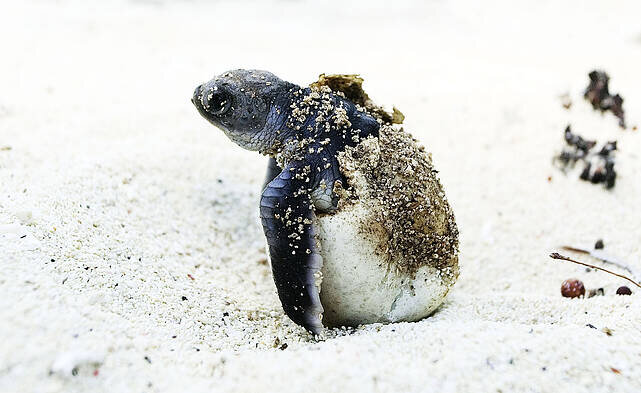
2025 marks the 20th anniversary of our monitoring, conservation, and awareness efforts carried out at Adana's Akyatan Beach—one of the crucial nesting areas for endangered green sea turtles—in collaboration with the 7th Regional Directorate of Nature Conservation and National Parks. Since 2006, through our continuous fieldwork conducted annually between June 1 and September 15 in the Akyatan Wildlife Development Area, we have been ensuring that thousands of hatchlings safely reach the sea.

Female green sea turtles come ashore at night during June and July to lay their eggs. They return to this beach, where they once opened their eyes to the world, approximately 15 to 20 years later to continue their life cycle.

The efforts we have sustained with the DKMP 7th Regional Directorate in the Akyatan Wildlife Development Area since 2006 have become one of Türkiye’s longest-running sea turtle conservation programs and are today crowned with second-generation mothers. This collaboration also stands as one of the most valuable examples of public and civil society partnership.

TANGIBLE RESULTS OF OUR CONSERVATION EFFORTS

  • A significant increase in green sea turtle (Chelonia mydas) nesting activity has been observed across the Mediterranean, particularly in recent years. This positive trend runs parallel to the recovery of the species' population and has been directly reflected in its international conservation status.
  • At the end of 2023, the IUCN (International Union for Conservation of Nature) released its updated assessment results for the Mediterranean subpopulation of the green sea turtle. According to this assessment, the status of the species was upgraded from "Critically Endangered (CR)" to "Near Threatened (NT)". This reclassification serves as scientific validation for the systematic conservation efforts sustained over decades.
  • The conservation mobilization initiated in Akyatan—in collaboration with the 7th Regional Directorate ofDKMP—has officially crossed a historic threshold as the second generation of nesting females returns to the site. The return of hatchlings, which once made their way to the sea from protected nests, back to the very same beach as mothers years later, tangibly demonstrates the transformative power of science, patience, and institutional commitment.

As WWF-Türkiye, we have been safeguarding this unique life cycle for 20 years through a philosophy rooted in science, collaboration, and sustainable conservation. We cordially invite your institution to become a partner in this deep-seated success and contribute to the vital conservation efforts in Akyatan. Join us in safeguarding this miraculous journey. Your support ensures that the next generation of hatchlings will always have a safe beach to call home.


Attachments: Share on Twitter Share on Facebook

About Project Reports

Project reports on GlobalGiving are posted directly to globalgiving.org by Project Leaders as they are completed, generally every 3-4 months. To protect the integrity of these documents, GlobalGiving does not alter them; therefore you may find some language or formatting issues.

If you donate to this project or have donated to this project, you can receive an email when this project posts a report. You can also subscribe for reports without donating.

Sign up for updates

Organization Information

WWF-Turkiye

Location: Istanbul - Turkey
Website:
Facebook: Facebook Page
X / Twitter: Profile
Project Leader:
Büşra Yüksel
Istanbul , Istanbul Turkey

Learn more about GlobalGiving

Teenage Science Students
Vetting +
Due Diligence

Snorkeler
Our
Impact

Woman Holding a Gift Card
Give
Gift Cards

Young Girl with a Bicycle
GlobalGiving
Guarantee

Get incredible stories, promotions, and matching offers in your inbox

WARNING: Javascript is currently disabled or is not available in your browser. GlobalGiving makes extensive use of Javascript and will not function properly with Javascript disabled. Please enable Javascript and refresh this page.