![]()
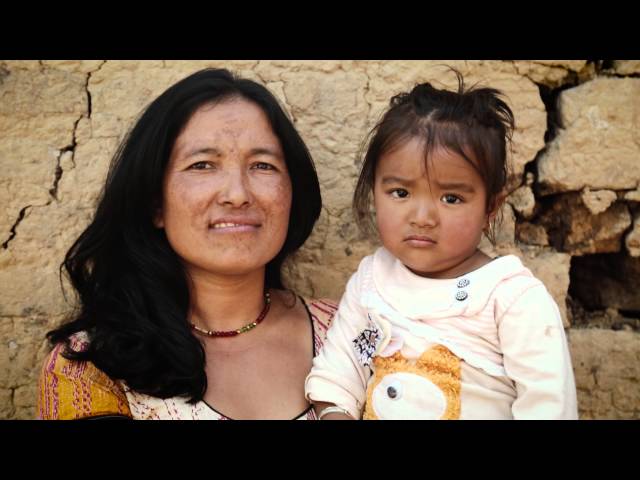
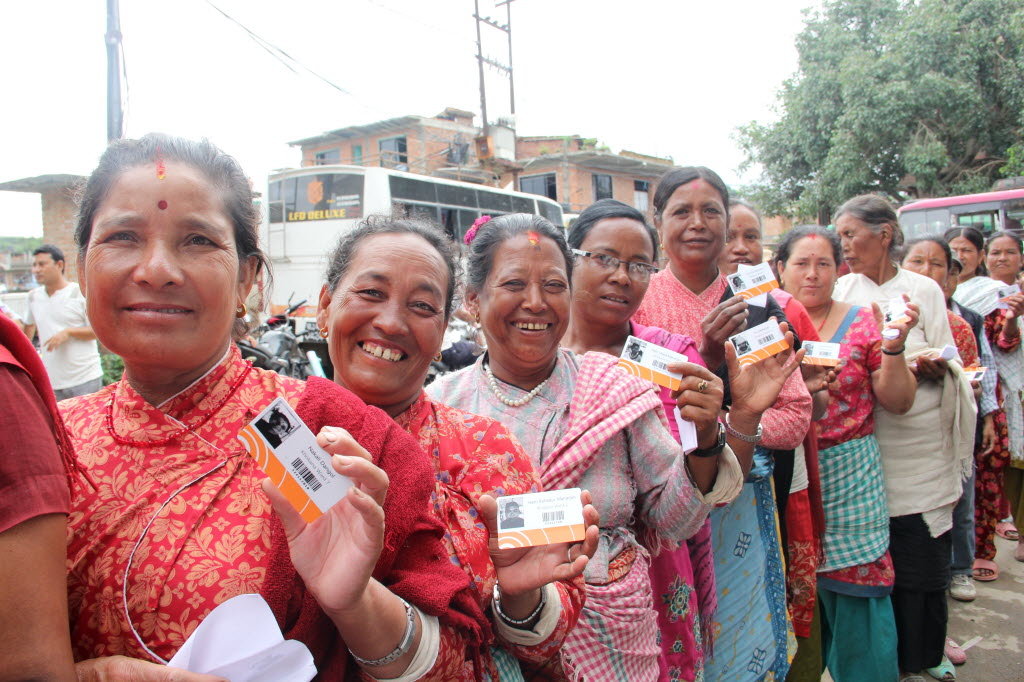
On April 25, 2015 a 7.8 magnitude earthquake struck some of the most vulnerable communities in Nepal followed by a strong 7.3 aftershock on May 12. These two earthquakes caused 7 billion USD worth of devastation, leaving around 9,000 people dead and hundreds of thousands displaced.
World Vision has reached 386,984 people with emergency relief, focusing on the urgent needs of the most vulnerable including women, children and minority groups.
From emergency to recovery phase, World Vision supports the urgent needs of earthquake-affected families providing life-saving food and emergency essentials and providing long term support in the areas of shelter, water sanitation and hygiene (WASH), food security, livelihood and cash programming, child protection and education.
WV-NER continues to integrate gender and social inclusion, disaster risk reduction and build back safer initiatives in its programs to strengthen community resilience and further help communities rebuild and thrive with more opportunities in the future.
Challenges of the response include: monsoon weather, fuel shortages and logistical difficulties due to rough terrain. World Vision closely coordinates with humanitarian, government and community partners building local capacities and community participation as living conditions and access to basic services continue to improve.
Moving forward we will be implementing more programmes to address the recovery and rehabilitation needs of earthquake-affected families - restoring livelihoods of vulnerable families and communities, repairing and reconstructing schools, health posts and WASH facilities to benefit the most vulnerable sectors in Nepal’s worst-hit districts.
World Vision’s Response - Quick Facts:
- Over the past 12 months at least 386,984 individuals including 171,860 children have been reached across 161 Village Development Committees and 5 municipalities in 10 districts.
- Food-security, livelihood and cash-for-work initiatives benefited more than 165,000 people, including more than 8,000 people, who received emergency food kits within the first one hundred days of the response.
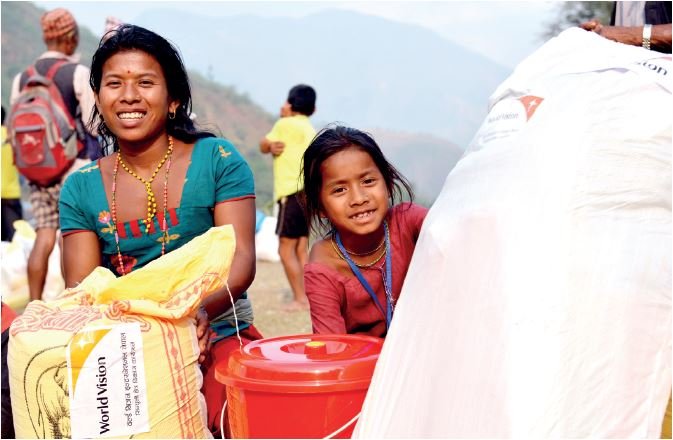
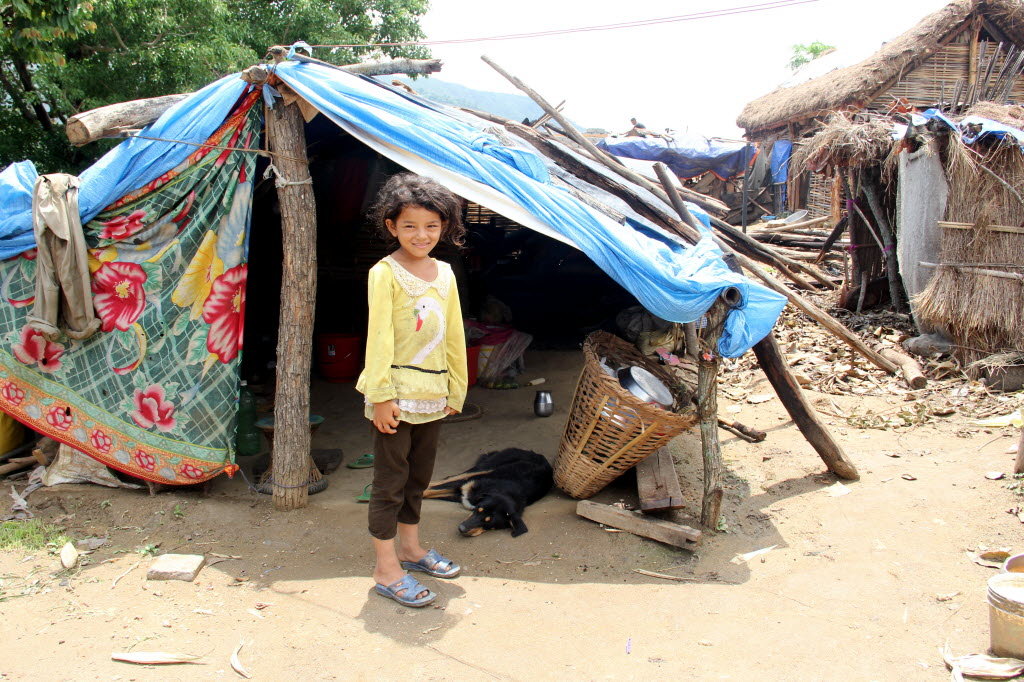
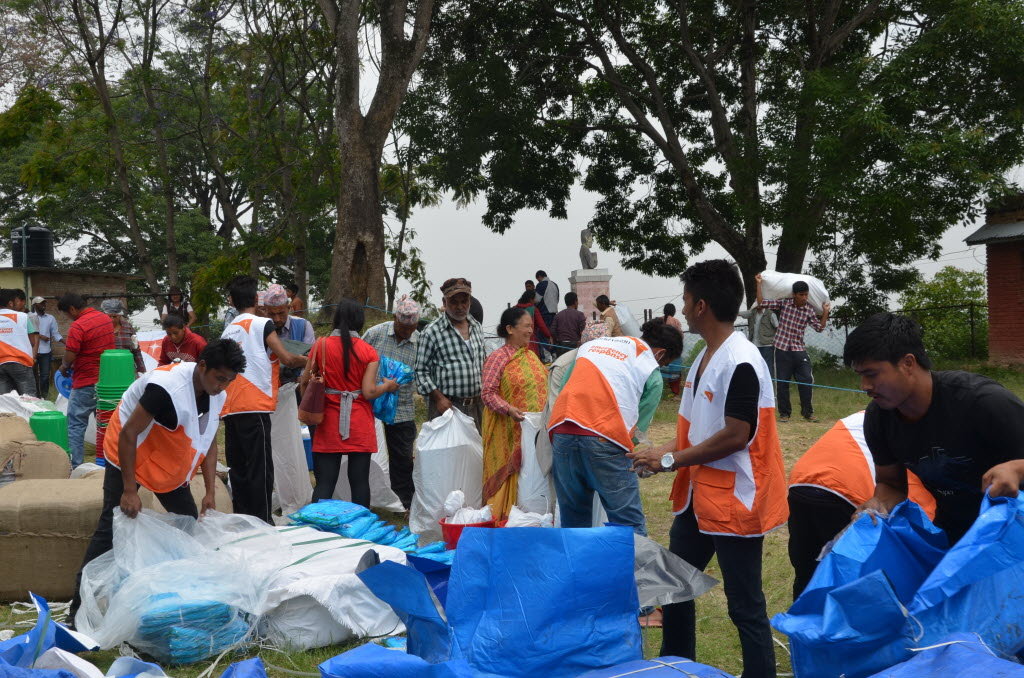
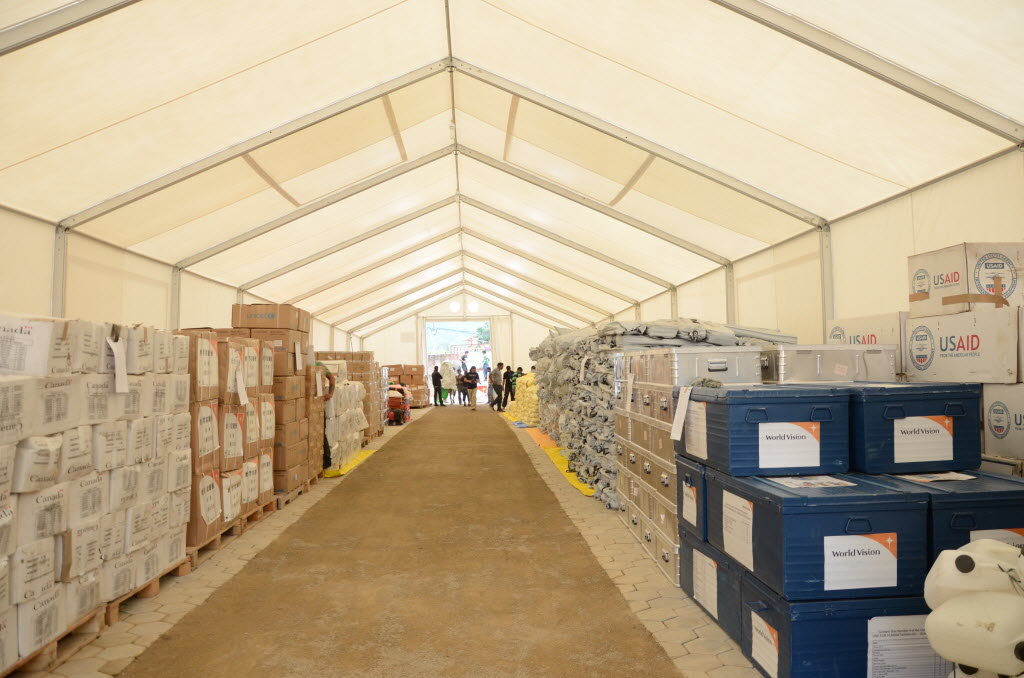
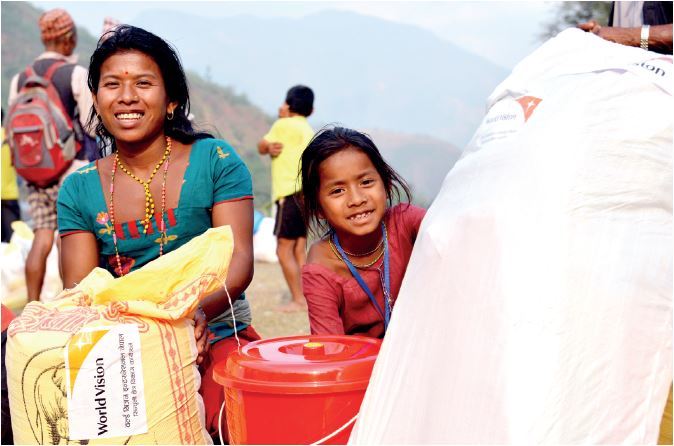
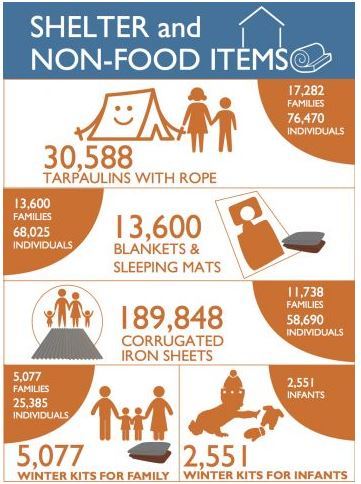
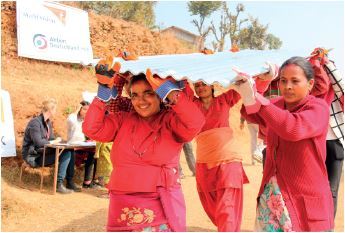
- Up to 20,789 earthquake-affected families were given shelter and non-food items including tarpaulins with rope, iron roofing sheets, shelter toolkits, blankets and sleeping mats.
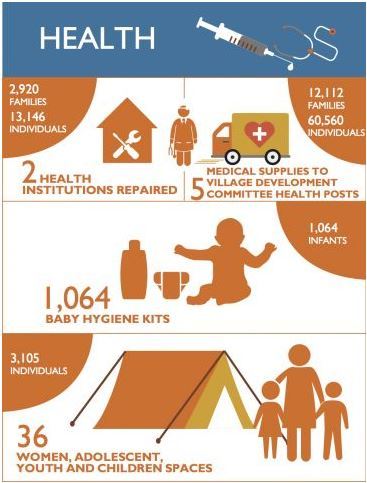
- Health in emergency interventions reached 72,730 people who benefitted from repairs of health facilities, provision of medical supplies and equipment, clean delivery kits, baby hygiene kits, family and infant winter kits, set-up of women and young children spaces and health education for mothers and health volunteers.
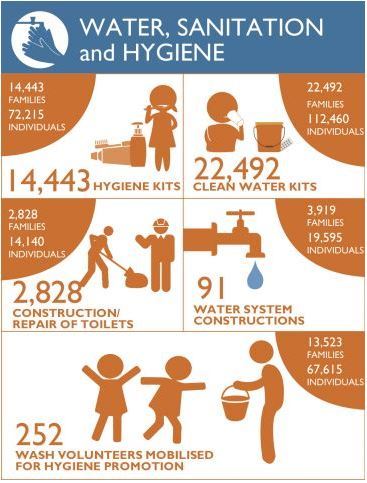
- Water, sanitation and hygiene interventions served 118,420 people providing thousands of families access to clean water. Hygiene kits, mosquito nets, toilet and water system repairs and construction helped to improve sanitation and hygiene practices in affected communities.
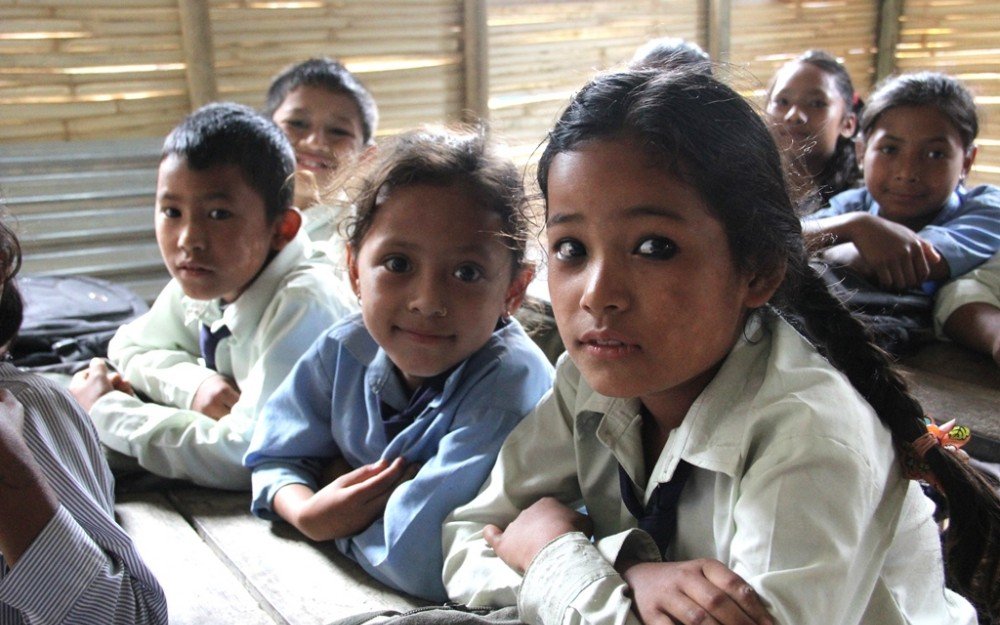
- For children in emergencies, 9,534 children benefitted from education interventions while 4,927 were provided with psychosocial support enhancing child protection. Construction of 54 temporary learning spaces with water facilities, hand-washing areas and toilets currently serves 8,214 children while ongoing school repairs and rehabilitation of classrooms and facilities will further help more than 1,500 school children.
- Thousands of children were also encouraged to stay in school by providing them with school kits and learning materials.
- Hundreds of teachers, volunteers and school management committee members were also trained to provide psychosocial support and uphold children’s rights and well-being.
Shelter and Non-Food Items
- Displaced families are exposed to difficult living conditions and are more vulnerable to extreme weather. Emergency shelter kits, shelter toolkits and household implements were distributed in the hardest-hit areas, while winter kits and other essential supplies were provided to keep children and families safe and warm to withstand the harsh cold months.
- Ongoing repairs and rehabilitation of schools, health centers, meeting areas, markets and water systems are done by locally trained masons, builders and home owners, facilitated through community-based projects that uphold build back safer approaches – empowering communities towards self-skilled recovery.
Health
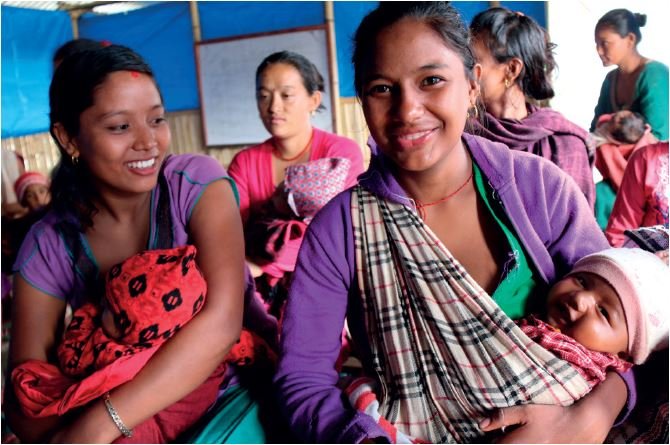
- Improving health and nutrition outcomes and restoring primary health care services remains an urgent need especially with pregnant women and nursing mothers needing nutrition support to help counter mother and child malnutrition.
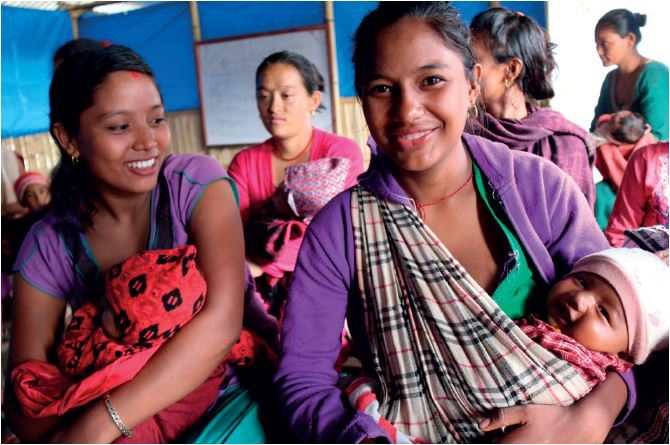
- 36 Women, Adolescent, Youth and Child Spaces (WAYCS) have been established as a haven for psychosocial support and health promotion for more than 3,100 people.
- Moreover, 28,000 people were reached by community counselling sessions. This included pregnant women and their families learning about maternal nutrition,child health and proper hygiene. Pregnant and new mothers use clean delivery kits and baby kits to care for their infants.
- During cold months, 2,551 infant winter kits and 5,077 family winter kits were also provided to care for the vulnerable in the face of extreme weather.
- Ongoing repair of health facilities, health trainings for volunteers and community members, and continuous awareness raising on health and nutrition for children and women including safe delivery, postnatal care and reproductive health.
Water, sanitation and hygiene (WASH)
- Accessing clean water and preventing water-borne diseases are major concerns for children and families. More than 20,000 people now have improved hygiene and sanitation conditions with clean water from 91 water systems repaired and constructed by World Vision. More than 2,800 toilets are serving more than 14,000 people. Hygiene promotion messages helped raise awareness, reaching more than 67,000 people. These integrated efforts are implemented under the Community-led Total Sanitation approach (CLTS).
- Improved water access also translates to decreased burden for women and girls who manage household water supply – less hours consumed by them fetching and storing water efficiently, while toilet repairs give women and girls more privacy.
- Thousands of distributed hygiene and clean water kits, together with community volunteer trainings, raised awareness and improved hygiene and sanitation practices for earthquake-affected families. World Vision will continue to restore damaged water systems, repair and construct toilets while conducting positive hygiene promotion to further improve health and well-being of families and communities in the worst-affected areas where we serve.
Livelihood and Food Security
- In the aftermath of the earthquake, World Viison provided food packs to meet the pressing needs of more than 1,600 families. As markets improved, cash transfers helped support the basic needs of more than 18,000 families.
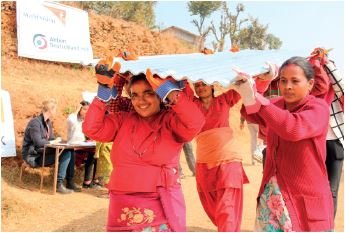
- To help address livelihood needs, World Vision in partnership with the Village Development Committees started to roll-out cash-for-work initiatives. Beneficiaries did great work during clean-up drives, clearing debris and repairing community assets – restoring safe public spaces for children and families while developing a conducive environment for livelihoods to thrive once again.
- Our work continues to focus on families’ ability to bounce back – improving household income and access to resources to fulfill basic needs. Small-scale famers can have their livelihoods options increased through rehabilitated irrigation systems, seeds and livestock, while also building their economic resilience and capacity through vocational trainings and savings group.
Education and Child Protection
- 1.5 million earthquake-affected children need to regain a sense of normalcy in their altered surroundings. They should have an environment conducive to learning and playing. This is integral to children’s growth as they develop a sense of belonging within their families, amongst peers and in their communities.
- Child-friendly spaces immediately addressed children’s need for psychosocial support after the earthquake. World Vision has built 54 temporary learning centers with clean water, sanitation and hygiene (WASH) facilities for more than 8,200 children. These now serve as safe spaces for children to resume schooling. This also serves as a way for children to give feedback on their needs and how they are impacted by the humanitarian response while referral systems are in place to further strengthen child protection reaching around 5,000 children in the worst-hit communities.
- Provision of teaching aids, learning materials, hygiene kits, student kits and bags and cash assistance all contribute to keep more than 9,500 children in schools where they can be more protected and cared for. Teachers, volunteers and village committee members are also trained to provide psychosocial support -- upholding child protection, rights and well-being.
- Build back safer approaches provide the foundation of rehabilitating schools and similar learning facilities. World Vision wants to strengthen school disaster risk reduction programs that integrate resilience education in school curriculums to help promote the culture of safety and preparedness among Nepalese youth.
Last Updated: 14 April 2016
![]()
![]() Attachments:
Attachments:
![Share on Twitter]()
![Share on Facebook]()