By Bernadette Martin | Project Manager
Background
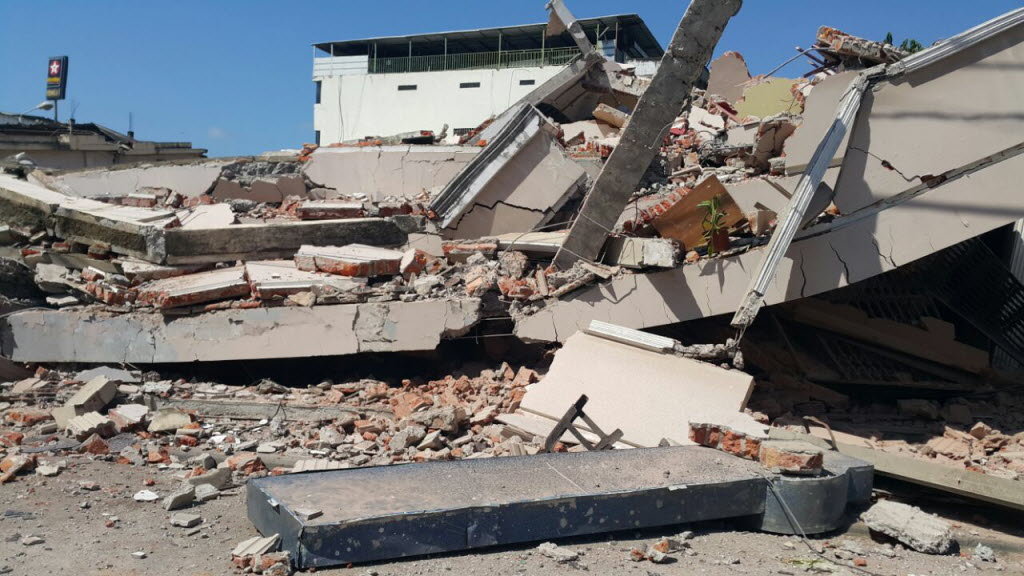
An earthquake of 7.8 magnitude on the Richter scale hit Ecuador’s coastal region on April 16th, 2016, at 6:58 PM local time. The earthquake caused significant damage in six provinces, including Manabí, Esmeraldas, Santa Elena, Guayas, Santo Domingo, and Los Ríos. Manabí was the most affected province, with 40% of its population affected by the earthquake. According to initial evaluations by the UN, more than 720,000 people were in need of humanitarian assistance across the country.
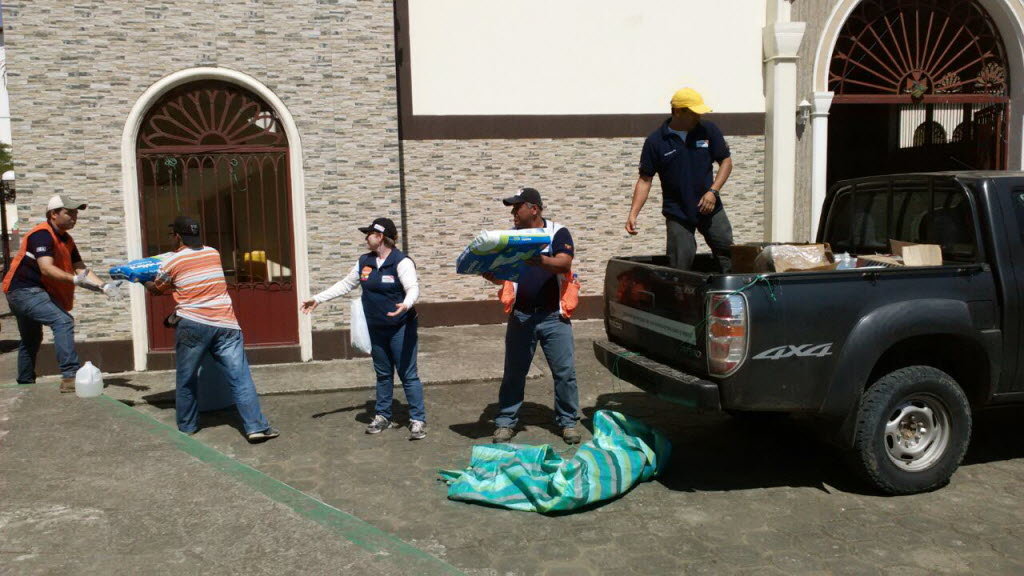
On April 17th, the day following the earthquake, World Vision began responding to the disaster and established emergency coordination mechanisms with local government authorities. Our existing relationships with local emergency management, as well as our long-term, established presence in the affected cantons, enabled us to respond efficiently and effectively. As a result, we were able to deliver life-saving assistance in the first days and weeks after the earthquake.
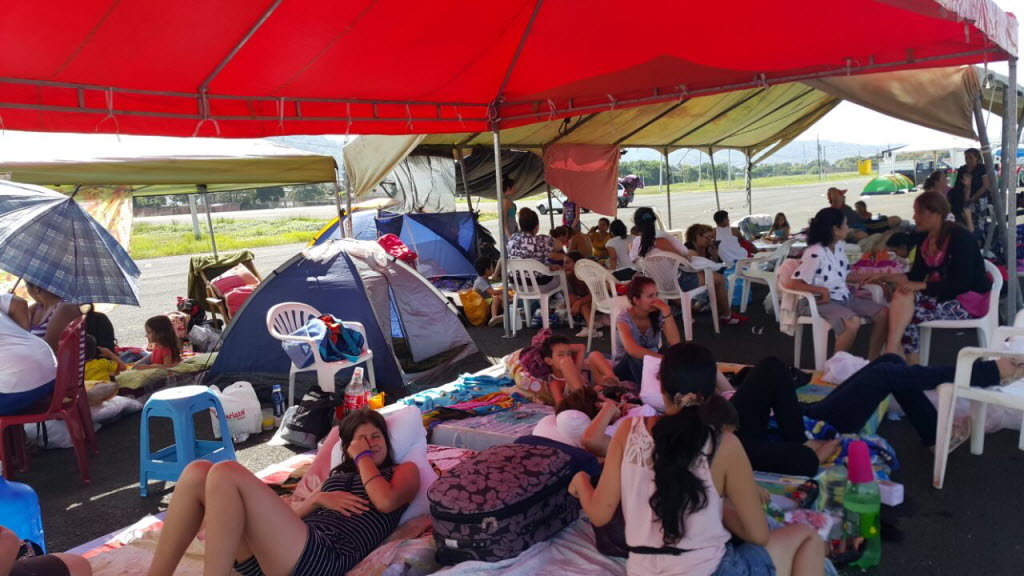
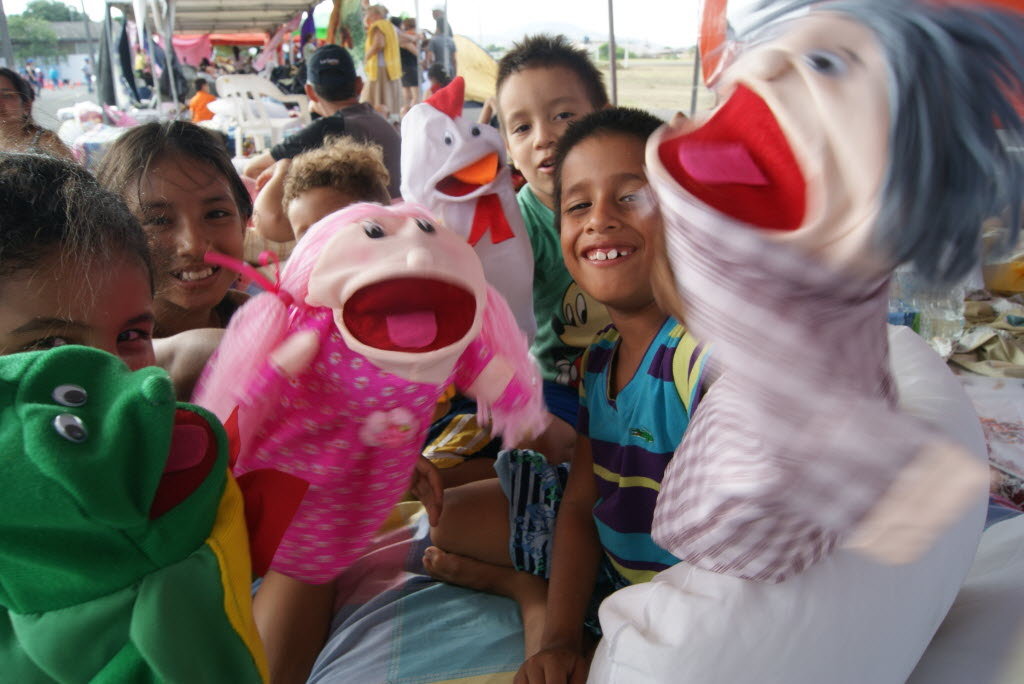
World Vision’s response strategy focused on meeting basic needs of the affected population, prioritizing shelter, WASH, and distribution of NFI (non-food items). We also ensured the provision of psychosocial support and protection for children affected by the earthquake. Water supply infrastructure in particular was highly impacted by the earthquake, and many schools lost access to clean and safe water sources as a result. The cantons of Pichincha, Portoviejo, Santa Ana, Campozano, and Flavio Alfaro in particular had many educational centers that lacked access to clean and safe drinking water following the earthquake.
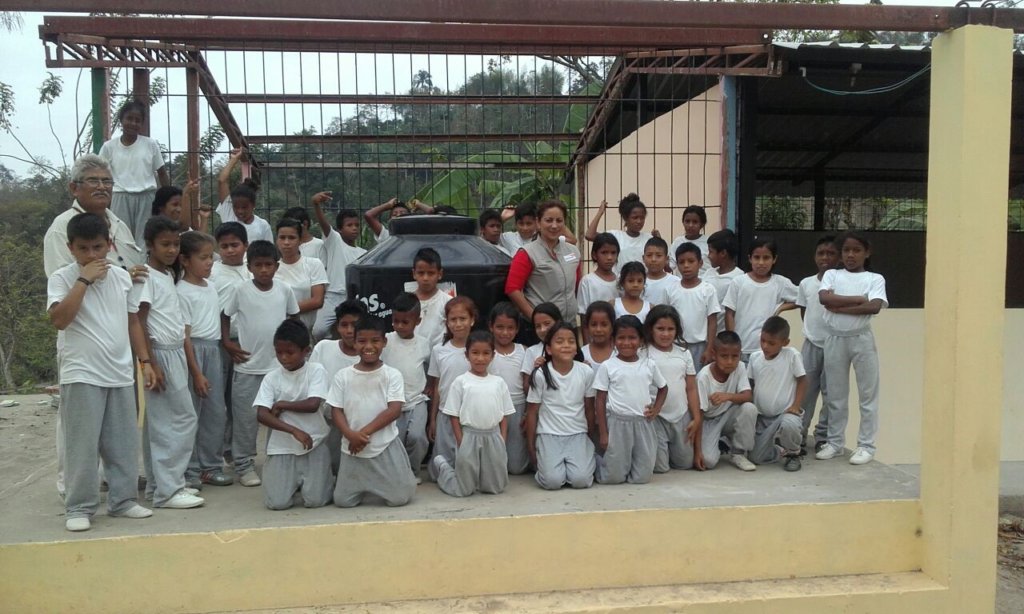
With the support of GlobalGiving Foundation, World Vision was able to provide access to safe water for 50 educational centers in five cantons affected by the earthquake in Manabí province: Pichincha, Portoviejo, Santa Ana, Campozano, and Flavio Alfaro.
Project Activities:
1. Provide water tanks and filters to 50 educational centers
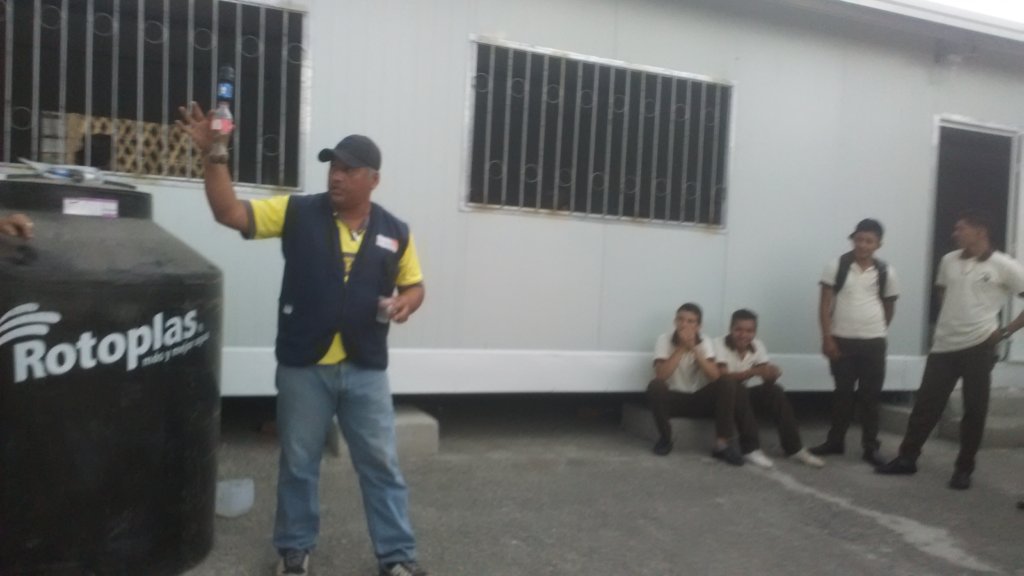
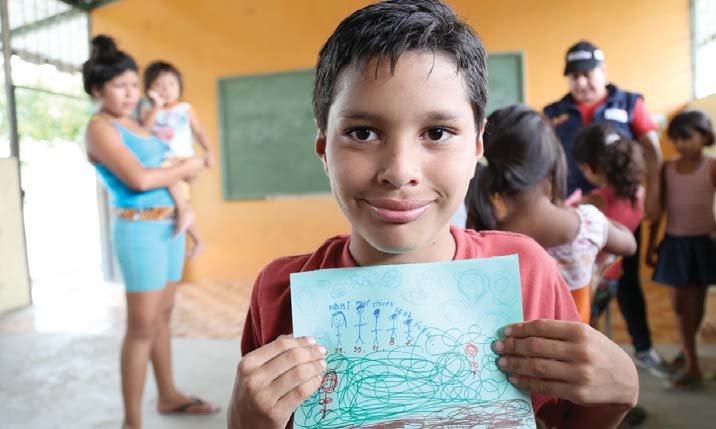
2. Train children and school personnel on the importance of consuming purified water.
3. Train educational center staff on the use and maintenance of tanks and filters.
World Vision is a member of the Humanitarian Country Team and maintains an MOU with the National Secretary of Disaster Management, as well as the Technical Secretary for International Cooperation, which oversees international NGO operations in Ecuador. We have also coordinated very closely with COE (the local emergency operations committees) and OCHA, both at the national and local level.
This project in particular involved significant coordination with the Ministry of Public Health, in order to facilitate campaigns on clean water awareness in the educational centers.
Wendy's story
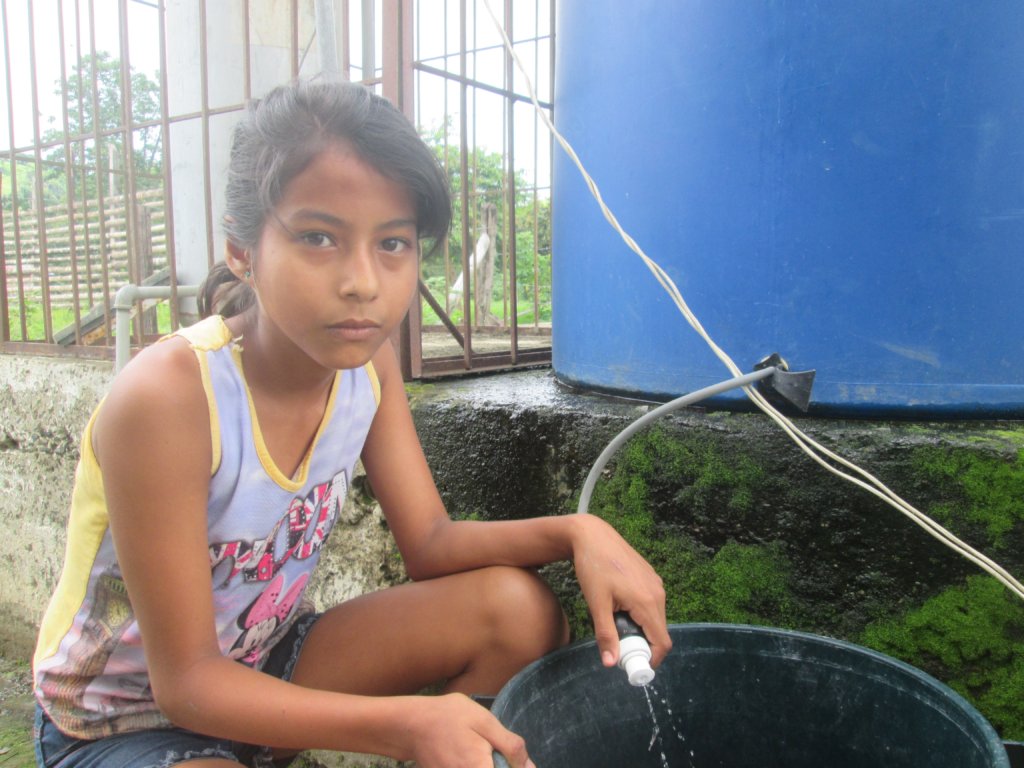
Wendy is twelve years old and lives with her parents and four brothers in a small, remote community in the Santa Ana canton of Manabí province. Livelihoods in the community primarily come from agriculture and livestock.
In this small community, people sometimes rely on the river or wells for drinking water. Unfortunately, this can cause people in the community, especially children, to fall ill.
Wendy told us, “At school, I have realized that many of my friends get sick a lot. They often do not come to class, or sometimes in the classroom they come down with stomach aches. The teacher has to call their parents so that they can come and take them to the doctor. My mom and teachers say it is because of the water. This has happened to me too.”
After the earthquake of April 16th, 2016, the situation got worse. The availability of purified water in local shops significantly decreased, and the river became even more contaminated due to landslides and mud as a result of the earthquake and the many aftershocks. Heavy rain and flooding also made the water even more dirty, so families struggled even more to access clean water.
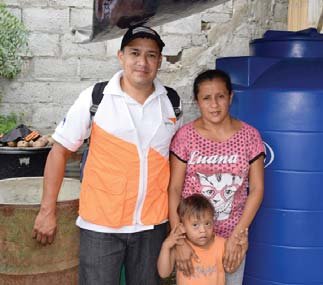
Therefore, potable, purified water became an urgent priority for these remote communities. World Vision, through support from GlobalGiving, was able to provide water tanks (1100 L capacity) and water purifiers in schools in communities like Wendy’s.
The benefits provided by the tanks and filters were numerous. Wendy, who now has a tank and filters in her school, says, “We now have delicious water from these tanks, and we can take it directly out without having to boil it or do anything to it. What I like most is that, since it’s very hot and the sun is very strong, my friends and I can run to drink straight out of the tank and the water is so fresh!”
Wendy, who sat with her teacher as she told us her story, says good-bye with a big smile on her face. Her teacher also expresses her gratitude for the project.
By Bernadette Martin | Project Manager
By Bernadette Martin | Project Manager
Project reports on GlobalGiving are posted directly to globalgiving.org by Project Leaders as they are completed, generally every 3-4 months. To protect the integrity of these documents, GlobalGiving does not alter them; therefore you may find some language or formatting issues.
If you donate to this project or have donated to this project, you can receive an email when this project posts a report. You can also subscribe for reports without donating.