By Jack Hanington | Project helper, fundraiser
1 Diciembre- Second Workshop
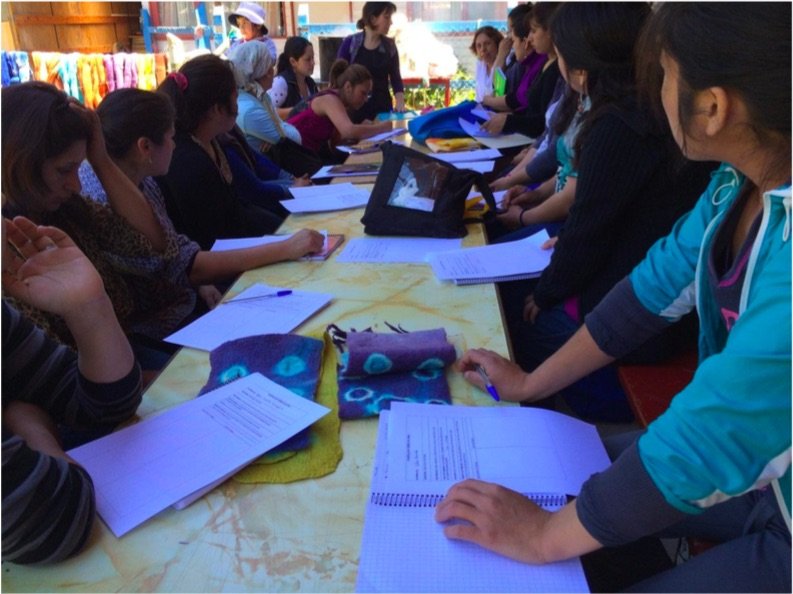
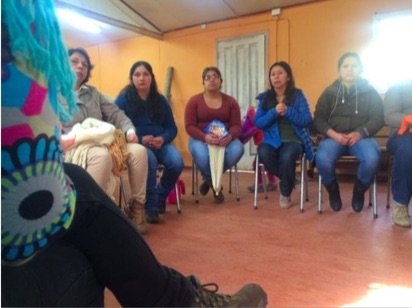
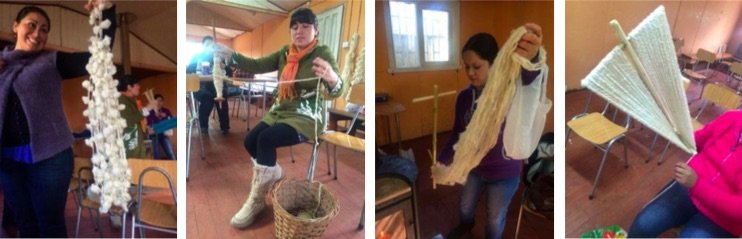
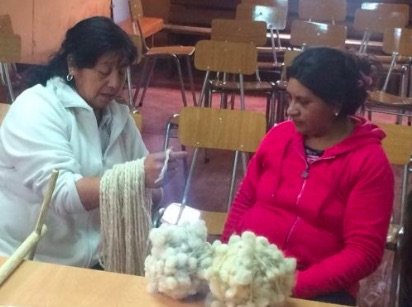
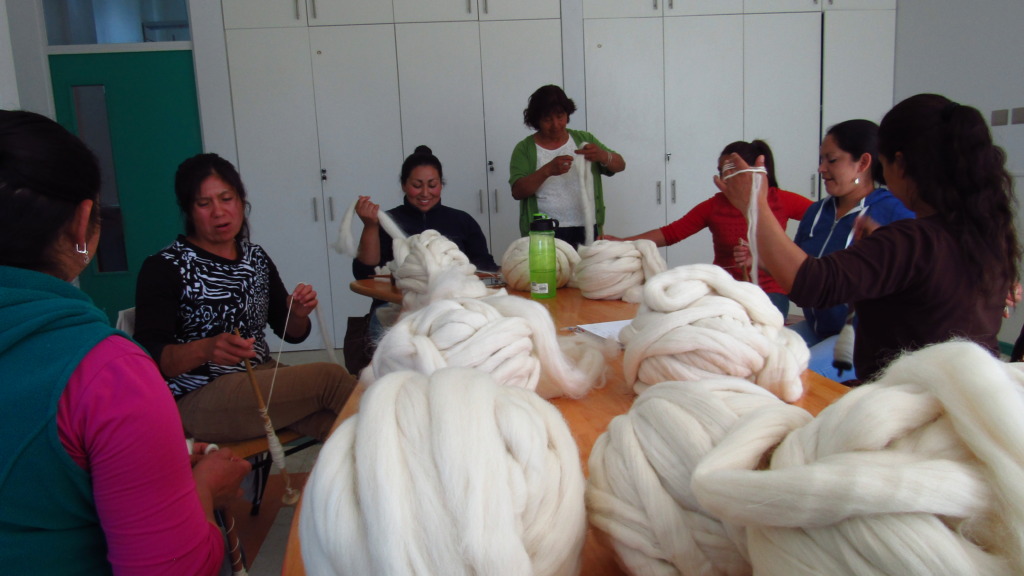
The second class of the course started again with spinning as some women had not been able to attend the last class. This is an inevitable difficulty for this project- all the women live in the countryside and have houses that they need to look after, in some cases, further domestic issues inhibit the women’s freedom to participate. The challenge is maintaining an equal development despite the unequal attendance.
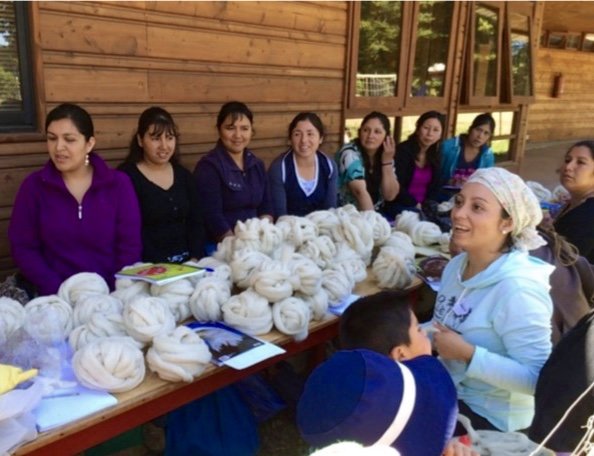
The topic of the logo of the group arose, some excellent and some silly ideas came up! One was the profile of a Mapuche woman’s face with the background as the Mapuche symbol of the Rayen, flower. Another was a team shot of the young women walking sassily towards the camera.
Isabel, ‘la profe’, and some women left to to search for leaves to dye with from around the local area, they returned with maqui and nogal leaves from the garden of the kind head teacher of the San Francisco school. In the end, to the disappointment of the women, we ran out of time to dye, however that leaves us with a definite plan for the next class on Monday.
5 Diciembre- Third Workshop
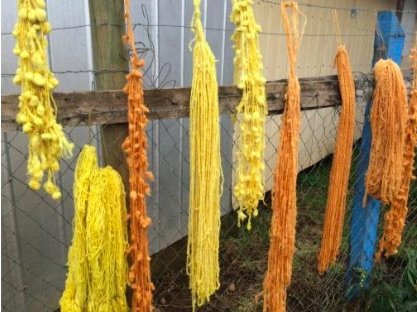
On a cloudy Monday morning, there is no better way to forget about the grey skies than by participating in a dying workshop with natural dyes. One women brought from home the first example of natural dying of the day, it was outstanding, she had dyed two bulks of wool, one with a yellow dye using onion peel and the other using leaves from a peach tree, making a beautiful calm orange color.
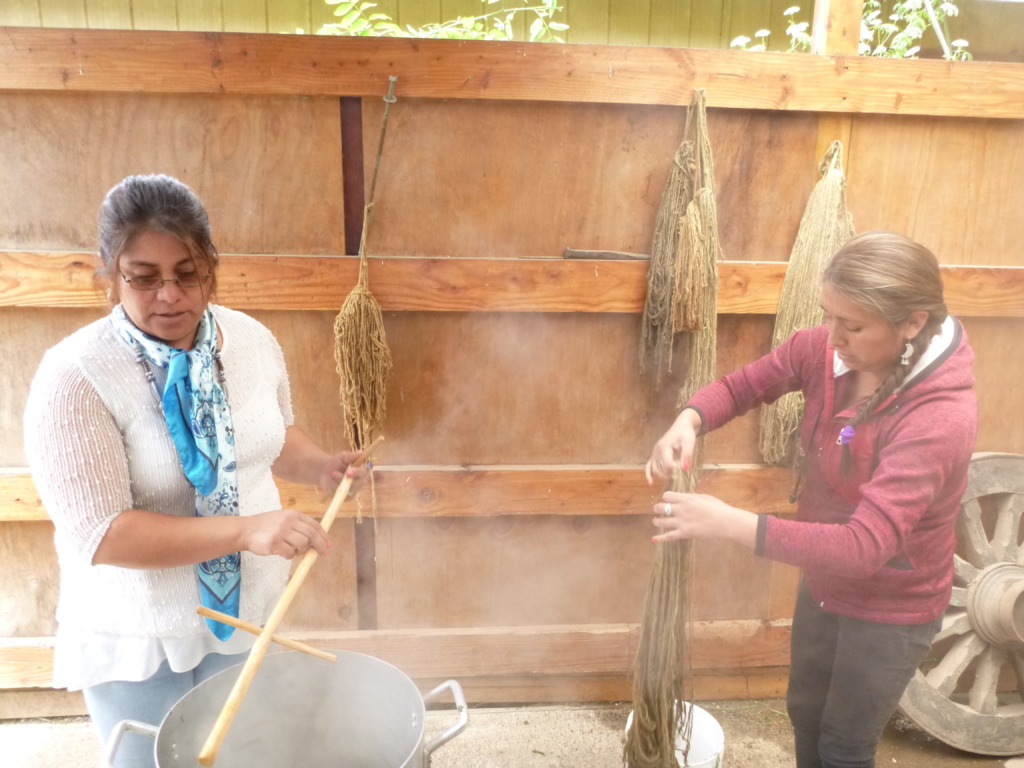
We worked in a shed next to San Francisco school, the natural materials needed to dye surrounded us, as always in the Araucanian countryside. A large pot of water was being heated in the centre of the patio and while it boiled we went to look for more leaves in the neighbouring garden. We found more maqui and nogal leaves and the women started to break the plants into smaller pieces, wetting them in cold water to loosen the fibres of the leaves.
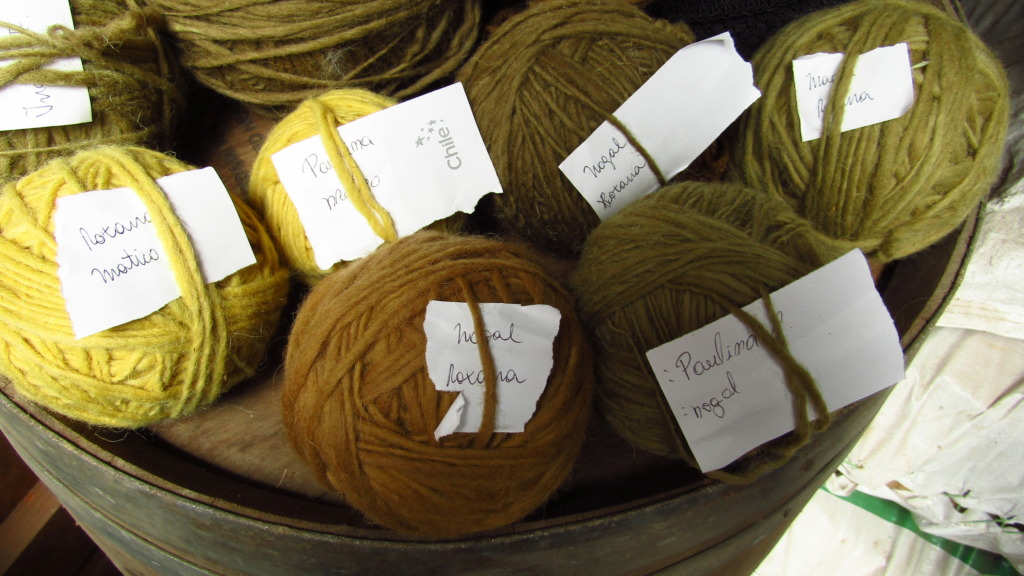
The water was boiled and ready, the first natural dyes entered the pot and the women took out the bunches of wool that they had made into yarn at home, dipping them and mixing them in with the maqui leaves.
Dyes used Colour made
Maqui leaves Green
Leaves from walnut tree Grey/Green
Matico flower (orange ball buddleja) Yellow
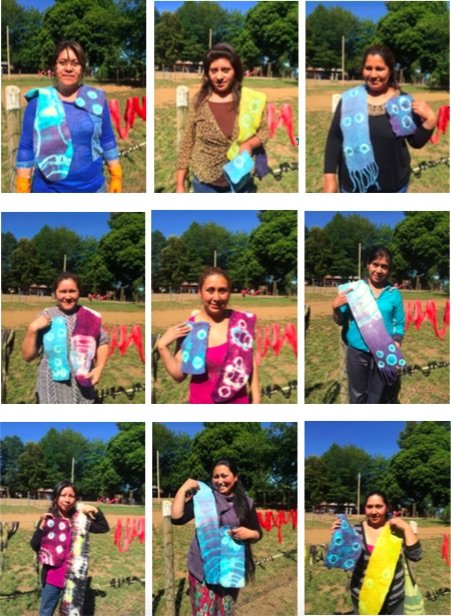
After the wool had been left to brew in the pot for a while it was taken out and hung on nearby fences to dry out.
The women seemed content with their dying workshop, some asked for the opportunity to dye more at home. They lack pots big enough to boil the water with the natural dyes and dip the wool into, this is a material that we could buy with the donations from Global Giving to give the women more independence in the production of their textiles.
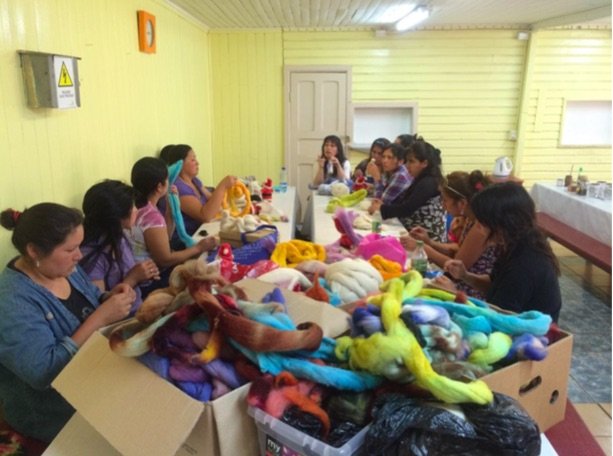
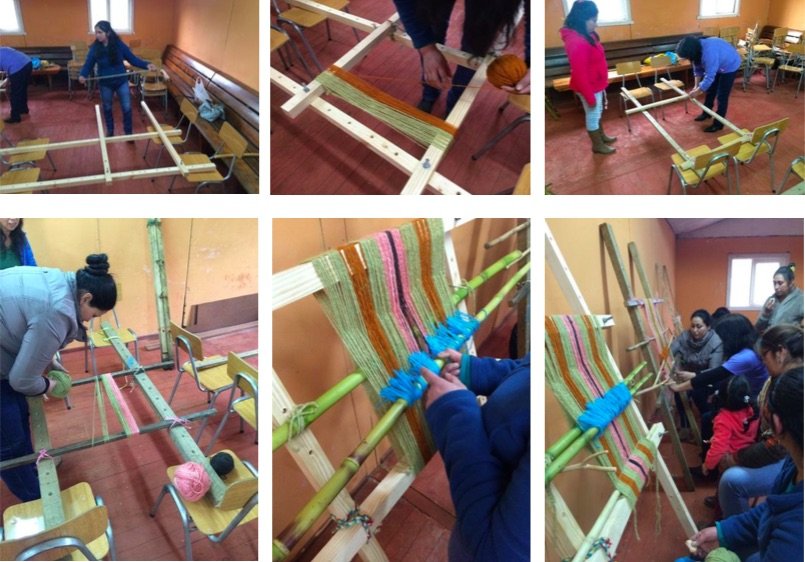
We have seen the process from start to finish from thick white wool to tightly wrapped, brightly coloured yarn. The women are now ready to continue repeating this unique, skilled process and make garments for their families and to be sold, creating economic opportunities and preserving the Mapuche techniques.
This is just the beginning of the women's journeys to becoming sustainable artisans but their progress so far is inspiring. Next workshops begin in March. Thank you for your support and see you then!
By Jack Hanington | Project helper, fundraiser
Project reports on GlobalGiving are posted directly to globalgiving.org by Project Leaders as they are completed, generally every 3-4 months. To protect the integrity of these documents, GlobalGiving does not alter them; therefore you may find some language or formatting issues.
If you donate to this project or have donated to this project, you can receive an email when this project posts a report. You can also subscribe for reports without donating.