By Jacob Dolan-Bath | Project Leader
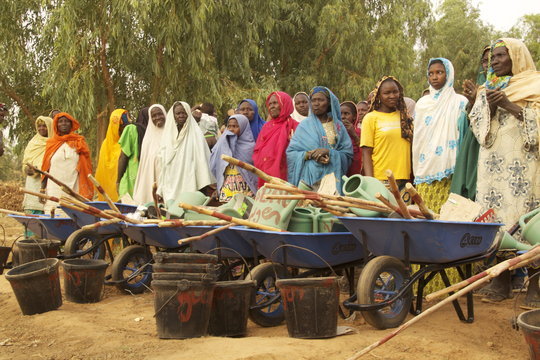
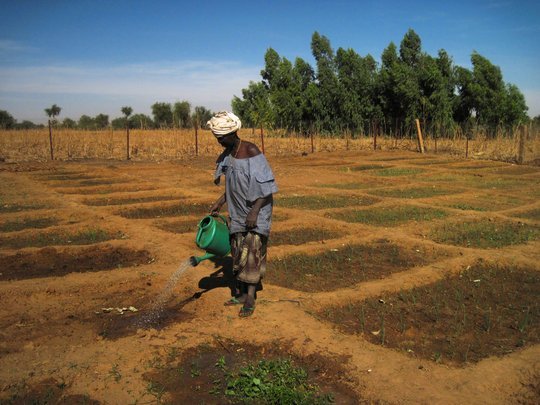
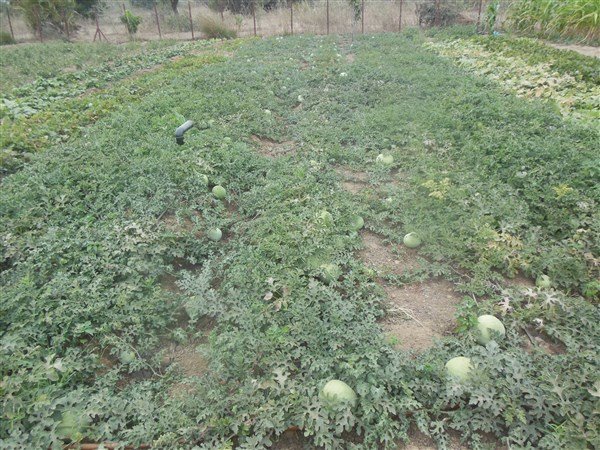
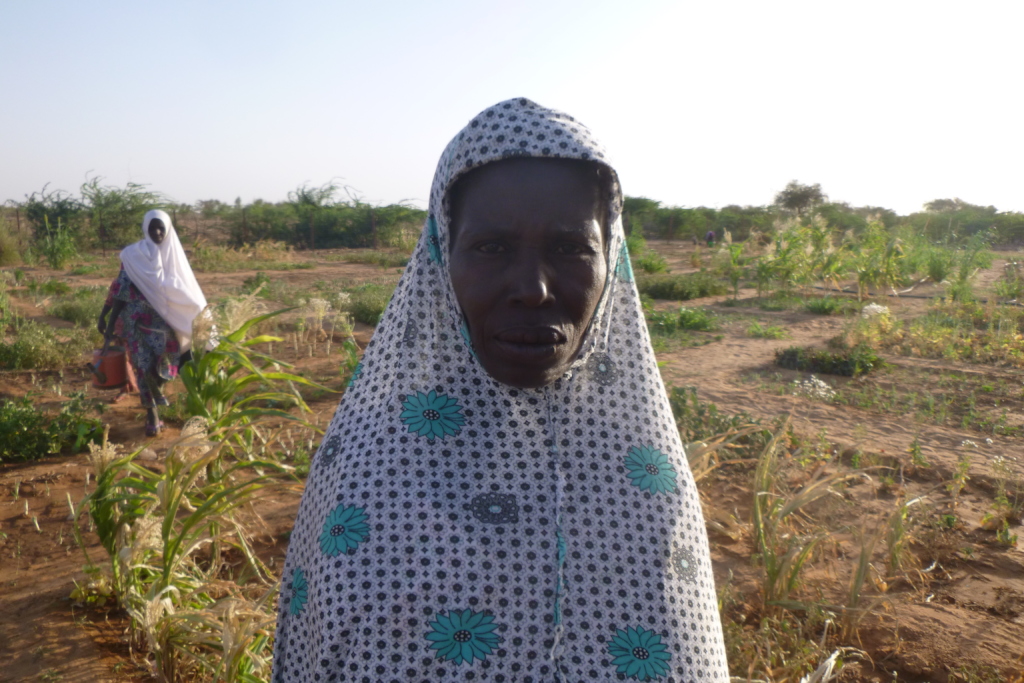
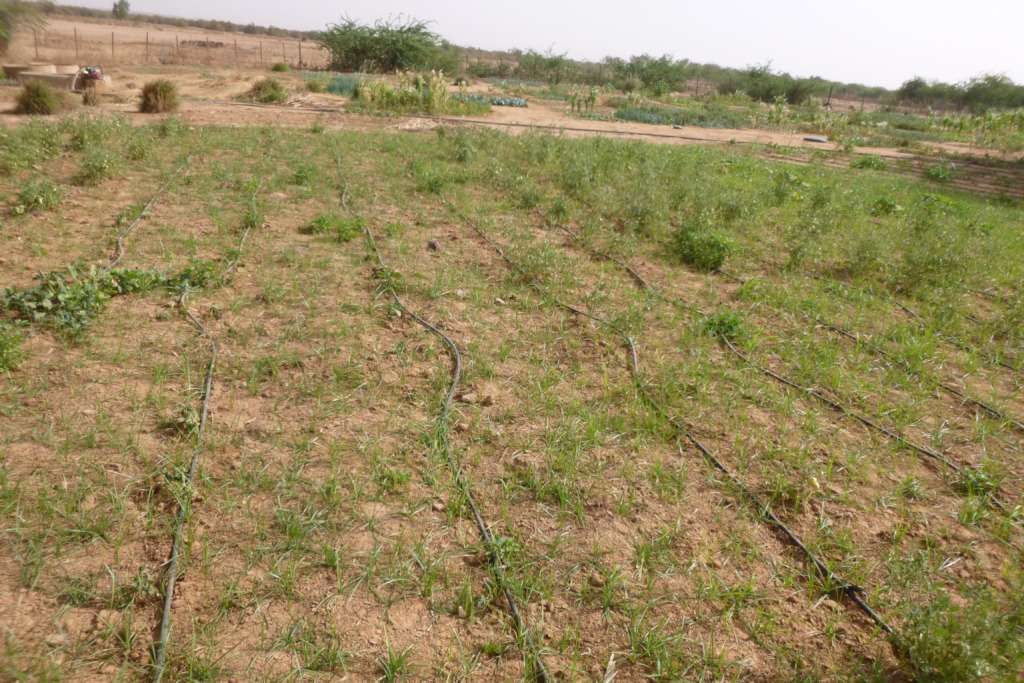
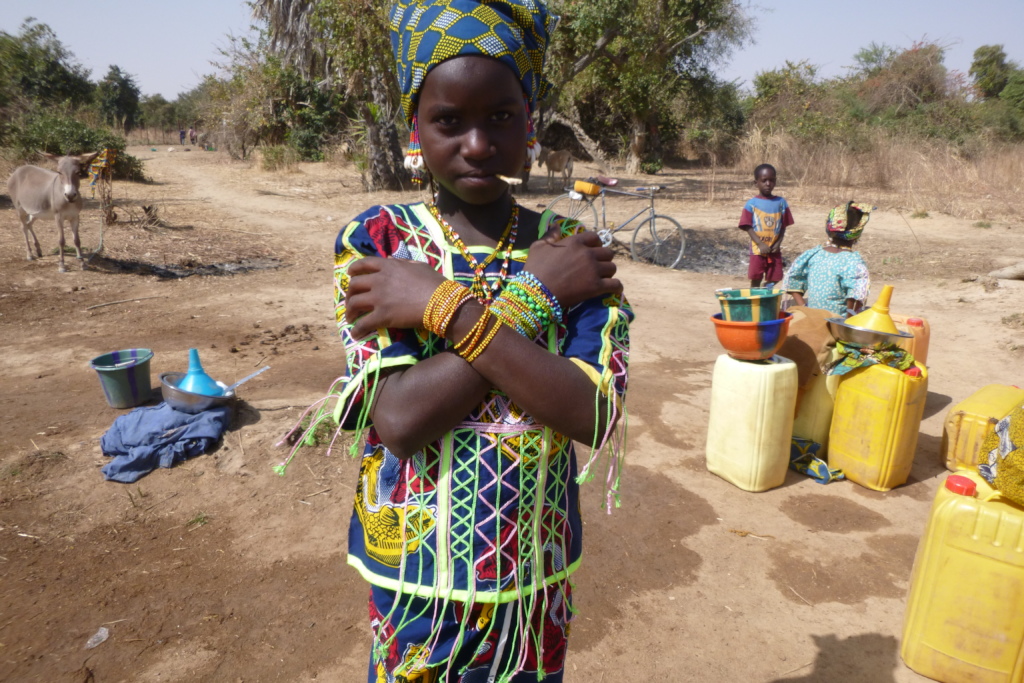
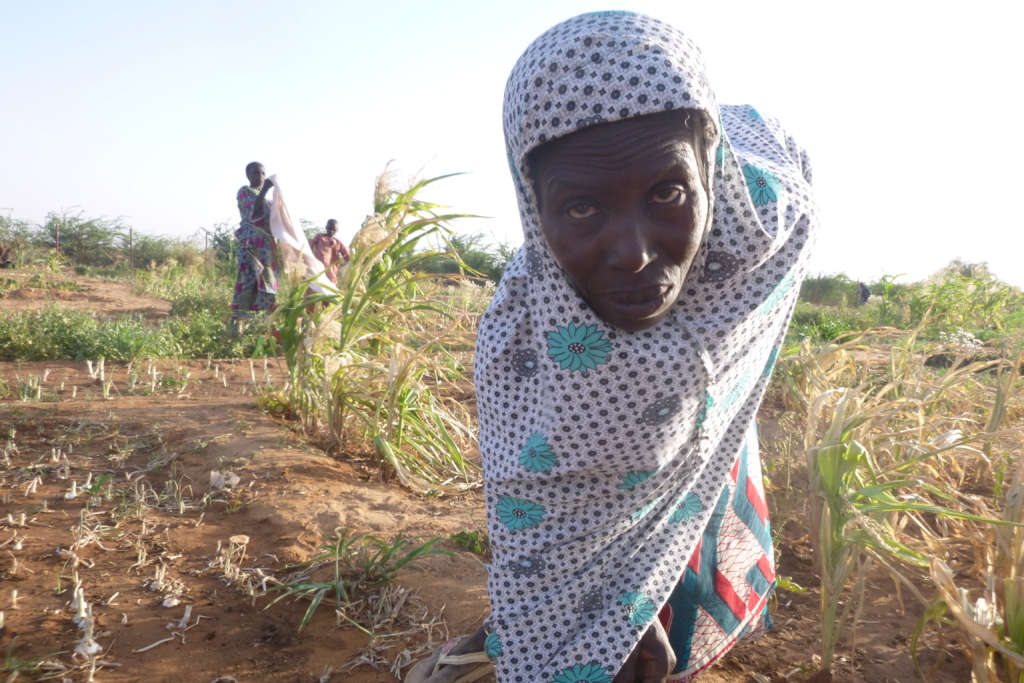
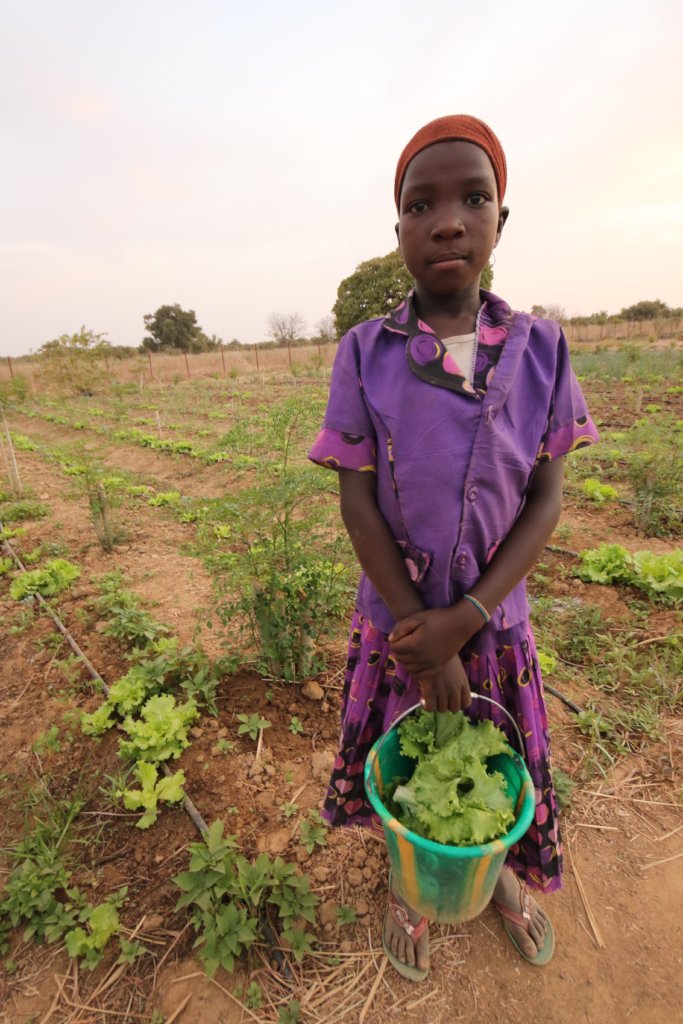
We partner with local communities providing women’s community gardens for rural people of Niger. These gardens are maintained by the women throughout the year. With irrigated water systems people are able to plant for the entire year, which was impossible before. There is an increasing need for food and water security in Niger. There is even a season called the Hunger Season, in which there is little to no water available. Many Nigeriens would say that the lack of water is a normal occurrence however and during the Hunger Season their struggle is made far worse.
There is a saying that the local Tuareg have for RAIN, “RAIN is the one that comes back.” It is a powerful message as many other organizations working in the area work and then leave without a sustainable way to continue forward. That is what RAIN does, by partnering with these communities a trusting bond has developed. RAIN’s programs focus on community development aiming for a self-sustaining platform to form. By partnering with these groups they are able to work hands-on, gaining knowledge and experience. “My home is made of adobe bricks walls, eucalyptus branch support beams, covered with reed mats, and the roof is sealed with adobe. There is a front room and a bedroom and I have a sitting area outside with adobe walls and millet-stalk shade-canopy porch. We tie the stalks together to create a solid structure to block the hot sun.
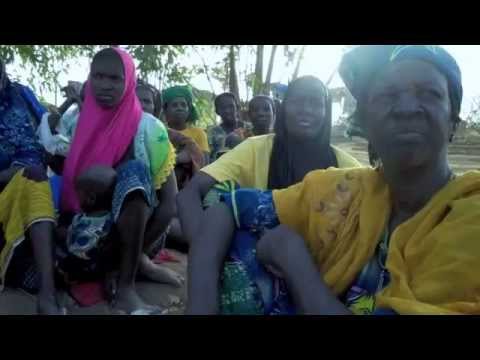
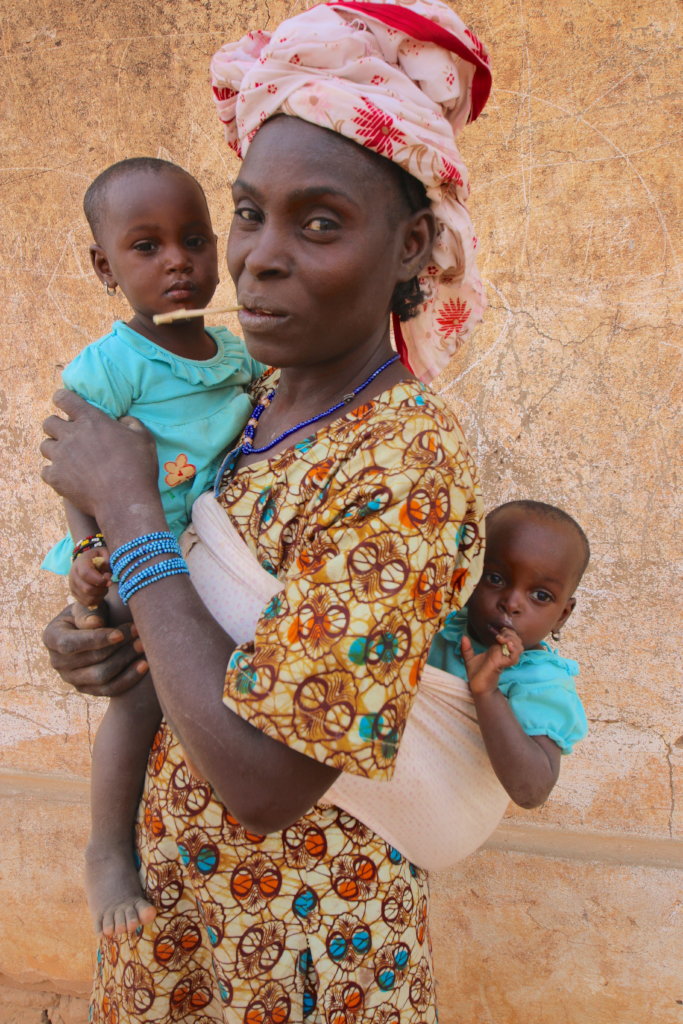
"When it is too hot in the rooms, we sit in the enclosed porch. I cook outside with a pot on three rocks. When my daughter comes home from school she helps me with the cooking and cleaning. With twins now, things are very difficult for me. What else can I tell you about my home? I have a bed and basic household supplies like a mortar and pestle, some cooking pots, calabash gourds, two plastic jugs for fetching water, and a bench and stool to sit on when myself or my daughter cook. I also have 3 goats and 4 sheep. When times are difficult, we can sell them for food, medicine, clothes, or we kill one for a holiday so that we can eat meat. It is the only time that we really eat meat. I also have a grass-reed mat-making area. “Our village is made up of Ighawalan Tuaregs. Our work is making tabarma (grass-reed) mats. Our husbands are millet farmers and herders. Many men also go to the coast to work. We have an elementary school. This year, they started a middle school but our children are studying in grass-mat classrooms, some them sit in the dirt to study. We have a small health hut, too, but there is not always medicine in it. Women need to walk or ride a donkey-cart several miles if they want to see a doctor while pregnant or to weigh babies for the first few months after they are born.” - Hariatou
Women just like Hariatou are enduring these hardships, but also are beginning to have access to more opportunities. The women community gardens feed hundreds of families and the number of participating women continues to grow. These changes are what are needed in rural Niger to encourage a strong local economy. These gardens are stimulating growth and creating sustainable living for these magnificent people. The future of these ethnic groups livelihood and their culture lies in sustainable living and community development.
By Jacob Dolan-Bath | Project and Communications Coordinator
By Jacob Dolan-Bath | Project and Communications Coordinator
Project reports on GlobalGiving are posted directly to globalgiving.org by Project Leaders as they are completed, generally every 3-4 months. To protect the integrity of these documents, GlobalGiving does not alter them; therefore you may find some language or formatting issues.
If you donate to this project or have donated to this project, you can receive an email when this project posts a report. You can also subscribe for reports without donating.


Support this important cause by creating a personalized fundraising page.
Start a Fundraiser