By Freya Hoffman-Terry | Office Manager
Some have asked how our Community Garden model works in rural Nigerien communities. We'd like to share our process:
The first step in RAIN’s Community Garden model is to identify and work with community stakeholders to form a committee to address their food and water security needs. Many times a community will have heard about our gardens from a neighboring community that has a successful garden and they will ask to become a member of the program.
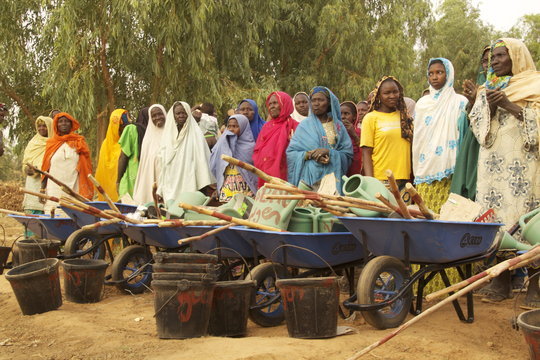
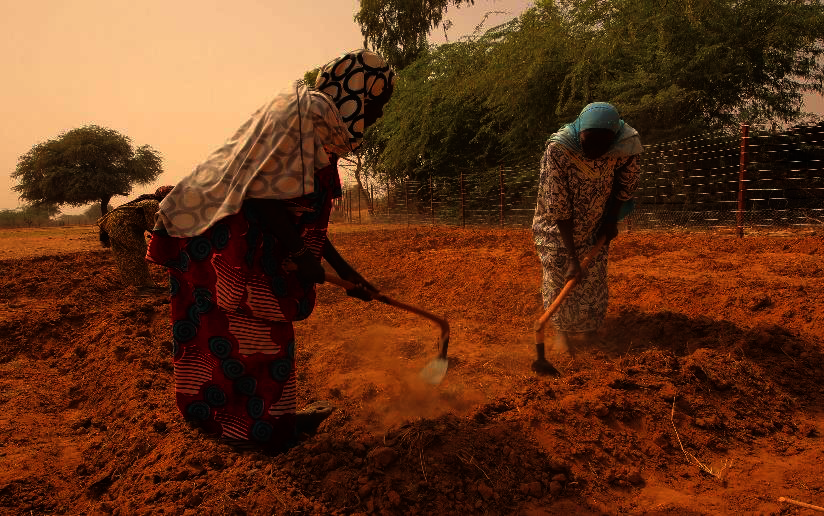
While the well is being drilled, RAIN’s field agents identify and train interested participants, usually women, in sustainable agricultural and business practices, to help them build an income from the produce they sell. Our training extends beyond gardens – participants learn to develop a business plan, maximize profits, and seek cooperative solutions when issues arise. Often, these women already participate in our other programs, making it easier to build trust.
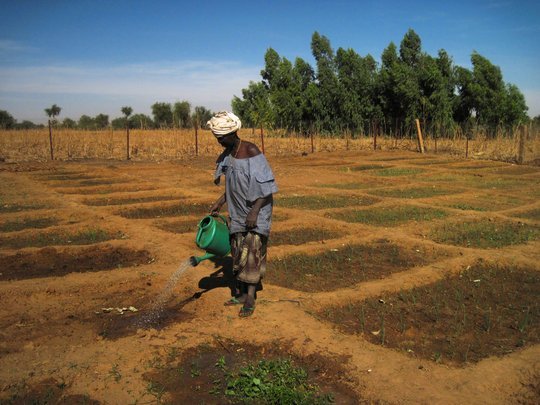
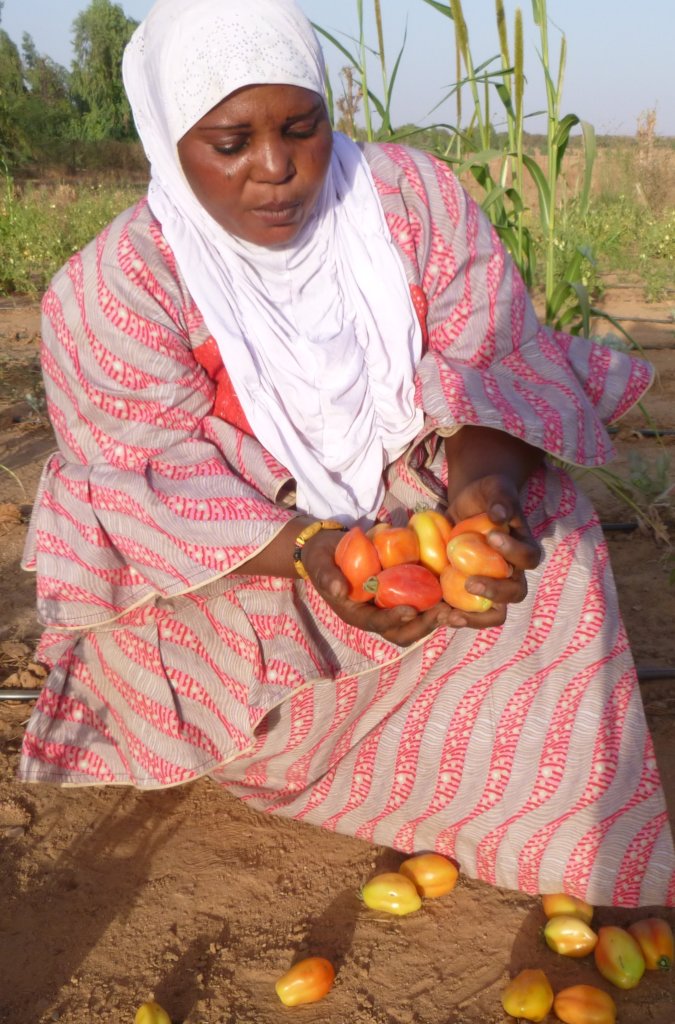
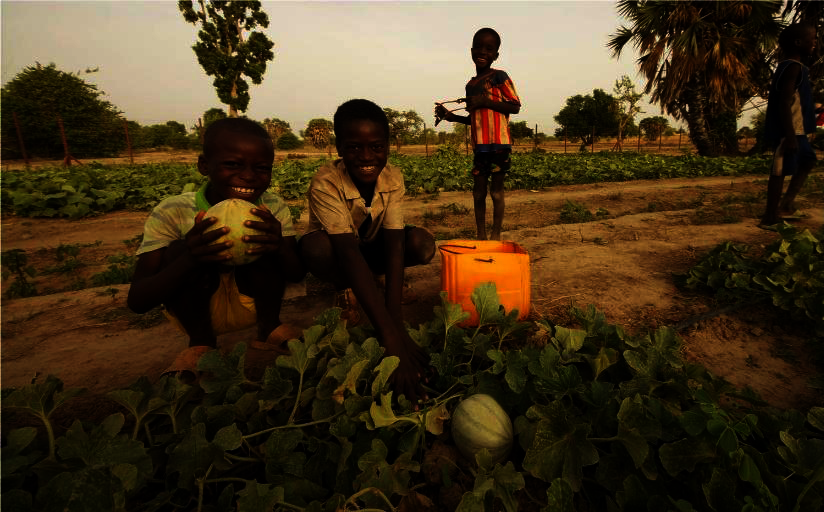
RAIN also provides seed varieties and trains participants in nutritional practices so that the gardens reinforce balanced diets that tackle malnutrition. We provide gardeners with crops for each season that diversify their nutritional intake and maintain the gardens’ soil quality throughout the year. Lastly, we establish a three-season drip-irrigation system to minimize water waste, increase efficiency (labor vs. yield), and so that community gardens can be cultivated even during the drier seasons in Niger. This helps to maximize food production and reduce intervals between harvests, building food security in our partner communities.
To build “ownership” and self-sufficiency into our model, each community garden is managed by a committee of elected community members. The committee is responsible for maintaining the wells and garden by establishing a savings fund that all gardeners in the community contribute to. This fund covers maintenance work for the wells as well as pesticides and fertilizers needed to ensure a high crop yield. Typically, the committee assumes full responsibility for the gardens and wells within three to four years of program implementation.
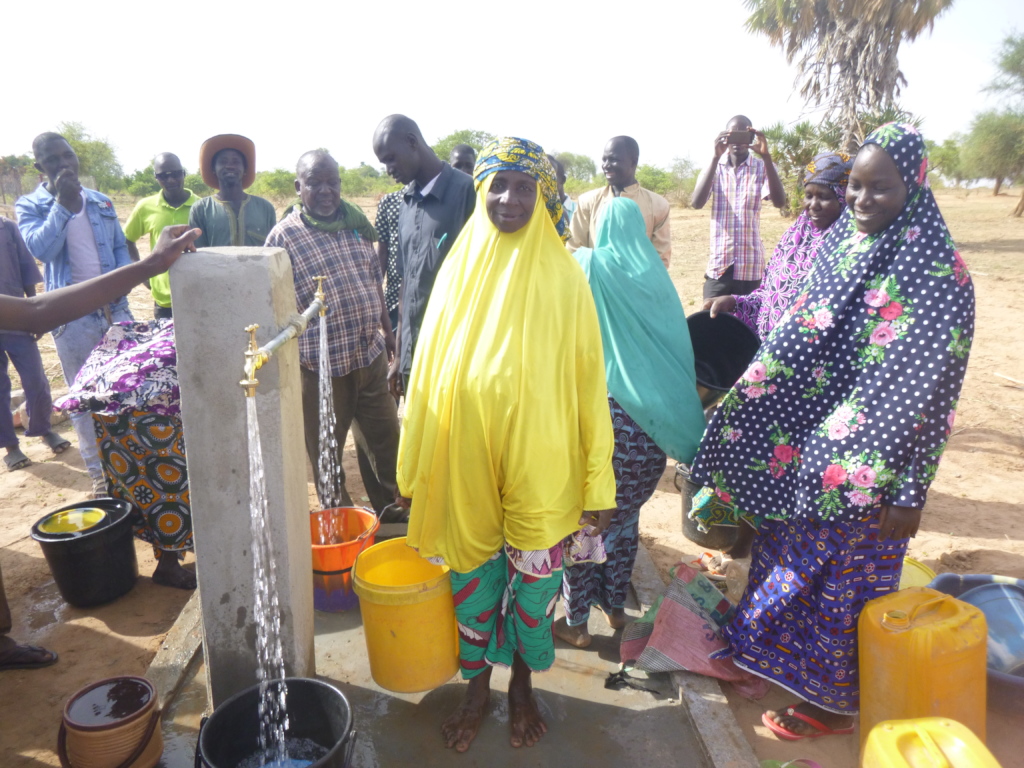
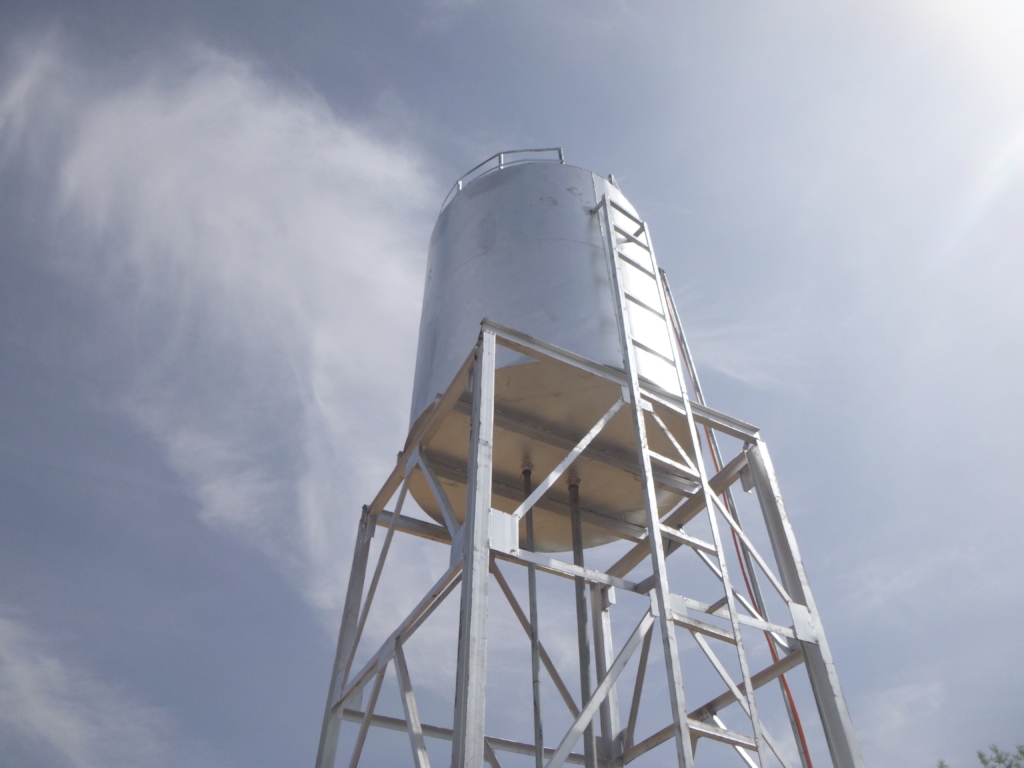
While RAIN has over a decade of experience with gardening in Niger, this past Spring/Summer was our first time working with a new technology – borehole wells with solar powered submersible pumps. To carry out the project, we engaged BeHydra, a Nigerien-founded water company that oversaw everything from the geophysical study, to the drilling, to the solar panel installation. We were extremely happy with their professionalism and the quality of their work. It is too early in the process to see the full results of the wells, but so far our partner communities have been pleased with the process: both wells (each 50+ meters deep) have seen positive outputs (between 1.5-3.5m3/hour). This level of output should be sufficient to support garden expansion in Nassile and Tagantassou – possibly quadrupling the amount of land that can be irrigated. Additionally, the new pumping systems will better enable the garden committees to accurately track water usage. We believe that going through this process in Nassile and Tagantassou has prepared us to bring this technology to Imboraghan and Betarmatas as well.
With your support, we will work to achieve the following outcomes in 2020-2021:
As always, thank you for your dedication to Niger, and your support of Rain for the Sahel and Sahara!
WIshing you a safe and Happy New Year!
By Freya Hoffman-Terry | Office Manager
By Freya Hoffman-Terry | Office Manager
Project reports on GlobalGiving are posted directly to globalgiving.org by Project Leaders as they are completed, generally every 3-4 months. To protect the integrity of these documents, GlobalGiving does not alter them; therefore you may find some language or formatting issues.
If you donate to this project or have donated to this project, you can receive an email when this project posts a report. You can also subscribe for reports without donating.


Support this important cause by creating a personalized fundraising page.
Start a Fundraiser