By Shikha Dimri | Specialist: Communications
At Azad Foundation, we believe that economic empowerment is not simply about creating livelihoods. It is about opening doors to opportunities from which women have historically been excluded, and creating the skills, support systems, and the ecosystem they need to enter, remain, and thrive in non-traditional professions.
This year, our work through Women with Wheels programme continued to create these pathways for women from resource-poor and marginalised communities. Alongside strengthening our training and employment pathways, we deepened our engagement with employers, government institutions, funders, and other ecosystem partners to expand opportunities for women in the transport sector.
From women taking the wheel of e-buses at Rashtrapati Bhavan to conversations with the Government of Rajasthan on opening opportunities for women heavy-vehicle drivers, the year brought encouraging examples of what becomes possible when women take the wheel, not just of cars, but of their own lives.
Women with Wheels: From Skills to New Possibilities
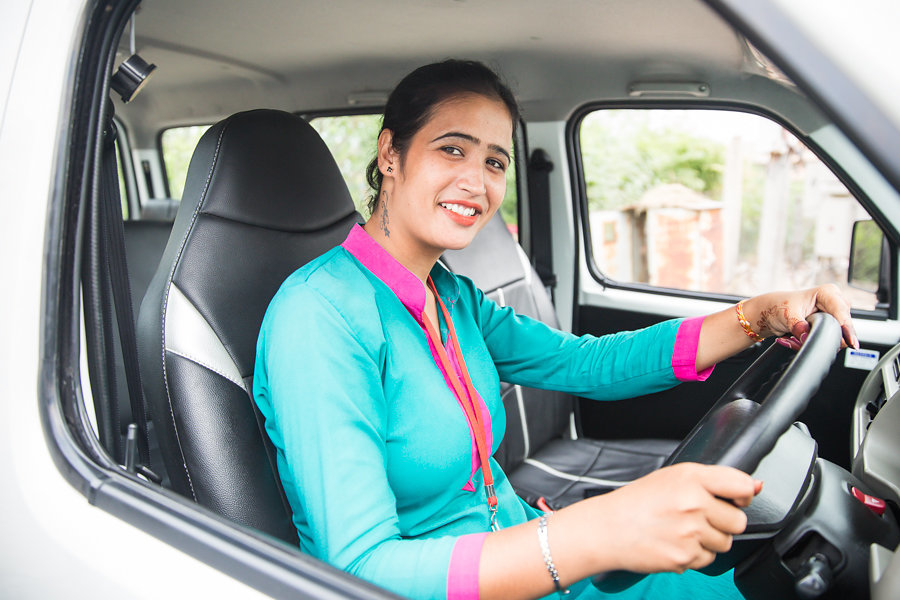
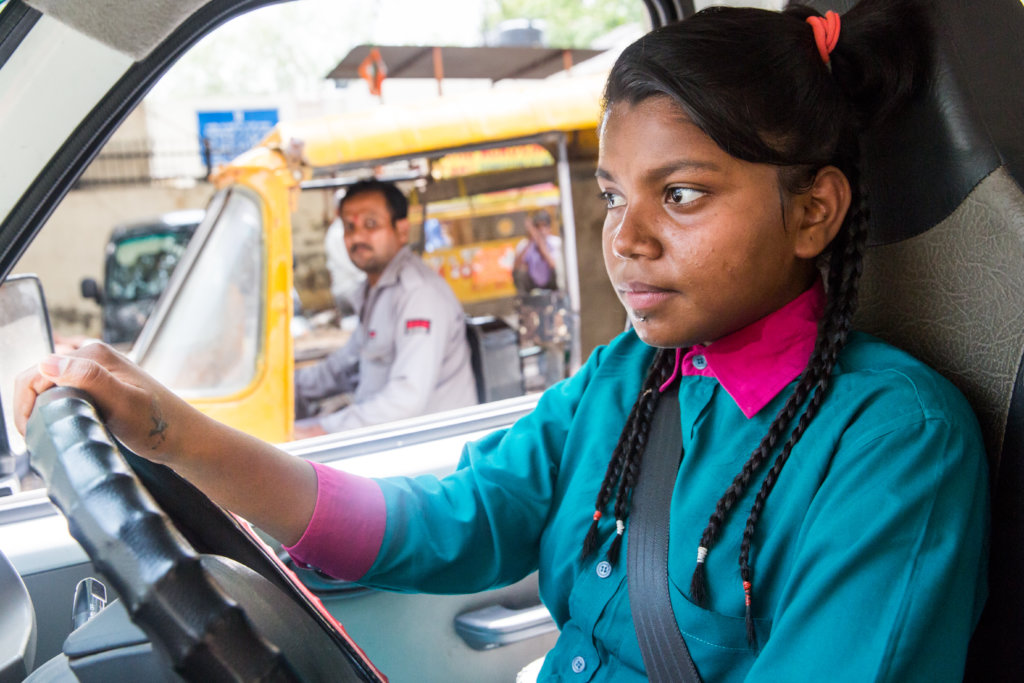
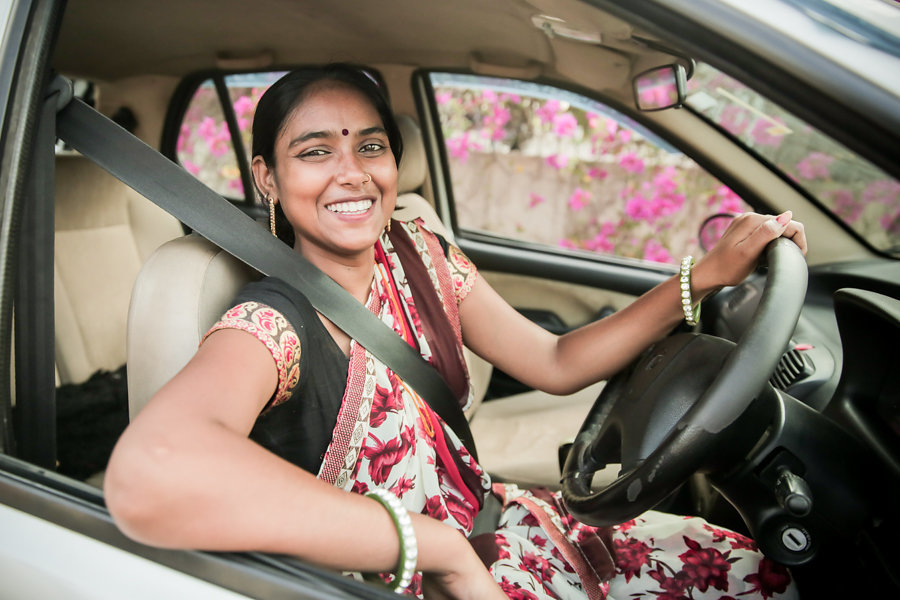
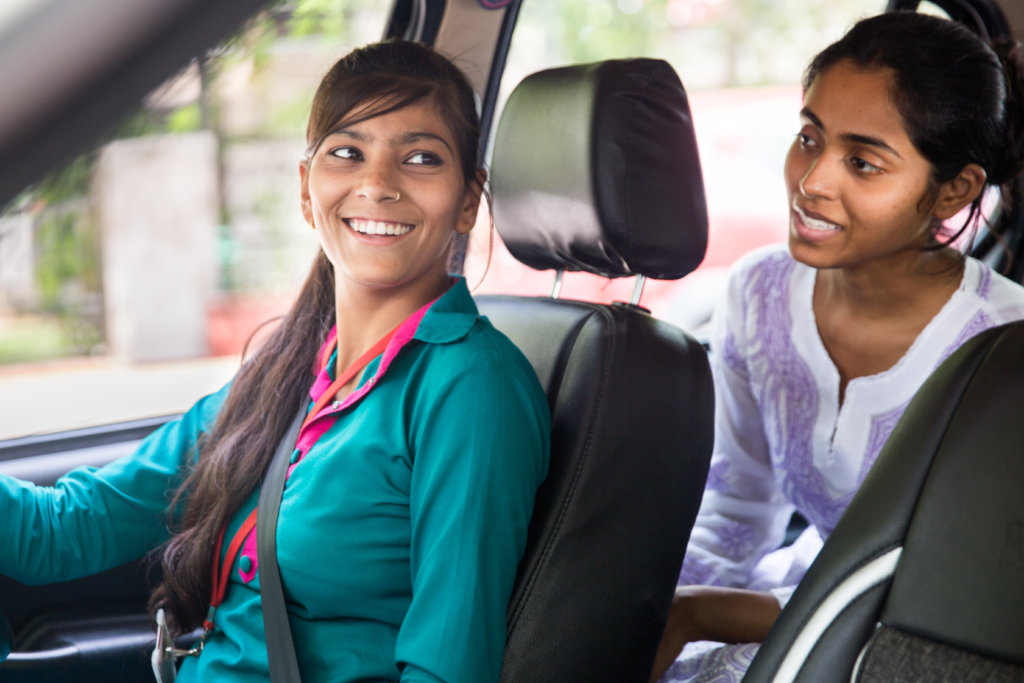
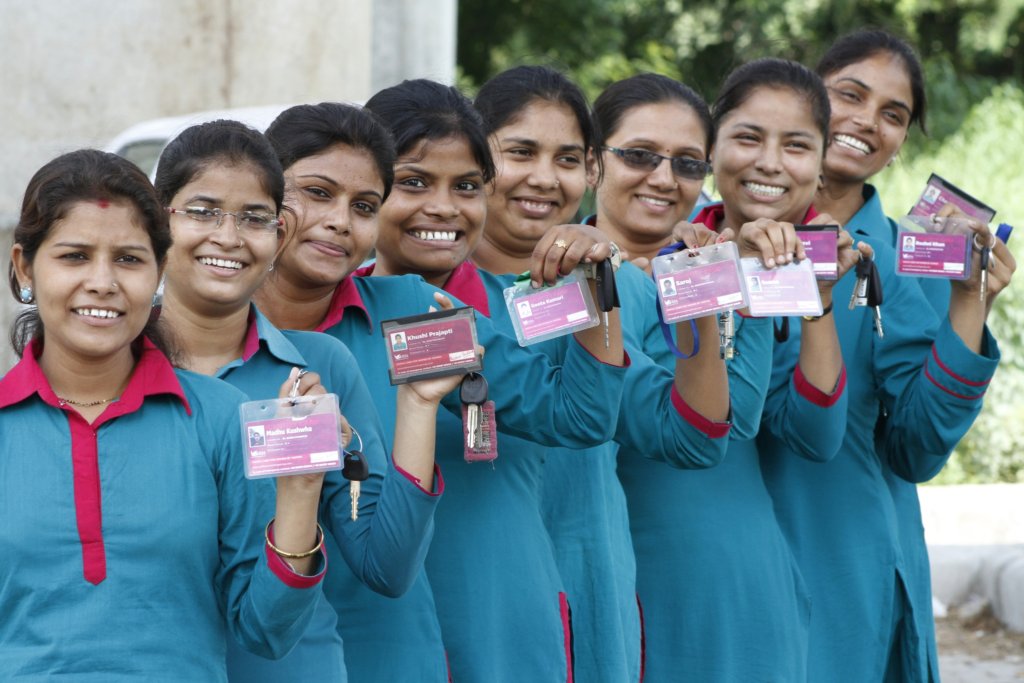
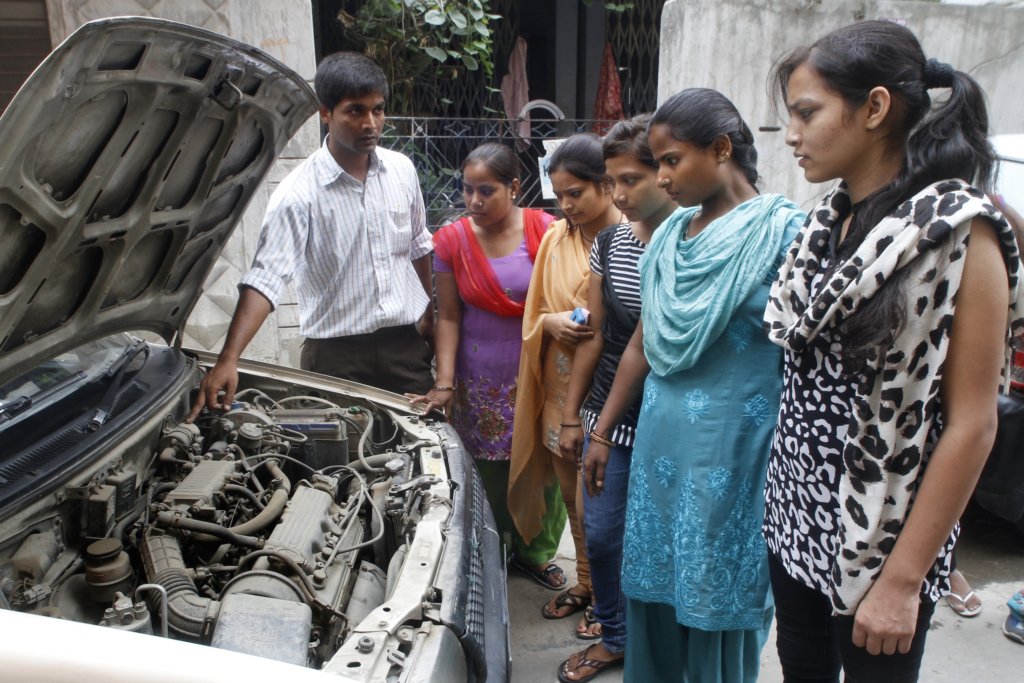
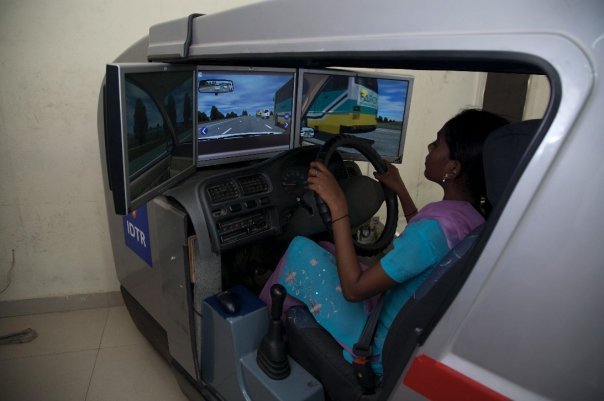
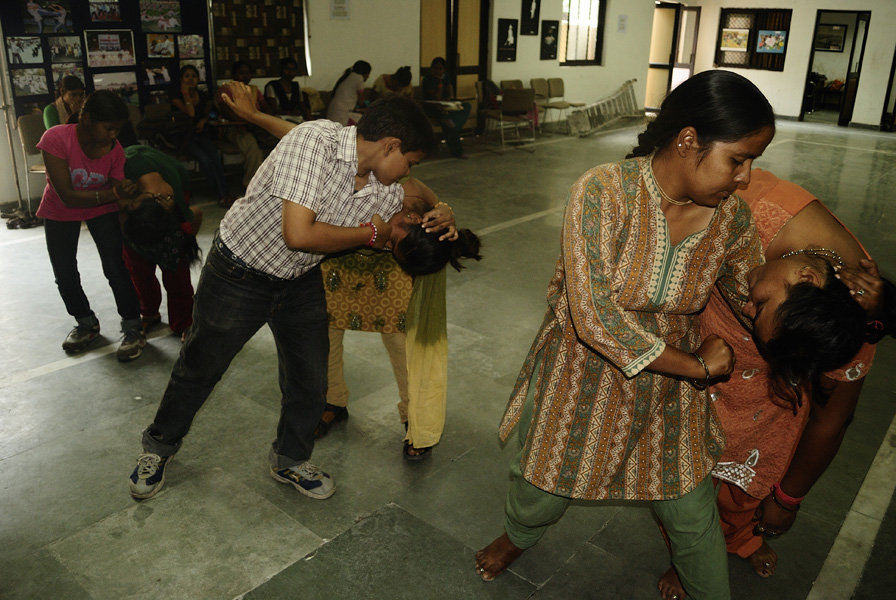
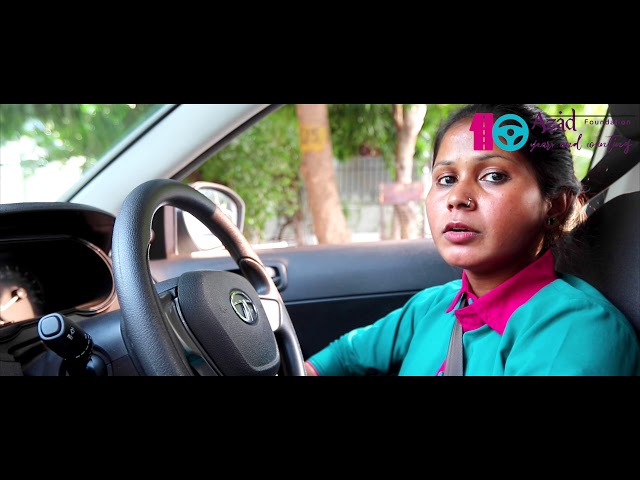
Azad’s Women with Wheels (WWW) programme equips women with professional driving skills alongside knowledge, confidence, and agency to pursue professions with dignity. The programme challenges the gendered assumptions that continue to define who can drive, what work women can undertake, and what roles they can occupy in the workforce.
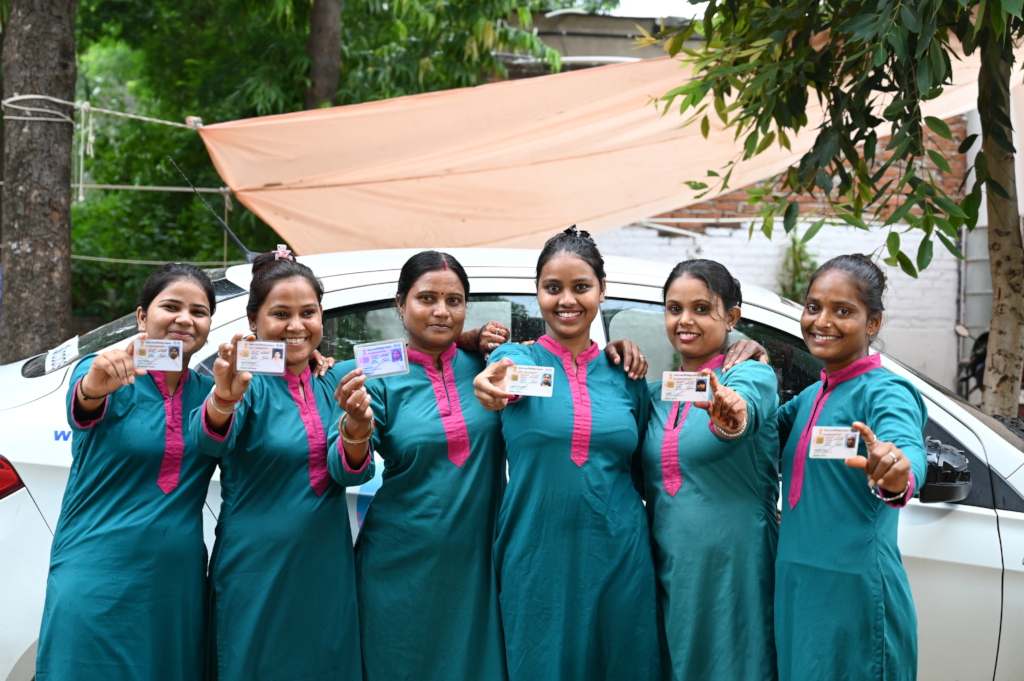
This year, 384 women joined the WWW programme, of which 256 gained their Permanent Driving Licenses and 159 joined the transport workforce as professional drivers and riders. Together, these women have generated a cumulative wealth of $130,000. The impact of this journey is visible not only in the lives of the women, but also in the spaces they enter and the stereotypes they challenge.
Driving into new spaces
A significant milestone this year was the selection of two women trained by Azad, Archana (name changed) and Heena (name changed), to drive RAAHI e-buses at Rashtrapati Bhavan, one of the country’s most prestigious institutions.
For Archana (name changed), the journey meant pushing past assumptions about what she could do. Initially told that she was “too short” and looked “too young” to become a professional driver, she continued learning, obtained her Heavy Motor Vehicle licence, and stayed committed to her goal. Today, she demonstrates what becomes possible when determination is matched with skills and opportunity.
For Heena (name changed), choosing professional driving over conventional career paths meant challenging expectations about what work is considered appropriate for women. With the support of her family and her own determination, she built a new path for herself. Today, her work enables her to contribute to her family while becoming an example for other women seeking financial independence.
Building Enabling Ecosystems: Engaging Government
While skilling creates the foundation for women's economic participation, sustainable change also requires institutions and systems to become more responsive to women's participation.
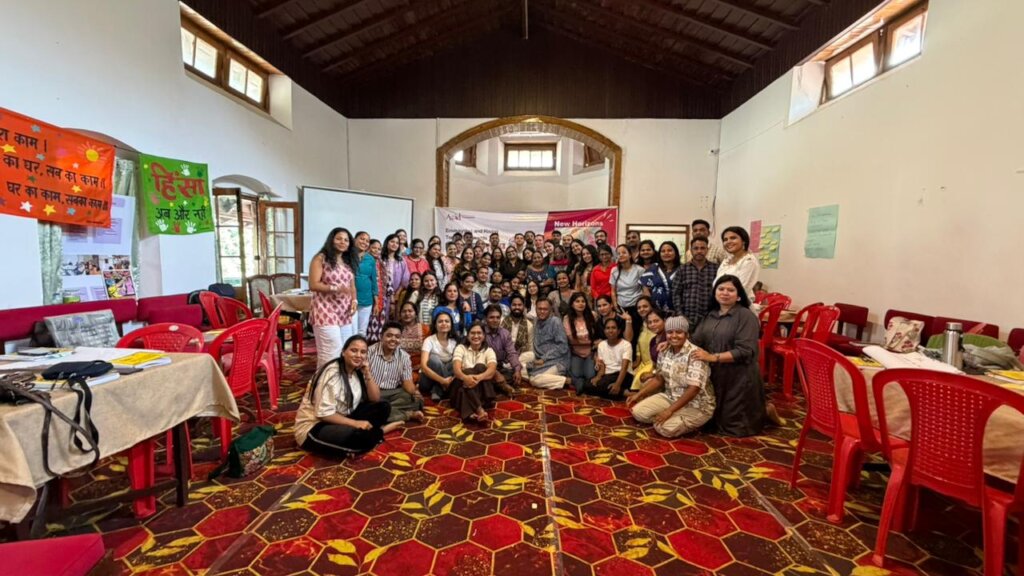
In Jaipur, Azad brought this focus to the forefront through the ‘Women Steering Change’ initiative, supported by SBI Foundation under its Sashakti vertical. The celebration brought together women drivers trained by Azad and senior government representatives to recognise women's journeys and discuss how institutional systems can create greater opportunities for them.
The presence of Rajasthan Chief Secretary Shri Srinivas Voruganti and Principal Secretary, Transport Department, Shri Bhawani Singh Detha created an important space for dialogue, as they expressed their commitment to facilitating ease in the Permanent Licensing process and creating greater opportunities for women heavy-vehicle drivers within Rajasthan's transport sector and beyond.
Taking the Conversation to the Ecosystem
Azad also used the AVPN Global Conference as an opportunity to take conversations around women's economic empowerment and non-traditional professions to a wider ecosystem of funders, investors, policymakers and changemakers.
Across three days of conversations and exchanges, Azad highlighted an important message: true economic empowerment requires more than creating jobs. It requires challenging the structural barriers that determine which jobs women can access in the first place.
Through the conference, Azad engaged with influential actors from across the social impact ecosystem, sharing its experience of enabling women from resource-poor communities to enter non-traditional professions such as professional driving. These conversations created opportunities to build new partnerships and explore greater investment in skills, livelihoods and enabling environments for women.
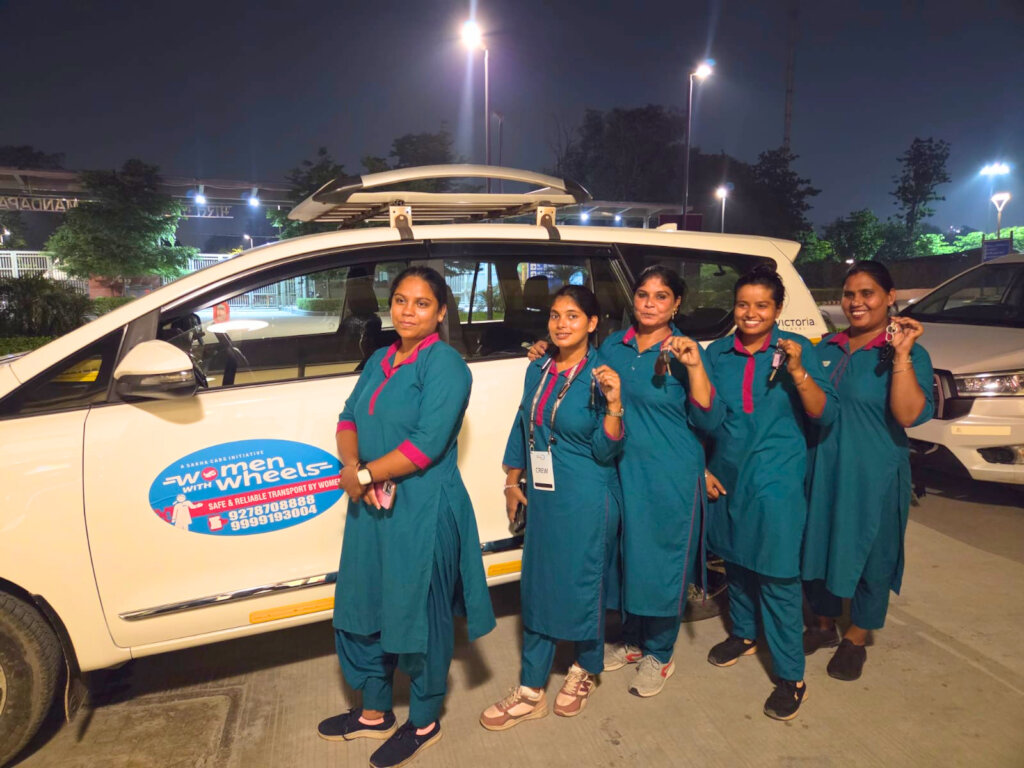
The conference also demonstrated the strength of partnerships through Sakha, Azad's strategic placement partner. As the Transport Partner for the conference, Sakha's women chauffeurs successfully completed 380+ rides, providing safe and reliable transport to AVPN delegates.
The partnership offered a visible example of how women's livelihoods can be integrated into large-scale institutional ecosystems, while creating dignified employment opportunities for women drivers.
Partnerships that Recognise the Value of Investing in Women
Our partnerships with institutions continue to be an important part of creating pathways from training to employment.
This year, Publicis Sapient India, a Women with Wheels partner, was recognised with the International CSR Excellence Award for its contribution to the programme.
The recognition is significant not only as an acknowledgement of the partnership, but as a reminder of the role employers and institutions can play in expanding women's access to non-traditional professions.
Looking Ahead
Across the year, these moments reinforced a lesson at the heart of Azad's work: skills can open the door, but lasting change requires pathways, opportunities and enabling ecosystems that allow women to walk through it.
As we continue into the next phase of our work, Azad remains committed to strengthening these pathways: working with women, communities, employers, government and partners to ensure that more women can enter, remain and thrive in non-traditional professions with dignity, agency and economic independence.
Your partnership and support help make these possibilities real. Together, we can continue opening doors to a more gender-just world of work.
By Shikha Dimri | Specialist: Communications
By Shikha Dimri | Specialist: Communications
Project reports on GlobalGiving are posted directly to globalgiving.org by Project Leaders as they are completed, generally every 3-4 months. To protect the integrity of these documents, GlobalGiving does not alter them; therefore you may find some language or formatting issues.
If you donate to this project or have donated to this project, you can receive an email when this project posts a report. You can also subscribe for reports without donating.



Support this important cause by creating a personalized fundraising page.
Start a Fundraiser