By Ali Sidiki | Communications Associate
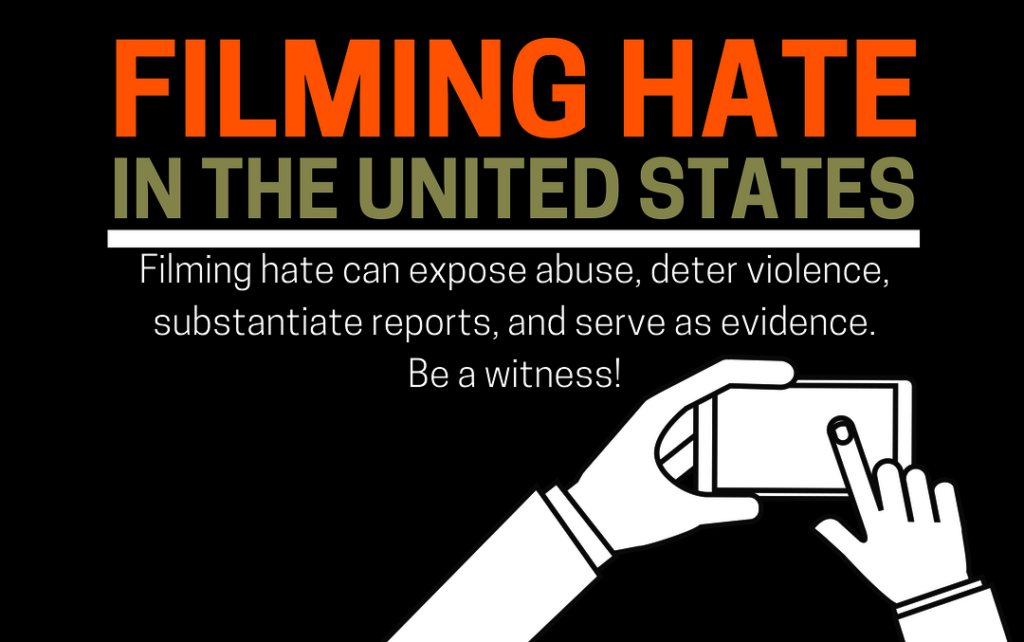
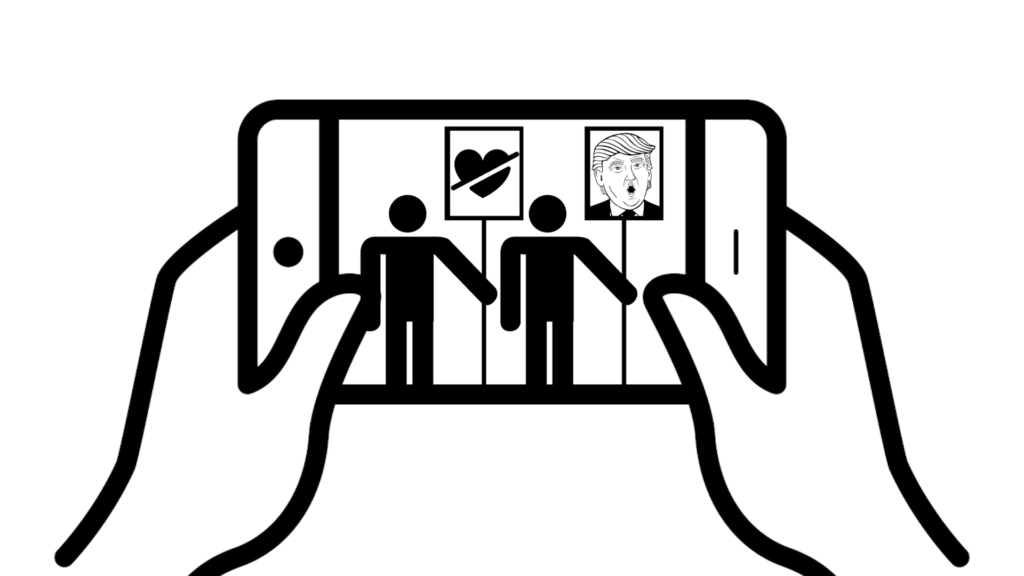
Following the election of Donald Trump in 2016, there has been a spike in acts of hate against people of color, immigrants, LGBTQ and other vulnerable communities. There was also an increase in video and photo documentation of these abuses. WITNESS created the “Filming Hate” tip sheet to help ensure that people documenting and sharing videos of hateful acts are doing so safely, ethically and effectively. Our new, updated version of the tip sheet includes practical guidance from iHollaback.org on how to take action as a bystander when filming is not the appropriate or safe thing to do.
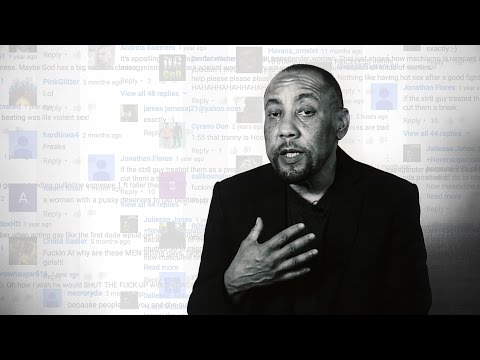
We documented the prevalence of acts of hate against transgender people in the United States in our project, “Capturing Hate.” In it, we studied viewer engagement with eyewitness videos that show transphobic violence filmed, shared, and engaged with as entertainment. The videos and audience engagement with them tell a powerful and disturbing story of the abusive and often life-threatening environments that transgender and gender nonconforming people navigate daily.
These eyewitness videos document mistreatment of transgender and gender nonconforming people ranging from disrespect to murder. They show acts of violence against these communities that are not only tolerated but encouraged and glorified.
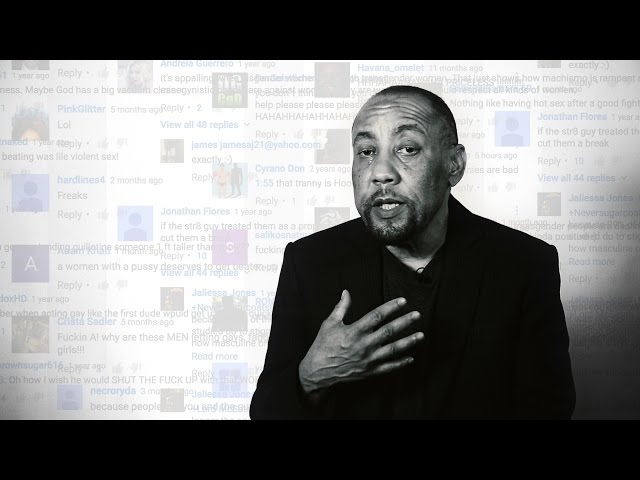
The viewer engagement with these eyewitness videos reveal deeply held biases that intersect race, sex, class and gender identity. The attitudes expressed by viewers overwhelmingly blame gender non-conforming people for the violence and hatred perpetrated against them and expose a visceral rejection of people transgressing accepted notions of gender expression.
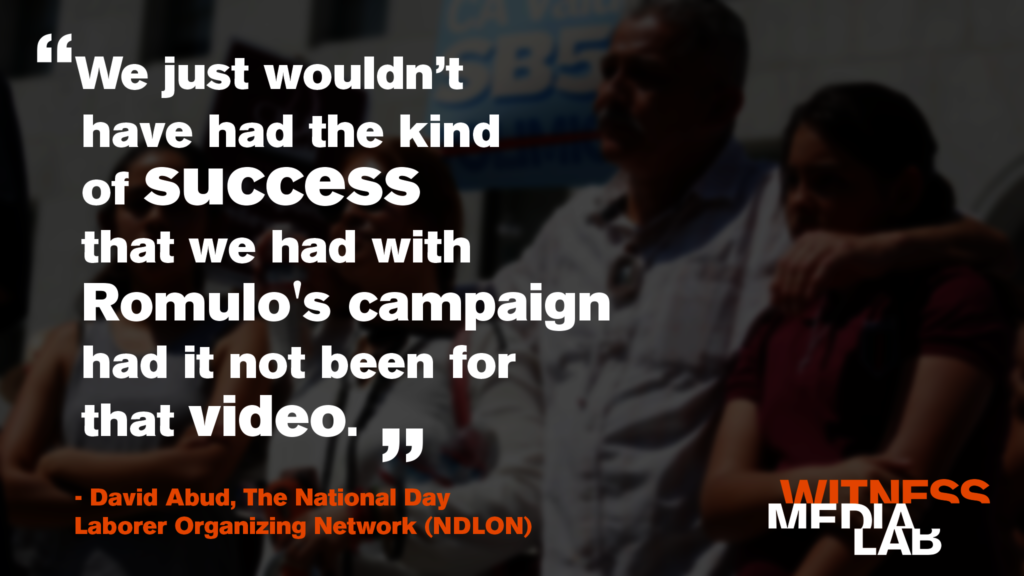
We think that these videos, and the viewer engagement data associated with them, show yet another way eyewitness video can be used for advocacy. Even though this content was intended to do harm, if used ethically, these videos document discrimination and abuse in a way no other reports on transphobic violence has done to date. The study of eyewitness videos, coupled with an analysis of how viewers engage with them and their comments on them is a powerful way to expose human rights abuses.
The existence of these videos and the volume of hateful engagement pose a direct threat to gender non-conforming people and compromise a positive and empowered representation of the community. We think that there are ethical and effective ways that individuals, public and private entities may use eyewitness videos intended to cause harm for advocacy.
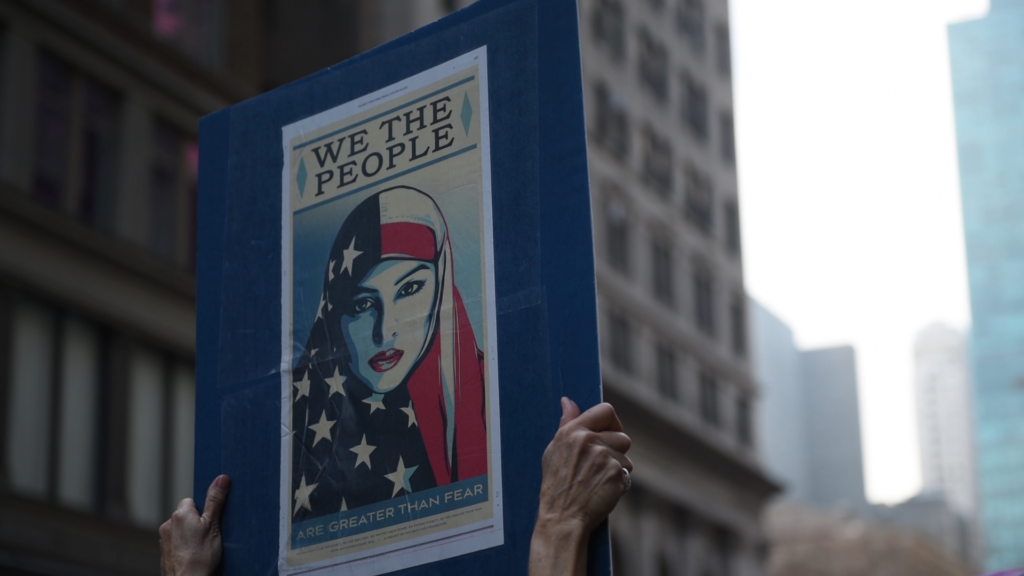
This project aims to educate people on how video can be used as a powerful tool for advocating the rights of marginalized communities in the U.S. and around the world. WITNESS is working tirelessly to shed light on the abuses that these communities face, and with the creation of resources such as our Filming Hate tip sheet, we are slowly equipping and liberating these communities to conquer the hate they face on a daily basis. WITNESS wants them to know that we are with them and they are not alone.
Links:
By WITNESS | Team
By Natalie Kerby | Individual Philanthropy Associate
Project reports on GlobalGiving are posted directly to globalgiving.org by Project Leaders as they are completed, generally every 3-4 months. To protect the integrity of these documents, GlobalGiving does not alter them; therefore you may find some language or formatting issues.
If you donate to this project or have donated to this project, you can receive an email when this project posts a report. You can also subscribe for reports without donating.