By Jason Graber | Resource Development Officer
In the devastating earthquake that struck Japan in March 2011, the mortality rate of people with disabilities (PWDs) was more than double the rate of the general population. This higher-than-average mortality rate has been attributed to the needs of PWDs not being included in existing preparedness plans; physical obstacles at temporary shelters, (e.g. not accessible by wheelchair); lack of opportunities for PWDs to communicate their needs; lack of access to critical information; and a lack of necessary medication/medical equipment to meet PWDs’ needs at available shelters.
To ensure that people with disabilities do not suffer the same challenges in a future disaster, International Medical Corps and AAR Japan are partnering to provide guidance, build capacity, and support local organizations and communities in establishing emergency response standards that meet the needs of all people, especially PWDs. In order to achieve this, people with disabilities must be actively engaged in the earliest preparation and planning stages before a disaster strikes.
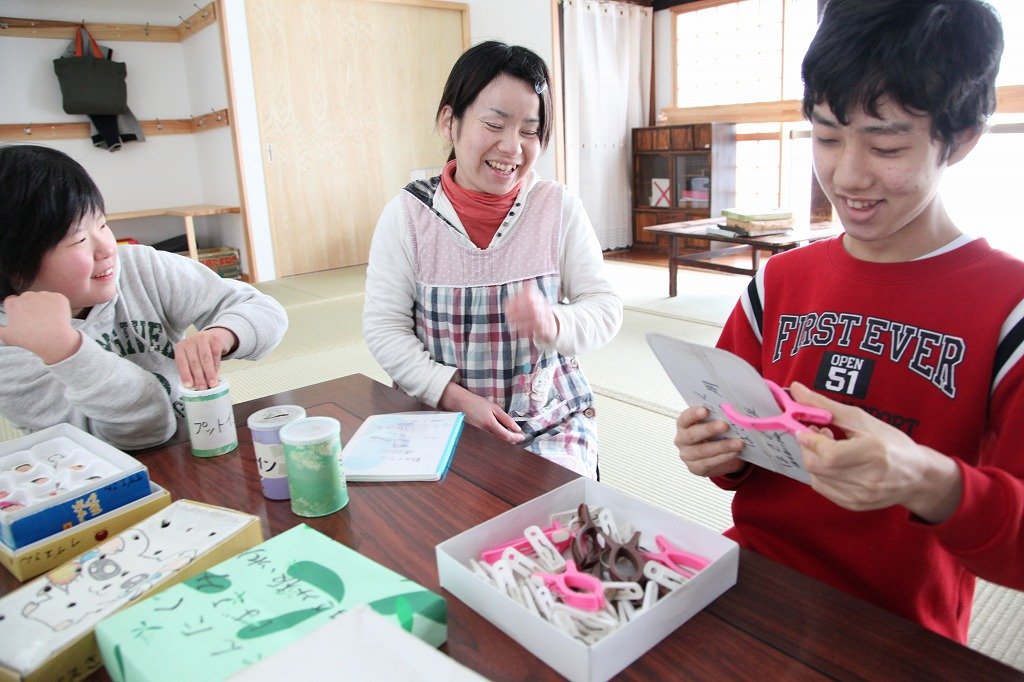
From July 23-25, International Medical Corps, AAR Japan and the Kibou no Mori Social Welfare Association will launch a series of activities to improve disaster preparedness for PWDs. International Medical Corps and AAR Japan will conduct a training session for PWDs on basic safety and evacuation procedures in six of Kibou no Mori’s facilities (two per day). Additionally, all participants in the training sessions will receive evacuation kits containing items such as: drinking water, non-perishable food, a first aid kit, a hand-crank flashlight/radio/siren, a basic hygiene kit, disposable toilets, an emergency blanket, an inflatable plastic sleeping mattress, and more. This training and the supplies will help people with disabilities be more prepared in advance of another disaster.
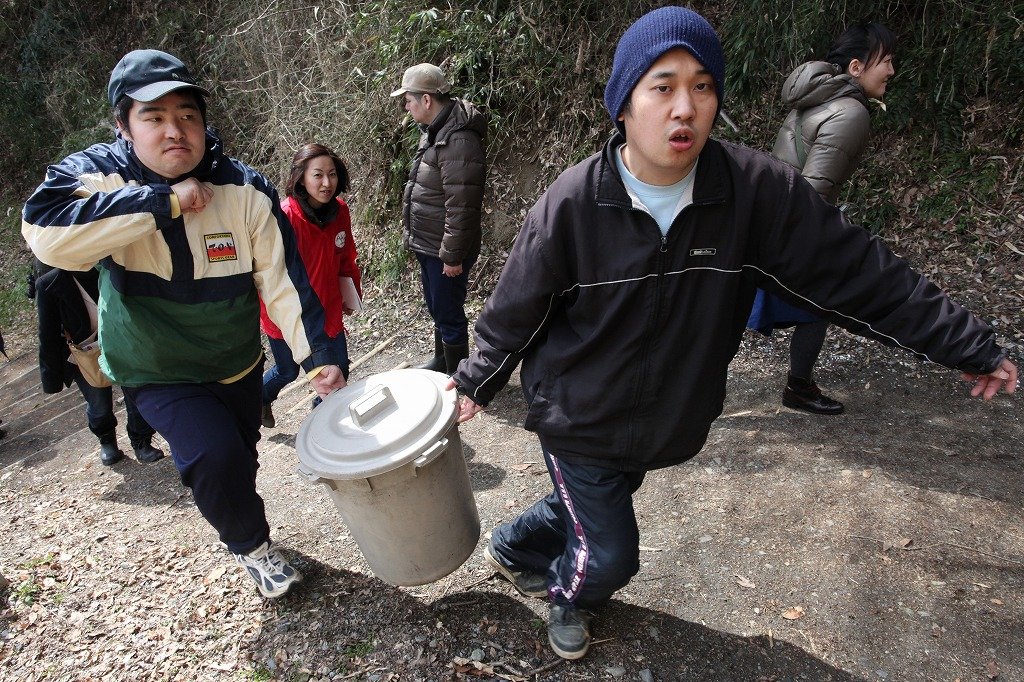
On July 26, International Medical Corps, AAR Japan, and local PWD-support facility Iwaki Jiritsu Seikatsu Center will conduct an emergency shelter simulation for PWDs. The simulation will include approximately 70 participants (20 PWDs, 20 certified helpers, 20 non-PWDs, and 10 staff members). The one-day event will take place at Nakoso Junior High School’s gymnasium, which also functioned as an emergency evacuation shelter after the 2011 disaster. During this simulation, PWDs and non-PWDs will work together to identify the obstacles PWDs face at the shelter, depending on their particular disabilities, and develop solutions to overcome challenges and better support PWDs. This will be the very first emergency shelter simulation in Japan to focus on the needs of PWDs.
By supporting local organizations in Japan, and focusing specifically on people with disabilities, International Medical Corps and AAR are building the capacity of Japanese communities to support all residents in the face of a future disaster. With your support, we continue to help Japanese communities build back better.
Project reports on GlobalGiving are posted directly to globalgiving.org by Project Leaders as they are completed, generally every 3-4 months. To protect the integrity of these documents, GlobalGiving does not alter them; therefore you may find some language or formatting issues.
If you donate to this project or have donated to this project, you can receive an email when this project posts a report. You can also subscribe for reports without donating.