By Jason Graber | Resource Development Officer
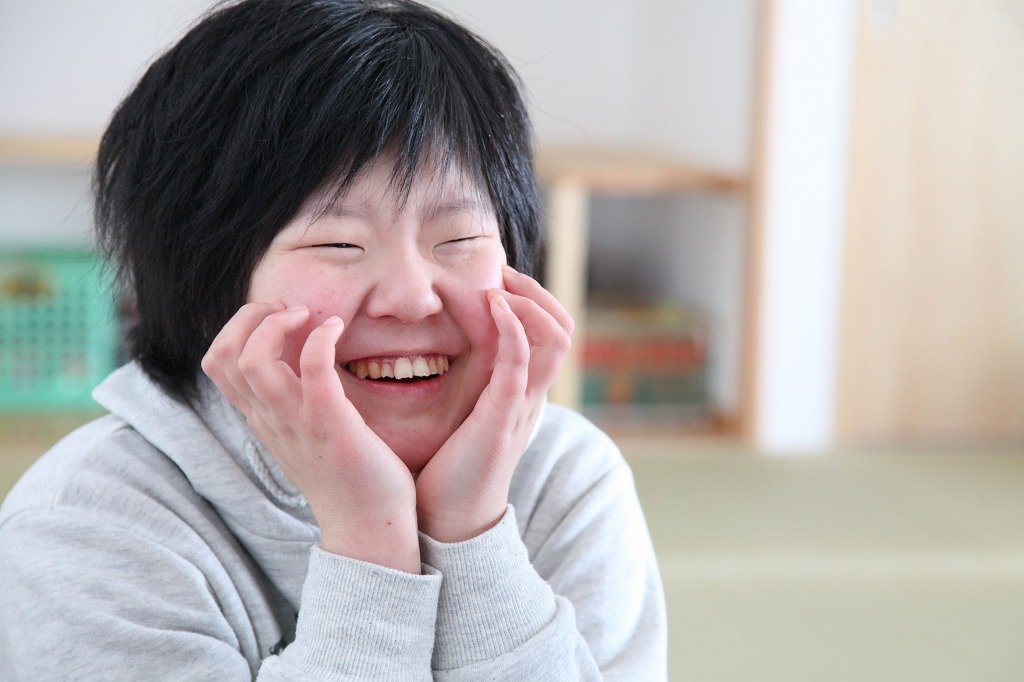
International Medical Corps and The Association for Aid and Relief (AAR) Japan are working together to build the capacity of communities to respond to future disasters in a way that is more representative of the entire population by putting more emphasis on assisting people with disabilities (PWDs). Taking into account PWDs during the planning of disaster response protocols is critical, because during the March 2011 earthquake and tsunami, the mortality rate for PWDs was more than double that of the average population.
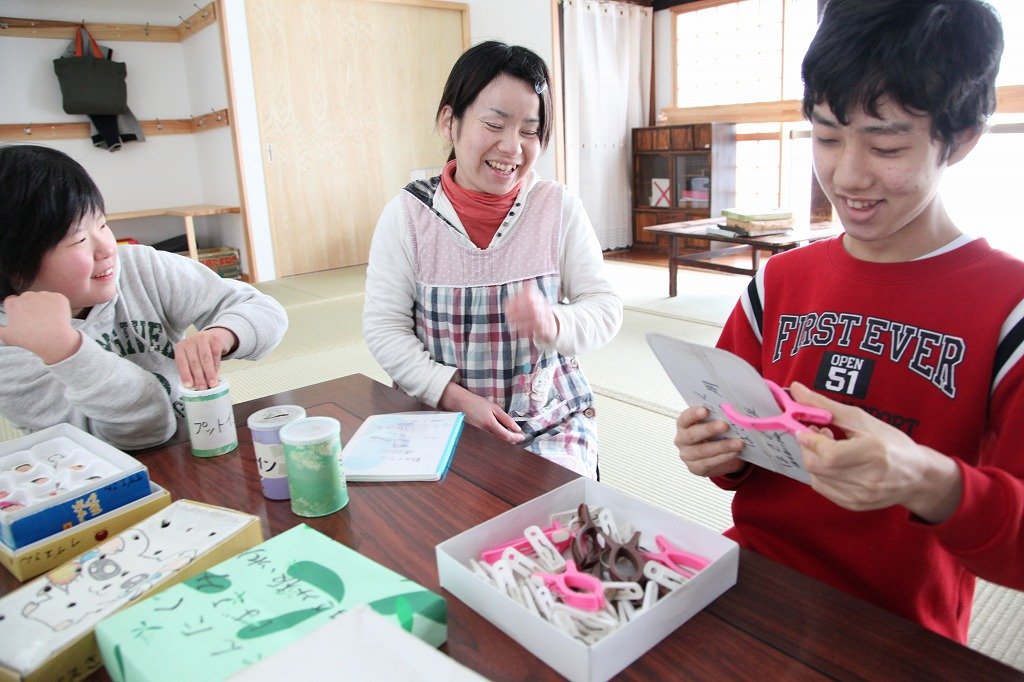
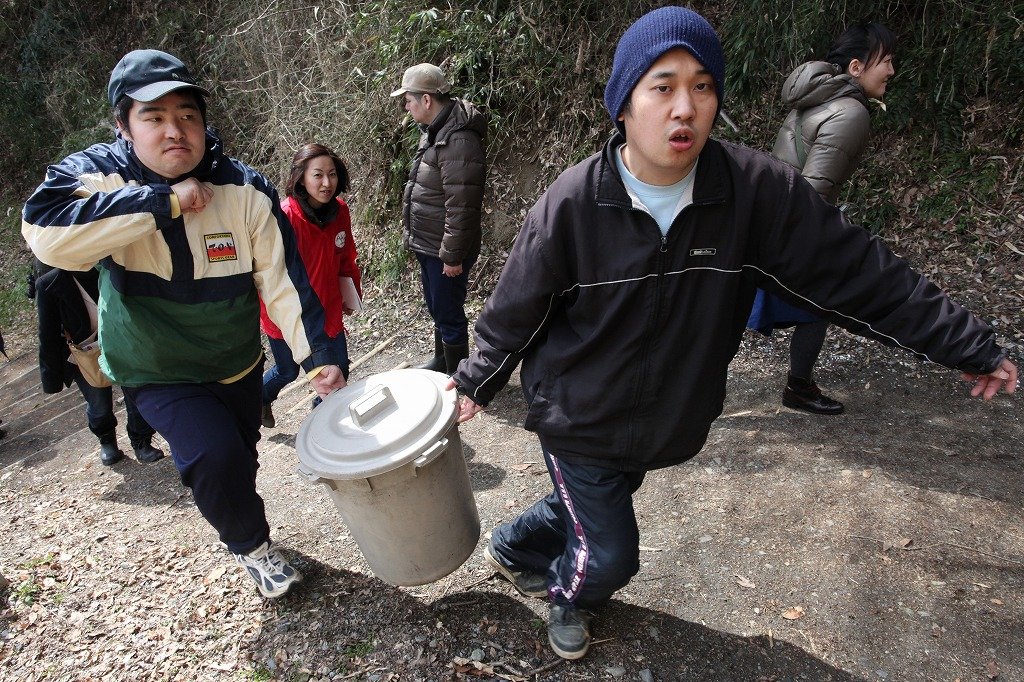
As part of our initiative, International Medical Corps and AAR Japan are continuing to partner with Iwaki Jiritsu Seikatsu Center (IJSC), a local non-profit organization supporting PWDs in Iwaki City, Fukushima Prefecture. The goal of this partnership is to help develop self-reliance among PWDs by taking their needs into account during the planning process, and including them in a way that will allow them to express their needs and take ownership of their role in the management of emergency shelters.
For such an initiative to be successful, International Medical Corps and AAR believe it is crucial to work with key people in the community who can share the lessons they learned through experiencing emergency shelter management in order to help raise the community’s awareness of the various needs and abilities of PWDs. In this regard, we are privileged to work with Shiro Sawai, school principal of Yumoto Secondary School #2 in Iwaki City. Shiro was in charge of an emergency shelter located in his school for a total of 74 days, from March 13 until May 22nd.
Important Lessons Learned from Running an Emergency Shelter:
When the earthquake struck on March 11, 2011, Shiro was standing outside of his school. Fortunately, graduation was also that day so all of his students had gone home at noon.
In Japan, public schools are often designated as emergency shelter sites. While there were schools closer to the affected areas that were designated as shelters, Shiro knew there was still a possibility that people evacuating from the coastal areas would start coming to his school to seek refuge. Shiro and his vice-principal immediately decided that they would stay at the school for as long as needed and keep the emergency shelter open.
Later that day, a total of 10 people showed up to seek shelter at the school. Since the school didn’t have any emergency supplies, aside from some floor sheets, the people brought their own futons and blankets. On March 13th, when the nuclear power plant accident forced thousands from their homes, 280 people arrived at Shiro’s school. Two-thirds of them arrived by a city-chartered bus and one-third used their own cars to reach the school. Many of the evacuees that came by bus had evacuated from homes for the elderly. The influx of these elderly and disabled people presented an unanticipated challenge for the undersupplied shelter.
“The first thing you need to know about emergency shelters,” says Shiro, “is that some of your expectations will come true, especially in the beginning… Emergency shelters are cold (in mid-winter), noisy, dirty, and inconvenient. And yes, it is terribly difficult to get any sleep there. There will inevitably not be enough food, drinking water, or blankets. There will be lots of garbage to deal with. Medical care will also take some time to arrive.”
Emergency shelters are the last resort when people have nowhere else to go, and it is generally the most vulnerable who end up spending the longest amount of time there. Young, single people tend to stay only for a short time, those with small children stay a little longer, and the elderly and people with disabilities tend to stay the longest. These trends are why Shiro believes it is imperative that emergency shelters adapt to the needs of the most vulnerable given that they are the population that demonstrates the greatest need from emergency response services.
Shiro said that one of the most difficult aspects of running an emergency shelter was creating and maintaining a roster of all the people staying there. Particularly in the beginning, the school was flooded with calls from people wanting to know whether their family or loved ones were there and safe, etc. Since people come and go every day, it was difficult to keep track of everyone’s movements. Shiro says that the importance of a consistently updated roster cannot be underestimated, and that its proper stewardship was one of the first lessons he learned through experience during this disaster.
When creating a roster of residents, Shiro emphasized that it is very important to ask people what they can do (e.g., cook, use a PC, carry things, etc.) Everyone has a role to play, and it’s important that they know this and are counted on to help. Shiro created multiple teams consisting of both volunteer staff and evacuees soon after people began arriving at the shelter, including a cooking team, a water distribution team and a health team (in charge of running morning exercise classes, checking in with the evacuees to see who needs assistance, etc.). He continued to create more teams to meet new needs as they arose over time.
Shiro felt that it was also important to make sure evacuee-children played a role in the shelter’s management. They were put in charge of tea time; bringing candy to the other residents and talking with them; and distributing newspapers. In the evening, the teachers and other adults helped the children with their homework.
Through this experience, Shiro found that the average Japanese public school is an ideal place to have an emergency shelter. Even if the building may be old and not up to universal design, it still held many advantages in times of an emergency, including:
Shiro strongly believes through his experiences that emergency shelters are not a place to come and wait to be helped; they are places to regain the strength and know-how to become self-reliant again. The most important lesson Shiro says he learned during his emergency shelter management is the need to be flexible and to maintain a sense of humor, even in times of crisis. Shiro is working closely with International Medical Corps on this project by offering his lessons to other schools and shelters in the community in the hopes that they will adopt some of the more helpful points in emergency shelter management during future disasters.
Project reports on GlobalGiving are posted directly to globalgiving.org by Project Leaders as they are completed, generally every 3-4 months. To protect the integrity of these documents, GlobalGiving does not alter them; therefore you may find some language or formatting issues.
If you donate to this project or have donated to this project, you can receive an email when this project posts a report. You can also subscribe for reports without donating.