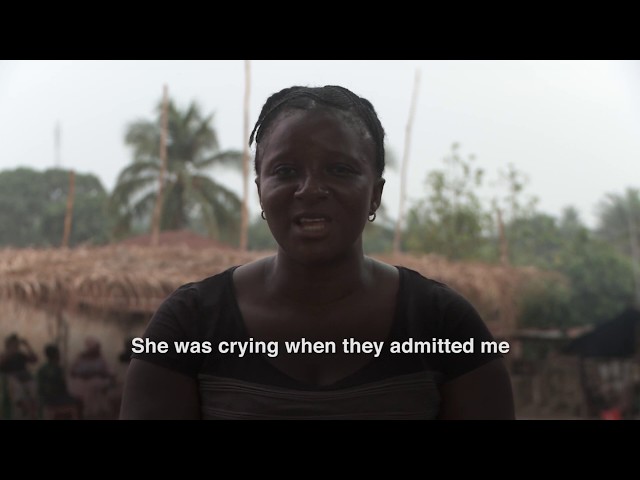
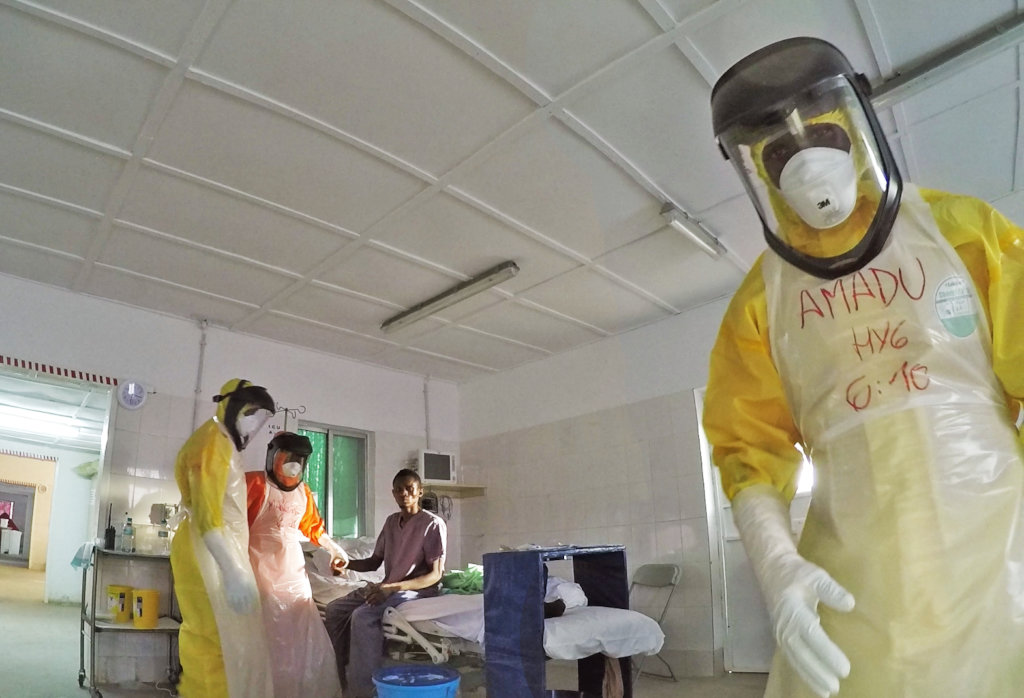
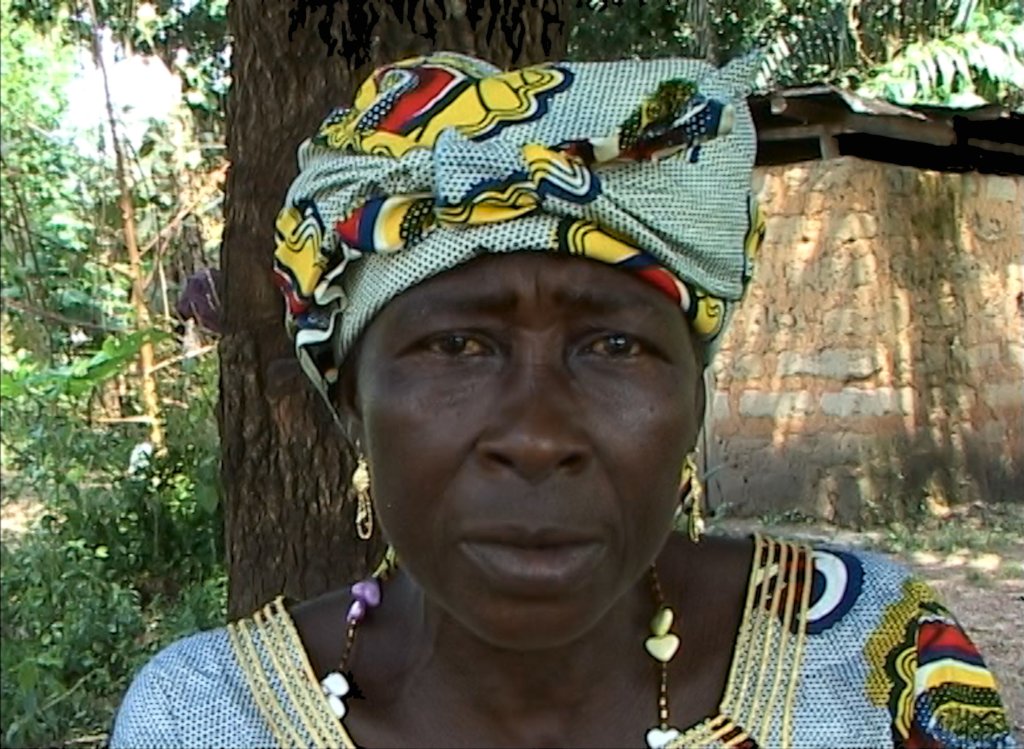
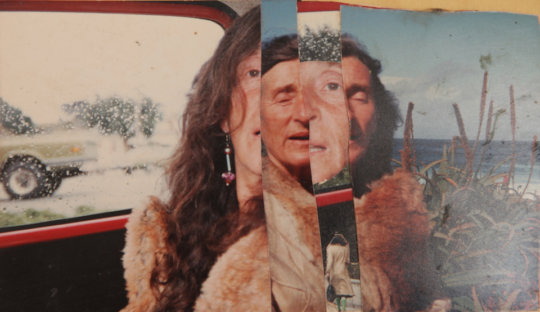
![still from the documentary film, SURVIVORS.]()
still from the documentary film, SURVIVORS.
While we continue work on the WeSurvive database, our team has been very focussed on the outbreak of the novel coronavirus disease, COVID-19, and the possible impact in may have for us here in Sierra Leone and of course worldwide. in many ways, it has reaffirmed our deep commitment to this project and the importance of working to create trust in our health systems - between institutions and the communities they serve. This new outbreak started at the end of 2019 in Wuhan, China. It is spreading rapidly around the world. Though the outbreak still remains the worst within china, countries worldwide are now facing challenges in preventing and managing the spread of a new virus within and across borders. First off we want to extend our prayers for all the individuals and families that have been directly affected by the outbreak. Our thoughts go to the brave individuals, Doctors, Nurses, Contact Tracers and all those who are in this fight together and we want to say thank You.
WHO has expressed particular concerns about the vulnerability of countries with weak health systems and we are again thinking about how our own country may be affected by this new outbreak and what may we have learned through the experience of the ebola outbreak that ravaged the country 2013-2016. Without a doubt, our country’s health officials, doctors, and nurses gained invaluable experience during that time. The disease also very much highlighted weaknesses within our health system. For the purpose of this report, and because the virus itself is different, we want to focus on what we may have learned in the way of health education, public health messaging, combatting rumors and misinformation and dissemination strategies and partnership building during the outbreak.
Ebola: a refresher: Official WHO numbers for the recent West African outbreak were 28,616 Ebola cases reported with 11,310 deaths. The three countries most affected by the outbreak were Guinea, Sierra Leone, and Liberia, countries with little to no health infrastructure and whose citizens largely mistrusted their governments. Additionally, international aid organizations were unprepared to respond to an epidemic of this proportion. Original public health messaging often lacked a nuanced understanding of local customs, cultural beliefs, and practices, and therefore had difficulty engaging with local community leaders. Stopping the spread of the disease required isolating the sick and abandoning local burial practices. The highest levels of trust we needed to secure compliance and people were being asked to do this before this trust had been established.
This project, WeSurvive is all about the importance of building better relationships between local communities and the institutions that serve them. It is about collaboration and working together whether you are a community member, a Humanitarian Aid organization or a local government official. “Communities need to be at the center of all public health efforts,” Pamela Scully, one of our project advisors explains. “Solutions lie with communities and working in villages and particularly with women at the start of an outbreak, indeed at the start of any project, creates sustainability. That work always needs to start from the ground up. But this is hard-earned knowledge.”
In relation to this novel coronavirus outbreak, we have been most disheartened by reading reports of the suppression of information. This happened in its own way for us in Sierra Leone. We understand the complexity of this issue as governments are trying to control the spread of misinformation, but harsh tactics, such as jailing journalists, degrade this needed trust and in the end, paves the way for rumors to grow and thrive. It is also troubling to see the politicization of this new coronavirus outbreak. In recent days in Italy and the US, news organizations seem more focussed on flashy headlines that feed into this dangerous blame-game than they are on helping citizens understand important facts and information. Building trust in each other and in our health systems needs to first be based on trusted information.
Back home in West Africa, Sierra Leoneans coming in from places such as China are being cooperative with the government regulated quarantines once you step out of the plane. We are jittery but hopeful, fearful but faithful trusting that we will not go through another outbreak if we act compassionately and thoughtfully. As human beings, we have the capacity to do great things, to modify our behavior in remarkable ways, even if this means great personal sacrifice if we truly trust it will have a positive outcome for our family’s community, nation, and world.
![Share on Twitter]()
![Share on Facebook]()